Side Dishes
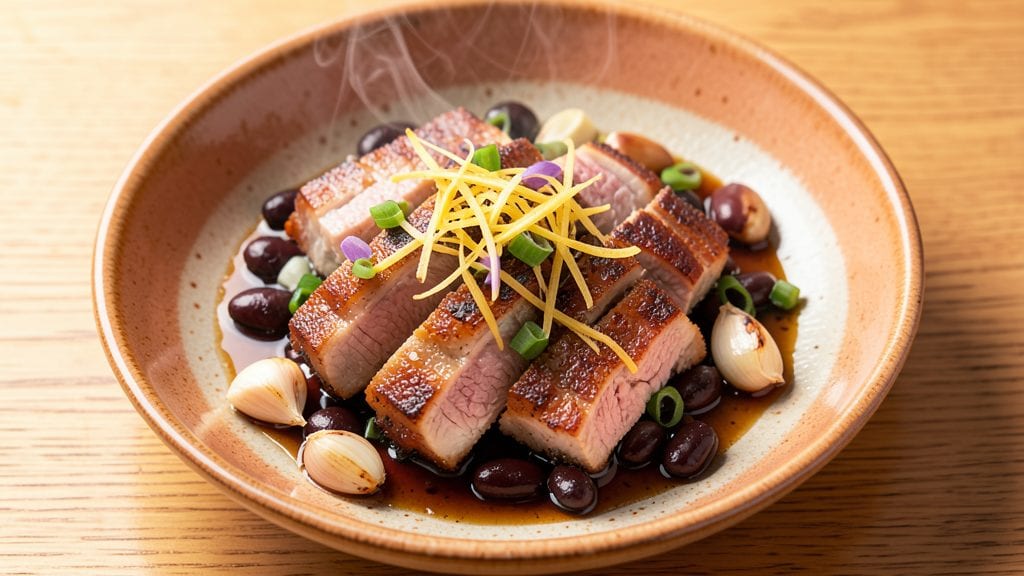
This steamed pork ribs recipe with fermented black beans transforms a simple one-pot meal into a flavor-packed experience that balances tender meat with umami-rich fermented depth. The process preserves traditional techniques while delivering restaurant-quality results in your own kitchen—no fancy equipment required.
What makes this dish special is how the fermented black beans infuse the pork with their signature tangy, funky notes, creating a harmony that’s both comforting and complex.
The beauty of this recipe lies in its simple yet sophisticated approach: pork ribs steam gently over fermented black beans, absorbing their savory essence while staying moist and flavorful.
You’ll need just a few key ingredients—pork ribs, fermented black beans, aromatics, and a touch of soy sauce—and about 1 hour of hands-off cooking time. The result is a dish that’s restaurant-worthy but effortless to prepare, perfect for weeknight dinners or special occasions.
By the end, you’ll have tender, fall-off-the-bone ribs infused with the deep, fermented flavor of black beans, creating a dish that’s rich, aromatic, and impossible to resist. The combination of textures—soft ribs, tender beans, and fragrant aromatics—makes every bite satisfying.
This recipe is designed to impress without stress, ensuring your table is always the center of attention.
Serve with steamed jasmine rice or crusty bread to soak up every last bit of the savory broth. The versatility of this dish means it works equally well as a main course or a hearty side.
Let’s get started on creating this one-pot masterpiece that brings bold flavors to your table.
Ingredients for steamed pork ribs with fermented black beans
Just 14 ingredients transform simple pork ribs into restaurant-quality fermented depth.
| Ingredient | Amount | Notes |
|---|---|---|
| Pork Ribs 🥩 | 2 lb | Baby back or spare ribs, cut into 2-inch pieces |
| Fermented Black Beans 🫘 | 1 cup | High-quality, tangy variety (like black bean paste) |
| Fresh Ginger 🧄 | 2 tbsp | Finely grated, aromatic |
| Scallions 🧅 | 4 whole | White and green parts, sliced |
| Garlic Cloves 🧄 | 6 cloves | Minced, aromatic base |
| Light Soy Sauce 🥄 | 2 tbsp | Kikkoman preferred |
| Shaoxing Wine 🍷 | 1 tbsp | Or dry sherry substitute |
| Sesame Oil 🫒 | 1 tsp | Toasted, for aroma |
| Dark Soy Sauce 🥄 | 1 tbsp | For color and depth |
| Sugar 🍚 | 1 tbsp | Balances fermented tang |
| Star Anise 🌿 | 1 whole | Lightly crushed |
| Bay Leaf 🌿 | 1 whole | For aromatic depth |
| Water 💧 | 2 cups | For steaming |
| Steamed Jasmine Rice 🍚 | 2 cups | Cooked, for serving |
The fermented black beans are non-negotiable here—look for the thick, paste-like variety at Asian markets or the international aisle. Trader Joe's often carries a good brand, but if you can't find it, black bean paste from a Chinese grocery works perfectly. Fresh ginger loses its punch fast, so grab a small knob and grate it fresh. For the ribs, baby back ribs are ideal but spare ribs work too—just cut them into 2-inch chunks so they cook evenly. The Shaoxing wine adds depth, but dry sherry in a pinch won't ruin the dish.
No Shaoxing wine? Dry white wine or even a splash of apple cider vinegar gets you close. Star anise is key for that subtle licorice note—skip it if you hate the flavor, but trust me, it's worth it. The dark soy sauce is for color and richness, so don't substitute light soy. If you're using pre-cut ribs, check for any plastic packaging—rinse them well before cooking. The sesame oil should be toasted, not the flavored kind—look for 'toasted sesame oil' at the store. For the aromatics, scallions add freshness that balances the fermented funk.
Store the fermented beans in the fridge after opening—they'll last 2 weeks. The ribs can be prepped ahead and refrigerated for 1 day before cooking, but don't marinate them. The steamed rice keeps for 3 days in the fridge, but reheat it with a splash of water to restore moisture. This dish reheats beautifully—just add 1-2 tbsp water to the pot and steam for 10 minutes. Leftovers taste even better the next day as flavors meld.
Why You'll Love This Recipe
- One-Pot Magic: I swear by this recipe when I’m too tired to deal with multiple pans. Just toss the ribs, fermented black beans, and aromatics into a steamer—no chopping, no fuss—while you sip tea or scroll through your phone.
- Umami Bomb: That fermented black bean paste? It’s the secret weapon. The salty, funky depth clings to the ribs like a hug, while the ginger and garlic add layers of warmth that make every bite feel like a little celebration.
- Leftover Hero: Between us, this dish begs for seconds—and thirds. The ribs stay tender for days, so I make a big batch on Sundays. Reheat with a splash of water in the steamer, and it’s just as good as day one (yes, even on a Tuesday night).
- Budget Win: Pork ribs are affordable, and fermented black beans stretch the flavor without breaking the bank. I’ve fed my whole family (plus a few friends) for under $15, and no one complains about the leftovers—honestly, they ask for it again.
Step-by-step instructions for steamed pork ribs with fermented black beans
Here's how to create tender, aromatic pork ribs infused with fermented black beans—simple, one-pot magic.
Prepare the Pork Ribs and Aromatics
Begin by cutting the 2 lb pork ribs into 2-inch pieces if they aren't already pre-cut. Rinse them under cold water and pat completely dry with paper towels—this ensures they steam evenly and develop a better texture. In a small bowl, combine the 1 cup fermented black beans, 2 tbsp finely grated fresh ginger, 4 whole sliced scallions, and 6 minced garlic cloves. Set this mixture aside for now.
Real talk: The fermented black beans are the star here—their tangy depth balances the richness of the pork. If your beans are particularly strong in flavor, you might want to rinse them briefly to mellow the taste, but I like the bold contrast. The ginger and garlic will mellow slightly during steaming, so don't hold back on these aromatics.
Build the Steaming Base
In a large, deep pot or Dutch oven with a tight-fitting lid, combine the 2 cups water, 1 tbsp Shaoxing wine, 1 tbsp dark soy sauce, 1 tbsp sugar, 1 whole lightly crushed star anise, and 1 whole bay leaf. Bring this mixture to a rolling boil over medium-high heat, then reduce the heat to medium-low. Let it simmer for 5 minutes to allow the spices to infuse the liquid—you'll notice a subtle aromatic depth developing.
This step is where the foundation of your dish comes together. The Shaoxing wine adds complexity, while the dark soy sauce and sugar create a balanced, slightly sweet-savory base. The star anise and bay leaf might seem like small additions, but they contribute layers of warmth that elevate the entire dish. Don't skip the simmering time—it's what builds that aromatic depth.
Steam the Ribs with Fermented Black Beans
Add the prepared pork ribs to the simmering liquid, along with the reserved black bean mixture. Stir gently to ensure all the ribs are submerged. Bring the mixture back to a gentle boil, then immediately reduce the heat to low and cover the pot tightly with the lid. Let the ribs steam for 1 hour and 15 minutes, adding ½ cup water if the liquid reduces too much during cooking.
Here's the thing—steaming pork ribs requires patience. You want the meat to become tender without drying out, so maintaining a gentle simmer (not a rolling boil) is key. The fermented black beans will break down slightly, releasing their umami-rich juices into the pot. After 1 hour, check the ribs for tenderness by piercing with a fork—they should feel soft but still hold their shape. If they're not quite there, add another 15 minutes of steaming time.
Finish with Sesame Oil and Serve
Once the ribs are fork-tender, remove them from the pot and transfer them to a serving platter. Discard the star anise and bay leaf. Return the cooking liquid to medium heat and stir in the 1 tsp toasted sesame oil and 2 tbsp light soy sauce. Simmer for 2-3 minutes until the liquid slightly reduces and thickens—this creates a glossy, flavorful sauce to drizzle over the ribs.
The sesame oil adds a nutty aroma that ties everything together, while the light soy sauce balances the richness. Taste the sauce and adjust the seasoning if needed—you might want to add a splash more soy sauce or a pinch of sugar to enhance the flavor. Serve the steamed pork ribs immediately over 2 cups steamed jasmine rice, spooning the aromatic sauce generously over the top. The contrast of the tender, saucy ribs against the fragrant rice is what makes this dish truly special.
Pro Tips For Making Steamed Pork Ribs With Fermented Black Beans
- Parboil the Ribs First: Drop the ribs into boiling water for 3-4 minutes before steaming—this seals the collagen and keeps them from turning rubbery later. I learned this the hard way after serving tough, dry ribs that had absorbed too much steam too fast.
- Rinse the Fermented Beans: Give those fermented black beans a quick rinse under cold water before using—cuts the bitterness and stops them from overpowering the dish. My grandmother swore by this, and she was right: the flavor stays rich but balanced.
- Don’t Overcrowd the Steamer: Leave at least 1 inch of space between ribs in the steamer basket—crowding traps moisture and turns them soggy instead of tender. Yes, even if you’re impatient like me, resist the urge to stack them.
- Blister the Ginger First: Sear the ginger slices in a dry pan for 30 seconds until fragrant—this deepens their aroma and makes the whole dish smell like a proper Chinese restaurant. Sounds weird, but it works: the ribs soak up that flavor like a sponge.
Make-ahead tips for leftovers
Prep Ahead
Start by cutting the 2 lb pork ribs into 2-inch pieces and storing them in an airtight container in the fridge for up to 24 hours before cooking.
The fermented black beans can also be prepped ahead—mix them with the ginger, scallions, and garlic and store in a sealed container for 1 day. This saves time on cooking day and lets flavors meld slightly. 💡
Steaming Setup
Assemble the steaming base (water, wine, soy sauces, sugar, and spices) in your pot the night before and store it in the fridge. When ready to cook, simply bring it to a simmer and add the prepped ribs and bean mixture.
This cuts down on cooking day prep by 30 minutes. Just remember to remove the star anise and bay leaf before serving.
Sauce Prep
Make the finishing sauce ahead by combining 1 tsp toasted sesame oil and 2 tbsp light soy sauce in a small bowl. Store it in the fridge for up to 3 days.
When reheating the ribs, simply stir this sauce into the reduced cooking liquid for a quick, flavorful drizzle. This ensures you always have a ready-to-use sauce component.
Reheating Leftovers
Steamed ribs reheat beautifully—place them in a pot with ½ cup water and steam over medium heat for 10-15 minutes until warmed through. Add a splash of the pre-made sauce to restore moisture and flavor.
For extra richness, spoon some of the reduced cooking liquid from the fridge over the ribs before reheating. 🔥
Rice Prep
Cook 2 cups jasmine rice in advance and store it in an airtight container for up to 3 days. Reheat with a splash of water to restore fluffiness. This ensures your rice is always ready to serve alongside the ribs, saving you from last-minute cooking stress.
The rice absorbs the aromatic sauce beautifully, making every bite more satisfying.
Flavor Boost
For an extra flavor kick, prepare a quick garnish of thinly sliced scallions and toasted sesame seeds ahead of time. Store them separately in small containers and sprinkle over the ribs just before serving. This adds freshness and texture without requiring any additional cooking effort. 🌟
Nutrition facts
Frequently asked questions
Can I substitute regular black beans for fermented black beans?
The fermented black beans are essential for that signature tangy depth. Regular black beans won't provide the same umami complexity, but if you must use them, try soaking and cooking them until very soft, then adding a splash of 1 tbsp rice vinegar or 1 tsp fish sauce to mimic some of the fermented flavor. The texture and taste won't be identical, but it's a workable alternative in a pinch.
How do I know when the pork ribs are fully tender?
Pierce the ribs with a fork or skewer—they're done when the meat slides off easily but still holds together. For baby back ribs, this usually takes 1 hour and 15 minutes of steaming. If using spare ribs, they may need an extra 15-30 minutes since they're tougher. Never overcook them, or they'll turn mushy.
What if my ribs aren't tender enough after steaming?
If the ribs are still chewy, don't panic! Return them to the pot with an additional ½ cup water and steam for another 15 minutes on low heat. For extra tenderness, you can also add 1 tbsp cornstarch mixed with 2 tbsp water to the cooking liquid—this helps break down collagen faster. Just stir it in and steam for another 10 minutes.
Can I make this recipe in an Instant Pot or electric pressure cooker?
Yes! After building your steaming base, add the ribs and bean mixture, then pressure cook on high for 30 minutes (natural release). The pressure method speeds up cooking but maintains tenderness. Just reduce the sauce at the end by simmering uncovered for 2-3 minutes to thicken it properly. The texture will be slightly different but still delicious!
What's the best way to store and reheat leftovers?
Store ribs in an airtight container with some of the cooking liquid in the fridge for up to 3 days. To reheat, steam them with ½ cup water over medium heat for 10-15 minutes, then drizzle with the pre-made sauce. For extra flavor, add a splash of Shaoxing wine or rice vinegar when reheating. The sauce keeps well too—store it separately for up to 3 days.