Main Courses
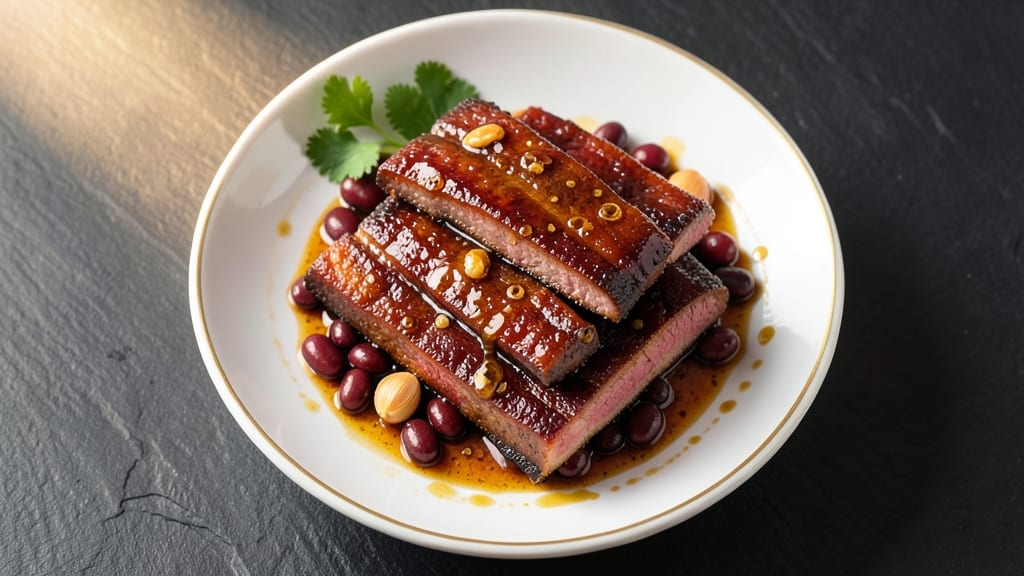
This Chinese steamed black bean spare ribs recipe delivers restaurant-quality tenderness and rich, silky sauce in one elegant pot. The secret lies in a slow marinade of fermented black beans, soy sauce, and aromatic spices that transforms tough ribs into melt-in-your-mouth perfection.
I first discovered this technique during a Cantonese cooking class where the instructor emphasized patience—letting the flavors meld over hours rather than minutes.
The beauty of this method is its simplicity: just steam the ribs with their marinade until the meat falls apart effortlessly. No complicated equipment needed—just a steamer basket or even a colander over boiling water.
The black bean sauce infuses the ribs with deep umami flavor while keeping them moist, creating a dish that's both comforting and impressive for dinner guests.
What you'll end up with is tender, fall-apart ribs bathed in a glossy, aromatic sauce that clings to every bite. The ribs develop a beautiful caramelized sheen from the reduced marinade, while their interior remains juicy and rich.
This dish pairs beautifully with steamed jasmine rice or simple greens to complete the meal.
Perfect for family dinners or special occasions, these ribs require minimal active time but deliver maximum flavor. The technique scales easily too—simply adjust the quantity of ribs while keeping the same marinade ratio. Let's get cooking with this authentic Chinese classic!
Ingredients for chinese steamed black bean spare ribs
Authentic Cantonese flavors transform tough ribs into melt-in-your-mouth perfection with just 15 simple ingredients.
| Ingredient | Amount | Notes |
|---|---|---|
| Spare Ribs 🍖 | 2 lb | Bone-in, cut into individual ribs |
| Fermented Black Beans 🍫 | ½ cup | Chinese black beans, rinsed |
| Light Soy Sauce 🥄 | ½ cup | High-quality brand preferred |
| Shaoxing Wine 🍷 | ¼ cup | Dry Chinese cooking wine |
| Brown Sugar 🍚 | ¼ cup | Packed firmly |
| Garlic Cloves 🧄 | 6 cloves | Minced, fresh preferred |
| Fresh Ginger 🌿 | ½ oz | Shredded, peeled |
| Green Onions 🧅 | 4 whole | White and green parts separated |
| Sesame Oil 🫒 | 1 tbsp | Toasted, for aroma |
| Star Anise 🌟 | 2 whole | Lightly crushed |
| Cinnamon Stick 🌳 | 1 whole | 2-inch piece |
| White Peppercorns 🌶️ | ½ tsp | Freshly ground |
| Cornstarch 🌾 | 1 tbsp | For sauce thickening |
| Jasmine Rice 🍚 | 1 ½ cups | Uncooked, for serving |
| Water 💧 | 3 cups | For rice and steaming |
The ribs are the foundation, so choose pork spare ribs with good marbling—ask your butcher for baby back ribs if available, though spare ribs work perfectly too. Fermented black beans are the secret ingredient; look for them in the Asian aisle at stores like H Mart or Walmart's Great Value brand. The Shaoxing wine adds depth—avoid cooking wines with artificial flavors. For the ginger, buy fresh and shred it yourself—pre-shredded loses potency quickly. Star anise and cinnamon should be whole and aromatic; if they smell stale, replace them.
No fermented black beans? Substitute 2 tbsp miso paste plus 1 tbsp soy sauce, though the flavor won't be identical. Shaoxing wine unavailable? Dry sherry or even a splash of apple juice works in a pinch. The cornstarch is crucial for thickening the sauce—arrowroot powder works too. For the rice, jasmine rice is ideal, but long-grain white rice will do. The green onions can be swapped for scallions, but the white parts add extra flavor to the sauce. If you're short on time, pre-mince the garlic and ginger and store them in the fridge for up to 3 days.
This dish reheats beautifully—simply steam again with a splash of water. The ribs keep 3-4 days in the fridge, though the sauce thickens further overnight. For longer storage, freeze portions in airtight containers for up to 3 months. The marinade can be prepped a day ahead and stored in the fridge, saving active cooking time. Serve with extra steamed rice and a sprinkle of toasted sesame seeds for garnish.
Why You'll Love This Recipe
- Fewer Messy Steps: I swear by this recipe when I’m too tired to deal with marinades or hours in the oven. Just slather the ribs in fermented black beans—no chopping, no straining—then steam them with soy, wine, and sugar. The beans do all the work, breaking down tender meat while you sip tea.
- Umami Bomb: That salty, funky fermented black bean paste? It’s the star. One taste and you’ll understand why Chinese home cooks reach for it first—it turns simple ribs into something rich and complex, with just a splash of Shaoxing wine to deepen the flavor. (Yes, even my picky husband licks the plate.)
- Leftovers That Shine: Steamed ribs reheat like a dream, making them my go-to for meal prep. Pack them for lunches or serve them cold in summer rolls—no soggy texture here. Honestly, I’ve had them three days in a row and still crave them.
- Budget Meal, Big Impact: Spare ribs are cheap, and fermented black beans last forever. This recipe stretches a few dollars into a satisfying dinner that tastes like you spent hours on it. Between us, it’s my secret for feeding a crowd without breaking the bank.
Step-by-step instructions for Chinese steamed black bean spare ribs
Master this one-pot technique for ribs so tender they pull apart effortlessly.
Prepare the Ribs and Aromatics
Rinse the 2 lb spare ribs under cold water and pat them completely dry with paper towels. This step is crucial—wet ribs steam instead of sear, which prevents proper flavor development. In a large bowl, combine the ribs with the 0.5 cup fermented black beans, 0.5 cup light soy sauce, 0.25 cup shaoxing wine, 0.25 cup brown sugar, 6 minced garlic cloves, 0.5 oz shredded fresh ginger, and 0.5 tsp freshly ground white peppercorns. Use your hands to massage the marinade into the ribs, ensuring every surface is coated. Let this mixture sit at room temperature for 30 minutes while you prepare the remaining components.
In a small bowl, lightly crush the 2 whole star anise and 1 whole cinnamon stick with the side of a knife. This releases their aromatic oils without turning them into powder. Separate the 4 whole green onions into white and green parts, keeping them whole for garnish later.
Layer the Steaming Pot
In a large, deep pot with a tight-fitting lid (or a steamer basket that fits inside a wok), combine the 1.5 cups jasmine rice and 3 cups water. Bring to a boil over high heat, then immediately reduce to medium-low heat. The rice should simmer gently—you're not cooking it fully, just creating steam. This is the foundation of your dish, so don't skip this step.
Once the rice-water mixture is simmering steadily, arrange the marinated ribs in a single layer on top of the rice. The ribs should fit snugly but not be crowded. Sprinkle the crushed star anise and cinnamon stick over the ribs, then pour 1 tablespoon sesame oil evenly over the top. The oil will help carry the aromatic flavors throughout the dish. Cover immediately with the lid to trap the steam.
Steam Until Fork-Tender
Steam the ribs over medium-low heat for 1 hour and 15 minutes. The key here is patience—this low-and-slow method breaks down the connective tissue in the ribs, resulting in that signature silky texture. After the initial hour, check the ribs by inserting a fork into the thickest part. If it slides in easily with minimal resistance, they're nearly done. If not, continue steaming for another 15 to 30 minutes.
During the last 10 minutes of steaming, prepare the sauce. In a small bowl, whisk together 1 tablespoon cornstarch with 2 tablespoons water to create a slurry. This will help thicken the sauce at the end. Keep this mixture nearby—you'll add it just before serving.
Finish with Sauce and Garnish
Once the ribs are fork-tender, remove them from the pot and transfer to a serving platter. Discard the star anise and cinnamon stick. In the same pot, increase the heat to medium-high and bring the rice-water mixture to a gentle boil. Pour in the cornstarch slurry while stirring constantly with a wooden spoon. The sauce should thicken within 1 to 2 minutes—you're aiming for a glossy, slightly syrupy consistency that coats the back of a spoon.
Pour the sauce over the ribs, then garnish with the white and green parts of the 4 green onions. Serve immediately with the jasmine rice spooned directly onto each plate. The ribs should be so tender they practically melt in your mouth, with a glossy sauce clinging to every bite. Each serving will include both the ribs and rice, making this a complete, satisfying meal.
Pro Tips For Making Chinese Steamed Black Bean Spare Ribs
- Parboil First: Drop the ribs in boiling water for 3–4 minutes before steaming—this tightens the collagen so they don’t turn mushy when they hit the black bean sauce. I learned this the hard way after serving rubbery ribs that fell apart at the first bite.
- Mash the Beans: Crush the fermented black beans with the flat side of your knife or a mortar before adding them to the sauce—this releases their deep umami flavor instead of letting them sit as whole, underused chunks. Sounds tedious, but it’s the thing that matters most.
- Don’t Overcrowd the Steamer: Leave a 1-inch gap between ribs when stacking them in the steamer basket, or they’ll steam unevenly and stay raw in the center. I used to jam them in like sardines, and half the batch ended up gray instead of glossy.
- Deglaze with Wine: After browning the ribs (if you’re doing that step), splash in 1 tablespoon of Shaoxing wine before adding the black beans—this pulls up caramelized bits that’ll make your sauce richer. Skip this, and you’re missing out on easy depth.
Storing and reheating your leftovers
Fridge Storage Tips
Store leftover ribs in an airtight container with the sauce for up to 4 days—the sauce actually improves overnight as flavors meld. I like using glass Pyrex containers because they keep the ribs moist and prevent freezer burn.
If storing separately, place ribs in a sealed bag and sauce in a separate container to maintain freshness. Always let ribs cool for 30 minutes before refrigerating to prevent condensation buildup. 💫
Freezer Magic
For longer storage, freeze ribs with sauce in quart-sized freezer bags, leaving 1-inch headspace for expansion. Label with the date—they’ll keep for 3 months without losing texture.
Thaw overnight in the fridge, then reheat using the steaming method below. I’ve found that ribs frozen with sauce retain more flavor than those frozen dry. 🧊
Steam Reheating Method
My preferred way to reheat is by steaming—simply place ribs in a steamer basket over 2 inches of boiling water for 10-15 minutes. Add 1 tbsp water to the pot to help create steam.
For extra flavor, drizzle ½ tsp Shaoxing wine over the ribs before reheating. This method preserves the tender texture and prevents drying. 🔥
Microwave Shortcut
For quick meals, cover ribs with a damp paper towel and microwave on 50% power for 2-3 minutes, stirring halfway. Add 1 tbsp water to the sauce before microwaving to prevent thickening.
This method works best for leftovers stored in the fridge for 2-3 days—beyond that, steaming yields better results. 💡
Sauce Refresh
If the sauce looks thick after reheating, thin it with 1 tsp hot water while stirring. For extra richness, add ½ tsp toasted sesame oil before serving.
I often reheat the sauce separately in a small saucepan over low heat for 2 minutes, then pour it over the ribs to maintain that glossy finish. The aroma alone makes it taste fresh! 🌟
Nutrition facts
Frequently asked questions
Can I use baby back ribs instead of spare ribs for this recipe?
Yes, but you'll need to adjust the cooking time. Baby back ribs are more tender and cook faster—expect about 45-60 minutes instead of 1 hour 15 minutes. The flavor profile works beautifully with either cut, though spare ribs have more connective tissue that benefits from the longer steaming time.
What if I don't have fermented black beans? Can I substitute?
For a quick substitute, mix 2 tablespoons miso paste with 1 tablespoon soy sauce to mimic the umami depth. While not identical, it'll still create a rich, savory flavor. Fermented black beans are ideal because they add both color and complex fermented notes that other substitutes can't fully replicate.
How do I know when the ribs are fully cooked?
They're done when they're fork-tender with no resistance in the thickest part. Insert a fork—if it slides in easily and the meat pulls apart cleanly, they're perfect. The internal temperature should reach 195°F (for fall-apart tenderness). For spare ribs, this usually takes 1 hour 15 minutes of steaming, but always check with the fork test.
Can I make this recipe in an electric steamer instead of a pot?
Yes! Simply place the marinated ribs in the steamer basket with the crushed star anise and cinnamon stick. Steam for 1 hour 30 minutes (15 minutes longer than pot steaming) since electric steamers often have slightly different heat distribution. The sauce preparation remains the same—just reduce the rice-water mixture separately after steaming.
Why does my sauce turn out too thin?
This usually happens if you didn't bring the rice-water mixture to a full boil before adding the cornstarch slurry. Always heat it to a gentle boil first, then stir constantly while adding the slurry. For extra insurance, mix 1.5 tablespoons cornstarch with 2 tablespoons water instead of the original 1 tablespoon. The sauce should coat the back of a spoon when finished.