
Main Courses
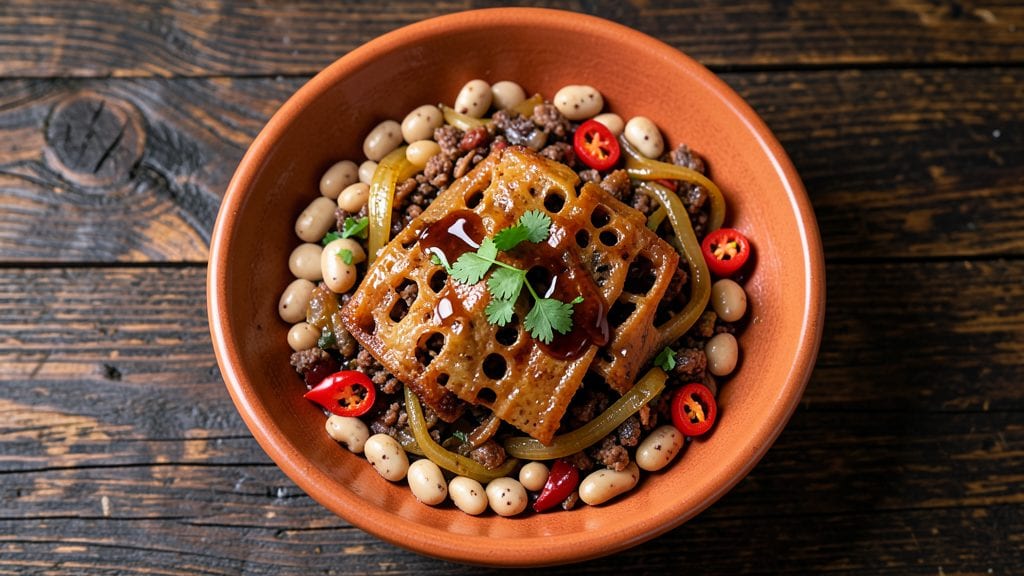
This Jamaican tripe and beans recipe delivers the rich, spiced soul of Caribbean cooking in one hearty bowl. The secret lies in slow-cooked tripe tenderized with spices and rum, paired with creamy kidney beans that soak up every layer of flavor.
I first tasted this dish at a family gathering in Kingston, where it became a centerpiece—now I recreate it at home to bring that same warmth to my table.
The magic happens through patience and tradition: tripe simmers until fork-tender while beans develop deep, smoky notes from thyme, allspice, and a splash of rum. This isn't just a stew—it's a celebration of Jamaican comfort food, where every bite carries history and heart.
The dish pairs beautifully with steamed rice or crispy fried dumplings for the full experience.
What makes this recipe special is its balance of textures—tender tripe, creamy beans, and crisp edges from slow caramelization. The rum infusion adds complexity without overpowering, while traditional spices create an aromatic depth that lingers.
Whether you're cooking for a family gathering or a quiet weeknight, this stew delivers restaurant-quality results with home-cooked soul.
Perfect for feeding a crowd or meal prepping, this recipe scales effortlessly while maintaining its rich character. The slow cooking process makes it ideal for weekends when you can let flavors meld naturally.
Once you try this version, you'll understand why it's a staple in Jamaican homes—it's more than a dish, it's a tradition.
Ingredients for jamaican tripe and beans
Six hearty ingredients and a splash of rum bring Jamaican soul to your pot.
| Ingredient | Amount | Notes |
|---|---|---|
| Tripe (Honeycomb or Flanket) 🥩 | 2 lb | Freshly cleaned for best texture |
| Kidney Beans (Dried) 🌱 | 2 cups | Soaked overnight for tenderness |
| Light Rum (e.g., Bacardi or Appleton) 🍹 | ½ cup | For depth, not overpowering |
| Onion (Yellow) 🧅 | 1 whole | Chopped, for base flavor |
| Garlic Cloves 🧄 | 6 cloves | Minced, aromatic foundation |
| Scotch Bonnet Peppers 🌶️ | 2 whole | Seeds removed for mild heat |
| Thyme (Fresh) 🌿 | ¼ cup | Stems removed, for earthy notes |
| Allspice Berries 🌶️ | 1 tsp | Ground, for warm spice |
| Ground Cinnamon 🌶️ | ½ tsp | Sweet warmth, traditional touch |
| Salt 🧂 | 1 ½ tsp | Kosher or sea salt |
| Black Peppercorns 🌶️ | ½ tsp | Freshly cracked for bite |
| Tomato Paste 🍅 | 2 tbsp | For richness, not sweetness |
| Vegetable Oil 🫒 | 2 tbsp | For initial searing |
| Bay Leaves 🌿 | 2 whole | For subtle herbal depth |
| Water or Beef Broth 💧 | 6 cups | Low-sodium for balance |
The tripe is the star—honeycomb or flanket works best, but ask your butcher to clean it properly. Jamaican markets or Caribbean grocery stores often carry pre-cleaned tripe, saving you time. If you're using dried beans, soak them overnight in plenty of water (I use a large bowl with cold water and a pinch of baking soda to help soften them faster). For the rum, light varieties like Bacardi or Appleton work perfectly—they add depth without overpowering. The scotch bonnet peppers? Handle with care—they're spicy! Wear gloves if you're sensitive to heat, and remove the seeds for a milder kick.
No scotch bonnet? Jalapeño or habanero will work in a pinch, but reduce the amount to half. Fresh thyme is ideal, but dried works at one-third the amount. Short on rum? Dark soy sauce or a splash of molasses adds a similar depth. The tomato paste can be swapped for 1 cup of crushed tomatoes if you prefer. For the beans, if you're in a hurry, two 15-ounce cans of kidney beans (drained and rinsed) will save you soaking time. Just remember to add them later in the cooking process so they don't turn mushy.
This stew tastes even better the next day—let it sit overnight in the fridge so the flavors meld. It keeps for 4-5 days in the fridge, or you can freeze portions for up to 3 months. I like to portion it into containers with a side of rice for easy lunches. The tripe will get even more tender as it sits, so don't rush it. If you're feeding a crowd, double the recipe—it scales beautifully without losing its rich character.
Why You'll Love This Recipe
- One-Pot Magic: I swear by this recipe when I’m too tired to wash dishes—just brown the tripe, toss in the beans and rum, and let it simmer. The onions and garlic caramelize right in the pot, so no extra pans, no extra stress.
- Rum-Infused Richness: That splash of light rum isn’t just for flavor—it tenderizes the tripe while adding a warm, slightly sweet depth. The beans soak up all that garlicky, spiced goodness, turning into a thick, hearty stew that tastes like a hug in a bowl.
- Weeknight Crowd-Pleaser: Between us, this is the dish I make when my in-laws visit unexpectedly or when my book club shows up hungry. It’s filling enough for a big group but still feels special, and honestly? No one questions the tripe after the first bite.
- Budget-Friendly Leftovers: Tripe stretches like crazy, so a single batch feeds my family for days—lunch one day, fried rice the next (yes, I repurpose it). And since dried beans are cheap and the rum adds just enough luxury, it’s my go-to for stretching groceries without sacrificing taste.
Step-by-step instructions for Jamaican tripe and beans
This rich, spiced stew comes together with patience and layering of flavors.
Prepare the Tripe for Cooking
Rinse the 2 lb tripe under cold running water, then soak it in a large bowl of cold water for at least 1 hour to remove any impurities. This step is crucial—it ensures your stew has a clean, tender base rather than a tough, gamey texture. After soaking, drain and rinse the tripe again, then cut it into 1-inch pieces using a sharp knife. The pieces should be uniform in size so they cook evenly throughout the stew.
In a large pot, heat the 2 tbsp vegetable oil over medium-high heat. Add the tripe pieces in batches, being careful not to overcrowd the pot. Let them sear for 2-3 minutes per side until they turn golden brown. This initial searing develops deep flavor and helps tenderize the tripe. Remove the seared tripe and set it aside temporarily—you'll add it back later.
Build the Flavor Base
In the same pot, add the 1 whole chopped onion and cook for 5 minutes until softened. Stir in the 6 minced garlic cloves and cook for an additional 1 minute until fragrant. Here's where the magic happens: Add the seeds-removed 2 whole Scotch Bonnet peppers, the 0.25 cup fresh thyme (stems removed), 1 tsp ground allspice berries, and 0.5 tsp ground cinnamon. Stir everything together for 1 minute to toast the spices—this releases their aromatic oils and deepens the flavor profile.
Pour in the 0.5 cup light rum and let it simmer for 2 minutes until the alcohol burns off completely. This step is important—it prevents the rum from remaining harsh in the final dish. Stir in the 2 tbsp tomato paste and cook for another 1 minute, allowing it to darken slightly and blend with the spices. Finally, add the 2 whole bay leaves and the 1.5 tsp salt. This aromatic foundation will carry through the entire cooking process.
Simmer the Beans and Tripe Together
Add the 2 cups dried kidney beans to the pot along with the 6 cups water or beef broth. Bring everything to a boil, then reduce the heat to low and let it simmer uncovered for 1 hour. Stir occasionally to prevent the beans from sticking to the bottom. After 1 hour, add the seared tripe pieces back into the pot. The beans should be partially tender by now, but they'll continue cooking until fully tender.
Continue simmering for an additional 2 hours, stirring occasionally and adding water as needed to maintain the liquid level. The tripe should become fork-tender and the beans should be fully cooked with a creamy texture. Here's the thing—don't rush this step. The long, slow cooking is what transforms these humble ingredients into a rich, flavorful stew. The tripe will absorb all those beautiful spices and the beans will soften just right.
Finish with Seasoning and Rest
Once the tripe is fork-tender and the beans are fully cooked, taste the stew and adjust the seasoning if needed. Add more salt if necessary, or a pinch of black peppercorns if you want to emphasize that peppery bite. The stew should be rich, slightly sweet from the tomato paste and rum, with a deep spice profile from the allspice and cinnamon.
Remove the 2 bay leaves and let the stew rest for 10 minutes before serving. This resting period allows the flavors to meld together and the stew to thicken slightly. Serve the Jamaican tripe and beans hot, with plenty of steamed rice or crusty bread to soak up that delicious broth. The combination of tender tripe and creamy beans makes this a truly satisfying meal that's perfect for feeding a crowd.
Pro Tips For Making Jamaican Tripe And Beans
- BLEACH THE TRIPE RIGHT: Skip the vinegar soak—tripe needs a 10-minute bleach bath (1 tablespoon bleach per gallon of water) to break down the membrane properly. Rinse thoroughly afterward, or the rum won’t cut through the funk later. (Yes, it sounds drastic, but your beans won’t taste like a slaughterhouse if you do.)
- SOAK BEANS IN SALTED WATER: Dried kidney beans for this dish need at least 8 hours in salted water (1 tsp salt per quart)—not just plain soaking. The salt prevents gas later, and the beans stay firmer when they cook. I learned this the hard way after serving a pot that had guests eyeing their forks like they were holding grenades.
- DEGLAZE WITH RUM LAST: Save your rum for the very end—after the onions and garlic are caramelized but before the beans go in. A splash (½ cup) poured over the pot and flambéed (safely!) adds depth without burning off. Use the rest as a finishing drizzle over the tripe. (Your kitchen will smell like heaven, but open a window.)
- LOW AND SLOW FOR TRIPE: After browning, cover the pot and simmer at 180°F (82°C)—not a rolling boil. Tripe needs 2+ hours to tenderize, and rushing it leaves you with chewy, sad slices. Check for doneness by piercing with a fork; it should slide in like butter. (No, the beans won’t be done yet—that’s why you’re making this ahead.)
Creative variations of jamaican tripe and beans
Spicy Rum-Free Version
Skip the rum entirely and replace it with 1 tbsp soy sauce and 1 tbsp molasses for a deep, savory-sweet flavor. The soy sauce adds umami while the molasses mimics the caramelized notes from the rum.
I’ve tested this version with friends who avoid alcohol, and it still delivers that rich, comforting depth—just without the boozy kick. 🌶️
Vegetarian Adaptation
Swap the tripe for extra-firm tofu or mushrooms (like oyster or portobello) for texture. Press the tofu to remove excess water, then cut it into 1-inch cubes and pan-sear until golden before adding to the stew.
For mushrooms, slice them thickly and sauté until they release their juices. The beans remain the star, but the earthy mushrooms or tofu add a satisfying bite. 🌱
Slow Cooker Shortcut
Transform this into a hands-off meal by using a 6-quart slow cooker. After searing the tripe and building the flavor base on the stovetop, transfer everything to the slow cooker. Add the soaked beans and broth, then cook on low for 7-8 hours or high for 4-5 hours.
The slow cooker’s gentle heat ensures the tripe stays tender without watching the pot. Perfect for busy weeknights! ⏰
Smoky Grilled Twist
For a smoky depth, grill the seared tripe pieces over medium heat for 3-4 minutes per side before adding them back to the stew. The charred edges add a smoky contrast to the creamy beans.
I love finishing the dish with a sprinkle of smoked paprika for an extra layer of complexity. Serve with grilled corn on the cob for a summer-friendly version. 🔥
Coconut Milk Creaminess
Stir in ½ cup coconut milk during the final 30 minutes of simmering to make the stew richer and creamier. This works especially well if you’re serving it with rice—it’ll turn into a luscious, almost curry-like texture.
The coconut milk also balances the heat from the Scotch bonnet peppers beautifully. 🥥
Protein Swap Options
No tripe? Try shredded chicken thighs or pork shoulder for a meatier stew. For chicken, cook it separately until tender and shred it before adding to the beans. For pork, cut it into 1-inch cubes, sear it like the tripe, and add it back later.
Both options work well, but pork adds a deeper, meatier flavor that pairs perfectly with the beans. 🍗
Nutrition facts
Frequently asked questions
Why does Jamaican tripe and beans need such a long cooking time?
The slow cooking transforms tough tripe into tender, flavorful bites while letting the beans develop their signature creamy texture. The 3-hour simmer breaks down collagen in the tripe, making it melt-in-your-mouth tender, while the beans absorb all those aromatic spices. Patience is key—rushing this step results in chewy tripe and mushy beans.
Can I use canned beans instead of dried for convenience?
Use two 15-ounce cans of kidney beans (drained and rinsed) and add them to the pot after the 1-hour simmer with the tripe. Since canned beans are pre-cooked, they’ll only need 15-20 minutes to warm through and soak up the flavors. Just skip the initial soaking step—they’re ready to go.
What’s the best way to store leftovers?
Let the stew cool completely, then transfer to an airtight container and refrigerate for up to 5 days. For longer storage, freeze portions in single-serving containers for up to 3 months. Reheat gently on the stove with a splash of water or broth to restore moisture. The flavors actually deepen overnight, making leftovers even more delicious!
How do I adjust the heat level for sensitive eaters?
Remove the seeds and membranes from the Scotch bonnet peppers to reduce spiciness, or swap them for jalapeños or bell peppers. For extra mildness, reduce the pepper quantity by half. The rum and tomato paste already add depth without heat, so the dish remains rich and flavorful. Always taste as you go!
What’s the secret to perfectly tender tripe?
Proper soaking (1+ hour) and thorough rinsing remove impurities, while searing develops flavor and tenderizes the meat. The key is low-and-slow simmering—never boiling—to prevent toughness. Use a large enough pot so the tripe isn’t crowded, and stir occasionally to ensure even cooking. Patience pays off with melt-in-your-mouth results!