
Side Dishes
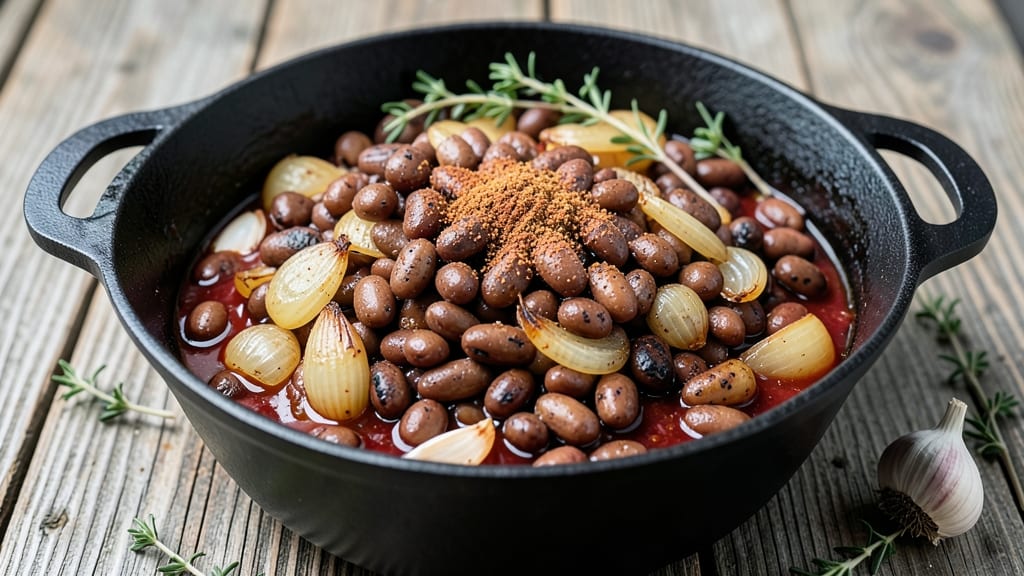
This bean pot beans recipe transforms humble dried beans into a rich, smoky stew that deepens in flavor with every passing hour. The secret lies in slow simmering, where aromatics like onions, garlic, and smoked paprika infuse the broth until the beans become tender yet hold their shape.
I first discovered this method while researching traditional Southern cooking techniques, and it quickly became a staple in my kitchen.
The beauty of this recipe is its versatility—whether you prefer classic navy beans, hearty pinto beans, or a mix of both, the result is a hearty, vegetarian-friendly dish that pairs perfectly with roasted meats or crusty bread.
The 30-minute prep followed by 2-3 hours of simmering ensures maximum flavor development, making it ideal for meal prep or weekend cooking projects. No pressure cooker required, though one can cut the time in half if you're short on patience.
What you'll end up with is a deeply savory stew with a velvety texture and layers of smoky, caramelized flavors that only improve overnight. The beans absorb the rich broth, becoming tender yet retaining their structure, while the spices create a harmonious balance of warmth and earthiness.
This isn't just a side dish—it's a complete meal that satisfies on its own.
Serve it as a standalone dish with a sprinkle of fresh herbs or as a complement to grilled proteins. The leftovers, if there are any, taste even better the next day—proof that slow cooking truly transforms simple ingredients into something extraordinary. Let's get started on creating this timeless classic.
Ingredients for bean pot beans
Sixteen simple ingredients for a stew that tastes even better the next day.
| Ingredient | Amount | Notes |
|---|---|---|
| Dried Navy Beans 🌱 | 2 cups | Unsoaked, rinsed thoroughly |
| Yellow Onions 🧅 | 2 whole | Medium size, diced finely |
| Garlic Cloves 🧄 | 6 cloves | Fresh, minced finely |
| Smoked Paprika 🌶️ | 2 tbsp | High-quality, not smoked paprika blend |
| Ground Cumin 🌿 | 1 tbsp | Freshly toasted preferred |
| Dried Thyme 🌿 | 1 tsp | Or 1 tbsp fresh thyme |
| Bay Leaves 🌿 | 2 whole | Fresh or dried, standard size |
| Extra-Virgin Olive Oil 🫒 | ¼ cup | High quality, fruity flavor |
| Vegetable Broth 💧 | 4 cups | Low-sodium preferred |
| Tomato Paste 🍅 | 2 tbsp | Smooth, no sugar added |
| Apple Cider Vinegar 🍎 | 1 tbsp | For tangy depth |
| Kosher Salt 🧂 | 1 ½ tsp | Diamond Crystal preferred |
| Black Peppercorns 🌶️ | ½ tsp | Freshly cracked |
| Fresh Parsley 🌿 | ¼ cup | Chopped, for garnish |
| Dried Pinto Beans 🌱 | 1 cup | Optional, for texture variation |
The beans are the foundation, so don't skimp. Navy beans are classic, but I often mix in pinto beans for extra heartiness. For the best quality, grab dried beans from Whole Foods bulk bins or a specialty grocer—those pre-soaked cans just can't compete. The onions and garlic need to caramelize properly, so take your time with them. If you're in a rush, Trader Joe's has pre-minced garlic that works in a pinch, but fresh is always better. The smoked paprika is non-negotiable—Penzeys or McCormick are solid choices, but avoid blends with fillers.
No smoked paprika? Substitute with liquid smoke (½ tsp) plus extra cumin. Fresh thyme is ideal, but dried works at one-third the amount. The vegetable broth can be homemade or a quality store-bought like Pacific Foods. For the tomato paste, those little squeeze tubes from Trader Joe's are perfect—they're mess-free and keep forever. The apple cider vinegar adds a nice tang, but red wine vinegar works too. If you're making this ahead, skip the fresh parsley until serving—it'll wilt in the stew.
This stew only gets better with time. The flavors meld beautifully overnight, so make a double batch if you can. Keeps for 5-6 days in the fridge or 3 months frozen. I like to portion it into containers so I can grab a serving for lunch all week. For freezing, cool it completely first to prevent ice crystals. The beans will soften further when reheated, so don't over-soak them initially—just rinse and go. If you're short on time, a pressure cooker cuts the time to 45 minutes, but the flavor won't be as deep.
Why You'll Love This Recipe
- Smoky Depth Magic: That smoked paprika and cumin combo? It turns simple beans into something rich and complex. The onions caramelize just enough to add sweetness, while the garlic lingers like a warm hug.
- Meal Prep MVP: Make a big batch on Sunday, and you’ve got lunches for the week. Serve them cold in wraps, reheated over rice, or straight from the pot—no one will guess they’re from last Sunday’s dinner.
- Budget Win: Dried beans are my wallet’s best friend. A pound feeds four, costs pennies, and keeps for months. Honestly, I’ve made this recipe for years, and my grocery bill hasn’t complained once.
Step-by-step instructions for bean pot beans recipe
This smoky, savory stew builds depth with time—here's exactly how to make it shine.
Sauté the Aromatics Until Fragrant
Heat the 0.25 cup extra-virgin olive oil in a large Dutch oven over medium heat. Add the 2 whole yellow onions and cook for 5 minutes, stirring occasionally, until they become translucent and just beginning to soften. This is where the flavor foundation takes shape.
Add the 6 cloves minced garlic cloves, 2 tbsp smoked paprika, 1 tbsp ground cumin, and 1 tsp dried thyme. Stir constantly for 1-2 minutes until the garlic releases its aroma and the spices bloom. The kitchen should fill with an earthy, toasty scent—this is your cue that the aromatics are properly developed. If the spices darken too quickly, reduce the heat slightly to prevent burning.
Build the Flavor Base
Stir in the 2 tbsp tomato paste and cook for 1 minute, allowing it to darken slightly and deepen in color. This step creates a rich, concentrated flavor that will carry through the entire stew. Next, pour in the 1 tbsp apple cider vinegar and let it simmer for 30 seconds—this adds a bright, tangy contrast that balances the smokiness.
Add the 2 whole bay leaves and pour in the 4 cups vegetable broth. Bring the mixture to a gentle simmer, then reduce the heat to low. Here's the thing—this is where patience pays off. Let the broth infuse with the spices for 5 minutes before adding the beans, allowing all those flavors to meld together into a cohesive base.
Cook the Beans Low and Slow
Add the 2 cups dried navy beans and 1 cup dried pinto beans to the pot. The beans should be fully submerged—if not, add a splash of water to cover them completely. Stir well, then bring the mixture back to a simmer. This is where the magic happens: cover the pot and maintain a gentle simmer for 1.5 to 2 hours, stirring occasionally to prevent the beans from sticking to the bottom.
After the initial 1 hour, check the beans for doneness. They should be tender but still hold their shape—if they're falling apart, they've cooked too long. If they're still firm, continue cooking. The beans will continue to absorb flavor as they cook, so don't rush this step. The longer they simmer, the more the spices penetrate and the richer the stew becomes.
Season and Finish
Once the beans are tender, stir in the 1.5 tsp kosher salt and 0.5 tsp freshly cracked black peppercorns. Taste the stew and adjust the seasoning if needed—this is your chance to balance the flavors. The beans should be perfectly seasoned, with a deep, smoky, and slightly tangy profile.
Remove the 2 whole bay leaves and stir in the 0.25 cup chopped fresh parsley. This adds a fresh, bright note that cuts through the richness of the stew. Let the stew simmer uncovered for an additional 10 minutes to allow any excess moisture to evaporate and the flavors to concentrate. The final texture should be thick and hearty, with beans that are tender but still hold their shape.
Rest and Serve
Transfer the stew to a serving dish and let it rest for 10 minutes before serving. This resting period allows the flavors to fully meld and the stew to thicken slightly as it cools. Serve it warm, with crusty bread to soak up every last bit of that smoky, savory goodness.
The beauty of this stew is that it tastes even better the next day, as the flavors continue to develop and deepen. Store any leftovers in an airtight container in the refrigerator for up to 4 days, or freeze for up to 3 months. Reheat gently on the stove, adding a splash of water or broth if needed to restore the desired consistency.
Pro Tips For Making Bean Pot Beans
- Soak Overnight, Not Just Hours: Navy beans are stubborn—rushing the soak (even with hot water) leaves them gummy. I learned this the hard way after serving mushy beans that split under pressure. Cover them in cold water for 8+ hours; they’ll plump up evenly and cook in about 45 minutes instead of dragging for hours.
- Sweat Onions Low and Slow: High heat burns onions before they soften, and you’ll end up with bitter, charred bits in your beans. Keep the heat at a simmer (not sizzle) for 8–10 minutes—just until they’re translucent and the edges start to caramelize. This builds flavor without turning your pot into a smoky disaster.
- Toast Spices Before Adding: Smoked paprika and cumin lose their punch if you toss them in raw. Dry-toast them in the pot for 30 seconds until fragrant—you’ll smell it, and your beans will taste like they’ve been simmering for days, not minutes. (Yes, even if you’re impatient like me.)
- Skim the Foam Early: The first 15 minutes of cooking navy beans produce a layer of starchy foam that clouds the broth. Lift it off with a spoon now, not later—it’s easier to remove before it thickens into a gluey mess. Your beans will stay bright and the flavor won’t get muddled. (Your future self will thank you.)
Serving suggestions for this recipe
Bread Pairings
Crusty sourdough is my go-to for this stew—its tangy crumb contrasts beautifully with the smoky beans. I like to toast thick slices until golden and serve them on the side for dipping.
For a heartier option, try rustic whole-grain bread from Breads Bakery—its dense texture holds up well to the thick stew. 🥖
Cheese Toppings
Melted sharp cheddar adds richness that complements the smoky flavors. I shred Cabot Clothbound Cheddar and sprinkle it on top before serving, letting guests melt it themselves. For a vegetarian twist, try aged Gouda or crumbled feta—both add a salty contrast that brightens the dish.
Fresh Garnishes
Brighten the stew with fresh herbs at the table. I always add chopped parsley and a sprinkle of red pepper flakes for color and heat. For extra freshness, try cilantro or a drizzle of hot honey—the sweetness balances the smokiness perfectly.
Protein Additions
Turn this into a complete meal by adding grilled chicken or crispy bacon. I like to serve it with smoked sausage slices or shredded rotisserie chicken. For a vegetarian option, top with crumbled tempeh or marinated tofu for added protein and texture.
Side Dish Harmony
Pair this stew with simple sides that won’t compete. A crisp green salad with lemon vinaigrette cuts through the richness, while roasted Brussels sprouts add a caramelized contrast. For a Southern-inspired spread, serve with cornbread and collard greens for a full meal.
Presentation Tips
Serve the stew in a deep, rustic bowl to highlight its hearty texture. Garnish with a drizzle of olive oil and extra smoked paprika for a professional touch. For a cozy vibe, add a sprinkle of flaky sea salt like Maldon—it elevates the flavors instantly. 💫
Nutrition facts
Frequently asked questions
Can I use canned beans instead of dried beans?
While you can substitute canned beans, the flavor won't be as rich. Dried beans absorb the smoky spices better over time. If using canned, drain and rinse them well, then simmer in the broth for 30 minutes to let them absorb the flavors. For best results, stick with dried beans—they create that deep, velvety texture this recipe is known for.
How do I make this recipe vegetarian?
This recipe is already vegetarian! The base is plant-based, but you can boost protein by adding crumbled tempeh or marinated tofu when serving. For extra richness, stir in 1 tbsp nutritional yeast during the final 10 minutes of cooking—it adds a cheesy, umami depth without animal products.
Why do my beans turn mushy?
Overcooking is the most common cause. Check beans after 1 hour of simmering—they should be tender but still hold their shape. If they're mushy, they've absorbed too much liquid. To fix it, remove the pot from heat and stir in 1-2 tablespoons of tomato paste or 1 teaspoon of cornstarch mixed with water to thicken the broth. Avoid stirring vigorously while cooking to prevent breaking the beans.
Can I make this in a slow cooker?
Combine all ingredients in your slow cooker and cook on low for 6-7 hours or high for 3-4 hours. The slow cooker's gentle heat enhances the smoky flavors even more. Just add ½ cup extra broth since slow cookers evaporate more liquid. Stir occasionally to prevent sticking—this is the perfect hands-off method for busy days.
What's the best way to reheat leftovers?
Gently reheat on the stove over low heat with 2-3 tablespoons of water or broth to restore moisture. Stir frequently to prevent scorching. Microwaving works too—heat in 1-minute intervals, stirring between each, until warmed through. Never reheat directly from the fridge to high heat, or the beans may turn rubbery. The flavors actually improve overnight, so leftovers taste even better!