
Side Dishes
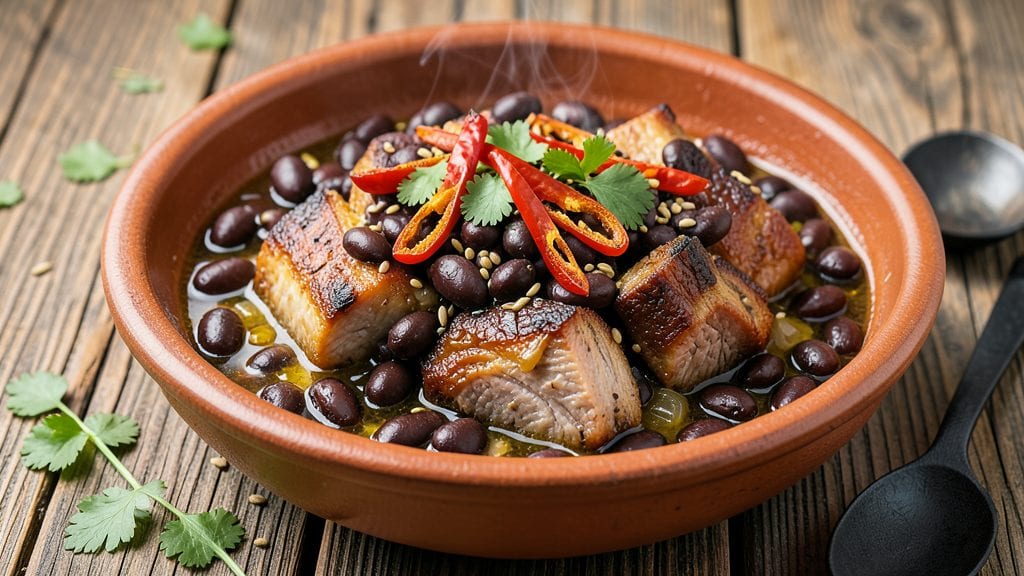
This Baracho beans recipe brings the soulful flavors of Latin America to your dinner table with its deep, smoky richness and tender pork simmered alongside black beans. The dish, rooted in tradition, marries hearty ingredients like garlic, cumin, and ají into a stew that’s as comforting as it is flavorful.
I’ve perfected this version to deliver a foolproof method that stays true to its cultural roots while adapting to home kitchens.
The beauty of Baracho beans lies in its simplicity and depth—just a few key ingredients transform into a dish that’s both rustic and refined. The pork tenderizes as it simmers, absorbing the aromatic spices, while the black beans soften into a creamy, velvety texture.
This recipe delivers restaurant-quality results with minimal effort, making it perfect for weeknight dinners or special gatherings.
What sets this dish apart is the balance of smoky, spicy, and savory notes that create a complex flavor profile in every bite. The slow simmering allows the flavors to meld together, resulting in a stew that’s rich, hearty, and deeply satisfying.
Whether served with rice, warm tortillas, or crusty bread, Baracho beans are a versatile centerpiece that elevates any meal.
Traditionally, this dish is a staple in Latin American cuisine, often prepared for celebrations or family meals. The addition of ají (a chili pepper) adds a subtle heat, while the cumin and garlic provide warmth and depth.
This recipe stays true to those traditions while offering flexibility for modern kitchens. Let’s get cooking!
Ingredients for baracho beans
Hearty black beans and tender pork shoulder create a smoky, aromatic stew that's both rustic and refined.
| Ingredient | Amount | Notes |
|---|---|---|
| Dry Black Beans 🌱 | 1 ½ cups | Unsoaked, rinsed thoroughly |
| Pork Shoulder 🥓 | 1 ½ lb | Bone-in, cut into 1-inch cubes |
| Ají Charapita Pepper 🌶️ | 1 whole | Dried, or substitute 1 tbsp ají powder |
| Ground Cumin 🌿 | 1 tbsp | Freshly toasted for depth |
| Garlic Cloves 🧄 | 6 cloves | Peeled, lightly crushed |
| Onion 🧅 | 1 whole | Yellow or red, chopped |
| Tomato Paste 🍅 | 2 tbsp | High-quality, no additives |
| Bay Leaves 🍃 | 2 whole | Fresh or dried |
| Olive Oil 🫒 | ½ cup | Extra-virgin for richness |
| Beef Broth 💧 | 3 cups | Low-sodium preferred |
| Salt 🧂 | 1 ½ tsp | Kosher or sea salt |
| Black Pepper 🌶️ | ½ tsp | Freshly ground |
| Cumin Seeds 🌿 | ½ tsp | Optional, for extra aroma |
| Fresh Cilantro 🌿 | ¼ cup | Chopped, for garnish |
| Lime 🍋 | 1 whole | Juiced, for brightness |
The pork shoulder is the backbone of this dish—bone-in for extra flavor and texture. Look for cuts with good marbling at your local butcher shop or the meat department of Whole Foods or Costco. If you can't find ají charapita, ají amarillo powder or even a pinch of smoked paprika will work in a pinch, though the authentic flavor is worth seeking out. The black beans should be dry, not canned—this ensures they soak up the rich broth and spices perfectly. Rinse them well before adding to remove any dust or debris, which can make the stew cloudy.
No ají pepper? Aji powder or smoked paprika at half the amount will mimic the smoky depth, though it won’t have the same fruity heat. The cumin seeds are optional but add an extra layer of warmth—toast them lightly in a dry pan before grinding for the best flavor. For the tomato paste, avoid the squeeze tubes—they often contain additives that can make the stew taste artificial. If you’re short on time, pre-minced garlic works, but freshly crushed cloves release more aroma. The onion should be yellow or red—white lacks the sweetness that balances the spices.
This stew tastes even better the next day as the flavors meld together. Store leftovers in an airtight container in the fridge for up to 5 days, or freeze for 3 months. The pork will continue to tenderize over time, so reheat gently on the stove with a splash of broth. For serving, garnish with fresh cilantro and a squeeze of lime—this brightens the dish and adds a pop of color. The beans and pork reheat beautifully, making this a perfect meal-prep dish for busy weeks.
Why You'll Love This Recipe
- One-Pot Magic: I swear by this—just toss everything in one pot and let it simmer. The pork shoulder melts into tender shreds while the beans soak up all that smoky charapita heat, no extra dishes in sight.
- Taste Like a Feast: That ají charapita pepper? It’s the secret—sweet, fruity, and just spicy enough to linger. The cumin and garlic cloves turn this into something that tastes like a Sunday dinner, not a weeknight fix.
- Leftover Goldmine: Between us, this dish begs to be made in bulk. The flavors deepen overnight, and reheating? Just a splash of water, a quick stir—boom, restaurant-quality seconds. My freezer’s full of it.
- Budget Hero: Pork shoulder stretches for miles, black beans cost pennies, and a single pepper lasts for ages. Honestly, I make this when I’m pinching pennies, and no one ever guesses how cheaply I fed them.
Step-by-step instructions for smoky black bean and pork stew
Here's the method for building rich, smoky flavors layer by layer.
Sauté the Aromatics and Pork Shoulder
Heat the 0.5 cup olive oil in a large Dutch oven over medium-high heat. Add the 1 whole onion and 6 cloves garlic cloves, cooking for 5 minutes until the onion softens and becomes translucent. You'll smell the garlic deepen as it releases its aroma.
Push the aromatics to one side of the pot and add the 1.5 lb pork shoulder cut into 1-inch cubes. Let the pork sear undisturbed for 3-4 minutes until it develops a golden crust. This initial browning creates depth of flavor that carries through the entire dish. Stir occasionally to ensure even browning on all sides.
Build the Flavor Base
Add the 1 whole ají charapita pepper (or substitute 1 tbsp ají powder), 1 tbsp ground cumin, 0.5 tsp cumin seeds, 2 tbsp tomato paste, 1.5 tsp salt, and 0.5 tsp black pepper to the pot. Stir well to coat the pork and onions in the spiced mixture. Cook for 2 minutes until the tomato paste darkens slightly and the spices release their fragrance.
Here's the thing—don't rush this step. The spices need time to bloom and meld with the pork's natural juices. You'll see the mixture become more aromatic as the flavors develop. This is where the stew's signature smoky depth begins to form.
Simmer the Beans and Broth
Pour in the 3 cups beef broth and scrape up any browned bits from the bottom of the pot. Add the 1.5 cups dry black beans (rinsed thoroughly) and 2 whole bay leaves. Bring the mixture to a boil, then reduce heat to low and cover partially. Let it simmer for 1 hour, stirring occasionally to prevent sticking.
After 1 hour, check the beans for tenderness. They should be mostly soft but still have a slight bite. If they're not quite tender, continue simmering uncovered for another 30-45 minutes, adding ½ cup water if needed to maintain the proper consistency. The stew should reduce slightly, allowing the flavors to concentrate.
Finish with Fresh Herbs and Brightness
Once the beans are tender and the pork is fork-tender, remove the bay leaves. Stir in the 0.25 cup fresh cilantro and juice of the 1 whole lime. Taste and adjust seasoning if needed—this is your chance to balance the flavors. The lime juice adds a bright contrast to the rich, smoky stew.
Let the stew rest for 10 minutes before serving. This resting period allows the flavors to meld completely and the pork to reabsorb any juices. Serve warm, accompanied by warm tortillas or crusty bread to soak up every last bit of the flavorful broth.
Pro Tips For Making Baracho Beans
- Soak Beans Overnight: I learned this the hard way—rushing the soak means tough, mealy beans. Use 4 cups water per pound of dry black beans, let them sit 12+ hours, then drain. The longer they soak, the creamier the final texture, especially when simmering with pork.
- Brown the Pork First: After burning three batches, I finally figured out the pork shoulder needs a good sear. Cut it into 1.5-inch chunks, then brown in batches over medium-high heat with 1 tablespoon oil per batch. This locks in flavor and prevents the stew from tasting like raw meat.
- Toast the Cumin: Sounds weird, but it works: dry-toast the ground cumin in a separate pan for 30 seconds until fragrant. This deepens the earthy notes—skip it, and the flavor will feel flat, especially when paired with the smoky ají charapita.
- Simmer Low and Slow: Start hot, finish low. Bring the beans to a boil for 10 minutes to kill anti-nutrients, then drop heat to a bare simmer (tiny bubbles, no splashing). Cover and cook 2–3 hours—rushing this step turns the beans mushy instead of tender.
Dietary considerations for baracho beans
Gluten-Free Adaptation
Baracho beans are naturally gluten-free, but always double-check your ingredients. The key is ensuring your broth, spices, and tomato paste are certified gluten-free. I use Annie’s Organic Low-Sodium Vegetable Broth and Kraft Tomato Paste (check labels), as both are commonly gluten-free.
The pork and beans themselves are safe, but cross-contamination can occur if using shared utensils or surfaces. 🌱
Vegetarian Option
Swap the pork shoulder for extra-firm tofu or mushrooms (like portobello or cremini) for a meaty texture. I press and pan-fry 1 block (14 oz) extra-firm tofu in 1 tbsp olive oil with 1 tsp smoked paprika before adding it to the stew.
For mushrooms, slice 8 oz into thick pieces and sauté until golden. Both work beautifully while maintaining the dish’s hearty profile.
Low-Carb Adjustments
To reduce carbs, skip the beans and increase the pork portion to 2 lbs. Use cauliflower rice (about 3 cups) instead of traditional rice for serving. The cauliflower absorbs the stew’s flavors wonderfully.
I also add ½ cup diced zucchini to the stew during the last 15 minutes of cooking for extra nutrients without many carbs. 💪
Allergen Awareness
This recipe contains pork, so it’s not suitable for those avoiding pork. For nut allergies, ensure your spices (like cumin) are processed in nut-free facilities. If using ají powder, verify it’s made in a dedicated facility if cross-contamination is a concern.
Always label your dish clearly for guests with dietary restrictions.
Protein Swaps
For chicken lovers, replace the pork with 1.5 lb boneless, skinless chicken thighs (they stay juicier than breasts). If you prefer seafood, use 1 lb shrimp or firm white fish like cod, adding them in the last 10 minutes of cooking to avoid overcooking.
For a vegetarian protein, lentils (1 cup) add heartiness—simmer them with the beans for 20 minutes before adding the broth.
Meal Prep Tips
This dish reheats beautifully, making it perfect for meal prep. Store in airtight containers in the fridge for up to 5 days or freeze for 3 months.
When reheating, add 2-3 tbsp broth to prevent drying. I like to portion it into mason jars for easy grab-and-go lunches—just shake to redistribute flavors before eating. ✨
Nutrition facts
Frequently asked questions
What makes Baracho beans different from other bean stews?
The signature elements are the ají charapita pepper (or ají powder) and the slow-cooked pork shoulder, which infuses the beans with deep, smoky flavors. Unlike many bean dishes, Baracho beans rely on a rich, aromatic base of cumin, garlic, and tomato paste that creates a complex, layered taste profile. The dish also traditionally includes bay leaves for subtle earthy notes.
Can I substitute ají charapita pepper with something else?
Yes! If you can't find ají charapita, use 1 tbsp ají amarillo powder or ½ tsp smoked paprika for a similar smoky depth. For a milder option, ½ tsp chipotle powder works well too. Just remember that authentic ají charapita offers a unique fruity heat that's hard to replicate perfectly. The key is balancing the spices to maintain the stew's signature richness.
How do I know when the pork is fully cooked in the stew?
The pork should be fork-tender with no pink remaining in the center. For bone-in pork shoulder, the meat should easily pull apart at the bone. If using pre-cut pork, cook until the internal temperature reaches 165°F. Always let the stew rest for 10 minutes after cooking to allow the juices to redistribute—this ensures perfectly tender meat.
Why did my beans turn out mushy instead of creamy?
Overcooking or using too much liquid causes mushy beans. The beans should simmer until tender but still hold their shape—aim for 1-1.5 hours total. If the stew seems too thin, reduce it uncovered for 10-15 minutes to concentrate the flavors. Also, ensure you're using dry beans (not canned) and rinsing them thoroughly before cooking.
What's the best way to serve Baracho beans?
This hearty stew pairs perfectly with warm tortillas, steamed white rice, or crusty bread for soaking up the flavorful broth. For extra brightness, serve with a side of avocado slices or a simple lime crema> (mix sour cream with lime juice and cilantro). The contrast of textures and temperatures makes each bite even more satisfying.