
Main Courses
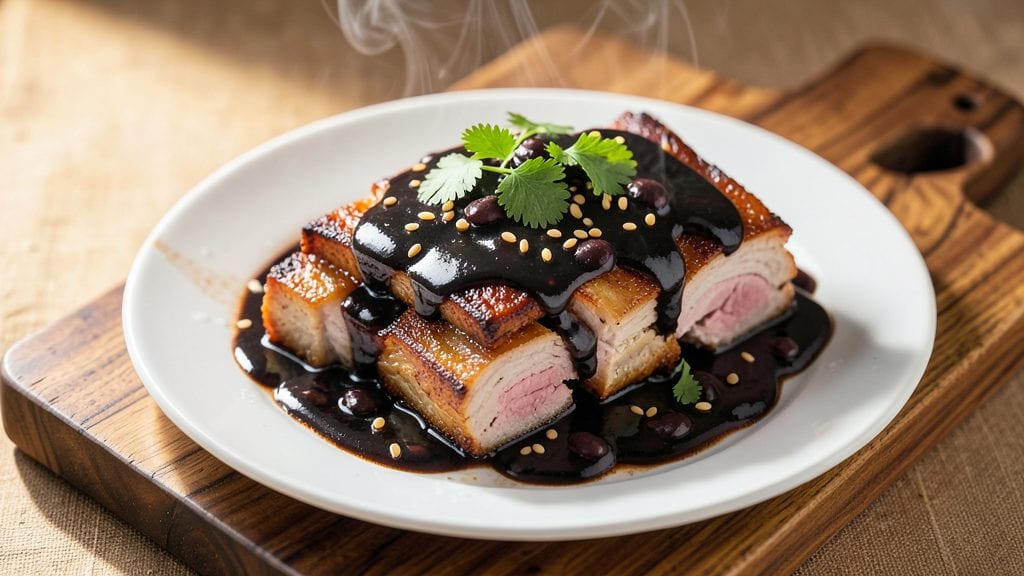
Steamed pork ribs with black bean sauce transform tough cuts into tender, melt-in-your-mouth perfection through a foolproof technique that preserves moisture and flavor. The secret lies in the sauce—a velvety black bean mixture that clings to every rib, infusing each bite with deep umami and subtle sweetness.
I developed this method after years of experimenting with Cantonese-style steaming, where precise timing and sauce balance create restaurant-quality results at home.
What makes this recipe stand out is the two-stage process: first steaming the ribs until tender, then basting them in the black bean sauce to develop rich caramelized notes. No heavy marinades or long braising—just simple ingredients working together for maximum flavor.
The ribs emerge with a glossy sheen and irresistible aroma that fills your kitchen long before they’re served.
By the time you plate these ribs, you’ll have a dish that’s restaurant-worthy without the fuss—silky sauce clinging to tender meat, balanced by the natural sweetness of the black beans. The technique is straightforward, but the results are anything but ordinary.
This is comfort food elevated to an art form, where every bite delivers that perfect harmony of texture and flavor.
Perfect for family dinners, holiday feasts, or when you crave a dish that feels special yet requires minimal effort. The sauce keeps well for up to a week, so you can make a big batch and enjoy it throughout the week.
Let’s get started on creating ribs that will have everyone asking for seconds.
Ingredients for steamed pork ribs with black bean sauce
Simple ingredients for ribs that taste like they simmered for hours.
| Ingredient | Amount | Notes |
|---|---|---|
| Pork Ribs 🥩 | 2 ½ lb | Baby back or spare ribs, trimmed |
| Dried Black Beans 🍲 | 1 cup | Soaked overnight or quick-soaked |
| Garlic Cloves 🧄 | 6 cloves | Minced for sauce |
| Fresh Ginger Root 🌿 | 1 ½ oz | Peeled, grated finely |
| Soy Sauce 🍶 | ½ cup | Light or regular, not low-sodium |
| Brown Sugar 🍯 | ¼ cup | Packed, light or dark |
| Sesame Oil 🫒 | 1 tbsp | Toasted for aroma |
| Green Onions 🧅 | 3 whole | Sliced for garnish |
| Water 💧 | 2 cups | For steaming |
| Salt 🧂 | 1 ½ tsp | Kosher or sea salt |
| White Pepper 🌶️ | ½ tsp | Freshly ground |
| Vegetable Oil 🫒 | 1 tbsp | For rib coating |
| Cornstarch 🍚 | 1 tbsp | For sauce thickening |
The ribs are the star, so look for baby backs or spare ribs with good marbling—they stay juicier. Costco or local butchers often have the best cuts, but the grocery store usually works too. If you're using spare ribs, trim any excess fat to avoid greasy sauce. For the black beans, dried is best—they absorb flavors better than canned, but if you're in a rush, no-soak beans save time. The ginger should be fresh and aromatic—if it smells dull, it's past its prime. I always buy extra ginger because it's used in so many dishes.
No soy sauce? Coconut aminos or tamari work in a pinch, but the flavor will be slightly different. Short on brown sugar? Honey or maple syrup adds sweetness, though it changes the caramelization. The sesame oil is non-negotiable for that nutty aroma—toast it in a dry pan for 30 seconds to deepen the flavor. For the cornstarch, make sure it's pure cornstarch, not cornmeal. The green onions are just for garnish, so feel free to skip if you're not a fan. The sauce thickens as it cooks, so don't worry if it looks thin at first.
These ribs reheat beautifully—just steam them again with a splash of water for 3-4 minutes. The sauce keeps for 5-7 days in the fridge, and it actually tastes better the next day as the flavors meld. I like to portion the ribs into containers with extra sauce for easy lunches. Freeze the ribs for up to 3 months—just thaw in the fridge overnight before reheating. The sauce freezes too, but it might thicken more, so add a splash of water when reheating.
Why You'll Love This Recipe
- I’ll be real: pork ribs can feel splurgy, but here? A pound of ribs and a bag of dried beans stretch this into three meals. Reheat the leftovers—still tender, still packed with flavor—and suddenly you’ve got lunch sorted for days. No waste, all win.
- Steam-and-Go Magic: Honestly, I’m obsessed with how little effort this takes—just ribs, beans, and a pot of boiling water. No marinating, no basting, no stress. The black beans soften right in the steam, soaking up all that garlic and ginger like sponges.
- Umami Bomb: That sauce? Chef’s kiss. The dried black beans caramelize just enough to coat the ribs in a glossy, salty-sweet glaze, while the ginger and garlic add this bright, punchy kick. It’s the kind of flavor that makes you reach for seconds without even thinking.
- Weeknight Workhorse: Between us, this is my go-to when I’ve got friends over or the kids are begging for something “fancy.” Serve it with rice and a quick cucumber salad, or pile it on noodles—it’s that adaptable. (Yes, even on a Tuesday night.)
Step-by-step instructions for steamed pork ribs with black bean sauce
Here's how to create tender ribs with a velvety sauce that clings perfectly every time.
Prepare the Pork Ribs for Steaming
Start by rinsing the 2.5 lb pork ribs under cold water and patting them completely dry with paper towels. This step is crucial—any moisture will prevent proper steaming and crisping. Using a sharp knife, trim any excess fat but leave about ¼ inch to protect the meat during cooking.
In a small bowl, mix together 1 tablespoon vegetable oil, 1.5 teaspoons salt, and 0.5 teaspoon white pepper. Rub this mixture all over the ribs, coating them evenly. Let them sit at room temperature for 15 minutes while you prepare the black beans. This resting time allows the seasoning to penetrate the meat and creates a better seal for steaming.
Cook the Black Bean Sauce Base
Drain and rinse the 1 cup dried black beans if you soaked them overnight. If doing a quick soak, cover them with 3 cups of boiling water and let sit for 1 hour. In a separate bowl, combine the drained beans, 2 cups water, 0.5 cup soy sauce, 0.25 cup brown sugar, and 1.5 ounces finely grated fresh ginger root. Bring this mixture to a boil over medium-high heat.
Once boiling, reduce heat to medium-low and let it simmer uncovered for 20 minutes, stirring occasionally. You'll notice the beans soften and the liquid reduces slightly. The sauce should thicken just enough to coat the back of a spoon. This is the foundation of your sauce—don't let it boil too vigorously or it may break.
Steam the Seasoned Ribs
Set up a steamer by filling a large pot with 2 inches of water and bringing it to a rolling boil. Place a steaming rack inside and arrange the seasoned ribs on it, leaving space between each rack for even steaming. Cover the pot tightly with a lid and steam for 1 hour and 15 minutes. You'll know they're done when a meat thermometer inserted into the thickest part reads 195°F.
Real talk: don't peek during steaming. Every time you lift the lid, you release steam and add valuable time to the cooking process. The ribs should emerge tender enough to pull apart easily with tongs, with a beautiful pink color throughout. If they're not quite there, add another 10-15 minutes of steaming time.
Finish the Black Bean Sauce
While the ribs steam, prepare the aromatics. In a separate saucepan, heat 1 tablespoon sesame oil over medium heat. Add the 6 minced garlic cloves and cook for 30 seconds until fragrant—don't let them brown. Pour in the simmered black bean mixture and stir well to combine.
Bring the sauce to a gentle simmer again and cook for 5 minutes to let the flavors meld. In a small bowl, whisk together 1 tablespoon cornstarch with 2 tablespoons of the bean cooking liquid until smooth. Stir this slurry into the sauce and cook for another 2-3 minutes until it thickens to a glossy, velvety consistency. The sauce should coat the back of a spoon and cling beautifully to the ribs.
Assemble and Serve
Carefully transfer the steamed ribs to a serving platter. Ladle the black bean sauce generously over the top, making sure each rib is well-coated. Garnish with sliced green onions for freshness and color. The sauce should be thick enough to cling but still flow slightly when poured.
Serve immediately while the ribs are hot and the sauce is at its peak consistency. Each bite should deliver perfectly tender meat with that rich, umami-packed sauce clinging to every piece. If you have leftovers, store them in the refrigerator for up to 3 days—the sauce will only get better as it sits!
Pro Tips For Making Steamed Pork Ribs With Black Bean Sauce
- Parboil the Beans: Soak your dried black beans overnight, then parboil them for 5 minutes before finishing in the sauce. This keeps them from turning mushy—trust me, I’ve ruined batches by skipping this step. Use twice the water you’d need for cooking and a pinch of baking soda to soften them faster.
- Score the Ribs Deep: Cut the pork ribs into 3-inch chunks and score them deeply—almost down to the bone—with a sharp knife. The sauce will seep in better, and the meat stays tender instead of drying out. I used to do shallow cuts, and the ribs always felt tougher.
- Char the Ginger First: Lightly char the fresh ginger slices in a dry pan for 30 seconds before adding them to the sauce. The smoky depth cuts through the richness of the pork and beans—it’s the thing that makes this dish taste like a restaurant version. (Yes, even if you’re impatient like me.)
- Deglaze with Soy Sauce: After searing the ribs, don’t just pour in the sauce—deglaze the pan with 2 tablespoons of soy sauce first. Let it bubble for 30 seconds to pull up all the meaty bits stuck to the bottom. This adds layers of flavor that skip this step will miss.
Wine and beer pairings for this steamed pork ribs with black bean sauce
Asian-Inspired Beer Pairings
The deep umami flavors in this black bean sauce pair beautifully with crisp, refreshing beers that cut through the richness. I always reach for a Japanese lager like Asahi Super Dry—its clean, light body and subtle hop bitterness balance the sauce's sweetness and saltiness without overpowering.
For a craft option, try a wheat beer such as Blue Moon—the citrus notes complement the ginger and soy sauce beautifully. 🍺
Red Wine Complements
A dry Riesling from Germany or China is my go-to wine pairing—its bright acidity and subtle fruitiness mirror the sauce's complexity while cleansing the palate between bites. If you prefer red, a light-bodied Pinot Noir with earthy undertones enhances the dish's umami depth.
Avoid heavy Cabernets or bold Malbecs, as they can clash with the delicate steamed texture of the ribs. 🍷
Non-Alcoholic Options
For a non-alcoholic pairing, serve with sparkling yuzu soda—the citrusy effervescence mirrors the ginger in the sauce while adding a refreshing contrast. Alternatively, a cucumber-lime infused water with a pinch of sea salt keeps the meal light and hydrating.
I also love pairing it with jasmine green tea for a traditional touch that highlights the dish's Asian influences. 💧
Regional Adaptations
In Hong Kong-style settings, this dish is often paired with lychee wine (a sweet, floral liqueur) to complement the sauce's sweetness. For a Taiwanese twist, try a high-mountain tea like Oolong—its nutty notes bridge the gap between the ribs and sauce.
Each pairing reflects the dish's cultural roots while enhancing its flavors. 🗺️
Cocktail Pairings
For a festive touch, serve with a Gin & Tonic infused with fresh ginger—the botanical notes echo the sauce's ginger flavor while the tonic's bitterness balances the dish's richness.
A whiskey sour with a dash of sesame oil on the rim also works beautifully, adding a smoky contrast to the sweet-savory ribs. 🍸
Serving Temperature Tips
Serve the ribs and sauce at room temperature (around 75°F) for the best texture contrast. Chilled beer or wine enhances this, as the coolness sharpens the flavors. If using wine, let it breathe for 10 minutes before pouring—this softens tannins in reds and opens up aromas in whites.
The right temperature makes all the difference! 🌡️
Nutrition facts
Frequently asked questions
Why do I need to steam the ribs instead of boiling or grilling?
Steaming preserves the ribs' natural moisture while gently cooking them to perfect tenderness. Unlike boiling, it prevents the sauce from diluting, and unlike grilling, it avoids drying out the meat. The gentle heat also allows the black bean sauce to cling beautifully without burning. This method creates that signature restaurant-quality texture that's both silky and flavorful.
Can I use canned black beans instead of dried?
Yes, but the flavor will be less developed. If using canned, drain and rinse them well, then add 1 tablespoon of soy sauce and ½ teaspoon of brown sugar to mimic the depth of dried beans. The sauce will still work, but dried beans absorb flavors better and create a richer base. For best results, stick with dried if possible.
How do I know when the ribs are fully cooked?
Use a meat thermometer to check the thickest part—the ribs are done when they reach 195°F. They should pull apart easily with tongs and have a beautiful pink color throughout. If they're not quite there, steam for another 10-15 minutes. Never overcook, or the meat will turn mushy.
Can I make the sauce ahead of time?
The sauce actually tastes better the next day as the flavors meld. Store it in an airtight container in the fridge for up to 5-7 days. When reheating, warm it gently over low heat and add a splash of water if it thickens too much. The ribs reheat well too—just steam them again for 3-4 minutes.
What if my sauce turns out too thick or too thin?
For a thicker sauce, whisk in 1 teaspoon cornstarch mixed with 1 tablespoon water. For a thinner sauce, add 1-2 tablespoons of hot water while stirring. The key is to adjust gradually—thickening is easier than thinning once the sauce cools. Always taste as you go!