
Side Dishes
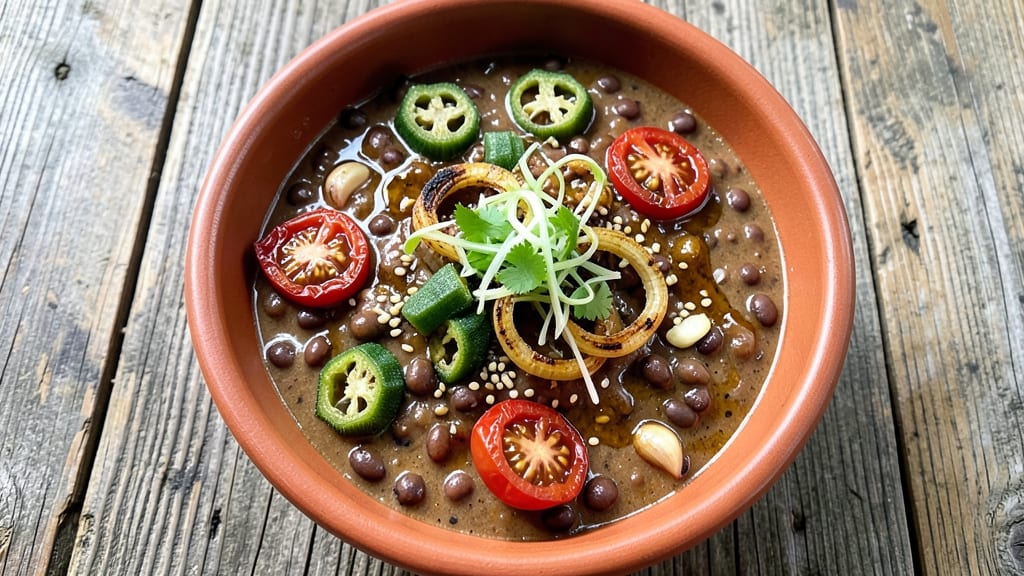
This African beans recipe transforms simple dried beans into a rich, aromatic stew that carries the soul of West African kitchens. The combination of okra, tomatoes, and warm spices creates a dish that's both hearty and deeply satisfying—perfect for those who crave bold flavors without relying on meat.
I developed this version after years of testing regional variations, ensuring it delivers restaurant-quality results at home.
The magic lies in the slow cooking process, where beans soften into tender perfection while absorbing the complex flavors of thyme, curry, and bay leaves. Okra adds a subtle texture that thickens the stew naturally, eliminating the need for thickeners like flour.
This method works equally well with black-eyed peas, kidney beans, or chickpeas, making it adaptable to any pantry.
What you'll end up with is a velvety, spiced tomato-okra stew that pairs beautifully with rice, couscous, or crusty flatbread. The aroma alone will draw everyone to the table, while the flavors—earthy, slightly tangy, and rich—make it a standout dish.
It's the kind of meal that feels special yet simple enough for weeknight dinners.
Best of all, this recipe is naturally vegan-friendly and packed with plant-based protein, making it a great option for health-conscious cooks. Whether you're serving a family meal or bringing a dish to a potluck, this African-inspired bean stew will leave a lasting impression. Let's get cooking!
Ingredients for african beans
Sixteen ingredients blend West African warmth with simple pantry staples for a stew that sings with depth.
| Ingredient | Amount | Notes |
|---|---|---|
| Dried Black-Eyed Peas 🌱 | 1 ½ cups | Rinsed thoroughly before cooking |
| Fresh Okra Pods 🥦 | 1 lb | Trimmed and sliced into 1-inch pieces |
| Roma Tomatoes 🍅 | 4 whole | Crushed by hand for texture |
| Yellow Onion 🧅 | 1 whole | Diced into fine pieces |
| Garlic Cloves 🧄 | 6 cloves | Minced for aromatic depth |
| Fresh Ginger Root 🌿 | 1 tbsp | Grated finely for zing |
| Ground Cumin 🌶️ | 1 tbsp | Toasted for enhanced flavor |
| Ground Coriander 🌿 | 1 tbsp | Freshly ground preferred |
| Dried Thyme 🌿 | 1 tsp | Or 1 tbsp fresh thyme |
| Bay Leaves 🍃 | 2 whole | Removed before serving |
| Curry Powder 🌶️ | 1 tbsp | Mild to medium heat blend |
| Smoked Paprika 🌶️ | 1 tsp | For subtle smokiness |
| Vegetable Bouillon Cube 💧 | 1 whole | Dissolved in hot water |
| Extra-Virgin Olive Oil 🫒 | ¼ cup | For sautéing aromatics |
| Lemon Juice 🍋 | 2 tbsp | Freshly squeezed for brightness |
| Sea Salt 🧂 | 1 ½ tsp | Diamond Crystal preferred |
| Black Peppercorns 🌶️ | ½ tsp | Freshly cracked for heat |
The okra and tomatoes form this stew's heart. Look for fresh okra with vibrant green pods—avoid any with soft spots or yellowing. Roma tomatoes hold their shape better than beefsteak varieties when crushed. For the spices, Penzeys Spices or local African markets offer the most authentic blends, but don't stress if you only find standard ground cumin and coriander. The key is toasting your whole spices (cumin, coriander) in a dry pan for 30 seconds before grinding—this unlocks their potential. Fresh ginger and garlic should smell pungent and vibrant; organic produce from farmers markets often delivers the brightest flavors.
No okra? Substitute 1 cup frozen chopped okra or 2 tbsp cornstarch for thickening, though texture will differ. Short on tomatoes? Two 14.5-oz cans crushed tomatoes work in a pinch, but fresh crushed delivers superior flavor. The vegetable bouillon cube can be replaced with 1 cup vegetable broth plus 1/2 tsp kelp powder for umami depth. For curry powder, Madras or Berbere blends add authentic complexity, but any mild curry will suffice. The smoked paprika can be swapped for regular paprika plus a pinch of liquid smoke if needed. Always taste as you build the flavor base—this is where the magic happens.
This stew improves with time, so cook it at least 4 hours for maximum flavor infusion. Store in airtight containers for 5-6 days in the fridge or freeze for up to 3 months. For meal prep, portion into individual containers with a side of rice—just reheat with a splash of water. The okra thickens as it cools, so you may need to add a splash of water when reheating. Freeze in portions with the lemon juice to preserve brightness. The beans will soften further when reheated, so start with slightly undercooked beans if you prefer them tender.
Why You'll Love This Recipe
- No-Soaking Needed: Honestly, I love that these black-eyed peas just work—no pre-soaking, no fuss. Toss them in boiling water with a bay leaf, and they soften while you chop the onions and tomatoes. The okra? Just slice it fresh—no prepping ahead, no waiting.
- Okra’s Secret Crunch: Between us, that crisp-tender okra is the star. The pods melt just enough to thicken the stew, but they hold their shape—that satisfying bite between the creamy beans and tomatoes. I’ll be real: my kids used to turn up their noses, but now they fight over the last piece.
- Weeknight to Potluck: This dish is my go-to for lazy Mondays and Sunday suppers. Double the batch, and you’ve got leftovers for lunches—just reheat with a splash of water. Bring it to a gathering, and it’s the one dish everyone asks for seconds of. (Yes, even on a Tuesday night.)
- Pantry Magic: I’ll admit, I’ve made this with whatever was in my cupboard—dried peas one week, canned the next. The onions, garlic, and tomatoes carry the flavor, so it’s always solid. Plus, black-eyed peas are dirt cheap, and okra stretches a meal without breaking the bank. Budget-friendly and delicious? That’s a win.
Step-by-step instructions for spiced tomato and okra stew
This method delivers rich, aromatic flavors through precise layering and slow development.
Prepare the Base Ingredients
Rinse the 1.5 cups dried black-eyed peas thoroughly under cold water until the water runs clear. This removes impurities and prevents bitterness in the finished dish. Soak them in a bowl of water for at least 4 hours or overnight—this dramatically reduces cooking time and ensures tender texture. Drain before using.
While the peas soak, trim the 1 lb fresh okra pods by cutting off the stem ends and slicing each pod into 1-inch pieces. Set aside. Crush the 4 whole Roma tomatoes by hand—squeeze them gently to break the skins while keeping the seeds intact. This creates a rustic texture that mimics traditional preparation.
Develop the Aromatic Foundation
Heat the 0.25 cup extra-virgin olive oil in a large Dutch oven over medium heat. Add the 1 whole yellow onion (diced) and cook for 5 minutes until softened and translucent. Stir occasionally to prevent browning. Add the 6 cloves garlic cloves (minced) and the 1 tbsp fresh ginger root (grated) immediately after—they'll cook quickly before burning.
Increase heat to medium-high and toast the 1 tbsp ground cumin and 1 tbsp ground coriander for 30 seconds until fragrant. Add the 1 tsp dried thyme, 1 tbsp curry powder, and 1 tsp smoked paprika, stirring constantly for 1 minute to bloom the spices. This step unlocks their full flavor potential.
Build the Stew Structure
Add the crushed 4 whole Roma tomatoes, 1 lb sliced okra pods, and the drained 1.5 cups soaked black-eyed peas to the pot. Stir well to combine. Pour in 6 cups water and add the 1 whole vegetable bouillon cube (dissolved in ½ cup hot water first). Bring to a gentle boil, then reduce heat to low and simmer uncovered for 45 minutes. Skim off any foam that rises to the surface during the first 10 minutes—this ensures a cleaner broth.
After 45 minutes, check for doneness by tasting a pea. It should be tender but still hold its shape. If needed, continue simmering for another 15 minutes. Add the 2 whole bay leaves and 1.5 tsp sea salt now—this balances the flavors as the stew develops.
Refine and Finish
Remove the bay leaves and adjust seasoning with 0.5 tsp freshly cracked black peppercorns and an additional ½ tsp sea salt if needed. Stir in the 2 tbsp lemon juice—this brightens the dish and cuts through the richness. Simmer uncovered for another 10 minutes to allow the flavors to meld.
For the final touch, taste and make any adjustments: more lemon for acidity, more salt for depth, or a pinch of smoked paprika for warmth. Serve immediately with steamed rice or crusty bread to soak up the flavorful sauce.
Pro Tips For Making African Beans
- SOAK BEANS OVERNIGHT: I used to rush this and wonder why my beans stayed hard no matter how long I cooked them. Dried black-eyed peas need at least 8 hours soaking—just cover them in water, add a pinch of salt, and let them sit. No need to boil them afterward; they’ll soften right in the pot.
- SLICE OKRA LENGTHWISE: Whole okra pods turn mushy and slimy—trust me, I’ve learned this the hard way. Cut them into ½-inch slices before adding them to the pot. This keeps them tender-crisp and lets them cook faster without falling apart.
- SAUTÉ ONIONS LOW AND SLOW: Cranking the heat for onions here just burns them before they caramelize. Cook them on medium-low for 8–10 minutes, stirring often, until they’re golden and sweet—not brown. That’s the base flavor for the whole dish.
- ADD TOMATOES LAST: Tossing in Roma tomatoes too early turns them to mush. Wait until the onions and garlic are fragrant and the beans are nearly tender, then add them whole (or halved) for just 5–7 minutes of cooking. You’ll get bright, jammy pockets of flavor instead of a watery sauce.
Storing and reheating your african beans
Fridge Storage Tips
Transfer your stew to airtight glass containers—I recommend Pyrex with snap-on lids—while still warm to prevent condensation buildup. Store at 40°F or below for up to 5-6 days.
The okra thickens as it cools, so add ¼ cup water when reheating if the texture feels too dense. Always leave ½-inch headspace to allow for expansion. 🥫
Freezer Prep Guide
For long-term storage, portion the stew into quart-sized freezer bags or glass containers with 1-inch headspace. Squeeze out excess air to prevent freezer burn, then label with the date.
This stew freezes beautifully for up to 3 months—the flavors actually deepen over time. Freeze the lemon juice separately and add it fresh when reheating to preserve brightness. ❄️
Reheating Methods
Stovetop method delivers the best texture: heat over medium-low heat with 2 tbsp water for 10-15 minutes, stirring occasionally. For microwave reheating, cover with a damp paper towel and heat in 1-minute intervals at 70% power until reaching 165°F. Always stir well after reheating—the beans absorb moisture differently when cold. 🔥
Texture Adjustments
If your reheated stew is too thick, thin with warm water or vegetable broth (start with 2 tbsp). For extra richness, stir in 1 tbsp peanut butter or 1 tsp tomato paste.
The okra naturally thickens upon cooling, so plan to add liquid before serving if you prefer a looser consistency. Taste as you go—this is where the magic happens! 💡
Meal Prep Strategy
Prepare individual portions in mason jars with a side of rice—just grab and reheat. Store the stew and rice separately to maintain texture. For batch cooking, double the recipe and freeze half.
When ready to serve, thaw overnight in the fridge before reheating. This method keeps the beans perfectly tender and the okra from turning mushy. 📅
Flavor Preservation
To keep your stew tasting fresh, store the lemon juice and bay leaves separately—add them back when reheating. The acidity from lemon brightens reheated dishes, while fresh bay leaves add aromatic depth.
For extra insurance, freeze the stew in ice cube trays (with water) to portion out single servings—just pop what you need into a pot. 💛
Nutrition facts
Frequently asked questions
Can I use canned beans instead of dried for this recipe?
Yes, but with adjustments! Use 2 (15-oz) cans black-eyed peas (drained and rinsed) and reduce the cooking time to 30-45 minutes instead of soaking. Canned beans save time but won't develop the same deep flavor from soaking. For best results, add them after the okra and tomatoes have simmered for 20 minutes to prevent mushiness.
What makes this stew different from other African bean dishes?
This recipe blends West African techniques with a focus on okra and tomato-forward flavors—unlike East African dishes that often use peanuts or East Indian-inspired curry blends. The smoked paprika and thyme create a unique smoky depth, while the okra adds a silky texture that's rare in other regional versions. It's a vegan-friendly take on what you'd find in Nigerian or Ghanaian homes, but simplified for home cooks.
How do I prevent the beans from becoming mushy?
Start with properly soaked beans (4+ hours) and don't overcook—test doneness at 45 minutes by tasting a pea. Use a Dutch oven with plenty of water (6 cups) to prevent sticking. If beans still feel tough, add ½ cup more water and simmer uncovered. Skim foam in the first 10 minutes to keep broth clean, which helps maintain bean integrity.
Can I make this gluten-free or nut-free?
This recipe is naturally gluten-free and nut-free—just verify your bouillon cube and spices for hidden additives. For extra umami without peanuts, stir in 1 tbsp tomato paste or ½ tsp nutritional yeast when finishing. The recipe already avoids common allergens, making it safe for most dietary restrictions while keeping the authentic African flavors intact.
What's the best way to serve this stew?
Pair it with steamed jasmine rice or couscous to soak up the flavorful sauce, or serve with warm injera (Ethiopian flatbread) or crusty sourdough. For a complete meal, add a side of collard greens or spinach sautéed with garlic. The stew also works beautifully as a filling for vegan wraps or over mashed sweet potatoes for a heartier dish.