
Side Dishes
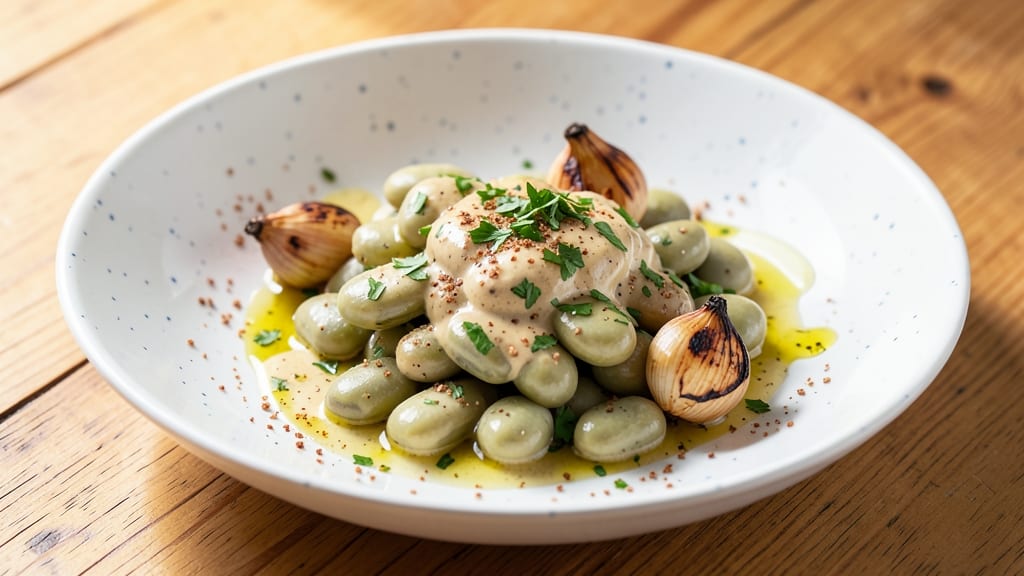
This canned lupini beans recipe transforms simple beans into a Mediterranean hummus twist, delivering a crunchy, protein-packed side dish that rivals traditional chickpea spreads. These underrated legumes bring a nutty, slightly bitter depth that pairs beautifully with lemon zest and tahini, creating a texture that’s both satisfying and unexpected.
I first discovered lupini beans while exploring Greek tavernas, where they’re often served simply with olive oil and herbs—but this hummus version elevates them into something truly special.
The beauty of this recipe lies in its simplicity: just 10 minutes of blending transforms canned lupini beans into a velvety, crunchy spread with a Mediterranean flair.
Unlike standard hummus, lupini beans add a unique texture—crispy when roasted or creamy when blended—while delivering a protein boost that keeps you full. The secret? Roasting the beans lightly before blending intensifies their natural flavors and adds that coveted crunch.
What you’ll end up with is a vibrant, nutrient-dense dip that’s perfect for stuffing into pita, pairing with roasted vegetables, or serving as a bold alternative to classic hummus. The lemon and garlic brighten the earthy lupini, while tahini binds everything together into a smooth yet textured masterpiece.
This isn’t just a side dish—it’s a flavor experience that turns a simple pantry staple into something extraordinary.
Pair it with warm flatbread, grilled halloumi, or fresh cucumber slices for a complete Mediterranean meal. The best part? It keeps well in the fridge for up to 5 days, making it ideal for meal prep or entertaining. Let’s get blending!
Ingredients for canned lupini beans
Pantry staples meet Mediterranean magic—just 12 ingredients for a hummus twist that’s bold and crunchy.
| Ingredient | Amount | Notes |
|---|---|---|
| Canned Lupini Beans (Drained) 🌱 | 15 oz | Rinsed thoroughly for best texture |
| Tahini 🥜 | ½ cup | Sesame paste for creaminess |
| Extra-Virgin Olive Oil 🫒 | ¼ cup | Light, fruity variety preferred |
| Fresh Lemon Juice 🍋 | 2 tbsp | Freshly squeezed, no pulp |
| Garlic Cloves 🧄 | 2 cloves | Peeled, roasted for depth |
| Ground Cumin 🌿 | ½ tsp | Toasted for aromatic warmth |
| Sea Salt 🧂 | ¾ tsp | Diamond Crystal preferred |
| Fresh Lemon Zest 🍋 | 1 tbsp | Brightens the earthy lupini |
| Cold-Pressed Water 💧 | ¼ cup | Adjusts consistency as needed |
| Toasted Sesame Seeds 🌾 | 1 tbsp | For garnish and crunch |
| Fresh Cilantro Leaves 🌿 | ¼ cup | Chopped, for freshness |
| Smoked Paprika 🌶️ | ¼ tsp | Adds subtle smokiness |
Lupini beans are the star here, so grab the best quality canned variety you can find—Greek or Italian brands at specialty stores or well-stocked grocery sections like Whole Foods or Trader Joe's have the most flavorful options. The beans should be plump, not shriveled, and ideally packed in water, not brine. If you can’t find them fresh, canned is totally fine—just rinse them well to remove any excess sodium. Tahini matters too: Kirkland or Whole Foods 365 are solid budget picks, but Biona or Al-Wadi add that extra depth. Roast the garlic and beans together for 10 minutes at 400°F—this step is non-negotiable for that nutty, caramelized flavor.
No tahini? Substitute with 0.5 cup cashew butter—it’s thicker but works in a pinch. Short on lemon? Lime juice at the same amount gives a tangy twist. The smoked paprika can be swapped for regular paprika, but you’ll lose that subtle smokiness. For extra crunch, toast the sesame seeds in a dry pan until golden—it takes 2 minutes but makes all the difference. The cilantro is optional but adds freshness; if you skip it, extra lemon zest brightens things up. Need it thicker? Add 1 tbsp more tahini. Too thin? Stir in 1 tsp more lupini beans.
This hummus keeps beautifully—5 days in the fridge sealed tightly in an airtight container. The flavors actually improve overnight as everything melds. For meal prep, portion into small jars or containers so you can grab and go. The roasted garlic and sesame seeds lose crunch over time, so add them fresh when serving. Freezes for 3 months if you want to make a big batch, but the texture gets slightly softer after thawing. Serve with warm pita, roasted veggies, or as a dip for crudités—it’s that versatile.
Why You'll Love This Recipe
- Five-Ingredient Magic: The moment I realized this recipe only needs tahini, olive oil, lemon, and garlic—plus the beans—was a game-changer. No chopping, no measuring cups, no stress. Just open, mix, and devour.
- Tahini-Lemon Bliss: That first bite? Creamy tahini meets bright lemon juice, with garlic cloves adding a sharp, warm punch. It’s like a Mediterranean hug in your mouth—savory, tangy, and just a little nutty.
- Meal Prep MVP: I make a big batch on Sundays and keep it in the fridge for snacks, salads, or even as a quick hummus swap. It stays fresh for days, and honestly? The more it sits, the better it tastes.
- Budget Brightener: Lupini beans are cheap, shelf-stable, and packed with protein—way better than pricey chickpeas for this. Plus, tahini stretches further than you’d think, so you’re basically getting gourmet flavor on a budget.
Step-by-step instructions for Mediterranean lupini hummus
Here's how to transform humble lupini beans into a velvety, crunchy hummus with Mediterranean flair.
Roast the Garlic and Prepare the Base Ingredients
Preheat your oven to 375°F. Wrap the 2 cloves garlic cloves tightly in aluminum foil and roast for 15-20 minutes until golden and fragrant. This step develops deep, caramelized flavor that elevates the entire dip. While the garlic roasts, rinse the 15 oz canned lupini beans (drained) thoroughly under cold water to remove any residual bitterness.
In a food processor, combine the cooled roasted garlic with the 0.5 cup tahini, 0.25 cup extra-virgin olive oil, 2 tbsp fresh lemon juice, 0.5 tsp ground cumin, 0.75 tsp sea salt, and 1 tbsp fresh lemon zest. Process on medium speed until completely smooth, scraping down the sides as needed. The mixture should be creamy but not grainy—this ensures a silky texture in your final hummus.
Blend Until Ultra-Smooth
Add the drained lupini beans to the food processor and blend again, this time on high speed, until the mixture becomes completely smooth and homogeneous. This can take 2-3 minutes of continuous blending. The key here is patience—don't rush it. You're looking for a texture that's velvety and uniform, with no visible bean fragments. If the mixture seems too thick, gradually add 1-2 tablespoons of cold-pressed water until it reaches a spreadable consistency.
Here's the thing—lupini beans can be slightly bitter if not properly processed. The high-speed blending breaks down their natural compounds, resulting in a much more palatable hummus. Taste as you go and adjust the sea salt if needed, remembering that the tahini and lemon already contribute significant flavor.
Adjust Consistency and Finish
Transfer the hummus to a serving bowl and let it rest at room temperature for 10 minutes. This resting period allows the flavors to meld together and the texture to stabilize. While it rests, finely chop the 0.25 cup fresh cilantro leaves and toast the 1 tbsp toasted sesame seeds in a dry skillet over medium heat for 1-2 minutes until golden and fragrant.
Before serving, give the hummus one final taste and adjust the seasoning if necessary. The 0.25 tsp smoked paprika should be sprinkled in now for that subtle smokiness that bridges the Mediterranean and Middle Eastern flavors. The toasted sesame seeds and chopped cilantro should be gently folded into the hummus just before serving to maintain their fresh crunch.
Serve with Crunchy Accompaniments
Spoon the finished hummus onto a platter and create a beautiful swirl pattern with a spoon. The visual presentation matters almost as much as the taste. Sprinkle the reserved toasted sesame seeds and chopped cilantro leaves evenly over the top. For extra crunch, serve with warm pita bread, sliced cucumbers, and radishes on the side. This hummus holds up beautifully for 3-4 days when stored in an airtight container in the refrigerator.
The perfect Mediterranean lupini hummus should have a balanced flavor profile—creamy from the tahini, bright from the lemon, with just the right amount of earthy cumin and smoky paprika. The texture should be smooth yet still have that satisfying crunch from the sesame seeds and fresh herbs. Each bite should deliver a perfect harmony of Mediterranean flavors that make this hummus stand out from traditional chickpea versions.
Pro Tips For Making Canned Lupini Beans
- Toast the Beans First: Dry the drained lupini beans on a baking sheet at 400°F (200°C) for 8–10 minutes until lightly golden. This step cuts through their raw, grassy edge—trust me, I’ve skipped it and regretted the chewy, bitter aftertaste.
- Whisk Tahini Like Butter: Thin the tahini with warm water (start with 2 tablespoons) before mixing—it’s stubborn stuff. Cold tahini clumps like glue, and you’ll end up with a lumpy sauce. Stir until it’s smooth as hummus, then add the lemon.
- Pulse Garlic, Don’t Mince: Toss 3–4 raw garlic cloves into the food processor with the tahini-lemon mix and pulse 2–3 times. You’ll get a finer, more even distribution than chopping, and the garlic won’t turn to mush when you add the beans.
- Balance the Oil Last: Drizzle in the olive oil after everything else is mixed—just enough to loosen the sauce if needed. Too early, and the tahini will split. Too late? You’ll end up with a dry, grainy mess. Taste as you go.
Flavor customization for these flavors
Spicy Mediterranean Twist
Add 1 tsp harissa paste or ½ tsp cayenne pepper to the base blend for a fiery kick. I like to balance the heat with an extra 1 tbsp lemon juice to keep the flavors bright.
For a smoky-spicy version, toast ½ tsp smoked paprika in a dry pan until fragrant, then mix it into the hummus. Serve with pickled red onions for a tangy contrast. 🌶️
Herb-Infused Variations
Swap the cilantro for fresh dill or mint for a Greek-inspired twist—just ¼ cup chopped adds a refreshing herbal note. For a more complex flavor, blend in 1 tsp dried oregano or ½ tsp za’atar during the initial blending.
The oregano pairs beautifully with the roasted garlic, while za’atar adds a nutty, earthy depth.
Roasted Garlic & Caramelized Onion
Roast ½ cup sliced red onion alongside the garlic at 375°F for 20 minutes until deeply caramelized. Blend the onions into the hummus for a sweet, jammy texture that complements the lupini’s earthiness.
This works especially well with a touch of 1 tsp maple syrup if you want to enhance the natural sweetness. 🧄
Crunchy Add-Ins Galore
For extra texture, fold in ¼ cup toasted pine nuts or almonds instead of sesame seeds. Or, try crumbled feta cheese for a salty, creamy contrast—just 2 tbsp adds richness without overpowering. For a vegan option, use crumbled vegan feta or toasted pumpkin seeds for a nutty crunch.
Sweet & Tangy Fusion
Brighten the hummus with 1 tbsp orange zest and 1 tsp honey or agave syrup for a sweet-tangy twist. The citrus cuts through the lupini’s bitterness while adding a refreshing complexity. Garnish with toasted coconut flakes for a tropical-inspired touch. This version pairs perfectly with grilled chicken or fish.
Smoky Chipotle Kick
Infuse the hummus with smoky heat by blending in 1 tsp adobo sauce (from canned chipotle peppers) along with the garlic and tahini. For a milder version, reduce to ½ tsp and add ½ tsp liquid smoke for depth.
Serve with warm tortilla chips or on avocado toast for a bold, smoky flavor profile.
Nutrition facts
Frequently asked questions
What makes lupini beans different from chickpeas in hummus?
Lupini beans have a nutty, slightly bitter flavor with a firmer texture than chickpeas, creating a unique crunch when roasted. They’re also higher in protein and fiber, giving this hummus a satisfying, hearty quality while keeping it vegan. The blend of lemon and tahini balances their earthiness beautifully.
Can I use dried lupini beans instead of canned?
Fresh or dried lupini beans require soaking for 8-12 hours to remove bitterness before cooking. If you find them, simmer for 30-45 minutes until tender, then drain and blend like canned beans. Canned beans save time and ensure consistent texture—just rinse thoroughly to reduce sodium.
How do I fix if my hummus is too thick or too thin?
For thick hummus, add 1 tbsp cold water at a time while blending. Too thin? Stir in 1 tbsp tahini or 1 tsp more lupini beans to thicken. The key is gradual adjustments—blend after each addition to maintain smoothness. Resting for 10 minutes also helps stabilize the texture.
What’s the best way to store leftover lupini hummus?
Store in an airtight container in the fridge for up to 5 days. The flavors deepen overnight! For longer storage, freeze for 3 months—thaw in the fridge overnight. Add fresh herbs or sesame seeds just before serving to preserve crunch.
Is this hummus gluten-free?
Yes! This recipe is naturally gluten-free as long as you use certified gluten-free tahini and avoid cross-contamination. Serve with gluten-free crackers or veggie sticks for a safe, flavorful spread. Always check labels for hidden gluten in spices or sesame seeds.