
Side Dishes
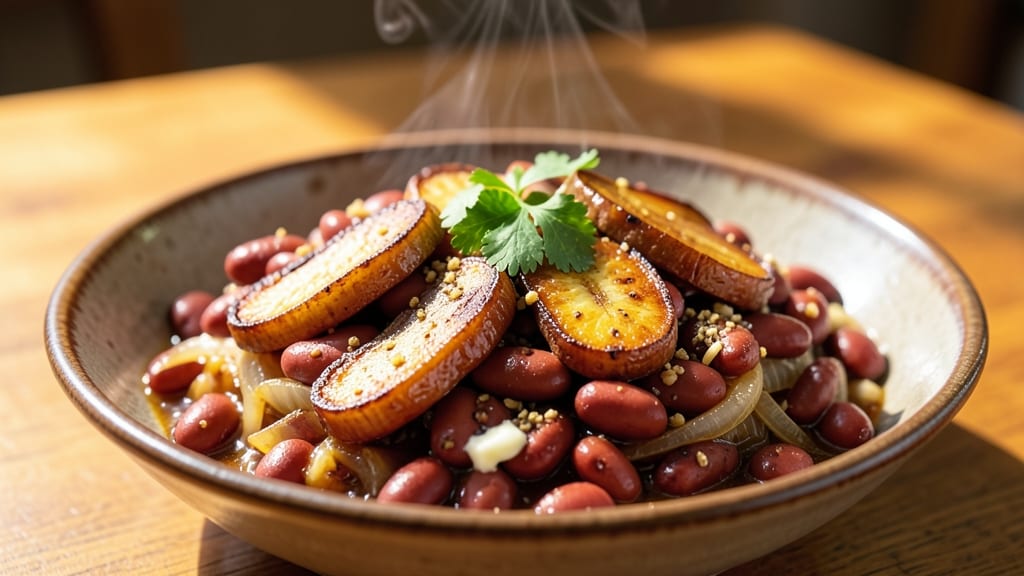
This Colombian red beans recipe transforms simple ingredients into a rich, smoky stew that carries the soul of Colombia's kitchen tables. The secret lies in the deep cocoa and plantain flavors that develop over hours of simmering, creating a dish that's both comforting and complex.
I first tasted this version in Bogotá, where it was served with warm arepas—a perfect balance of textures and flavors that stays with you long after the last bite.
The beauty of this recipe is its versatility—it works as a hearty side dish or a complete meal when paired with rice, avocado, or even a fried egg. The slow cooking process allows the beans to soften perfectly while absorbing the aromatic blend of cumin, garlic, and bay leaf.
For an extra layer of richness, I add a touch of cocoa powder and a ripe plantain, which caramelizes beautifully and adds natural sweetness that rounds out the dish.
What makes this recipe special is how it brings Colombian home cooking to your kitchen without requiring special ingredients. The spices are simple but powerful, and the technique is straightforward once you understand the key steps: soaking the beans overnight, simmering low and slow, and adjusting the seasoning gradually.
The result is a stew that's deeply flavorful, satisfying, and full of warmth—exactly what you want on a chilly evening.
Whether you're serving it alongside rice for a traditional meal or using it as a filling for arepas, this red beans recipe delivers the kind of comfort that comes from a well-loved family dish.
The plantain twist adds a unique sweetness that sets it apart from other bean recipes, making it a standout in any meal. Let's get cooking—your taste buds will thank you.
Ingredients for colombian red beans
Simple pantry staples meet Colombian soul in this smoky, cocoa-spiced bean stew.
| Ingredient | Amount | Notes |
|---|---|---|
| Dried Red Kidney Beans 🌱 | 1 ½ cups | Soaked overnight, drained |
| Ripe Plantains 🍌 | 1 whole | Peel and slice into chunks |
| Unsalted Butter 🧈 | 2 tbsp | Full-fat for richness |
| Yellow Onion 🧅 | 1 whole | Diced, medium size |
| Garlic Cloves 🧄 | 4 cloves | Minced, fresh preferred |
| Ground Cumin 🌿 | 1 tbsp | Toasted for deeper flavor |
| Smoked Paprika 🌶️ | 1 tbsp | For authentic smokiness |
| Unsweetened Cocoa Powder 🍫 | 2 tbsp | High-quality for richness |
| Bay Leaves 🍃 | 2 whole | Fresh if possible |
| Vegetable Broth 💧 | 3 cups | Low-sodium preferred |
| Tomato Paste 🍅 | 2 tbsp | Smooth, no sugar added |
| Lemon Juice 🍋 | 1 tbsp | Freshly squeezed |
| Sea Salt 🧂 | 1 tsp | Adjust to taste |
| Black Pepper 🌶️ | ½ tsp | Freshly ground |
| Fresh Cilantro 🌿 | ¼ cup | Chopped, for garnish |
The beans are the heart of this dish, so don't skip the overnight soak—it cuts cooking time and makes them tender. Dried red kidney beans work best, but any dried bean will do in a pinch. For the plantains, look for ripe but firm ones—they should be yellow with just a hint of brown spots. Trader Joe's and Latin markets usually have them in season. The cocoa powder is non-negotiable here—high-quality Dutch-process adds that deep, rich flavor that makes this stew special. Toast your cumin and smoked paprika in a dry pan for 30 seconds before adding to the pot—trust me on this, it makes all the difference.
No cocoa powder? Substitute 1 tbsp of instant espresso powder—it's a common swap in Colombian cooking. Running low on plantains? Sweet potato cubes work in a bind, though they won't caramelize the same way. Fresh garlic and onion are ideal, but if you're using jarred minced garlic, reduce to 2 cloves—it's more concentrated. The tomato paste can be the squeeze-tube kind from Trader Joe's if you're short on time, but regular paste gives better texture. For extra depth, add a dash of achiote powder if you can find it—it's that vibrant red spice used in many Latin American dishes.
This stew tastes even better the next day as the flavors meld together. Store it in an airtight container in the fridge for up to 5 days, or freeze portions for 3 months. I always make a double batch—one for dinner, one to freeze for lazy nights. The plantains caramelize beautifully while cooking, so save a few slices for topping if you want that extra touch of sweetness. Garnish with fresh cilantro right before serving—it brightens up the rich, smoky flavors perfectly.
Why You'll Love This Recipe
- No-Soaking Needed: I’ll admit, I used to dread the soak—until I realized these beans soften perfectly overnight in a pot of water. Just drain, rinse, and they’re ready to simmer with the onions and garlic. That crispy plantain edge? Pure magic with zero extra work.
- Sweet-Savory Magic: The caramelized plantains melt into the beans like a hug—sweet, smoky, and just a little buttery from that pat of butter. It’s the kind of dish where every bite surprises you: rich from the beans, bright from the garlic, and that plantain? Chef’s kiss.
- Meal Prep MVP: Between us, this is my go-to for lazy Sundays or busy weeks. Cook a big batch, and it’s breakfast (with rice), lunch (with avocado), or dinner (with a fried egg on top). Even my picky college-aged kid grabs seconds—no complaints.
- Budget-Friendly Feast: Dried beans and plantains stretch for days, and the flavor only gets better. I made this for a crowd once, and we ate it for three meals without breaking the bank. Plus, the leftovers? Still delicious reheated or cold—no sad, rubbery textures here.
Step-by-step instructions for Colombian red beans stew
This smoky, cocoa-spiced stew comes together with rich layers of flavor and tender plantains.
Sauté the Aromatics in Butter
Melt the 2 tablespoons unsalted butter in a large, heavy pot over medium heat. Add the 1 whole yellow onion, diced, and cook for 5 minutes until softened and translucent. Stir occasionally to prevent browning.
Add the 4 cloves garlic cloves, minced, and cook for another 30 seconds until fragrant. You'll notice the kitchen filling with that warm, inviting garlic aroma—this is where the foundation of your stew's flavor begins to build. Keep the heat steady; you want to cook, not burn.
Toast the Spices and Add Cocoa
Reduce heat to medium-low and stir in the 1 tablespoon ground cumin and 1 tablespoon smoked paprika. Toast for 30 seconds until the spices release their aroma and the pan smells earthy and smoky. Be careful not to let them burn—just enough time to wake up those flavors.
Next, whisk in the 2 tablespoons unsweetened cocoa powder until completely dissolved. This step is crucial for developing the stew's signature depth. The cocoa will darken the mixture slightly, creating that rich, molasses-like base that's characteristic of Colombian red beans.
Build the Stew Base
Add the 2 tablespoons tomato paste and stir for 1 minute until it darkens slightly and blends with the spices. Pour in the 3 cups vegetable broth and bring the mixture to a gentle boil. Stir in the 2 whole bay leaves, 1 teaspoon sea salt, and 0.5 teaspoon black pepper.
Add the 1.5 cups dried red kidney beans and the 1 whole ripe plantains, sliced into chunks. The plantains will soften as they cook, adding natural sweetness to balance the earthy spices. Here's the thing—don't stir too vigorously after adding the beans, or you'll create a cloud of flour that'll make your stew gummy.
Simmer Until Tender
Reduce heat to low and cover the pot. Let the stew simmer for 45 minutes, stirring occasionally to prevent sticking. After 30 minutes, check the beans—they should be softening but not yet fully tender. If the liquid level gets too low, add ½ cup water to maintain the proper consistency.
Once the beans are fork-tender (about 45-50 minutes total), remove the bay leaves. Taste and adjust seasoning if needed, adding more salt or pepper as necessary. The plantains should be soft and slightly caramelized, adding natural sweetness to complement the smoky spices.
Finish and Serve
Stir in the 1 tablespoon lemon juice and cook for 2 more minutes. This brightens the flavors and cuts through the richness of the cocoa. Remove from heat and let the stew rest for 5 minutes. This resting period allows all the flavors to meld together beautifully.
Ladle the stew into bowls and garnish with the 0.25 cup chopped fresh cilantro. Serve immediately with warm rice or crusty bread. Each spoonful should deliver a perfect balance of smoky, spiced beans with tender plantains and that rich cocoa depth that makes this dish truly special.
Pro Tips For Making Colombian Red Beans
- SOAK BEANS OVERNIGHT: I learned this the hard way—skipping the soak means tough, uneven beans. Cover dried kidney beans in water (3:1 ratio) and add a pinch of baking soda; let them sit 12+ hours. The longer they soak, the faster they cook, and they’ll hold their shape better when simmered with plantains.
- CARAMELIZE ONIONS LOW: High heat burns onions before they sweeten. Cook sliced yellow onion over medium-low, stirring often, until they’re deep golden—not brown. This takes patience (about 15 minutes), but it’s the base flavor for the beans. Skip the rush, or you’ll taste bitterness later.
- SKIP PEELING PLANTAINS: Yes, even if you’re impatient like me. The skin adds texture and keeps the slices from sticking. Cut ripe plantains lengthwise, then slice into half-moons—skin and all. They’ll soften beautifully in the butter and bean broth, no extra work.
- SAVE THE BUTTER BROTH: After frying plantains in butter, don’t toss that golden liquid. Pour it into the beans while they simmer—it’s liquid gold. The butter’s richness cuts through the beans’ earthiness and makes the plantains taste even more luxurious. (Your future self will thank you.)
Regional styles of this colombian red beans
Bogotá’s Classic Version
In Bogotá, this dish is all about simplicity and depth—just beans, plantains, and a handful of spices. The key here is using pre-soaked red kidney beans and simmering them with charred plantains for natural sweetness.
I’ve found that adding achiote seeds (or powder) to the butter at the start gives that signature Colombian red hue. Serve it with white rice and a side of avocado slices for a traditional meal. 🌶️
The locals often add a splash of white vinegar at the end to brighten the flavors—just 1 teaspoon does the trick. Don’t skip the bay leaves; they’re essential for that earthy aroma.
In Bogotá, this stew is a staple for family gatherings, often paired with arepas or hogao (Colombian creole sauce).
Medellín’s Spicy Twist
Medellín takes their red beans with a fierier edge, adding 1-2 teaspoons of hot sauce or fresh ají chombo (a local chili) to the pot. The plantains here are often caramelized separately before being folded into the stew for extra sweetness.
I like to toast 1 teaspoon of coriander seeds along with the cumin for a nutty depth. 🔥
For an authentic touch, sprinkle crumbled queso fresco on top before serving. The heat from the chili balances perfectly with the richness of the cocoa. This version is a favorite at Medellín’s street food stalls, often served with tortilla de maíz (corn tortillas) for dipping.
Cali’s Cocoa-Forward Style
In Cali, the cocoa takes center stage—this version is almost like a molasses-rich stew. The secret? Adding 1 extra tablespoon of cocoa powder and simmering the plantains until they’re deeply caramelized.
I’ve seen home cooks in Cali even add a pinch of cinnamon for warmth. The result is a stew that’s almost dessert-like in its richness. 🍫
This version pairs beautifully with white rice and a fried egg for breakfast or brunch. The extra cocoa makes it heartier, almost like a sweet-and-savory stew. For an extra touch, drizzle with a little honey before serving—it’s a common trick in Cali to balance the earthy flavors.
Coastal Region’s Citrusy Touch
Along Colombia’s Caribbean coast, you’ll find a brighter take on red beans. The stew is finished with 2 tablespoons of lime juice instead of lemon, and sometimes even a grated coconut for a tropical twist.
The plantains here are often boiled first to soften them before adding to the pot. 🍋
This version is lighter and more refreshing, perfect for balancing with grilled seafood or tostones (fried plantains). The citrus cuts through the richness of the cocoa, making it ideal for hot coastal weather. I’ve had this version in Cartagena, where it’s a must-try with ceviche for a complete meal.
Andean High-Altitude Adaptation
In the Andes, where the air is thinner, beans take longer to cook. The trick here is to add an extra 30 minutes to the simmering time and use more broth to keep the beans from drying out.
Some cooks even add a dash of achiote to the butter for extra color and depth. 🏔️
This version is often served with potato-based dishes like papa criolla (sweet potatoes) or tamales. The higher altitude brings out the natural sweetness of the plantains, making them almost like a caramelized topping. It’s a heartier stew, perfect for cold mountain nights.
Nutrition facts
Frequently asked questions
Why does this recipe use cocoa powder in the beans?
The cocoa powder adds a deep, molasses-like richness that's essential to authentic Colombian red beans. It creates that signature depth that sets this dish apart from other bean recipes. The cocoa also helps balance the earthy spices like cumin and smoked paprika, creating a complex flavor profile that's both comforting and sophisticated.
Can I substitute plantains with something else?
Yes! If you can't find plantains, try sweet potatoes or yuca (cassava) as substitutes. They'll add natural sweetness but won't caramelize the same way. For a completely different flavor, you could even use apples or pears (about 1 cup diced), though the texture will be different. The plantains are key for that authentic Colombian touch though.
How do I make this recipe vegetarian-friendly?
This recipe is already vegetarian, but if you want to add protein, consider crumbled tofu or vegan chorizo at the end. For a meat option, cook diced bacon or chorizo separately and stir it in during the last 10 minutes of cooking. The traditional version often includes pork, but this plantain-cocoa twist works beautifully on its own as a hearty vegetarian dish.
Can I make this recipe in a slow cooker?
Combine all ingredients (except the lemon juice and cilantro) in your slow cooker and cook on low for 6-7 hours or high for 3-4 hours. Add the lemon juice and cilantro at the end. The slow cooking enhances the flavors even more, making the beans extra tender. Just check the liquid level occasionally and add water if needed.
What's the best way to store leftovers?
Store leftovers in an airtight container in the refrigerator for up to 5 days. The flavors actually improve overnight as they meld together. For longer storage, freeze portions in airtight containers for up to 3 months. Reheat gently on the stove with a splash of water or broth to restore moisture. The plantains will soften further when reheated, adding extra sweetness.