
Side Dishes
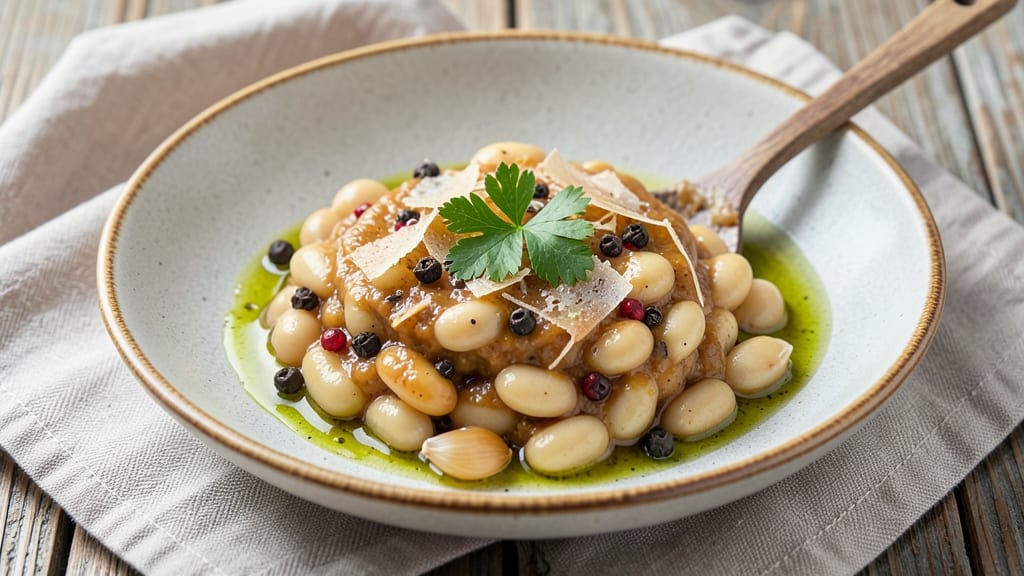
This creamy cacio e pepe beans recipe reimagines Rome’s classic pasta dish with hearty white beans as the star—rich, peppery, and impossibly satisfying. The secret lies in blending tender beans with sharp Pecorino Romano and freshly cracked black pepper until the sauce reaches that signature velvety consistency.
I developed this version after realizing how many home cooks skip the dish entirely because it feels too fussy, but trust me: this method simplifies it without sacrificing authenticity.
The beauty of this recipe is its textural contrast: creamy beans that hold their shape, a sauce so smooth it clings to every bite, and the sharp bite of freshly ground black pepper cutting through the richness.
You’ll start with cannellini beans simmered until tender, then build the sauce by gradually incorporating grated Pecorino Romano—just enough to create that signature creamy coating without turning it into a heavy gravy. The key is patience: let the sauce work its magic while you cook.
What you’ll end up with is a dish that’s restaurant-quality but built for your home kitchen—no special equipment required. The beans absorb the peppery, cheesy sauce perfectly, creating a bite that’s both comforting and elegant.
Serve it as a standalone main (it’s that hearty) or pair it with crusty bread to soak up every last drop of that creamy goodness. Garnish with crispy pancetta or fresh parsley for extra depth.
This recipe works equally well as a weeknight dinner or a showstopper for guests—just scale the beans accordingly. The method is straightforward, but the result feels luxurious. Let’s get cooking!
Ingredients for cacio e pepe beans
Pantry staples meet Italian luxury—creamy, peppery beans that taste like Rome’s finest trattoria.
| Ingredient | Amount | Notes |
|---|---|---|
| Cannellini Beans 🌿 | 2 cans | 15 oz each, drained and rinsed |
| Pecorino Romano Cheese 🧀 | 1 ½ cups | Freshly grated, fine texture |
| Freshly Ground Black Pepper 🌶️ | 2 tbsp | Coarsely cracked, not powdered |
| Extra-Virgin Olive Oil 🫒 | ½ cup | High quality, fruity variety |
| Garlic Cloves 🧄 | 3 cloves | Minced, not powdered |
| Vegetable Broth 💧 | 1 ½ cups | Low-sodium preferred |
| Crispy Pancetta 🥓 | ¼ cup | Chopped, optional garnish |
| Fresh Parsley 🌿 | ¼ cup | Chopped, for garnish |
| Sea Salt 🧂 | 1 tsp | Diamond Crystal preferred |
| Lemon Zest 🍋 | 1 tsp | Brightens the sauce |
| Crusty Bread 🍞 | 4 slices | For serving on the side |
The beans are the foundation, so cannellini is non-negotiable—they hold their shape while soaking up the sauce. Trader Joe’s has the best canned variety, but any high-quality brand works. If you're using dried, soak them overnight. The Pecorino Romano? Skip the pre-grated stuff—it’s sawdust in sauce form. Grab a wedge from the deli counter and grate it yourself. Freshly cracked black pepper is the secret weapon here—none of that powdered nonsense. Penzeys. And trust me, it makes all the difference.
No Pecorino Romano? Parmigiano-Reggiano works in a pinch, but it’s not the same—it lacks that sharp, salty punch. Short on cannellini? Great Northern or white beans will do, but they’ll break down faster. The pancetta is optional but adds that crispy, salty crunch that takes this dish to the next level. Costco sells pre-cooked pancetta that crisps up perfectly—just chop it yourself. Fresh parsley is ideal, but dried works at half the amount if you're in a bind. The lemon zest might seem like an afterthought, but it cuts through the richness and brightens everything up. Don’t skip it.
This sauce gets better as it sits—let it rest for at least 15 minutes before serving, so the flavors meld. Keeps in the fridge for 4-5 days, though I’ve never had leftovers that long. The beans reheat beautifully—just add a splash of broth to loosen the sauce. For a restaurant-quality touch, serve with warm crusty bread on the side. I like to portion the sauce into containers with a sprinkle of pancetta on top—makes for easy lunches all week.
Why You'll Love This Recipe
- Five-Ingredient Magic: I swear, this is the kind of dish where you measure, toss, and forget—yet somehow ends up ridiculously good. No chopping, no fuss, just cannellini beans simmering in garlic, pepper, and that sharp, salty Pecorino melt. My lazy Sundays now include this.
- Peppery Cheese Hug: That first bite? Crispy black pepper cracks under your teeth, then boom—creamy, salty Pecorino clings to everything like a flavor blanket. Honestly, the contrast is what makes it dangerous—simple, but impossible to stop eating.
- Lunch or Dinner: Make it for a quick weeknight dinner or pack it for lunch the next day—it reheats like a dream. Between us, I’ve served it at potlucks, thrown it over toast for brunch, and even stuffed it into sandwiches. It’s the chameleon of comfort food.
- Budget Meal That Feeds: A can of beans, a wedge of Pecorino, and a pepper grinder—this is cooking on a shoestring. Plus, leftovers? They taste just as good the third day, so you’re not wasting a thing. My wallet and my freezer both thank me.
Step-by-step instructions for creamy cheese-pepper bean dish
Here's how to transform simple cannellini beans into a rich, velvety dish that rivals classic cacio e pepe.
Sauté Garlic in Olive Oil Until Fragrant
Heat the 0.5 cup extra-virgin olive oil in a large skillet over medium-low heat. Add the 3 cloves minced garlic and cook for 2-3 minutes until the garlic becomes golden and releases its aroma—you'll smell it before you see it. Be careful not to let it brown or it'll turn bitter. This step builds the flavor foundation for your dish.
Here's the thing—garlic burns fast. Keep the heat gentle and stir constantly. The moment you detect that sweet, nutty aroma, you're ready for the next step. I like to taste the garlic at this point to ensure it's properly cooked but not burnt. If it's perfect, it'll taste mellow and sweet, not sharp or acrid.
Add Beans and Broth to Create the Base
Pour in the 2 cans drained and rinsed cannellini beans and 1.5 cups vegetable broth. Stir gently to combine, letting the beans warm through for 3-4 minutes. You want the broth to come to a gentle simmer, but don't let it boil vigorously—this could cause the beans to break apart.
This is where the magic starts. The beans will begin to absorb the garlic flavor while the broth reduces slightly, creating a thick, creamy base. If the mixture looks too watery after 4 minutes, reduce heat to low and let it simmer uncovered for another 2 minutes to thicken naturally. The goal is a sauce that coats the back of a spoon without being gluey.
Build the Creamy Cheese Sauce
Gradually sprinkle in the 1.5 cups freshly grated Pecorino Romano cheese, stirring constantly. The cheese will melt into the warm bean mixture, creating a luxurious, velvety texture. Add the 2 tablespoons freshly ground black pepper and 1 teaspoon sea salt now—this is when the flavors really come together.
I use a wooden spoon here to stir vigorously, ensuring the cheese melts completely. If the sauce starts to look too thick, add 1-2 tablespoons of the vegetable broth to loosen it. The sauce should coat the beans beautifully, with a glossy sheen that indicates perfect emulsification. This is the moment that matters: the cheese should dissolve completely, creating a smooth, creamy consistency rather than clumpy bits.
Finish with Lemon Zest and Garnish
Remove the skillet from heat and stir in the 1 teaspoon lemon zest. This brightens the rich, cheesy flavors and adds a subtle citrus note that cuts through the creaminess. The zest should dissolve into the sauce, leaving behind a fragrant aroma that signals the dish is complete.
Taste and adjust seasoning if needed—you might want to add a pinch more sea salt or freshly ground black pepper to taste. Then stir in the 0.25 cup chopped fresh parsley and 0.25 cup crispy pancetta for texture and color. The pancetta adds a delightful crunch that contrasts beautifully with the creamy beans.
Serve with Crusty Bread
Ladle the creamy bean mixture into bowls and serve immediately with the 4 slices crusty bread on the side. The bread is perfect for soaking up any extra sauce. Each bite should deliver that perfect balance of creamy, cheesy, peppery flavors with a bright lemon finish.
Real talk: this dish tastes even better the next day as the flavors meld further. The cheese continues to develop depth, and the beans absorb all those amazing flavors. If you have leftovers, store them in the refrigerator and reheat gently on the stove with a splash of vegetable broth to restore that creamy texture.
Pro Tips For Making Cacio E Pepe Beans
- Toast the Garlic Fast: Hit the garlic with a sharp knife first—smash it flat to expose more surface. Then cook it in olive oil over medium-high heat until it’s golden and fragrant, about 30 seconds. I used to let it sit too long, and it’d turn bitter. That’s the moment the whole dish starts singing.
- Grate the Cheese Wet: Add a splash of pasta water (or cooking liquid from the beans) to the Pecorino Romano as you grate it. This keeps it from clumping and makes it melt smoother into the sauce. Trust me, dry cheese turns into a gluey mess—this trick saves you from scraping gunk off the pot later.
- Salt the Beans Early: Toss the cannellini beans with a pinch of salt as soon as they hit the pot, even if they’re still cold. It seasons them evenly and prevents them from tasting bland later. I learned this after making a batch where the salt was added too late—half the beans were still underseasoned.
- Finish with Pepper Pulses: Instead of dumping all the pepper at once, add it in two batches: half when the garlic hits the pot, and the rest right at the end. This balances the heat and lets the pepper’s aroma shine. Overdoing it early makes the dish taste harsh—like someone shook a pepper mill over your shoulder.
Common mistakes when making this dish
Overcooking the Beans
Cannellini beans are delicate—once they turn mushy, there’s no fixing it. I’ve learned the hard way that simmering them beyond 8-10 minutes after adding broth ruins their texture. The goal is tender but intact beans that hold their shape.
If your beans start breaking apart, reduce the heat immediately and stir gently. For extra insurance, use Trader Joe’s low-sodium canned beans, which hold up better than some store brands. 🌶️
Skipping the Gradual Cheese Addition
Dumping all the Pecorino Romano at once creates clumps instead of a silky sauce. Add it slowly while stirring constantly over low heat—this allows the cheese to melt into the beans rather than cling together.
I like to sprinkle a spoonful at a time, waiting until it fully dissolves before adding more. If you’re in a rush, try whisking vigorously, but patience pays off here. 🧀
Using Powdered Pepper
Freshly cracked black pepper is non-negotiable for that authentic cacio e pepe bite. Pre-ground pepper loses its intensity and aroma. Invest in a pepper grinder or buy whole peppercorns from Penzeys—the difference is dramatic.
I grind 2 tablespoons directly into the sauce for maximum flavor impact. Powdered pepper just can’t compete. 🌶️
Ignoring the Resting Time
Letting the sauce sit for 10-15 minutes after cooking allows the flavors to meld and the cheese to fully emulsify. Skipping this step means a sauce that’s either too thin or clumpy.
I often make this mistake when serving guests impatiently—don’t! Cover the skillet and let it rest while you set the table. The wait is worth it for that restaurant-quality texture. ⏳
Substituting Cheese Without Adjusting
If you can’t find Pecorino Romano, Parmigiano-Reggiano works, but it’s milder. To compensate, add an extra ¼ cup grated cheese and a pinch more sea salt.
Avoid pre-shredded cheese—it contains anti-caking agents that prevent proper melting. Freshly grated is the only way to get that authentic, velvety sauce. 🧀
Overcrowding the Pan
Using too large a pan or overcrowding the beans causes the sauce to steam instead of develop. Stick to a 12-inch skillet for this recipe—it gives the beans room to absorb the sauce properly.
If your pan is too small, cook in batches or use a larger one. The sauce should coat the beans evenly, not pool at the bottom. 🔥
Nutrition facts
Frequently asked questions
Can I use dried beans instead of canned?
Yes, but you'll need to soak them first. Use 1.5 cups dried cannellini beans soaked overnight, then simmer for 45-60 minutes until tender. Drain well before using in the recipe. Dried beans absorb more liquid, so you may need to reduce the broth to 1 cup instead of 1.5 cups to maintain the right consistency.
What if I don't have Pecorino Romano?
Use Parmigiano-Reggiano as a substitute, but add an extra ¼ cup and a pinch more sea salt since it's milder. Avoid pre-shredded cheese—the anti-caking agents prevent proper melting. Freshly grated is essential for that signature creamy texture.
How do I make this dish vegan?
Replace the Pecorino with nutritional yeast (½ cup) and use vegan butter instead of olive oil. Boost the umami with 1 tbsp white miso paste when sautéing the garlic. The pepper and lemon zest remain key for that bright, peppery flavor. The texture will be slightly different but still delicious.
Can I make this ahead of time?
The flavors actually improve overnight. Store in an airtight container in the fridge for up to 4 days. Reheat gently on the stove with a splash of vegetable broth to restore creaminess. The sauce will thicken further as it cools, so add a little extra broth when reheating.
Why does my sauce get grainy?
This usually happens when cheese isn't melted properly or the sauce is too cold. Keep heat at low and stir constantly while adding cheese. If it happens, whisk vigorously or blend briefly with 2 tbsp broth to emulsify. Always use freshly grated cheese—pre-shredded versions contain additives that prevent smooth melting.