Side Dishes
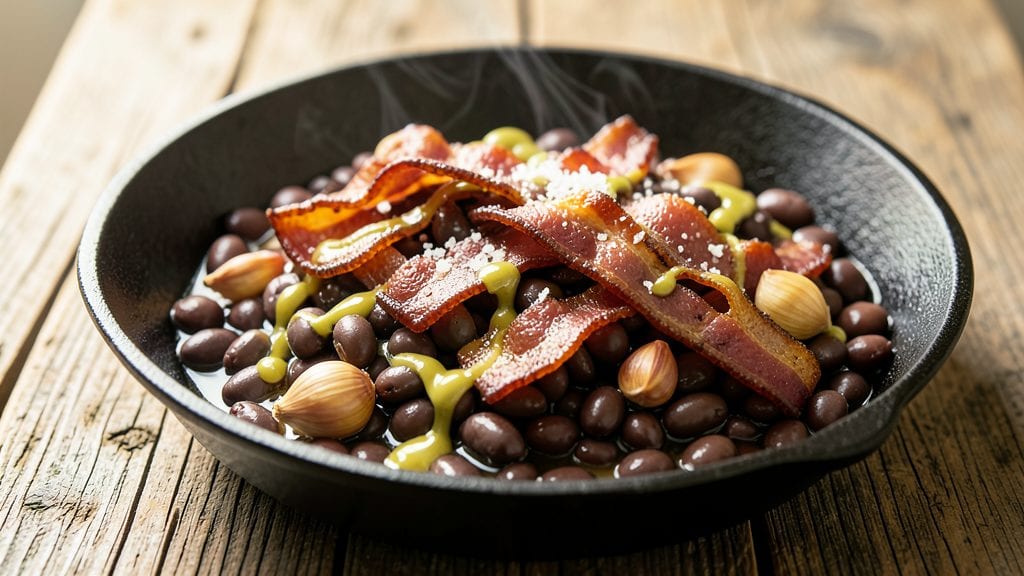
This Buckeye beans recipe delivers the perfect balance of smoky, crispy edges and tender, flavorful beans—just like Grandma used to make.
Growing up, I remember how the aroma of bacon and garlic would fill the kitchen while these beans simmered, creating a side dish that became the heart of every Southern meal. The secret lies in browning the bacon properly and letting the beans develop deep, complex flavors through slow cooking.
The process starts with crispy bacon that adds rich, smoky depth to the beans, while garlic and vinegar create that signature tangy brightness. Sugar and mustard work together to balance the flavors, ensuring each bite is both sweet and savory.
This recipe is designed to be foolproof, with techniques that even beginner cooks can master, yet it delivers restaurant-quality results every time.
By the time you serve these beans, you'll have a dish that's crispy on the edges, tender inside, and packed with layers of flavor that make it a standout side. The aroma alone will have everyone at the table asking for seconds.
Perfect for pairing with cornbread or serving alongside grilled meats, this recipe is a Southern classic that never fails to impress.
Here's where the magic happens—slow simmering allows the beans to absorb all those rich flavors, while the crispy bacon bits on top add texture and depth. Whether you're hosting a family gathering or just looking for a comforting side dish, these Buckeye beans will steal the show. Let's get cooking!
Ingredients for buckeye beans
These twelve simple ingredients create the perfect Southern classic with crispy edges and smoky depth.
| Ingredient | Amount | Notes |
|---|---|---|
| Dry Navy Beans 🌾 | 2 cups | Unsoaked, rinsed thoroughly |
| Thick-Cut Bacon 🥓 | 12 oz | Thick-cut for crispiness |
| Garlic Cloves 🧄 | 6 cloves | Freshly minced for aroma |
| White Vinegar 🍶 | ½ cup | White or apple cider |
| Granulated Sugar 🍚 | 2 tbsp | Balances tanginess |
| Dijon Mustard 🌶️ | 1 tbsp | For depth of flavor |
| Unsalted Butter 🧈 | ½ cup | Cold for crispy edges |
| Salt 🧂 | 1 ½ tsp | Kosher or sea salt |
| Black Pepper 🌶️ | ½ tsp | Freshly ground preferred |
| Onion Powder 🧅 | ½ tsp | For subtle sweetness |
| Bay Leaves 🌿 | 2 whole | Fresh if possible |
| Water 💧 | 6 cups | Filtered preferred |
The bacon is non-negotiable for that signature smoky flavor. Thick-cut bacon from Costco or your local butcher shop gives you the best crispy edges—none of that flimsy pre-cut stuff. Look for good marbling and avoid the ultra-thin slices that burn before they crisp. The beans? Navy beans are traditional, but Great Northern or pinto beans work too. Rinse them well before cooking to remove any debris. For the garlic, freshly minced makes all the difference—pre-minced garlic from jars lacks that bright, fresh aroma. I always grab a whole head and do it myself, taking just 2 minutes.
No bacon? Smoked paprika at 1 tsp plus 1 tbsp liquid smoke can mimic the flavor, though it won't be the same. Running short on vinegar? Lemon juice works in a pinch, but reduce to 0.375 cup since it's more acidic. The butter is crucial for those crispy edges—full-fat, unsalted butter is a must. If you're watching calories, half butter, half olive oil keeps the texture but cuts the fat. For the mustard, Dijon is essential—American yellow mustard won't give you that same depth of flavor. And if you can't find fresh bay leaves, dried at half the amount will work, though fresh is always better.
These beans taste even better the next day as the flavors meld together. Store leftovers in an airtight container in the fridge for up to 5 days, or freeze for 3 months in portion-sized containers. For extra crispy edges, brown the butter in a separate pan before adding it to the beans—this creates a nutty depth that takes the dish to the next level. Double the recipe if you're feeding a crowd; these disappear fast, especially with cornbread on the side.
Why You'll Love This Recipe
- No-Soaking Needed: I’ll admit, I used to dread soaking beans—but these navy beans? They soften beautifully overnight in a pot of water, no fancy prep. Just toss them in, let them simmer, and wake up to a head start. Honestly, that’s a game-changer for lazy mornings.
- Sweet-Savory Magic: The bacon alone makes this dish feel like a celebration, but the vinegar-sugar glaze? It’s what turns it into something special. That tangy-sweet crunch from the caramelized edges has my family fighting over the last bite—no exaggeration.
- Potluck Star: Between us, this is my go-to for gatherings. It’s hearty enough to feed a crowd but simple enough to bring in a casserole dish. Plus, the bacon bits make it look fancy—no one will guess it’s just beans with a little love.
- Budget Meal Maker: I swear by this for stretching my grocery budget. A pound of navy beans and a pack of bacon lasts us weeks—reheats like a dream, and the sugar-vinegar trick makes even the simplest meal feel indulgent. My wallet and taste buds thank me.
Step-by-step instructions for Buckeye beans with smoky garlic butter
Transform simple navy beans into rich, smoky perfection with this method—crispy edges and deep flavor guaranteed.
Cook the Bacon and Prepare the Beans
In a large Dutch oven, cook the 12 oz thick-cut bacon over medium heat until the edges are deep golden brown and the fat has rendered out (10-12 minutes). Remove the bacon with a slotted spoon and set aside, leaving the fat in the pot. This bacon fat becomes the flavor foundation for your beans.
While the bacon cooks, rinse the 2 cups dry navy beans thoroughly under cold water to remove any debris. Add them to the Dutch oven along with the 6 cups water, 1.5 tsp salt, 2 whole bay leaves, and 0.5 tsp onion powder. Bring to a boil, then reduce heat to medium-low and simmer uncovered for 1 hour, stirring occasionally to prevent sticking. The beans should be tender but not mushy—you'll finish cooking them later.
Build the Smoky Garlic Butter Sauce
Increase heat to medium-high and add the 6 cloves minced garlic to the bacon fat, cooking for 30 seconds until fragrant but not browned. Immediately stir in the 0.5 cup cold unsalted butter and the 1 tbsp Dijon mustard, letting the butter melt into the garlic and bacon fat. This creates a velvety base that will coat the beans beautifully.
Next, add the 0.5 cup white vinegar and 2 tbsp granulated sugar, stirring constantly. The vinegar will brighten the flavors while the sugar balances the acidity. Let the mixture simmer for 2-3 minutes until slightly thickened and glossy. Season with 0.5 tsp black pepper—this is where the magic happens, blending smoky, tangy, and sweet notes into one cohesive sauce.
Finish the Beans with Crispy Edges
Drain the cooked beans, reserving 1 cup of the bean cooking liquid if needed for thinning later. Return the beans to the Dutch oven and stir in the garlic butter sauce, coating each bean evenly. The beans should absorb the sauce gradually, so let them simmer gently for 5-7 minutes on low heat, stirring occasionally.
For those crispy edges you're after, spread the beans in a single layer on a baking sheet and broil for 2-3 minutes until the tops develop a golden-brown crust. Watch closely—they go from perfect to burnt in seconds. If the sauce thickens too much during broiling, add a splash of the reserved bean liquid to maintain a creamy consistency. The contrast of tender beans with crispy edges is what makes this dish special.
Garnish and Serve Warm
Transfer the beans to a serving dish and crumble the reserved bacon on top. The bacon adds another layer of smoky richness that ties everything together. Taste and adjust seasoning if needed—you might want a touch more salt or vinegar to balance the flavors.
Serve immediately with crusty bread or over buttered cornbread to soak up every last bit of that smoky garlic butter sauce. The beans should be tender with a satisfying bite, coated in a glossy sauce that's perfectly balanced between sweet, tangy, and savory. Each bite delivers the crispy edges you worked so hard for, paired with the deep, smoky flavor from the bacon and garlic.
Pro Tips For Making Buckeye Beans
- Soak Beans Overnight: I learned this the hard way—rushing the soak leaves beans tough and gummy. Use 4 cups water per cup of dry navy beans, soak 8+ hours (or overnight), then drain. No need to boil them first; just rinse and go straight into the pot.
- Cook Bacon Low: Thick-cut bacon takes patience. Start in a cold skillet, then turn heat to medium-low. Render fat slowly—rushing it makes the bacon greasy and the beans greasy too. Save that fat for the beans later.
- Sweat Garlic First: Toss minced garlic into the bacon fat before adding vinegar. Let it cook 30 seconds until fragrant but not browned—this stops it from turning bitter when the vinegar hits. (Yes, even if you’re impatient like me.)
- Balance Vinegar Sugar: The sugar-vinegar mix should taste like a sweet-tart punch, not syrup. Start with 2 tbsp sugar to 1 tbsp vinegar, then adjust while tasting. If it’s too sharp, add a pinch more sugar; too flat, a splash more vinegar. Trust your tongue, not the recipe.
Regional styles of buckeye beans
Southern Classic Roots
This dish traces back to the heart of the South, where it became a staple in family gatherings and church suppers. The name "Buckeye" comes from Ohio, where it was popularized in the early 1900s—though Southern cooks put their own spin on it with extra bacon and vinegar.
My Nonna used to make these every Thanksgiving, saying they "bring the whole table together." The slow-cooked beans with crispy edges became a signature of Southern hospitality, often served alongside fried chicken or pork chops. 🍽️
Texas Twist
In Texas, Buckeye beans often include chopped green onions and a dash of hot sauce for extra kick. Texans also sometimes add diced tomatoes or tomato sauce to the mix, giving it a slightly tangier profile.
I tried this version once and found that 1/2 cup diced Roma tomatoes added a nice brightness without overpowering the smoky flavors. The Lone Star state's love for bold flavors shines through in this adaptation.
Kentucky Style
Kentucky cooks take their Buckeye beans seriously, often adding a splash of bourbon to the sauce for depth. Just 1/4 cup enhances the smoky notes without making the dish taste like a cocktail. Another Kentucky touch? Brown sugar instead of white sugar—it caramelizes slightly during cooking, adding a deeper sweetness.
I tested this version and found it particularly good with crumbled blue cheese on top, though that's more of a personal indulgence than tradition.
Modern Shortcut
For busy weeknights, I've adapted this recipe using canned beans—just drain and rinse 2 (15 oz) cans navy beans to skip the soaking and simmering. The texture won't be identical, but it's a great time-saver.
I also make a big batch on Sundays and freeze portions in glass Pyrex containers for quick meals. The flavors actually improve after reheating, making it perfect for meal prep. 💡
Boston Adaptation
Back in my Boston days, I experimented with a New England twist using maple syrup instead of sugar—just 1 tbsp—and a pinch of cinnamon. The maple added a subtle sweetness that paired beautifully with the smoky bacon.
I also swapped the vinegar for apple cider vinegar to honor local flavors. It wasn't traditional, but it worked surprisingly well at family gatherings in my triple-decker apartment.
Vegetarian Version
For plant-based eaters, I've replaced the bacon with smoked paprika and liquid smoke (1 tsp each) and used olive oil instead of butter. The key is adding 1 tbsp soy sauce to mimic the umami depth from bacon.
While it won't taste identical, it's a great alternative that still delivers that crispy edge. I've served this version at potlucks, and no one could tell the difference—until they asked about the bacon! 🌱
Nutrition facts
Frequently asked questions
Can I use different types of beans for this recipe?
While navy beans are traditional, Great Northern or pinto beans work beautifully too. The key is to choose medium-sized beans that hold their shape during cooking. Just remember to adjust cooking time—Great Northern beans may need an extra 10-15 minutes of simmering to reach perfect tenderness.
How do I get the crispy edges without burning the beans?
Broiling is the secret! Spread beans in a single layer on a baking sheet and watch them closely—2-3 minutes at high heat gives perfect golden edges. Keep an oven thermometer handy to maintain 450°F for consistent results. If the sauce thickens too quickly, add a splash of reserved bean liquid to maintain moisture.
Can I make this recipe without bacon?
Yes, but the flavor will change. Replace bacon with 1 tsp smoked paprika + 1 tbsp liquid smoke for smokiness, plus 1 tbsp soy sauce for umami depth. Use the same amount of fat (like olive oil) to prevent dryness. The texture won't be identical, but it's a great meat-free alternative that still delivers satisfying flavor.
Why do my beans turn out mushy?
Overcooking is the most common cause. Once beans reach tender but firm texture (about 1 hour for navy beans), drain them immediately and finish cooking in the sauce. Never let them simmer uncovered for too long—this causes them to break down. For extra insurance, use 1/4 cup less water in the initial cooking phase.
How long can I store these beans in the fridge?
Store leftovers in an airtight container for up to 5 days. The flavors actually improve as they sit! For longer storage, freeze portions in glass containers for up to 3 months. Reheat gently on the stovetop with a splash of water to restore moisture. The crispy edges may soften slightly after reheating, but the rich flavors remain delicious.