Side Dishes
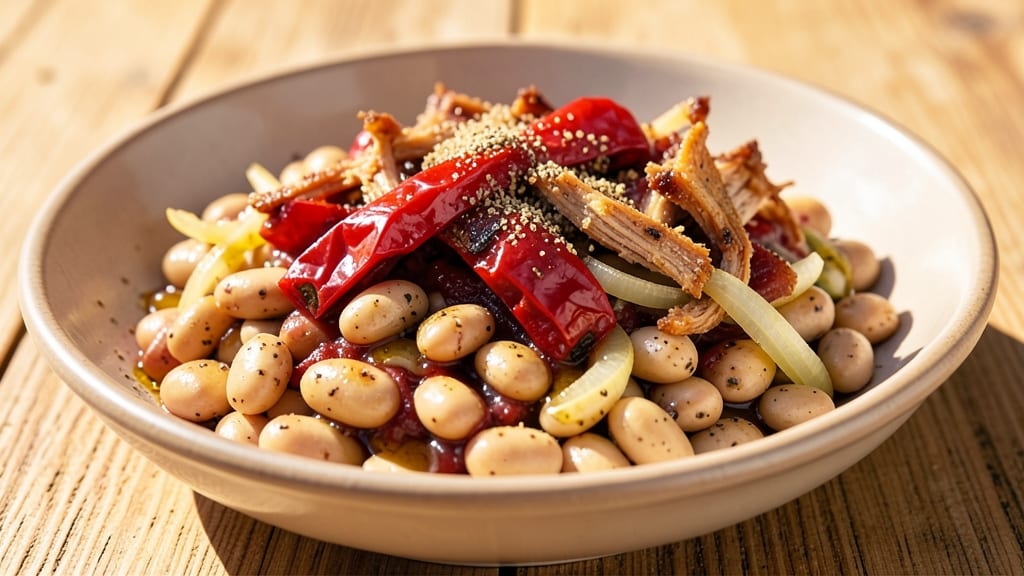
This Goya Pinto Beans recipe delivers the rich, smoky depth of Puerto Rican tradition right to your kitchen table. The secret lies in slow-cooked beans infused with cumin, bay leaves, and sofrito—a fragrant blend of garlic, onions, and peppers that transforms simple ingredients into something extraordinary.
I’ve perfected this version to balance authenticity with approachability, so you can recreate that comforting, restaurant-quality flavor at home.
The magic happens over time as the beans simmer with pork (optional), bell peppers, and a touch of annatto for that signature golden hue. Unlike rushed versions, this method lets the spices meld into the beans, creating a sauce that’s tender yet flavorful.
What you’ll end up with is a dish that pairs perfectly with rice, tostones, or even as a standalone side—packed with smoky warmth and just the right amount of spice.
For those who love traditional Puerto Rican flavors, this recipe is a game-changer. The slow cooking ensures the beans stay creamy and the spices deepen, while the sofrito adds layers of aromatic complexity.
Whether you’re serving it alongside arroz con habichuelas or as a hearty side, this version stays true to the original while being simple enough for weeknight dinners.
Ready to elevate your meal with this classic? The process is straightforward, and the result is unforgettable. Let’s get cooking—your taste buds will thank you.
Ingredients for goya pinto beans
These 14 ingredients transform into Puerto Rican restaurant-quality pinto beans with smoky cumin and bay leaf richness.
| Ingredient | Amount | Notes |
|---|---|---|
| Goya Pinto Beans (Dry) 🌱 | 2 cups | Soaked overnight for best texture |
| Pork Shoulder (Optional) 🐖 | 1 lb | Cut into 1-inch cubes |
| Red Bell Pepper 🌶️ | 1 whole | Seeded and chopped |
| Yellow Onion 🧅 | 1 whole | Diced finely |
| Garlic Cloves 🧄 | 4 cloves | Minced for sofrito |
| Ground Cumin 🌿 | 1 tbsp | Toasted for deeper flavor |
| Bay Leaves 🌿 | 2 whole | Fresh or dried |
| Dried Oregano 🍃 | 1 tsp | Mexican oregano preferred |
| Annatto Seeds 🌶️ | 1 tsp | For signature color |
| Olive Oil 🫒 | ¼ cup | Extra-virgin for richness |
| Salt 🧂 | 1 ½ tsp | Kosher or sea salt |
| Black Peppercorns 🌶️ | ½ tsp | Freshly cracked |
| Water or Vegetable Broth 💧 | 6 cups | Low-sodium preferred |
| Tomato Paste 🍅 | 2 tbsp | For depth of flavor |
The beans are the heart of this dish, so Goya Pinto Beans are a must—none of that pre-cooked canned stuff. Soak them overnight to cut cooking time and improve texture. For the pork (if using), Costco or local butcher shops have the best cuts—look for well-marbled shoulder. The bell pepper and onion form the sofrito base, so chop them finely—they’ll cook down but still need to add body. Annatto seeds might be tricky to find; Latin markets or specialty stores usually carry them, or use a pinch of achiote powder in a pinch. Toast your cumin seeds in a dry pan for 30 seconds before grinding—trust me, it makes all the difference.
No pork? Extra mushrooms or smoked paprika adds depth without meat. Running short on annatto? Turmeric at half the amount gives a similar golden hue, though not identical. The tomato paste can be swapped for San Marzano crushed tomatoes if you prefer. For the sofrito, if you’re in a hurry, pre-made sofrito from a jar works (just check for no added salt). The bay leaves are non-negotiable—they’re what gives that authentic aroma. If you can’t find Mexican oregano, regular dried oregano works, but the flavor will be slightly different. For a vegetarian version, swap the pork for extra beans or mushrooms and use vegetable broth instead of water.
These beans taste even better the next day as the flavors meld. Store leftovers in an airtight container in the fridge for up to 5 days, or freeze for 3 months in portions. I like to portion them into containers with rice and tostones for quick lunches. The sofrito base can be prepped ahead and frozen for up to 3 months—just thaw and add to the beans when ready to cook. If you’re making a big batch, double the recipe and freeze half for later. The beans will thicken as they cool, so add a splash of water or broth if they seem too thick when reheating.
Why You'll Love This Recipe
- One-Pot Magic: I swear by this recipe because it’s literally one pot—no fussing with multiple dishes. Toss in the beans, pork shoulder (if using), onions, and peppers, then let it simmer. By the time I’m done chopping, dinner’s already cooking.
- Caramelized Edge: That pork shoulder? It gets insanely tender while the onions and bell peppers melt into sweet, jammy bits. Honestly, the contrast between the creamy beans and the crispy pork bits is what makes this dish feel like a hug in a bowl.
- Weeknight Workhorse: Between us, this is my go-to for busy nights, potlucks, or when I need to feed a crowd. The beans hold up for days—perfect for meal prep—and the flavors only get better as they sit. (Yes, even on a Tuesday night.)
- Budget-Friendly Staple: Dry pintos and pork shoulder stretch forever, and the veggies add freshness without breaking the bank. I’ll be real: this recipe saved me from takeout more times than I can count. Plus, leftovers taste just as good reheated.
Step-by-step instructions for goya pinto beans
Here's how to create rich, flavorful pinto beans with deep cumin and bay notes.
Prepare the Beans and Aromatics
First, drain and rinse the soaked 2 cups Goya Pinto Beans (Dry) thoroughly. I always give them a quick cold water rinse to remove any excess starch that might make the beans gummy during cooking. While the beans soak overnight, you'll notice they nearly triple in size—this is normal and ensures tender beans.
In a large Dutch oven or heavy pot, heat the 0.25 cup Olive Oil over medium heat. Add the 1 whole Yellow Onion (Diced finely) and cook for 5 minutes until soft and translucent. This forms the flavor base for your beans. Next, add the 1 whole Red Bell Pepper (Seeded and chopped) and continue cooking for another 3 minutes until the pepper softens. The vegetables should release their moisture and begin to caramelize slightly.
Build the Sofrito and Toast the Spices
Add the 4 cloves Garlic Cloves (Minced for sofrito) to the pot and cook for 30 seconds until fragrant—this prevents the garlic from burning, which would make the dish bitter. Here's the thing: I like to toast the spices next to develop their flavors. Remove the pot from heat and add the 1 tbsp Ground Cumin and 1 tsp Dried Oregano, stirring for 1 minute until aromatic. Return the pot to medium heat and add the 2 whole Bay Leaves and 1 tsp Annatto Seeds. The annatto seeds will infuse the beans with their signature color, so don't skip this step.
Add the drained beans, 1.5 tsp Salt, and 0.5 tsp Black Peppercorns (Freshly cracked) to the pot. Stir everything together, making sure the beans are well-coated with the oil and spices. This even distribution ensures every bite will be flavorful.
Simmer with Liquid and Pork Shoulder (Optional)
Pour in the 6 cups Water or Vegetable Broth and the 2 tbsp Tomato Paste, stirring to combine. If using the 1 lb Pork Shoulder (Optional), cut it into 1-inch cubes and add it to the pot now. Bring the mixture to a boil over high heat, then immediately reduce to a gentle simmer. The beans should be partially submerged, but don't worry if they're not fully covered—they'll cook evenly as the liquid reduces.
Here's where patience pays off: simmer uncovered for 1.5 hours, stirring occasionally to prevent the beans from sticking to the bottom. You'll see the liquid reduce and the beans soften. If the liquid level gets too low, add a little more broth or water to keep the beans moist. The pork shoulder, if using, will begin to break down and infuse the beans with its rich flavor.
Finish and Adjust Seasoning
After 1.5 hours, check the tenderness of the beans by tasting one. They should be soft but still hold their shape—if they're still firm, continue simmering for another 30 minutes. If you're using pork shoulder, remove it from the pot now and shred it with two forks, then return it to the beans. The pork will absorb the bean broth and become tender and flavorful.
Taste the beans and adjust the seasoning if needed. You might need a little more salt or a pinch of pepper to balance the flavors. The beans should have a rich, earthy taste with notes of cumin and bay leaf. If the beans are too thick, add a little more broth to reach your desired consistency. Remove the bay leaves before serving, as they can be tough to chew.
Rest and Serve
Let the beans rest for 15 minutes off the heat. This allows the flavors to meld and the beans to absorb any remaining liquid. Serve the beans warm, garnished with a sprinkle of fresh cilantro or a drizzle of olive oil if desired. These beans pair beautifully with rice, tortillas, or as a hearty side dish. The slow-cooked method ensures they're tender and packed with flavor, making them a staple in many Latin American kitchens.
Pro Tips For Making Goya Pinto Beans
- SOAK BEANS 8 HOURS: I learned this the hard way—skipping the long soak leaves you with beans that either stay rock-hard or turn to mush. Goya pintos need time: 8 hours in cool water (or overnight) guarantees they’ll soften evenly without splitting. Drain and rinse just before cooking—don’t let them sit in the soaking water.
- CHAR THE ONIONS LOW: After burning three batches, I finally figured out: slow and steady wins here. Sauté those yellow onions and red bell peppers on medium-low heat until deeply caramelized—about 20 minutes. High heat turns them bitter; patience gives you that sweet, jammy base the beans need. (Yes, even if you’re impatient like me.)
- SKIP THE PORK RUSH: If using pork shoulder, resist the urge to shred it early—raw pork releases juices that dilute flavor. Cook it separate from the beans until it’s falling-apart tender (about 2.5 hours at 300°F), then shred and fold in after the beans are nearly done. This keeps the broth rich without turning it greasy.
- ACID TEST BEFORE SERVING: My grandmother swore by this, and she was right: taste the beans before serving. If they’re bland, add a splash of vinegar (½ cup apple cider) or a pinch of sugar to balance the salt. Too salty? A handful of fresh cilantro or a squeeze of lime cuts through it—just don’t overdo it, or you’ll mask the flavors entirely.
Serving suggestions for this dish
With Rice
Serve these rich pinto beans alongside arroz blanco (white rice) for the ultimate Puerto Rican meal. I like to use long-grain white rice cooked in a 1:2 rice-to-water ratio with a pinch of salt.
The beans and rice together create a balanced plate—savory, hearty, and satisfying. For extra flair, sprinkle the rice with toasted cumin seeds before serving. 🌶️
Pro tip: Cook the rice in the same pot you used for the beans to infuse it with those delicious aromatics. After draining the beans, add 1 cup uncooked rice and 2 cups water, then simmer covered for 15 minutes on low heat.
This method ensures the rice absorbs the bean flavors, creating a cohesive dish.
With Tostones
Crispy tostones (twice-fried green plantains) add the perfect textural contrast to these tender beans. I recommend using ripe but firm green plantains—they should be slightly yellow when cut.
Slice them into ½-inch thick rounds, fry once until golden, flatten with a tostonera or heavy pan, then fry again until extra crispy. 🍌
Serve the tostones alongside the beans and rice for a complete Puerto Rican feast. The salty, crunchy tostones cut through the richness of the beans, balancing the meal beautifully. For extra flavor, sprinkle them with coarse salt and a pinch of garlic powder before serving.
As a Filling
These flavorful beans make an incredible filling for empanadas, tamales, or burritos. I like to spread them on store-bought or homemade tortillas, then add shredded chicken, cheese, or avocado before rolling.
For empanadas, use a flour-and-egg dough and fold the edges tightly to seal in all that delicious filling. 🌟
For a quick lunch, assemble burritos with the beans, white rice, and your choice of protein. Wrap them in parchment paper and freeze for easy reheating later. The beans hold up beautifully when reheated, making them perfect for meal prep.
With Avocado
Add a ripe avocado sliced into wedges or mashed as guacamole to brighten up the dish. The creamy avocado balances the smoky, spiced beans perfectly. I like to drizzle the beans with a little lime juice and sprinkle with fresh cilantro before serving alongside the avocado. 🥑
For an extra touch, mix the avocado with diced red onion, lime juice, and a pinch of salt for a quick guacamole. Serve it on the side or spoon it directly over the beans for a fresh, vibrant contrast to the rich flavors.
With Meat
If you skipped the pork, serve the beans with grilled chicken, steak, or carnitas for a heartier meal. The smoky, spiced beans pair beautifully with the charred flavors of grilled meat. I recommend marinating the meat in a blend of garlic, lime, and cumin before grilling for extra depth. 🍖
For a complete Puerto Rican-style plate, add sliced avocado, a side of rice, and a sprinkle of fresh herbs. The combination of meat, beans, and rice creates a balanced, satisfying meal that’s perfect for family dinners or gatherings.
Nutrition facts
Frequently asked questions about goya pinto beans
Why do I need to soak the beans overnight?
Soaking reduces cooking time by 30-40% and prevents gummy texture. The beans nearly triple in size, ensuring they cook evenly with tender, creamy centers. For best results, use 2 cups dry beans soaked in water with a pinch of salt overnight—drain and rinse before cooking.
Can I make this recipe without pork?
Skip the pork and add 1 cup extra mushrooms or smoked paprika for depth. Use vegetable broth instead of water and consider adding 1 diced potato to thicken the dish. The beans will still be flavorful and hearty—just adjust the seasoning to taste.
How do I fix beans that are too thick or dry?
Add ½ cup warm water or broth gradually while stirring until creamy. If the beans are too salty, stir in 1 cup cooked rice or extra beans to dilute. For extra richness, whisk in 1 tbsp olive oil before serving. Never add cold liquid—it can cause the beans to toughen.
What’s the best way to store leftovers?
Transfer to an airtight container and refrigerate for up to 5 days or freeze for 3 months. For reheating, add 2 tbsp water per cup of beans and simmer for 5 minutes on low heat. The flavors actually improve overnight as the spices meld!
Can I use canned Goya Pinto Beans instead of dry?
Not ideal—they lack the texture and depth of slow-cooked dry beans. If you must, drain and rinse 3 (15-oz) cans thoroughly, then simmer with the sofrito for 20 minutes to absorb flavors. Add 1 tbsp tomato paste and ½ cup broth to compensate for lost moisture. The result won’t be identical, but it’ll work in a pinch.