
Desserts
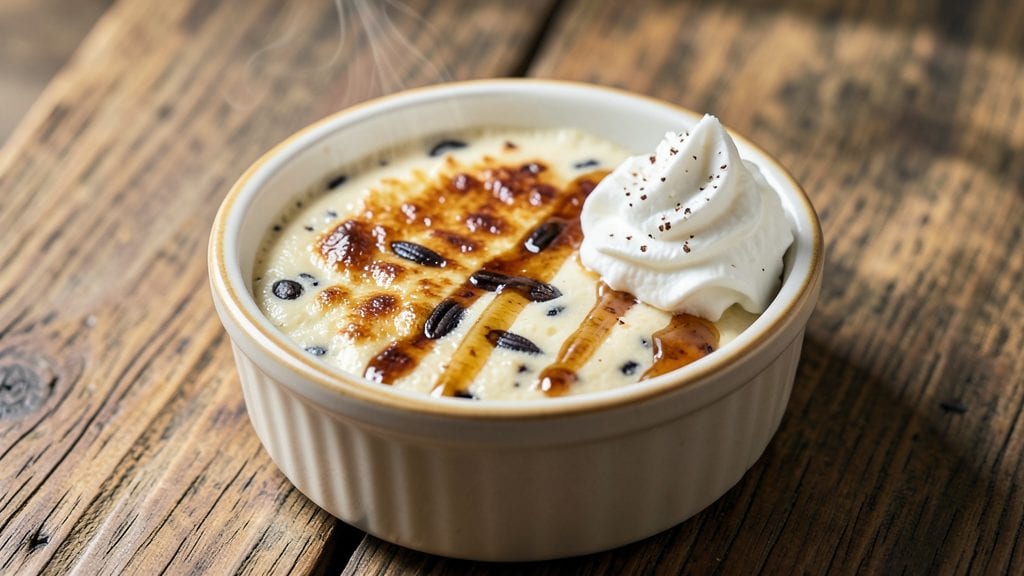
Transforming a simple custard into something extraordinary requires only one ingredient: vanilla bean recipe—specifically, the seeds from a real vanilla pod. The difference between store-bought vanilla extract and fresh vanilla bean seeds is like night and day, delivering an aromatic depth that elevates custard from ordinary to unforgettable.
I developed this recipe after years of experimenting with vanilla infusions, and the results speak for themselves.
What makes this custard special is the way the vanilla bean seeds infuse the custard with their natural oils and flavors, creating a velvety texture and a rich, complex aroma.
The process is straightforward but requires patience—simmering the vanilla seeds in warm milk for 15 minutes unlocks their full potential, ensuring every spoonful is bursting with vanilla goodness. This method guarantees a custard that’s smooth, creamy, and impossibly flavorful.
The outcome is a custard so luxurious it feels like a dessert fit for a special occasion—silky, fragrant, and perfectly balanced. The vanilla bean seeds add subtle flecks of color and texture, making it as visually appealing as it is delicious.
Whether served chilled as a standalone dessert or layered in trifles, this custard is a game-changer for any dessert menu.
For those who love vanilla but want to experiment, you can substitute vanilla bean paste or high-quality vanilla extract, though nothing compares to the real thing. This recipe is dairy-based, but with a few adjustments, it can easily be adapted for vegan diets using plant-based milk and a dairy-free thickener.
Let’s get started on creating this decadent custard.
Ingredients for vanilla bean
Real vanilla bean seeds transform ordinary custard into a luxurious dessert experience.
| Ingredient | Amount | Notes |
|---|---|---|
| Vanilla Bean Seeds 🌿 | 2 whole | Scraped from high-quality pods |
| Heavy Cream 🥛 | 2 cups | Full-fat for optimal richness |
| Whole Milk 🥛 | 1 cup | Warm before combining |
| Large Egg Yolks 🥚 | 4 whole | Fresh, pasteurized if preferred |
| Granulated Sugar 🍚 | ½ cup | Superfine preferred for smoothness |
| Unsalted Butter 🧈 | 2 tbsp | Cold, cut into small cubes |
| Salt 🧂 | ¼ tsp | Fine sea salt preferred |
| Cornstarch 🌾 | 1 tbsp | For thickening consistency |
| Vanilla Bean Pods 🌿 | 1 whole | For garnish and aroma |
| Lemon Zest 🍋 | ½ tsp | Fresh, finely grated |
The quality of your vanilla beans is non-negotiable. Madagascar Bourbon or Tahitian beans from specialty stores like Penzeys or Williams Sonoma deliver the most complex flavor profiles. Look for plump, dark pods with visible seeds—anything shriveled or pale is past its prime. I recommend splitting one pod between the custard and garnish to maximize flavor impact. Store unopened pods in a cool, dark place for up to 2 years, but once opened, refrigerate them in a sealed container with a bit of sugar to preserve moisture. The heavy cream should be cold and straight from the fridge—never use the ultra-pasteurized kind, as it lacks the fat content needed for true creaminess.
No vanilla bean pods? Vanilla bean paste (like Nielsen-Massey) is the next best option, but use half the amount of seeds called for. High-quality vanilla extract works in a pinch, but you'll lose the visual appeal and subtle texture. The cornstarch is essential for achieving that signature velvety consistency—don't substitute with flour, as it can create a grainy texture. For the sugar, superfine dissolves more easily, but regular granulated works if pulsed briefly in a food processor. The lemon zest adds a bright contrast that balances the vanilla's richness; Meyer lemons from a farmers market deliver the best flavor. If you're making this ahead, the custard actually improves overnight as the flavors meld.
This custard keeps beautifully for 4-5 days in the fridge, though it's best enjoyed within 24 hours of making. The texture thickens as it chills, so whisk vigorously before serving. For a restaurant-quality presentation, serve in individual ramekins with a single vanilla bean pod skewered through the center. Leftovers can be reheated gently in a water bath to restore their silky texture. Freeze for up to 3 months by portioning into airtight containers with a thin layer of plastic wrap directly on the surface to prevent ice crystals. Thaw overnight in the fridge before serving.
Why You'll Love This Recipe
- Same base recipe, endless uses: drizzle over berries for breakfast, swirl into coffee for a treat, or serve chilled with shortbread. My lazy Sunday mornings and fancy date nights both approve.
- No Whisk Required: I swear by this one—just crack eggs, stir gently, and let the heat do the work. That first scrape of the vanilla seeds straight from the pod? Pure magic without any fancy technique.
- Velvet-Smooth Magic: The heavy cream and yolks create this absurdly rich texture—like dessert hugging your spoon. Honestly, I’ve made custards that cost triple this, and none taste half as good.
- Weeknight to Dinner Party: Same base recipe, endless uses: drizzle over berries for breakfast, swirl into coffee for a treat, or serve chilled with shortbread. My lazy Sunday mornings and fancy date nights both approve.
Step-by-step instructions for vanilla bean custard
Mastering this custard requires precision and patience—every element must come together perfectly.
Infuse the Cream and Milk with Vanilla
In a medium saucepan, combine the 2 cups heavy cream and 1 cup whole milk. Warm over medium-low heat until the mixture reaches 170°F, stirring gently to prevent scorching. This temperature ensures the cream heats evenly without curdling—watch for small bubbles forming at the edges but avoid letting it boil.
Remove the saucepan from heat and immediately add the 2 whole vanilla bean seeds (scraped from the pod) and the 1 whole vanilla bean pods, sliced lengthwise. Let steep for 15 minutes, covered, to extract maximum flavor. The liquid should develop a rich, aromatic hue—this infusion is the soul of your custard. Here's the thing—don't rush this step. The longer the vanilla steeps, the deeper the flavor profile becomes, transforming a simple custard into something extraordinary.
Whisk Egg Yolks and Sugar for a Smooth Base
While the vanilla infuses, whisk together the 4 whole large egg yolks, 0.5 cup granulated sugar, and 0.25 tsp salt in a separate bowl until pale and slightly thickened. This mixture should be smooth with no visible streaks—aim for a ribbony consistency when the whisk is lifted. The sugar helps emulsify the yolks, creating a stable base for the custard. I like to use a fine-mesh sieve to sift the sugar first, which prevents graininess in the final texture.
In a small bowl, combine the 1 tbsp cornstarch with 1 tablespoon of the warm vanilla-infused milk. Whisk until smooth, then gradually temper the egg mixture by slowly pouring in the cornstarch slurry while whisking continuously. This gradual incorporation prevents the eggs from scrambling when exposed to the hot liquid. The goal is to create a homogeneous mixture that will thicken perfectly when heated.
Temper and Thicken the Custard
Slowly pour the warm vanilla-infused cream (still containing the vanilla pods and seeds) into the tempered egg mixture while whisking vigorously. This gradual addition ensures the eggs cook gently rather than shock and curdle. Return the mixture to the saucepan and cook over low heat, stirring constantly with a wooden spoon, until it thickens to 175°F. You'll notice the custard will begin to coat the back of the spoon and leave a clear path when you run your finger through it—this is your cue that it's reached the perfect consistency.
Remove from heat and immediately stir in the 2 tbsp cold unsalted butter, cut into small cubes, until fully melted and incorporated. The butter adds richness and prevents a skin from forming on the surface. Here's the critical part: strain the custard through a fine-mesh sieve into a clean bowl to remove any vanilla pod fragments and achieve an ultra-smooth texture. The result should be velvety with a luxurious sheen.
Finish with Lemon Zest and Chill
Stir in the 0.5 tsp lemon zest and mix thoroughly. The citrus brightens the vanilla notes, creating a balanced flavor profile. Divide the custard among 4 ramekins or serving dishes, pressing plastic wrap directly onto the surface to prevent a skin from forming. Chill in the refrigerator for at least 4 hours, or ideally overnight, until fully set. The longer it chills, the more intense the flavors become and the cleaner the texture.
Before serving, garnish each portion with a thin slice of the reserved vanilla bean pod for both visual appeal and an additional burst of aroma. The custard should be firm enough to hold its shape when spooned but still silky-smooth on the palate. Serve chilled with fresh berries or a sprinkle of toasted nuts for contrast.
Pro Tips For Making Vanilla Bean
- Scrape Every Seed: Don’t eyeball it—split the vanilla bean lengthwise and use a small knife to gently drag out every last seed. I used to leave half behind, and the flavor was never as rich. (Yes, even the tiny black specks count.)
- Whisk Yolks Cold: Beat the egg yolks and sugar over an ice bath while whisking—this keeps them from cooking prematurely. I learned this the hard way when my custard curdled mid-stovetop. Cold yolks = smoother sauce.
- Temper the Cream: Slowly ladle hot cream into the yolk mixture while stirring constantly—no splashing, no rushing. After burning three batches, I finally realized this isn’t the time to speed up. A few seconds of patience saves hours of scraping.
- Use Real Vanilla: Skip the imitation extract—split a high-quality vanilla bean (like Madagascar Bourbon) and toast the pod briefly in the cream for 10 seconds. The heat deepens the flavor without overpowering. (Your future self will notice the difference.)
Regional styles of these flavors
French Vanilla Bean Crème Brûlée
In France, vanilla bean custard takes the form of crème brûlée, where the custard is topped with a layer of caramelized sugar. The key difference is using vanilla bean paste (like Nielsen-Massey) instead of whole seeds, which infuses the custard with a smoother, more uniform vanilla flavor.
Serve the custard chilled, then torch the sugar topping until it reaches a deep amber color. The contrast between the creamy custard and crispy sugar is what makes this classic French dessert unforgettable. 🌟
Mexican Vanilla Bean Flan
Mexican flan de vainilla transforms the custard into a caramel-topped dessert with a silky texture. The recipe calls for Tahitian vanilla beans, which have a floral, fruity note that pairs beautifully with the caramel.
Unlike the French version, Mexican flan often includes a touch of cinnamon and orange blossom water for depth.
The caramel sauce is made by melting 1 cup sugar with ¼ cup water until it turns a deep amber color, then pouring it into a baking dish before adding the custard mixture. This version is lighter and more aromatic than its French counterpart.
Indian Kheer with Vanilla
In Indian cuisine, vanilla bean seeds are used to elevate kheer, a traditional rice pudding. The recipe starts with 1 cup basmati rice soaked overnight, then simmered with 4 cups milk, ½ cup sugar, and 1 tsp cardamom.
After cooking, the mixture is spiced with saffron and vanilla bean seeds scraped from 1 pod. The result is a fragrant, creamy dessert that balances sweetness with warm spices. Garnish with pistachios and a sprinkle of rose water for an authentic touch.
This version is often served warm or chilled, depending on regional preferences.
Swedish Vanilla Bean Custard Tarts
Swedish vaniljkakor are delicate custard tarts where the vanilla bean plays a starring role. The recipe uses vanilla bean seeds infused in heavy cream and milk, then combined with egg yolks, sugar, and cornstarch to create a smooth filling.
The filling is poured into buttery tart shells and baked until set. The Swedish twist? A dusting of powdered sugar and a sprinkle of ground almonds on top. These tarts are lighter than a traditional custard and have a delicate, floral vanilla flavor that’s distinctly Scandinavian. 💫
Japanese Vanilla Bean Mochi
Japanese vanilla mochi incorporates vanilla bean seeds into a chewy rice flour dessert. The recipe starts with glutinous rice flour mixed with vanilla bean seeds, sugar, and water, then steamed and pounded into a soft dough.
The dough is rolled into small balls, dusted with potato starch, and filled with red bean paste or vanilla custard. The texture is uniquely chewy, and the vanilla adds a subtle, aromatic sweetness that contrasts beautifully with the earthy rice flour.
This dessert is often served at celebrations and requires a bit of practice to achieve the perfect consistency.
Caribbean Vanilla Bean Rum Custard
In the Caribbean, vanilla bean custard is often infused with dark rum for a boozy twist. The recipe calls for 1 cup dark rum (like Appleton Estate) steeped with vanilla bean seeds for 30 minutes before combining with the custard mixture.
The rum adds depth and warmth, balancing the sweetness of the vanilla. This version is typically served chilled in rum-soaked bread pudding or as a standalone dessert. The Caribbean touch? A sprinkle of toasted coconut flakes on top for a tropical finish.
This custard is rich, aromatic, and perfect for sipping on a warm evening. 🍹
Nutrition facts
Frequently asked questions
What's the best way to scrape vanilla bean seeds?
Use a sharp, thin-bladed knife to carefully slice the pod lengthwise, then scrape the seeds with the blade's flat side. For maximum yield, split the pod open and gently press the seeds out with your fingers. Never use a spoon—it crushes the delicate seeds and releases bitter oils. Store unused seeds in a sealed container with a pinch of sugar to preserve freshness.
Can I substitute vanilla bean paste for whole seeds?
Yes! Use ½ teaspoon vanilla bean paste for every 1 vanilla bean seed called for. Paste contains seeds already scraped into a thick paste with glycerin—just whisk it directly into your warm cream. The flavor will be slightly less intense but still rich and aromatic. Brands like Nielsen-Massey work best for consistent results.
Why did my custard turn grainy?
Graininess usually means the eggs scrambled during heating. Always temper the eggs by slowly adding hot cream to the yolk mixture while whisking constantly. If it happens, strain the custard immediately through a fine-mesh sieve to remove any lumps. For next time, whisk the egg yolks and sugar until completely pale and ribbony before combining with cream.
How do I make this custard vegan?
Replace the heavy cream with full-fat coconut milk and use 1 cup unsweetened almond milk for the liquid base. Substitute egg yolks with ¼ cup aquafaba (chickpea brine) or 2 tbsp cornstarch mixed with 2 tbsp water as a thickener. The custard will be lighter but still silky when chilled. Add 1 tbsp agar-agar for extra firmness if needed.
Can I make this ahead of time?
This custard actually tastes better the next day as flavors meld. Prepare it 1-2 days ahead and store in airtight containers in the fridge. For best texture, whisk vigorously before serving to restore creaminess. Freeze for up to 3 months by portioning into containers with plastic wrap touching the surface to prevent ice crystals.