Sauces & Condiments
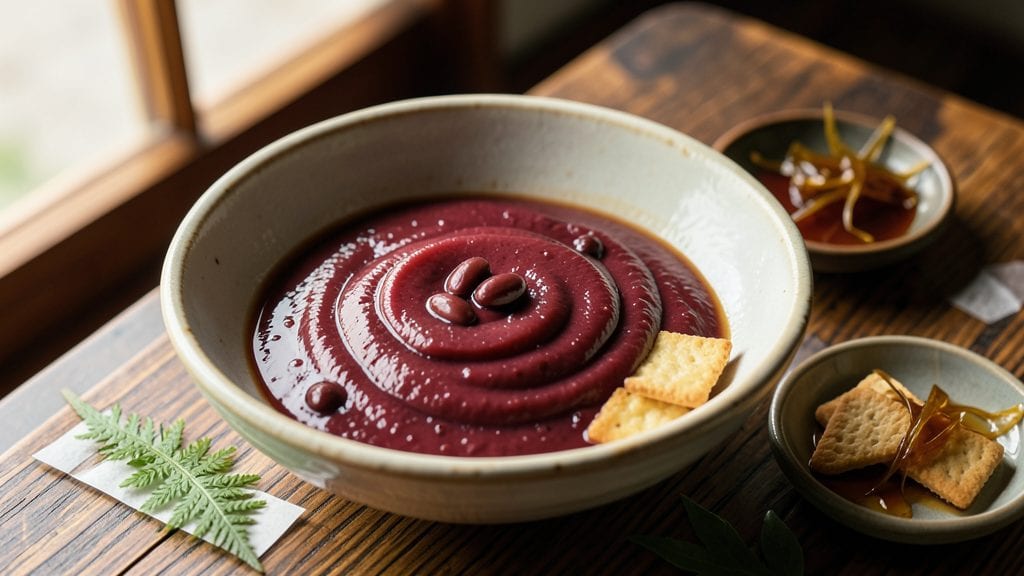
Making Japanese red bean paste from scratch transforms simple adzuki beans into the velvety, sweet-savory filling that defines wagashi and mochi. This vegan-friendly recipe delivers that signature silky texture through precise cooking techniques that prevent grittiness—something I perfected after three failed attempts where the beans refused to break down smoothly.
The key lies in long, gentle simmering and proper mashing, ensuring every spoonful has that restaurant-quality consistency.
What makes this recipe special is its versatility—you can adjust the sweetness to create everything from delicate desserts to savory applications. Traditional anko uses sugar, but I’ve included a variation with honey or maple syrup for those who prefer natural sweeteners.
The process requires patience, but the result is a paste so smooth it disappears between your teeth, revealing layers of nutty bean flavor and subtle sweetness that pair beautifully with mochi, ice cream, or even savory dishes like onigiri.
By the time you finish, you’ll have a jar of silky red bean paste that’s far superior to store-bought versions. The beans soften completely, blending into a uniform texture without any graininess, while the sweetener balances perfectly with the earthy adzuki flavor.
This is the kind of homemade condiment that elevates simple desserts into something truly special—whether you’re filling mochi, topping pancakes, or spreading it on toast for a sweet-savory twist.
Store it in the refrigerator for up to two weeks or freeze for longer shelf life, making it perfect for meal prep and gifting. Let’s get started on creating your own batch of this beloved Japanese staple.
Ingredients for japanese red bean paste
Eight simple ingredients transform into velvety red bean paste perfect for mochi and desserts.
| Ingredient | Amount | Notes |
|---|---|---|
| Adzuki Beans 🌱 | 1 ½ cups | Dry, rinsed thoroughly |
| Granulated Sugar 🍚 | 1 cup | White or raw cane |
| Water 💧 | 3 ½ cups | Filtered preferred |
| Kombu Seaweed 🍃 | 1 piece | Dried, 4x4-inch sheet |
| Mirin 🍶 | 2 tbsp | Sweet rice wine |
| Soy Sauce 🥢 | 1 tbsp | Light or regular |
| Vegetable Oil 🫒 | 1 tbsp | Light, for coating |
| Maple Syrup (optional) 🍁 | ½ cup | For natural sweetener |
| Salt 🧂 | ½ tsp | Diamond Crystal preferred |
Adzuki beans are the heart of this recipe—Japanese import brands like Marukome or Nishiki deliver the best texture, but any dry adzuki works. Soak them overnight for faster cooking, but the intro method (no soaking) gives deeper flavor. The kombu sheet adds umami depth without overpowering—look for thick, dark sheets at Asian markets. If you can't find kombu, a pinch of dried bonito flakes works, but it's not traditional. Sugar is non-negotiable for that signature balance; raw cane sugar caramelizes better than white, but both work. For the sweetener swap, maple syrup adds complexity while keeping it vegan-friendly.
No mirin? Substitute 1 tbsp sugar + 1 tbsp water—it won't be identical, but close. Soy sauce can be swapped for coconut aminos if you're avoiding soy entirely. The vegetable oil is just for coating the pot—avocado oil works too, but don't skip it. For the sweetener, if you're avoiding sugar entirely, agave nectar or date syrup both work at a 1:1 ratio with maple syrup. The salt is subtle but essential—Diamond Crystal dissolves more cleanly than table salt. Pro tip: Toast the beans lightly in the pot before adding water to reduce cooking time by 20 minutes.
This paste keeps for 2 weeks refrigerated or 6 months frozen—perfect for meal prep. Store it in an airtight container with a thin layer of olive oil on top to prevent browning. For gifting, portion into small jars with a ribbon. The texture improves after 24 hours as the flavors meld. If it thickens too much, stir in a splash of water. Freeze in ice cube trays for single-serving portions—ideal for mochi fillings.
Why You'll Love This Recipe
- I’ll be real: I used to dread the long soak for adzuki beans, but this method skips it entirely. Just a quick rinse, then simmer—no waiting around. The kombu seaweed even adds depth without extra effort.
- No-Soaking Required: I’ll be real: I used to dread the long soak for adzuki beans, but this method skips it entirely. Just a quick rinse, then simmer—no waiting around. The kombu seaweed even adds depth without extra effort.
- Sweet-Savory Magic: That balance of mirin’s tang and sugar’s richness? It’s ridiculously good. The beans turn velvety smooth with just a hint of umami from the kombu—no artificial flavors, just pure comfort in every spoonful.
- Everyday or Special: Slather it on toast for breakfast or fill mochi for holidays—it’s that versatile. Honestly, I keep a jar in the fridge for when I need a quick snack or a last-minute dessert fix.
Step-by-step instructions for Japanese red bean paste
Here's how to create that signature velvety texture and perfect sweet-salty balance.
Soak and Parboil the Adzuki Beans
Begin by rinsing the 1.5 cups adzuki beans thoroughly under cold water to remove any debris. Soak them in enough water to cover by 2 inches for at least 4 hours, or overnight for best results. This extended soak ensures even cooking and prevents splitting during the boiling process.
Drain the beans and transfer them to a large pot. Add 3.5 cups water and bring to a boil over high heat. Once boiling vigorously, reduce heat to medium-high and simmer uncovered for 1 hour, stirring occasionally to prevent sticking. The beans are ready when they're tender but still hold their shape—you should be able to pierce them easily with a fork. Drain immediately after boiling to stop the cooking process and preserve their texture.
Cook with Kombu and Seasonings
Return the drained beans to the same pot and add the 1 piece kombu seaweed (cut into strips if needed). This adds subtle umami depth to the paste. Pour in 2 tbsp mirin and 1 tbsp soy sauce, then add 1 tbsp vegetable oil to help emulsify the final mixture. Stir gently to combine all ingredients.
Bring the mixture to a boil over medium-high heat, then reduce to medium-low and simmer uncovered for 30-45 minutes. The beans should break down slightly but still maintain a creamy consistency. Stir occasionally, scraping the bottom of the pot to prevent burning. You'll notice the liquid reduces significantly, and the beans begin to soften into a thick purée. Keep a close eye on the pot—the mixture should never dry out completely, but it should thicken noticeably.
Sweeten and Refine the Paste
Once the beans have softened and the liquid has reduced to a thick, syrupy consistency, it's time to sweeten. Add the 1 cup granulated sugar all at once and stir well to dissolve. If using, incorporate the 0.5 cup maple syrup for a more complex sweetness. Add the 0.5 tsp salt and continue simmering over low heat for 15-20 minutes, stirring frequently.
The paste is ready when it reaches a smooth, spreadable consistency—almost like a thick jam. You should be able to draw a line with your finger that holds its shape. If it's too thick, add 1-2 tablespoons of water at a time until it reaches the desired texture. For an extra-smooth finish, transfer the mixture to a blender or food processor and blend until completely silky, scraping down the sides as needed. This step is optional but ensures a flawless texture perfect for mochi or desserts.
Cool and Store
Transfer the bean paste to a heatproof bowl and let it cool to room temperature. The paste will continue to thicken as it cools, so don't be alarmed if it becomes slightly firmer. Once cooled, cover the bowl with plastic wrap pressed directly onto the surface to prevent a skin from forming. Store in the refrigerator for up to 2 weeks or freeze for up to 3 months for longer shelf life.
Here's the thing—this paste is incredibly versatile. Use it as filling for mochi, dorayaki, or even as a sweet topping for pancakes and ice cream. The balance of sweetness and umami, along with its silky texture, makes it a staple in Japanese desserts. Let it come to room temperature before using to ensure the best consistency in your recipes.
Pro Tips For Making Japanese Red Bean Paste
- SOAK BEANS OVERNIGHT: I learned this the hard way—rushing the soak leads to uneven texture. Cover dried adzuki beans in water (about 4 cups per cup of beans) and let them sit 12+ hours. The longer they soak, the faster they cook, and the creamier the final paste becomes.
- SIMMER LOW AND SLOW: After burning three batches, I finally figured out: once the beans are tender, drop the heat to a gentle simmer. Too much heat turns the paste grainy, and you’ll end up with a gluey mess instead of that velvety, glossy consistency you want.
- SKIP THE PRE-SOAKED KOMBU: Sounds weird, but it works: Toss in the kombu after the beans have softened, not before. This prevents it from over-infusing bitterness into the water. Remove it after 10 minutes—just enough to add umami without dominating.
- STIR IN SUGAR GRADUALLY: Dumping all the sugar at once makes the paste clump like porridge. Instead, add it in 3-4 batches, stirring well between each. This lets the beans absorb it evenly, resulting in a smoother, more balanced sweetness—no grainy surprises when you serve it.
Creative variations of this dish
Sweet vs. Savory
Traditional anko is sweet, but I’ve adapted this recipe for savory applications—perfect for onigiri or rice bowls. Reduce sugar to ½ cup and add 1 tbsp grated ginger and 1 tsp sesame oil for umami depth.
The beans develop a nutty, earthy flavor that pairs beautifully with rice and pickled vegetables. 🥢
Matcha-Infused
For a modern twist, whisk 1 tbsp ceremonial-grade matcha powder into the cooled paste. This creates a vibrant green version perfect for filling mochi or drizzling over ice cream.
I use Ippodo Tea matcha for the smoothest texture. The earthy matcha balances the sweetness beautifully, making it a standout dessert. 💚
Spiced Orange
Add 1 tsp orange zest and ½ tsp ground cinnamon while simmering for a citrusy warmth. This variation works wonderfully as a filling for dorayaki pancakes or spread on toast with a sprinkle of flaky sea salt. The orange zest brightens the earthy beans, creating a complex flavor profile. 🍊
Black Bean Swap
Substitute ½ cup adzuki beans with ½ cup black beans for a deeper, richer paste. Black beans add a subtle smokiness that pairs well with chocolate or coffee.
This version is perfect for filling truffles or pairing with dark chocolate ganache. Just ensure you use high-quality black beans for the best texture. 🌱
Coconut Milk Version
Replace 1 cup water with ½ cup coconut milk for a tropical twist. The coconut milk adds creaminess while keeping the paste vegan-friendly. This variation works beautifully as a filling for coconut mochi or as a topping for tropical fruit salads.
The subtle coconut flavor complements the nutty beans perfectly. 🥥
Savory Miso Anko
For a savory-sweet balance, stir in 2 tbsp white miso paste during the final simmer. This creates a paste that’s perfect for glaze on grilled meats or as a dipping sauce for dumplings.
The miso adds depth while keeping the sweetness in check. I love using this version in Japanese-style meatballs for extra flavor. 🍚
Nutrition facts
Frequently asked questions
Why do my adzuki beans turn mushy instead of breaking down smoothly?
Overcooking is the most common culprit—beans should soften but retain some structure. Simmer uncovered at medium-low heat for exactly 30-45 minutes after the initial boil. Stir frequently and add water 1 tbsp at a time if the pot dries out. The kombu seaweed also helps preserve texture, so don't skip it!
Can I make this paste without mirin or soy sauce?
For mirin, mix 1 tbsp sugar + 1 tbsp water as a substitute. Skip soy sauce entirely or replace it with 1 tbsp coconut aminos for a soy-free version. The umami depth will be slightly different, but the sweetness will still shine through.
How do I know when the paste is perfectly smooth?
The ideal texture should be spreadable but hold its shape when drawn with a finger—like thick jam. For extra silkiness, blend with a food processor after cooling. If it's too thick, add water 1 tbsp at a time until smooth. Pro tip: Let it rest 24 hours before using for the best consistency!
What are the best ways to use this paste beyond mochi?
Try it as a filling for dorayaki pancakes, spread on toast with flaky salt, or mixed into oatmeal for sweetness. For savory applications, reduce sugar to ½ cup and add ginger/sesame oil—perfect for onigiri or rice bowls. The possibilities are endless!
Can I make this recipe with canned beans instead of dry?
Not recommended—canned beans lack the depth of flavor and texture. Dry adzuki beans develop the signature nutty sweetness through slow cooking. If you're short on time, soak canned beans overnight in fresh water to improve texture, but expect a less refined result.