
Side Dishes
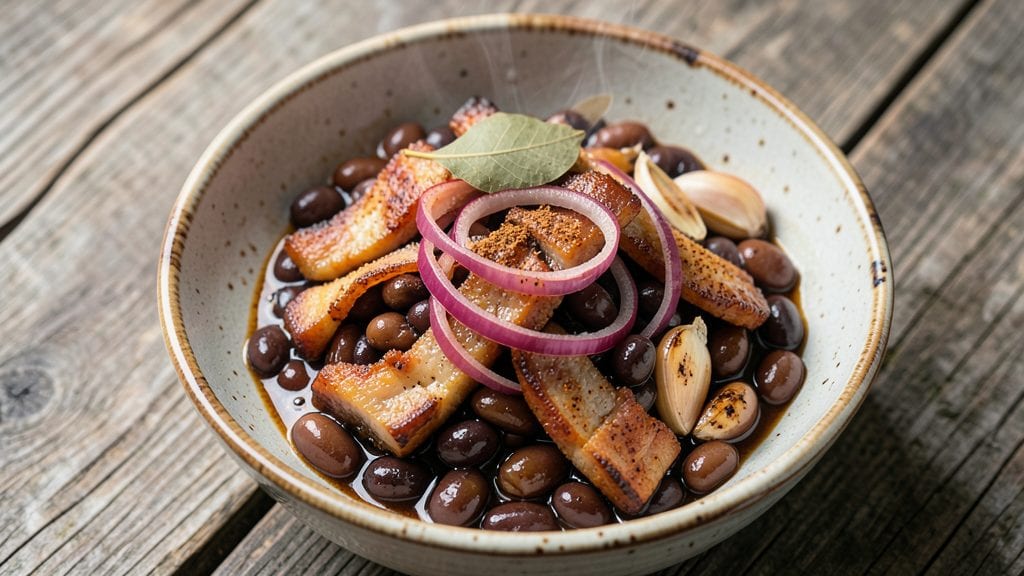
This shipwreck beans recipe brings maritime history to your kitchen with its rich, smoky-spiced flavors born from Caribbean coastal traditions.
The dish earned its name from being a staple for shipwreck survivors, blending simple ingredients like dried beans, salted pork, and aromatic spices into a hearty one-pot meal that sustained crews for weeks.
What makes it special is how humble ingredients transform into something deeply satisfying through slow simmering and careful seasoning.
The recipe's beauty lies in its simplicity and resilience—no fancy techniques, just a pot, a stove, and patience.
You'll start with dried beans soaked overnight to ensure tender texture, then combine them with salted pork (or bacon) and a blend of spices like bay leaf, cloves, and smoked paprika that create that signature smoky depth.
The slow cooking process develops complex flavors, turning basic ingredients into a dish that tastes like a hug from the sea.
By the time it's done, you'll have a pot of velvety beans with tender pork pieces swimming in a rich, aromatic broth. The spices infuse the beans with warmth, while the salted pork adds a savory backbone that makes every bite satisfying.
This is comfort food at its finest—perfect for chilly evenings or as a side to grilled meats, where its bold flavors shine.
The best part? This recipe scales effortlessly, making it ideal for feeding a crowd or prepping ahead for the week. Whether you're recreating history or just craving something hearty, these shipwreck beans deliver restaurant-quality results with minimal effort. Let's get cooking!
Ingredients for shipwreck beans
Simple pantry staples transform into a dish steeped in maritime history and smoky-spiced warmth.
| Ingredient | Amount | Notes |
|---|---|---|
| Dried Navy Beans 🌱 | 2 cups | Unsoaked, dried beans preferred |
| Salted Pork 🥓 | 1 lb | Or bacon, diced into 1/2-inch cubes |
| Yellow Onion 🧅 | 1 whole | Medium size, chopped coarsely |
| Garlic Cloves 🧄 | 4 cloves | Peeled and smashed |
| Smoked Paprika 🌶️ | 2 tbsp | For authentic smoky depth |
| Bay Leaves 🌿 | 2 whole | Fresh or dried |
| Ground Cloves 🌶️ | ½ tsp | Freshly ground preferred |
| Carrots 🥕 | 2 medium | Peeled and chopped into chunks |
| Tomato Paste 🍅 | ¼ cup | Squeeze tube or canned |
| Water 💧 | 6 cups | For soaking beans overnight |
| Salt 🧂 | 1 ½ tsp | Adjust to taste |
| Black Peppercorns 🌶️ | ½ tsp | Crushed lightly |
| Olive Oil 🫒 | 2 tbsp | For sautéing onions |
| Fresh Thyme 🌿 | 1 tbsp | Leaves only, chopped |
| Dark Brown Sugar 🍯 | 1 tbsp | For subtle sweetness |
The beans are the heart of this dish, so opt for dried navy beans—they hold their shape beautifully and absorb flavors like a sponge. Costco or bulk bins are great for quality dried beans, but any reputable grocery store carries them. For the salted pork, look for thick-cut bacon or salt pork from the deli section—it should have visible fat marbling for flavor. The smoked paprika is non-negotiable here; Penzeys or Goya brands deliver that authentic smoky depth. Fresh thyme adds brightness, but dried works in a pinch at one-third the amount. Always check your spices for freshness—they should smell aromatic, not stale.
No smoked paprika? Substitute with half the amount of liquid smoke plus a pinch of cayenne for heat. Running low on salted pork? Bacon or even smoked ham works, though the flavor will differ slightly. Fresh thyme unavailable? Dried oregano or marjoram can stand in, but reduce to half the quantity. The carrots can be swapped for celery or bell peppers if you prefer, but they add natural sweetness that balances the smoky flavors. For the tomato paste, Trader Joe's squeeze tubes are perfect—they're convenient and last longer than canned versions. The brown sugar is optional but adds a subtle caramel note that rounds out the dish beautifully.
This recipe rewards patience—soak the beans overnight for tender results, then simmer for at least 2 hours. The flavors deepen over time, so plan for 3-4 hours total if possible. Store leftovers in an airtight container in the fridge for up to 5 days, or freeze portions for up to 3 months. The broth thickens as it cools, so a splash of water revives it perfectly. I always double the batch—the extra reheats beautifully for lunches or pairs wonderfully with cornbread.
Why You'll Love This Recipe
- One-Pot Magic: I swear by this recipe when I’m too tired to scrub pots. Toss everything—beans, pork, onions, garlic—into one pot, add water, and let it simmer. No chopping boards, no extra dishes, just hands-off cooking while you do whatever else needs doing.
- Smoky Salty Crunch: That crispy salted pork on top? Absolute perfection. The smoky paprika and caramelized onions make every bite rich and deep, but the pork gives it this satisfying crunch that turns a simple bean dish into something special. Honestly, I’ll take this over fussy meals any day.
- Weeknight Workhorse: This is my go-to when I’m feeding the whole family on a budget. It’s hearty enough for a weeknight dinner but still feels like a treat. Plus, my kids actually eat their veggies when they’re hidden in this—no complaints, just empty bowls.
- Leftovers That Don’t Suck: Between us, most bean dishes turn into sad mush after day two. Not these. The salted pork stays tender, the beans hold their shape, and the flavors only get better as they sit. I make a double batch just so I can reheat it all week without stress.
Step-by-step instructions for smoky-spiced shipwreck beans
This one-pot method delivers deep, complex flavors with minimal effort and cleanup.
Prepare the Beans for Maximum Flavor
Place the 2 cups dried navy beans in a large bowl and cover with cold water by at least 2 inches. Let them soak overnight at room temperature—this reduces cooking time and prevents tough texture. I always use a colander to drain them the next morning, then rinse thoroughly under cold water to remove any residual soaking liquid.
In a separate bowl, combine the 1 lb salted pork with the 2 tbsp smoked paprika, 0.5 tsp ground cloves, and 0.5 tsp crushed black peppercorns. Mix well to coat the pork evenly. This spice blend forms the foundation of the dish's signature smoky depth. Set aside while you prepare the vegetables.
Build the Flavor Base in the Pot
Heat the 2 tbsp olive oil in a large Dutch oven or heavy pot over medium heat. Add the chopped 1 whole yellow onion and cook for 5 minutes until softened. Stir in the 4 smashed garlic cloves and cook for another 30 seconds until fragrant—this prevents the garlic from burning and creates a rich aromatic base.
Add the chopped 2 medium carrots and cook for 4 minutes until they begin to soften. Here's where it gets good: Stir in the 0.25 cup tomato paste and cook for 2 minutes until it darkens slightly. This step develops the sauce's depth and prevents the beans from turning mushy later. The tomato paste acts as a natural thickener and flavor concentrator.
Combine and Simmer for Deep Flavor
Add the drained beans, salted pork mixture, 6 cups water, 1.5 tsp salt, 2 whole bay leaves, and 1 tbsp chopped fresh thyme to the pot. Bring to a boil over high heat, then immediately reduce to a gentle simmer. The water should just barely bubble at the edges—this prevents the beans from breaking apart.
Here's the key: Partially cover the pot and simmer for 1.5 to 2 hours, stirring occasionally. You'll notice the liquid reduces gradually and the beans soften. When the beans are tender but still hold their shape (they should be fork-tender but not falling apart), stir in the 1 tbsp dark brown sugar. This adds subtle sweetness that balances the smoky flavors.
Finish with Perfect Texture and Depth
Continue simmering uncovered for another 20 to 30 minutes until the liquid has reduced to a thick, saucy consistency. The beans should be completely tender with a creamy texture, and the pork should be fully cooked and crispy at the edges. Taste and adjust seasoning with additional salt if needed—shipwreck beans should be rich, smoky, and slightly sweet.
Remove the 2 whole bay leaves before serving. The dish should have a thick, hearty consistency with visible chunks of pork and vegetables throughout. This one-pot method captures all the flavors in every bite, making it perfect for hearty meals or potlucks. Serve immediately while hot, with crusty bread to soak up the delicious sauce.
Pro Tips For Making Shipwreck Beans
- SOAK BEANS OVERNIGHT: I learned this the hard way—rushing the soak with dried navy beans leaves them tough no matter how long you simmer. Toss them in cold water with a pinch of salt (yes, even if they’re dried) and let them sit 12+ hours. The texture difference is like night and day.
- CRISP THE PORK FIRST: Skip the slow cooker shortcut and sear the salted pork in batches until it’s golden and crackling. That crisp adds depth the recipe won’t get otherwise. Use a cold pan and low heat at first—rushing this burns the fat before it renders.
- SWAP ONIONS FOR CARAMELIZED: My grandmother swore by this, and she was right: cook the onions until they’re deep amber, not just soft. The sweetness cuts through the salted pork’s saltiness and balances the smoky paprika. Add a splash of water if they stick—it’s not burning, just browning.
- SIMMER LOW AND LONG: After the initial boil, drop the heat to the lowest setting that keeps a gentle bubble. Navy beans need patience—anything hotter turns them mushy. I used to walk away at 45 minutes, but they’re done at 90. The flavor develops in that extra time.
Creative variations of shipwreck beans
Caribbean Spice Twist
Transform this classic into a vibrant Caribbean-inspired version by adding 1 tbsp grated fresh ginger and 1 scallion (white and green parts) when sautéing the onions.
Swap the smoked paprika for 1 tsp allspice berries and 1 tsp ground nutmeg—these spices are staples in Caribbean cuisine and add warm, earthy depth. For extra brightness, stir in 1 tbsp lime juice and 2 tbsp chopped cilantro at the very end.
Serve with steamed white rice and grilled jerk chicken for a full island feast. 🌴
Mediterranean Seafood Upgrade
Give it a coastal Mediterranean makeover by replacing the salted pork with ½ lb mussels or clams (cleaned and debearded) and adding 1 diced fennel bulb to the sautéed vegetables. Infuse the broth with 1 tsp dried oregano and ½ tsp crushed red pepper flakes for a briny, spicy kick.
Stir in ¼ cup white wine when adding the tomato paste to deglaze the pot. Top with fresh parsley and serve with crusty focaccia bread. 🦪
Slow-Cooker Adaptation
For hands-off cooking, transfer all ingredients to a 6-quart slow cooker after sautéing the vegetables. Set it to low heat for 6-8 hours or high heat for 4-5 hours, stirring once halfway.
The slow cooker’s gentle heat mimics the traditional long simmer, resulting in tender beans and perfectly seasoned broth. This method is ideal for busy weeknights—just press start and let it work its magic. 🕒
Spicy Cajun Kick
Add bold Cajun flavors by mixing 1 tbsp Cajun seasoning (like Tony Chachere’s) with the smoked paprika before coating the pork. Include 1 diced green bell pepper and 1 stalk celery in the sautéed vegetables for the classic "holy trinity" base.
Finish with ½ tsp cayenne pepper and a squeeze of lemon for tang. Serve with cornbread and a side of collard greens for a Southern-inspired twist. 🌶️
Vegetarian Version
Swap the pork for 1 lb smoked tofu or mushrooms (like cremini or shiitake) for umami depth. Boost the broth with 1 cup vegetable broth instead of water and add 1 tbsp soy sauce for saltiness.
Toss in 1 cup diced sweet potatoes with the carrots for natural sweetness. Top with avocado slices and lime wedges for a fresh, vibrant finish. 🥑
Winter Comfort Bowl
Turn these beans into a hearty winter bowl by adding ½ cup cooked quinoa or wild rice to the pot during the final 30 minutes of cooking. Top with sautéed kale (massaged with olive oil and garlic) and toasted pecans for crunch.
Drizzle with maple syrup and a sprinkle of feta cheese for a sweet-savory balance. This version is perfect for cold evenings and doubles as a complete meal. ❄️
Nutrition facts
Frequently asked questions
Why is this dish called "shipwreck beans"?
The name comes from its origins as a hardy, long-lasting meal for shipwreck survivors. Dried beans and salted pork were staples on sailing vessels because they didn't spoil easily. When ships ran aground, these ingredients could be cooked over open fires for days, making them a reliable source of nutrition in desperate situations. The smoky flavors also mimic the campfire cooking methods used by sailors.
Can I use canned beans instead of dried?
While dried beans create the authentic texture, you can use canned beans in a pinch. Drain and rinse 3 cups of canned navy beans (or pinto beans) and add them to the pot during the final 30 minutes of simmering. The flavor will be good, but the dish won't have the same rich, creamy consistency as dried beans. For best results, soak the dried beans overnight as directed.
What's the secret to getting the perfect smoky flavor?
The smoky depth comes from three key elements: smoked paprika, slow cooking, and proper seasoning. Don't skip the smoked paprika—it's non-negotiable for authentic flavor. The long simmer (at least 2 hours) allows the spices to infuse fully, while the salted pork adds natural smokiness. For extra depth, toast the spices lightly in a dry pan before adding them to the pot.
How do I store and reheat leftovers?
Transfer leftovers to an airtight container and refrigerate for up to 5 days. To reheat, add 2-3 tablespoons of water or broth and warm over medium heat until steaming. For the freezer, portion into meal-sized containers and freeze for up to 3 months. Thaw overnight in the fridge before reheating. The flavors actually improve after a day or two!
What's the best way to serve this dish?
These beans are perfect as a hearty side dish, but they can also stand alone as a main course. Serve with crusty bread to soak up the delicious sauce, or pair with grilled meats like chicken or steak. For a complete meal, add steamed rice or cornbread. The dish also works wonderfully in sandwiches—just mash slightly and pile high between slices of toasted bread with a fried egg on top.