
Side Dishes
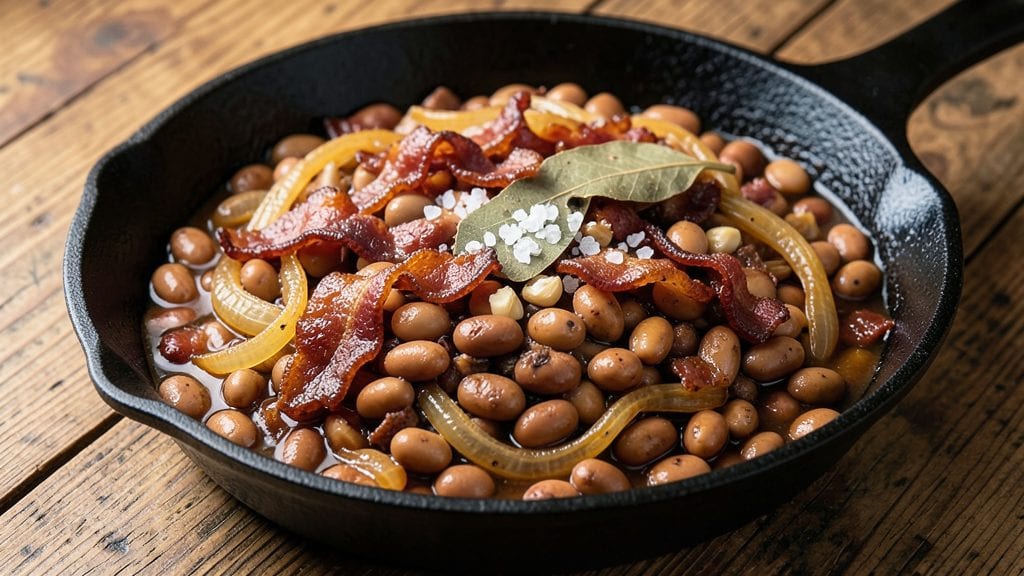
Grandma's old-fashioned pinto beans recipe is the kind of dish that transforms a simple meal into something truly special. This slow-cooked masterpiece delivers deep, smoky flavors built on a rich garlic-onion base—just like the ones I remember from family gatherings growing up.
The secret lies in that perfect balance of bacon fat, slow simmering, and just the right amount of salt, creating beans that practically melt in your mouth.
What makes this recipe truly authentic is the traditional approach: no shortcuts, no instant pots, just hours of gentle simmering that develops those complex, comforting flavors. We're talking about tender beans with a slightly thickened broth, infused with the aroma of onions, garlic, and just a touch of smoked bacon.
This isn't just a side dish—it's the heart of any meal, especially when served alongside cornbread or grilled meats.
The process begins with soaking the beans overnight, which ensures they cook evenly and develop that signature creamy texture. As they simmer, the flavors meld together—smoky, savory, and just slightly sweet—creating a dish that's impossible to resist.
The result is a pot of beans so flavorful, it becomes the star of the table, not just a supporting player.
Whether you're serving this classic side for a family dinner or meal prepping for the week, these pinto beans deliver restaurant-quality results with minimal effort.
The beauty of this recipe lies in its versatility—traditionalists will appreciate the authentic methods, while modern cooks can adapt it with vegetarian options or different seasoning blends. Let's get cooking!
Ingredients for grandma's old fashioned pinto beans
Sixteen ingredients for a dish that tastes like nostalgia in every bite.
| Ingredient | Amount | Notes |
|---|---|---|
| Dried Pinto Beans 🌾 | 2 cups | Rinsed and picked over |
| Yellow Onions 🧅 | 2 whole | Diced, medium size preferred |
| Garlic Cloves 🧄 | 6 cloves | Minced, fresh preferred |
| Smoked Bacon 🥓 | 8 oz | Chopped, thick-cut preferred |
| Bay Leaves 🌿 | 2 whole | Dried, standard size |
| Salt 🧂 | 2 tsp | Diamond Crystal preferred |
| Black Peppercorns 🌶️ | 1 tsp | Freshly cracked preferred |
| Ground Cumin 🌿 | 1 tsp | Toasted for depth |
| Dried Thyme 🌿 | 1 tsp | Or 1 tbsp fresh |
| Water 💧 | 10 cups | Filtered preferred |
| Apple Cider Vinegar 🍎 | 1 tbsp | For brightness |
| Lard or Bacon Fat 🍳 | 2 tbsp | For frying onions |
| Molasses 🍯 | 1 tbsp | Unsulphured preferred |
The beans are the foundation, so don't skimp on quality. Bob's Red Mill or Great Northern are solid choices, but any dried pinto beans work. The bacon? Thick-cut smoked bacon from Oscar Mayer or Costco adds that authentic smokiness—pre-cooked bacon works too, but fresh-rendered fat is worth the extra step. Onions and garlic should be fresh, with vibrant color and no bruising. For the bay leaves, California Bay is the classic choice, but any dried will do. The molasses? Unsulphured is key—it keeps the flavor pure and lets the smoky notes shine through.
No bacon? Substitute smoked paprika at 1 tsp—it won't be the same, but it works in a pinch. Fresh thyme? Use 1 tbsp chopped instead of the dried. Short on molasses? Maple syrup at half the amount adds sweetness, but lacks depth. The vinegar can be swapped for lemon juice, though apple cider vinegar gives that classic tang. For a vegetarian twist, skip the bacon entirely and add 1 tbsp liquid smoke to the cooking liquid. The beans? Canned work in a bind, but soaked dried give that signature creamy texture.
This dish tastes even better the next day—flavors meld beautifully after a night in the fridge. Store in an airtight container for 5-6 days, or freeze portions for up to 6 months. I like to portion into quart-sized containers for easy lunches—just reheat with a splash of water. The broth thickens as it cools, so add a little water when reheating if it's too stiff. Leftovers? Perfect for tacos, burritos, or just eating straight from the pot with a hunk of cornbread.
Why You'll Love This Recipe
- No-Fuss Soak: I just toss the dried beans in a bowl with cold water overnight—no fancy gadgets, no peeling. The next morning, I drain and rinse, then pop them in the pot with the bacon and onions. That’s it. Honestly, the hardest part is waiting for them to simmer.
- Smoky Magic: Between the crispy bacon and those bay leaves, this isn’t just "beans"—it’s a flavor bomb. The onions caramelize right into the pot, and the garlic? It sneaks up on you with this deep, savory punch that makes you want to eat it straight from the spoon.
- Leftovers That Shine: This recipe actually improves the next day. The flavors meld into something richer, and it turns into my go-to for tacos, burritos, or even a quick fried rice. I’ll be real: half the time, I make a double batch just so I have it on hand.
- Budget-Friendly Feast: Dried beans and bacon stretch this into a full meal for four for under $10. It’s the kind of dish where you’re feeding everyone without breaking the bank, and the leftovers? Even better. My college roommate still talks about how I fed us all through finals week with this one.
Step-by-step instructions for Grandma's old fashioned pinto beans
This slow-cooked method builds deep smoky flavor layer by layer—just like Grandma used to make.
Render the Bacon and Sauté the Aromatics
In a large Dutch oven, cook the 8 oz smoked bacon over medium heat until the fat renders out and the bacon becomes crispy—about 10-12 minutes. I like to press down gently with a spatula to help release the fat, which will form the flavor base for the beans. Once the bacon is golden, remove it with tongs and set aside, leaving the fat in the pot.
In that same bacon fat, add the 2 tbsp lard or bacon fat and swirl to combine. Add the 2 whole yellow onions, diced, and cook over medium heat for 8-10 minutes, stirring occasionally, until the onions soften and begin to caramelize slightly. Here's the thing—don't rush this step. The onions should develop a deep golden color and a sweet, jammy texture. Stir in the 6 cloves minced garlic and cook for another 30 seconds until fragrant. You'll smell that rich, toasty aroma—this is where the magic starts.
Build the Flavor Base with Spices and Vinegar
Reduce the heat to low and sprinkle in the 1 tsp ground cumin, 1 tsp dried thyme, 1 tsp black peppercorns, and 2 tsp salt. Stir these spices into the onions and garlic, letting them toast for 1 minute—this deepens their flavor and prevents bitterness. Add the 1 tbsp apple cider vinegar and 1 tbsp molasses, stirring well. The vinegar brightens the dish while the molasses adds a touch of sweetness that balances the smokiness. Let this mixture simmer for 2 minutes until the raw vinegar smell dissipates and the spices are fully incorporated.
Now return the crispy bacon to the pot, breaking it into smaller pieces as you go. Add the 2 whole bay leaves and stir everything together. This step is all about building layers of flavor—each ingredient contributes something unique, and letting them meld is what creates that old-fashioned depth. The pot should smell rich, smoky, and slightly sweet at this point.
Soak and Add the Beans
While the flavor base simmers, rinse the 2 cups dried pinto beans thoroughly under cold water, then pick over to remove any stones or debris. In a large bowl, combine the beans with 10 cups water and let them soak for at least 4 hours—overnight is even better. This long soak ensures the beans cook evenly and reduces cooking time significantly. After soaking, drain the beans and add them to the Dutch oven with the flavor base.
Pour in enough fresh water to cover the beans by about 2 inches—you should have roughly 8-10 cups total liquid including what's already in the pot. Bring the mixture to a gentle boil over medium-high heat, then immediately reduce the heat to low and partially cover the pot. Here's the key: the beans need to simmer, not boil vigorously. If they boil too hard, they'll toughen and never get tender. Let them cook uncovered for 1 hour, then add more water if needed to keep them submerged.
Slow Cook Until Tender and Flavorful
After the initial hour, reduce the heat to the lowest setting possible—just enough to maintain a barely simmering state. This slow cooking is what transforms tough dried beans into creamy, flavorful ones. Let them cook for 2-2.5 hours, stirring occasionally and adding small amounts of water as needed to keep the beans submerged. The beans are done when they're fork-tender—you should be able to pierce them easily with a fork, but they shouldn't fall apart.
Here's the test: taste one of the beans. It should be creamy inside with just a hint of resistance, not mushy. The cooking liquid should be thick and infused with all those smoky, sweet, and savory flavors we built earlier. If the beans aren't tender enough after 2.5 hours, give them another 30 minutes—they'll keep getting better as they sit. Once they're perfect, remove the bay leaves and discard them. The beans are now ready to serve, but they'll taste even better if you let them sit for 15-20 minutes off the heat. This resting time lets the flavors meld even more deeply.
Pro Tips For Making Grandma'S Old Fashioned Pinto Beans
- SOAK BEANS OVERNIGHT: I used to skimp on this, but trust me—soaking dried pintos for 12+ hours (not just a quick rinse) cuts cooking time by nearly half and prevents that gummy texture. Drain, rinse, and start fresh the next morning—your beans will thank you with even texture and better flavor.
- CRISP THE BACON FIRST: Cook the smoked bacon until it’s deep crispy, not just browned, then drain on paper towels. Those crispy bits are flavor gold—toss them back into the pot later, and they’ll melt into the beans like little bacon dreams. (Yes, it takes 5 extra minutes, but it’s worth it.)
- SWEAT ONIONS LOW AND SLOW: After frying the bacon, push it aside and sweat the onions over medium-low heat—no rushing. You want them soft and translucent, not caramelized, so they blend into the beans without overpowering. I learned this the hard way when I burned the first batch and had to start over.
- SALT THE BEANS EARLY: Add a pinch of salt to the soaking water (about 1 tsp per pound of beans) and another when you start cooking. This prevents the beans from absorbing too much liquid later and keeps them from tasting bland. (Pro move: Taste the beans halfway through—if they’re bland, add a little more salt and a splash of broth.)
Flavor customization for this grandma's old fashioned pinto beans
Smoky vs Sweet
One of my favorite customizations is adjusting the smoky-sweet balance. For extra smokiness, add ½ tsp smoked paprika to the spice mix or swap the bacon for ½ lb smoked sausage like kielbasa.
For sweetness, increase the molasses to 2 tbsp or add 1 tbsp brown sugar—this works especially well with Mexican-inspired versions. 🌶️
Spicy Kick
Want heat? Stir in ½ tsp cayenne pepper with the spices or add 1 chopped jalapeño to the onions. For a deeper chili heat, use 1 tbsp chipotle powder instead of smoked paprika.
I like to serve spicy beans with cool toppings like sour cream or avocado slices to balance the burn.
Vegetarian Adaptation
Skip the bacon entirely and use 2 tbsp liquid smoke plus 1 tsp garlic powder to mimic the smoky depth. For richness, add 2 tbsp nutritional yeast or 1 tbsp soy sauce to the cooking liquid.
The beans still develop that creamy texture—just without the meaty fat. This version works perfectly with hearty vegetarian mains like black bean burgers.
Herb Variations
Swap thyme for 1 tsp dried oregano for a Mediterranean twist, or add 1 sprig fresh rosemary for an earthy depth. For a Tex-Mex flavor, include ½ tsp ground coriander and ½ tsp cinnamon—this combo adds warmth that pairs beautifully with corn tortillas.
I often make a double batch with herbs so I can experiment with different flavor profiles.
Acid Brightness
Adjust the tanginess by swapping apple cider vinegar for lemon juice or white wine vinegar. For a funkier profile, add 1 tsp fish sauce (trust me, it works!) or a splash of beer like a light lager.
The acidity cuts through the richness, making each bite more vibrant. This is especially useful if your beans taste too heavy after reheating.
Texture Play
For extra creaminess, mash ½ cup of the cooked beans directly into the pot during the final 30 minutes of cooking. This thickens the broth and gives you that restaurant-style texture.
If you prefer chunkier beans, reduce the cooking liquid by 1 cup—just add the beans when the liquid is at 4 cups instead of 8-10 cups. The result is a thicker, more concentrated flavor.
Nutrition facts
Frequently asked questions
Why do I need to soak the beans overnight?
Soaking removes anti-nutrients that cause digestive discomfort and dramatically reduces cooking time. Overnight soaking (8+ hours) ensures even tenderness—dried beans cook unevenly without it. The beans will also hold their shape better, giving you that perfect creamy texture with just a slight bite. Skipping this step can leave you with mushy beans after hours on the stove.
Can I use canned beans instead of dried?
Yes, but expect less depth of flavor. Dried beans develop their signature creamy texture and rich broth through slow cooking. For canned beans, use 4 (15 oz) cans drained, add them after the bacon and onions, then simmer for 30-45 minutes with the spices. The broth will be thinner—add 1 cup tomato paste or ½ cup cornstarch slurry to thicken it.
What if my beans turn out too salty?
Don't panic! Add 1 cup of water or broth and simmer uncovered for 15-20 minutes to dilute the salt. For extra insurance, stir in ½ cup cooked rice or potatoes—they'll absorb excess salt while adding body. If the beans are still too salty, serve them with tangy toppings like pickled jalapeños or sour cream to balance the flavor.
How do I make these vegetarian?
Skip the bacon and replace it with 2 tbsp liquid smoke plus 1 tsp garlic powder in the cooking liquid. Add 2 tbsp nutritional yeast for umami depth and 1 tbsp soy sauce for richness. The beans will still develop that creamy texture—just without the meaty fat. For extra heartiness, stir in ½ cup cooked lentils during the final 30 minutes of cooking.
Can I make this in a slow cooker?
Follow the same steps for rendering bacon and sautéing onions, then transfer everything to your slow cooker. Add the soaked beans and enough water to cover by 1 inch. Cook on low for 6-7 hours or high for 3-4 hours, stirring occasionally. The slow cooker's gentle heat mimics the traditional method perfectly—just check the beans' tenderness after 3 hours if using high heat.