
Breakfast & Brunch
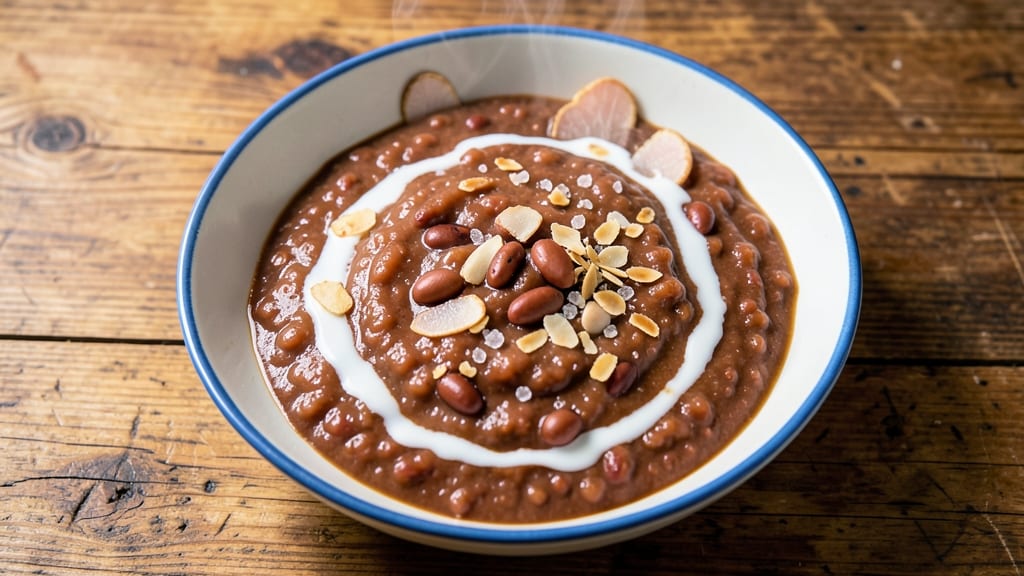
This red bean porridge recipe delivers the comforting warmth of a traditional Asian breakfast with its signature silky texture and earthy adzuki flavor—perfect for chilly mornings or cozy evenings. I first discovered it during a trip to Taiwan, where steaming bowls of this porridge were served with a sprinkle of brown sugar and a side of pickled ginger. The key lies in slow-cooking the beans until they break down into a velvety consistency while maintaining their natural sweetness.
What makes this recipe special is its versatility—whether you prefer the classic Taiwanese version with rock sugar or a modern twist with coconut milk and chia seeds.
The porridge is naturally vegan, packed with plant-based protein, and requires just five simple ingredients: adzuki beans, water, a pinch of salt, and your choice of sweetener.
It’s a foolproof method that works equally well on the stovetop or in a pressure cooker, ensuring tender beans and a smooth, lump-free texture every time.
By the end, you’ll have a steaming bowl of porridge that’s rich in flavor and satisfyingly thick, with a delicate balance between the natural sweetness of the beans and the subtle warmth of ginger or cinnamon.
The result is a dish that’s both nourishing and comforting, ideal for breakfast, dessert, or even a light dinner. Let’s get started on creating this timeless classic.
This recipe also works beautifully as a base for other variations—add lotus seeds for texture, black sesame paste for depth, or a drizzle of honey for extra sweetness. The possibilities are endless, but the foundation remains the same: silky, earthy, and deeply comforting. Here’s how to make it.
Ingredients for red bean porridge
Five core ingredients transform into velvety red bean porridge with Asian-inspired warmth and depth.
| Ingredient | Amount | Notes |
|---|---|---|
| Adzuki Beans 🌾 | 1 cup | Dried, rinsed well |
| Water 💧 | 6 cups | Filtered preferred |
| Rock Sugar 🍯 | ¼ cup | Or brown sugar substitute |
| Fresh Ginger 🧄 | 1 tbsp | Peeled, grated finely |
| Salt 🧂 | ¼ tsp | Fine sea salt preferred |
| Coconut Milk 🥥 | ½ cup | Full-fat for creaminess |
| Chia Seeds 🌱 | 1 tbsp | Optional for texture |
| Pickled Ginger 🧄 | 2 tbsp | For serving, optional |
The adzuki beans are the heart of this dish—dried beans develop the richest flavor, but canned adzuki (rinsed well) works in a pinch. For the best texture, soak dried beans overnight, but the pressure cooker method skips this step entirely. Asian grocery stores carry dried adzuki in bulk, while regular supermarkets often stock them in the international aisle. Rock sugar adds authentic sweetness, but brown sugar or coconut sugar work beautifully too. The ginger? Freshly grated releases more aroma than powdered, and a microplane makes quick work of it.
No rock sugar? Maple syrup or agave at half the amount delivers similar sweetness. Short on ginger? Ground ginger at one-third the amount is fine, but fresh is ideal. Coconut milk adds richness—full-fat canned coconut milk gives the best texture, while light coconut milk keeps it lighter. For extra protein, stir in silken tofu or tahini at the end. The chia seeds are optional but add a lovely texture contrast; if you skip them, a sprinkle of toasted sesame seeds works too. Pickled ginger is traditional but not required—just serve with a drizzle of honey substitute if you like.
This porridge keeps beautifully in the fridge for 5 days, though it reheats best with a splash of water. For longer storage, freeze portions in airtight containers for up to 3 months. I like to make a big batch on Sundays—it reheats perfectly for quick breakfasts all week. The texture improves slightly after chilling, so if you can wait, do. For serving, a sprinkle of toasted sesame oil or a dusting of cinnamon elevates it further.
Why You'll Love This Recipe
- Five-Ingredient Magic: I swear by this—just beans, water, sugar, ginger, and salt. That’s it. No chopping, no fuss, no last-minute grocery runs. The adzuki beans soften into a velvety texture all on their own while you sip your morning coffee.
- Sweet-Spicy Harmony: The rock sugar caramelizes into a subtle, buttery sweetness, while the ginger adds a warm, earthy kick. It’s the kind of balance that makes you pause mid-spoonful—like a hug in a bowl.
- Leftover Goldmine: This porridge only gets better the next day. Reheat it, and the flavors meld into something richer, almost like a dessert. I’ve had it cold with ice cream, reheated with a fried egg, or straight from the pot—it’s that adaptable.
- Budget Comfort Food: Adzuki beans are cheap, shelf-stable, and pack serious protein. A single batch feeds my family for days, and the rock sugar stretches further than store-bought sweeteners. Honestly, it’s my go-to when I’m low on cash but still want something special.
Step-by-step instructions for silky red bean porridge
Here's the method to create a velvety porridge with perfect adzuki texture and balanced sweetness.
Soak and Prepare the Adzuki Beans
Place the 1 cup Adzuki Beans in a large bowl and cover with cold water by about 2 inches. Soak for at least 8 hours or overnight at room temperature. This extended soak ensures the beans soften evenly and eliminates the need for long simmering, which can make the porridge gummy. After soaking, drain and rinse the beans thoroughly under cold water.
Transfer the soaked beans to a 6-quart pot and add 6 cups Water. Bring to a boil over medium-high heat, then immediately reduce to medium-low heat. The beans should simmer gently with small bubbles breaking the surface. Skim off any foam that rises to the top during the first 5 minutes of cooking—this prevents bitterness in the final porridge.
Simmer Until Perfectly Tender
Cover the pot and cook the beans for 1 hour to 1 hour 15 minutes, stirring occasionally to prevent sticking. You'll know they're ready when they're fork-tender but still hold their shape slightly—they should be soft enough to crush between your fingers but not mushy. If the water level drops below 2 cups, add more hot water to maintain proper consistency.
Once tender, remove from heat and let the beans sit covered for 10 minutes. This resting period allows the beans to absorb any remaining liquid and develop their full flavor. Use an immersion blender to puree the beans directly in the pot until completely smooth. If you prefer a slightly textured porridge, blend only half and leave the other half whole for contrast.
Season and Sweeten the Porridge
Return the pureed beans to the pot and stir in the 0.25 cup Rock Sugar and 0.25 tsp Salt. Heat the mixture over low heat for 5 minutes, stirring constantly, until the sugar dissolves completely. The porridge should be smooth with no graininess. Add the 1 tbsp Fresh Ginger and 0.5 cup Coconut Milk, stirring well to combine. The coconut milk adds a luxurious creaminess that balances the earthy adzuki flavor.
Taste and adjust sweetness if needed—some rock sugar varieties can vary in intensity. The porridge should be subtly sweet with a hint of ginger warmth. For extra texture, sprinkle the 1 tbsp Chia Seeds over the surface and let them sit for 5 minutes to thicken slightly. This optional step adds a pleasant crunch that contrasts beautifully with the silky base.
Serve Warm with Traditional Garnishes
Ladle the porridge into bowls and serve immediately while warm. The ideal serving temperature is 160°F to 170°F—hot enough to be comforting but not scalding. Top each serving with 2 tbsp Pickled Ginger for a bright, tangy contrast that cuts through the richness. The pickled ginger should be finely chopped for even distribution and maximum flavor impact.
For presentation, I like to dust the surface with a pinch of additional rock sugar just before serving. This creates a delicate crystalline topping that adds both visual appeal and a subtle sweet finish. The combination of creamy porridge, earthy beans, and zesty ginger creates a harmonious balance that's both comforting and sophisticated.
Pro Tips For Making Red Bean Porridge
- SOAK BEANS OVERNIGHT: I learned this the hard way—rushing soaks leave beans tough and uneven. Use 1:3 bean-to-water ratio, cover, and let them sit 12+ hours. The longer they soak (up to 24), the smoother your porridge will be. No soaking? Fine, but boil them 15 minutes first to soften before simmering.
- SIMMER LOW AND LONG: After burning three batches, I finally figured out: low heat is non-negotiable. Once beans are soft, drop the flame to the point where bubbles barely break the surface—think lazy simmer, not rolling boil. High heat = mushy beans and burnt sugar. This isn’t a race; give it 2–3 hours.
- GRATE GINGER FINE: Sounds weird, but it works: grate fresh ginger (no peeling needed) and stir it in early. The heat helps break down the fibers, so you don’t need much—just 1 teaspoon. Skip the mincing; fine grates release flavor without bitterness. (Yes, even if you’re impatient like me.)
- SWEAT BEANS FIRST: My grandmother swore by this, and she was right: cook beans 5 minutes dry before adding water. Heat a pot, add soaked beans, and stir until they release starch (they’ll smell nutty). Then add water—this locks in flavor and prevents splitting. (Your future self will thank you.)
Flavor customization for this dish
Sweet and Spiced
For a cozy, dessert-like version, boost the sweetness with 2 tbsp maple syrup and add ½ tsp cinnamon while simmering. I like to finish with a sprinkle of toasted coconut flakes for texture and a warm, nutty aroma.
This version feels like a hug in a bowl—perfect for chilly mornings or as a light dessert after dinner.
Citrus Bright
Zesty flavors cut through the earthiness beautifully. Add 1 tbsp freshly grated orange zest during the final 5 minutes of cooking, along with 1 tbsp orange juice. The citrus pairs especially well with the ginger, creating a refreshing balance.
Serve with a drizzle of honey substitute or a sprinkle of freeze-dried orange powder for extra pop.
Savory Umami Twist
Swap the sweetener for 1 tbsp soy sauce and add ½ tsp white pepper while cooking. Stir in 1 tbsp miso paste at the end for depth. This savory version works well as a light lunch or dinner, especially with a side of steamed greens or pickled vegetables.
It’s a great way to use up adzuki beans when you’re craving something heartier than dessert.
Creamy Coconut Chia
Double the coconut milk to 1 cup and stir in 2 tbsp chia seeds during the final 5 minutes of cooking. The chia seeds thicken the porridge slightly, creating a luxurious, pudding-like texture.
Top with toasted coconut chips and a sprinkle of turbinado sugar for crunch. This version feels like a tropical vacation in every spoonful.
Spiced Chai Fusion
Infuse the porridge with warm spices by adding ¼ tsp each of cardamom and cloves while simmering. For extra richness, stir in 2 tbsp tahini at the end. Serve with a dollop of coconut yogurt and a sprinkle of crushed pistachios.
The chai spices add a cozy, aromatic depth that pairs perfectly with the earthy adzuki beans.
Caramelized Onion Topping
Sauté ½ cup thinly sliced onions in 1 tbsp neutral oil until deeply caramelized, then sprinkle over the finished porridge. The sweet, jammy onions contrast beautifully with the creamy base.
Add a pinch of smoked paprika for a subtle smokiness. This topping elevates the dish to restaurant-worthy status with minimal effort.
Nutrition facts
Frequently asked questions
Can I use canned red beans instead of dried adzuki beans?
Yes, but with adjustments! Canned adzuki beans work in a pinch, but they're often firmer. Rinse them thoroughly to remove excess sodium, then simmer for 20-30 minutes until completely tender before blending. For best texture, use 1.5 cups canned beans (drained) instead of 1 cup dried—they don't soften as much during cooking.
Why did my porridge turn out too thick?
This usually happens when beans release too much starch. To fix it, stir in 2-3 tablespoons of hot water while reheating, or thin with a splash of coconut milk. For prevention, don't overcook the beans—they should be fork-tender but still hold shape before blending. If making ahead, store with an extra ½ cup water per batch to adjust consistency later.
What's the best way to make this vegan-friendly?
This recipe is already vegan, but here's how to elevate it: Use maple syrup or agave instead of rock sugar, and ensure your coconut milk is unsweetened. For extra protein, stir in 1 cup silken tofu or 2 tablespoons tahini at the end. Garnish with toasted coconut flakes or crushed peanuts for texture—both are plant-based and add crunch!
Can I make this in an Instant Pot?
First, soak the beans for 4 hours (or overnight). Then add them to the Instant Pot with 6 cups water, cook on high pressure for 15 minutes, and let pressure release naturally. Finish by blending, sweetening, and adding coconut milk as directed. The Instant Pot cuts cooking time dramatically while keeping the beans tender and flavorful.
How do I store leftovers for best texture?
Store in an airtight container in the fridge for up to 5 days. To reheat, warm gently on the stove with 1-2 tablespoons of water per serving—this prevents drying out. For freezing, portion into 1-cup servings, freeze for 3 months, and thaw overnight in the fridge. The texture holds up well, though it may thicken slightly—just stir in water to adjust.