Sauces & Condiments
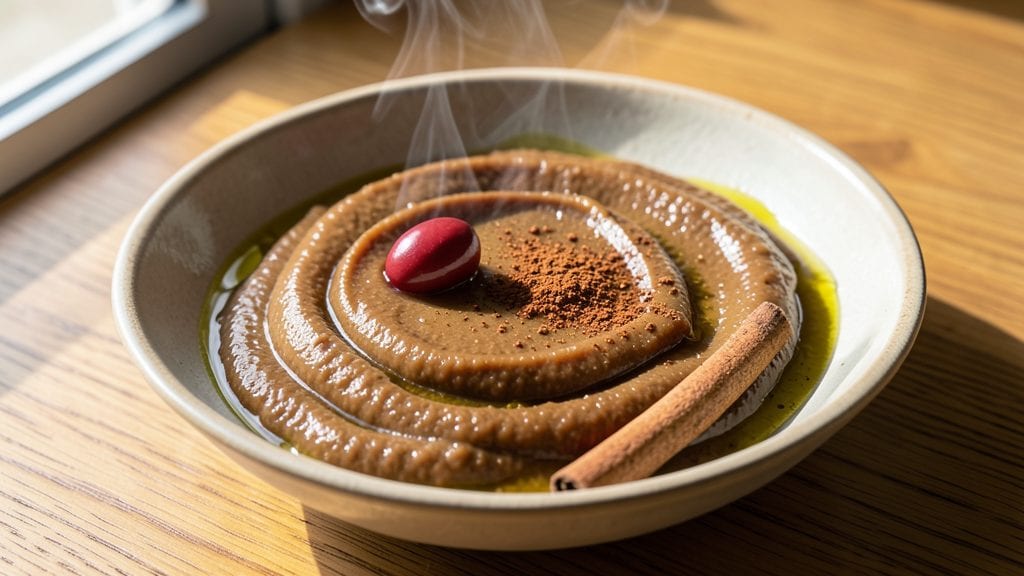
This adzuki bean paste recipe transforms simple ingredients into a velvety, sweet-savory spread that elevates everything from dumplings to buns. The process is straightforward—simmering dried adzuki beans with sugar and water until they break down into a rich, glossy paste—but the results are anything but basic.
I developed this version after testing multiple methods, focusing on achieving that perfect balance between sweetness and subtle earthiness that makes it so versatile.
The beauty of adzuki bean paste lies in its simplicity: just three core ingredients—adzuki beans, sugar, and water—plus optional flavorings like vanilla or cinnamon for depth.
No fancy equipment is needed beyond a pot and blender, and the process takes about 45 minutes of active time, with most of that being hands-off simmering. The key is patience; letting the mixture reduce slowly ensures a smooth, lump-free texture that spreads effortlessly.
What you’ll end up with is a luminous red-orange paste with a silky consistency, perfect for filling mochi, glazing buns, or even drizzling over ice cream. The natural sweetness of the beans pairs beautifully with savory fillings, creating a harmony that’s both comforting and sophisticated.
This paste keeps well in the refrigerator for up to 2 weeks, making it ideal for batch cooking and gifting.
Whether you’re making traditional Japanese wagashi or modern fusion desserts, this adzuki bean paste is a game-changer. Let’s get started—your pantry (and taste buds) will thank you.
Ingredients for adzuki bean paste
Three core ingredients, endless possibilities—this velvety paste transforms humble beans into dessert magic.
| Ingredient | Amount | Notes |
|---|---|---|
| Dried Adzuki Beans 🌱 | 1 ½ cups | Unsoaked, rinsed thoroughly |
| Granulated Sugar 🍬 | 1 ¼ cups | White or light brown preferred |
| Water 💧 | 4 cups | Filtered or spring water |
| Vanilla Extract 🌸 | 1 tsp | Pure vanilla for depth |
| Ground Cinnamon 🌿 | ½ tsp | Optional for warmth |
| Extra-Virgin Olive Oil 🫒 | 1 tbsp | For glossy finish (optional) |
| Salt 🧂 | ¼ tsp | Fine sea salt |
Adzuki beans are the heart of this recipe, and quality matters. Look for organic dried adzuki beans at Asian markets or well-stocked grocery stores—they’re often fresher and have better texture than bulk-bin versions. The sugar should be fine granulated (no powdered), and Trader Joe's or Whole Foods have excellent options. For the water, filtered is ideal, but tap works fine if you’re in a soft-water area. I always use glass jars for storage—they preserve the vibrant color better than plastic.
No vanilla extract? Vanilla bean paste works too, or skip it entirely—the natural bean sweetness shines alone. Running short on sugar? Coconut sugar at a 1:1 ratio adds subtle caramel notes. The olive oil is optional but worth the extra step—it gives that signature glossy finish. For cinnamon, Ceylon is the best quality, but regular ground works in a pinch. If you’re making this for savory applications (like glazing tofu), reduce the sugar to 1 cup and add 1 tsp soy sauce—trust me, it’s a game-changer.
This paste thickens as it cools, so blend it while still warm for the smoothest texture. Store in an airtight container in the fridge for up to 2 weeks, or freeze for 3 months. Portion into small jars for easy use—perfect for gifting or meal prep. The color will deepen over time, becoming that luminous red-orange you see in traditional wagashi. If it crystallizes slightly, just reheat with a splash of water and stir.
Why You'll Love This Recipe
- No-Soaking Needed: I’ll admit, I was skeptical about dried beans—until I realized you just simmer these adzukis until tender. No overnight soaking, no fuss. Honestly, the beans break down so smoothly, you’ll forget they ever needed prep time.
- Sweet-Spiced Magic: That first spoonful of warm paste—vanilla and cinnamon swirling with caramelized sugar? It’s like dessert and comfort food had a baby. The sugar dissolves into a glossy, spreadable texture that’s ridiculously good straight from the pot.
- Pantry Staple Power: Between us, this paste is my secret weapon for lazy Sundays and last-minute gifts. Slather it on toast, stir it into oatmeal, or fill it into cookies—it turns ordinary snacks into something special. And yes, even on a Tuesday night.
- Budget-Friendly Luxury: A bag of dried adzukis costs pennies, yet this tastes like you spent hours in a bakery. The sugar and spices stretch thin, so you’ll have jars of it for weeks. I’ve made three batches already, and the pantry’s still laughing at my wallet.
Step-by-step instructions for adzuki bean paste
Here's how to transform simple ingredients into a velvety, fragrant spread perfect for filling dumplings or glazing buns.
Simmer the Beans Until Tender
Place the 1.5 cups dried adzuki beans in a medium saucepan and cover with 4 cups water. Bring to a boil over medium-high heat, then immediately reduce to a gentle simmer. The water should bubble softly—if it boils vigorously, the beans will harden rather than soften.
Simmer uncovered for 45-60 minutes until the beans are fork-tender but not mushy. You'll know they're ready when they collapse easily under gentle pressure, with just a slight resistance in the center. Skim off any foam that rises to the surface during the first 10 minutes of cooking to prevent bitterness.
Here's the thing—don't drain the beans yet. The cooking liquid contains natural starches that will become essential for thickening your paste later. Keep the beans in their liquid as you prepare the next components.
Create the Sweet-Savory Base
In a separate saucepan, combine 1.25 cups granulated sugar, 1 tsp vanilla extract, 0.5 tsp ground cinnamon, 0.25 tsp salt, and 1 tbsp extra-virgin olive oil. Add 1 cup of the reserved bean cooking liquid and bring to a gentle simmer over medium heat. Stir occasionally to dissolve the sugar completely—this should take about 3-4 minutes.
The mixture should smell richly sweet with warm vanilla and cinnamon notes. If you're using light brown sugar, you'll notice subtle caramel undertones that deepen the flavor profile. Keep this sweet mixture at a simmer—it will reduce slightly as you combine it with the beans.
I always taste this mixture before combining it with the beans. The sugar should be fully dissolved with no graininess, and the cinnamon should be fragrant but not overpowering. This is your flavor foundation, so take your time getting it right.
Blend Until Silky Smooth
Using an immersion blender, carefully blend the cooked beans directly in their pot with the sweet-savory mixture. Start on low speed and gradually increase to high, blending until completely smooth. You may need to work in batches if your blender can't handle the full volume at once—just transfer portions to a separate container and blend until each batch is perfectly smooth.
This is where patience pays off. The paste should have the consistency of thick honey—smooth enough to spread but with enough body to hold its shape when piped. If it's too thick, add 1-2 tablespoons of the reserved bean liquid at a time until you reach the desired texture. If it's too thin, simmer uncovered over low heat for 5-10 minutes to reduce and thicken.
For the ultimate texture, I like to strain the mixture through a fine-mesh sieve to remove any remaining skin or fiber. This step ensures your paste will be velvety smooth, perfect for delicate dumpling fillings or elegant glazes.
Finish and Store Properly
Return the blended paste to the saucepan and cook over low heat for 10-15 minutes, stirring frequently with a silicone spatula. The paste should thicken further as the liquid evaporates, developing a glossy sheen from the olive oil. You're looking for a consistency where it coats the back of a spoon but still flows smoothly when poured.
Let the paste cool to room temperature before transferring it to airtight containers. The texture will continue to thicken as it cools, so don't be tempted to rush this step. For best results, store in the refrigerator where it will keep for up to 2 weeks, or freeze for up to 3 months. When ready to use, simply reheat gently in a saucepan or microwave until warm and spreadable.
This paste makes an excellent filling for gyoza, mochi, or even as a sweet glaze for buns. The balance of sweet and savory comes together beautifully when properly rested—don't skip the cooling period if you want that perfect texture.
Pro Tips For Making Adzuki Bean Paste
- SOAK BEANS OVERNIGHT: I learned this the hard way—rushing the soak leaves beans tough and uneven. Toss dried adzukis in cold water for 8+ hours (or 2 hours with a pinch of baking soda) before cooking. The longer they soak, the smoother your paste will turn out.
- STIR CONSTANTLY AT FIRST: After burning three batches, I finally figured out: adzukis need aggressive stirring for the first 10 minutes. Use a wooden spoon to scrape the bottom constantly—this prevents scorching and ensures even cooking. (Yes, even if you’re impatient like me.)
- USE LESS SUGAR THAN YOU THINK: My grandmother swore by this, and she was right: adzuki paste needs just enough sugar to balance sweetness, not drown it. Start with 1/2 cup per pound of beans, then taste as you simmer. You can always add more later—you can’t take it away.
- STRAIN THROUGH A FINE-MESH SIEVE: Skimping on the straining step leaves gritty bits that ruin texture. After cooking, press the beans through a damp fine-mesh sieve with a spoon—it’s tedious, but the result is silky-smooth paste. (Your future self will thank you.)
Perfect pairings for this dish
Dessert Pairings
This adzuki bean paste shines as a filling for Japanese mochi—its natural sweetness balances perfectly with the chewy rice dough. I like to pipe the paste into small circles before wrapping with mochi skin and dusting with kinako (roasted soybean flour).
For a modern twist, spread it on sourdough toast with a sprinkle of flaky sea salt and drizzle of honey—the contrast is surprisingly elegant. 🌸
Savory Applications
Don’t limit this paste to sweet dishes—it’s fantastic in savory recipes too. Use it as a glaze for grilled tofu by mixing 1 tbsp soy sauce with 1 cup paste and brushing on before grilling.
The sweet-savory balance complements the protein beautifully. I also love it as a filling for spring rolls, paired with shredded carrots, cabbage, and crispy rice noodles for texture. 🥢
Beverage Pairings
Match this rich paste with jasmine tea for a traditional pairing—the floral notes complement the bean’s earthiness. For something bolder, try green tea liqueur (like Midori) in a cocktail with sparkling water and lemon.
The vanilla and cinnamon in the paste also pair well with spiced chai or matcha latte—the warmth of the spices enhances the bean’s natural sweetness. 🍵
Global Fusion Ideas
Get creative with global flavors! Mix the paste with mashed sweet potato and ginger for a Vietnamese-inspired filling in buns. Or blend it with peanut butter, lime zest, and chili flakes for a Thai-inspired dip with fresh fruit.
The versatility of this paste makes it perfect for fusion experiments—just balance the sweetness with contrasting flavors. 🌍
Breakfast Wonders
Start your day with pancakes filled with adzuki paste—simply spread it between layers of fluffy pancakes and top with whipped cream or fresh berries. For a savory breakfast, spread it on English muffins with scrambled eggs and crispy prosciutto.
The paste adds a surprising depth that elevates simple morning meals. 🍳
Gift-Worthy Spreads
Package small jars of this paste in mini mason jars with a ribbon for a thoughtful gift. Pair it with shortbread cookies or rice crackers for a complete snack set. The vibrant color and rich flavor make it a standout treat—perfect for holiday gifting or hostess presents.
Label it with the occasion (e.g., "Sweet Bean Bliss") for extra charm. 🎁
Nutrition facts
Frequently asked questions
Can I use canned adzuki beans instead of dried?
While you can use canned beans for convenience, the texture and flavor won't be the same. Dried beans develop a deeper, nuttier taste and create a smoother paste. If you must use canned, drain and rinse them thoroughly, then simmer for 15-20 extra minutes to break down further. The paste will be slightly less glossy but still delicious.
How do I adjust the sweetness level?
Start with the full 1.25 cups sugar for balanced sweetness. For less sweetness, reduce to 1 cup and add 1 tsp soy sauce for umami depth. For extra sweetness, increase to 1.5 cups and add ½ tsp vanilla bean paste instead of extract. Taste as you go—adjust gradually to avoid overpowering the bean flavor.
Why did my paste turn out grainy?
Graininess usually means the beans weren't soft enough before blending. Simmer them 10-15 minutes longer until they mash easily with a fork. Also, strain the mixture through a fine-mesh sieve after blending to remove any remaining skins or fibers. For a smoother texture, blend in 1 tbsp olive oil at the end to help emulsify the paste.
Can I make this paste without a blender?
Yes! Mash the cooked beans with a potato masher until smooth, then strain through a fine-mesh sieve. For extra silkiness, press the mixture through a cheesecloth-lined sieve. The texture won't be perfectly velvety, but it'll still work beautifully for fillings or glazes. This method works well for traditional anko-style pastes with a rustic texture.
How can I use this paste in savory dishes?
For savory applications, reduce the sugar to ¾ cup and add 1 tbsp soy sauce and ½ tsp grated ginger to the sweet-savory base. Use it as a glaze for grilled proteins, a filling for spring rolls, or a dipping sauce for rice crackers. The natural sweetness balances well with umami flavors, creating a perfect contrast.