
Side Dishes
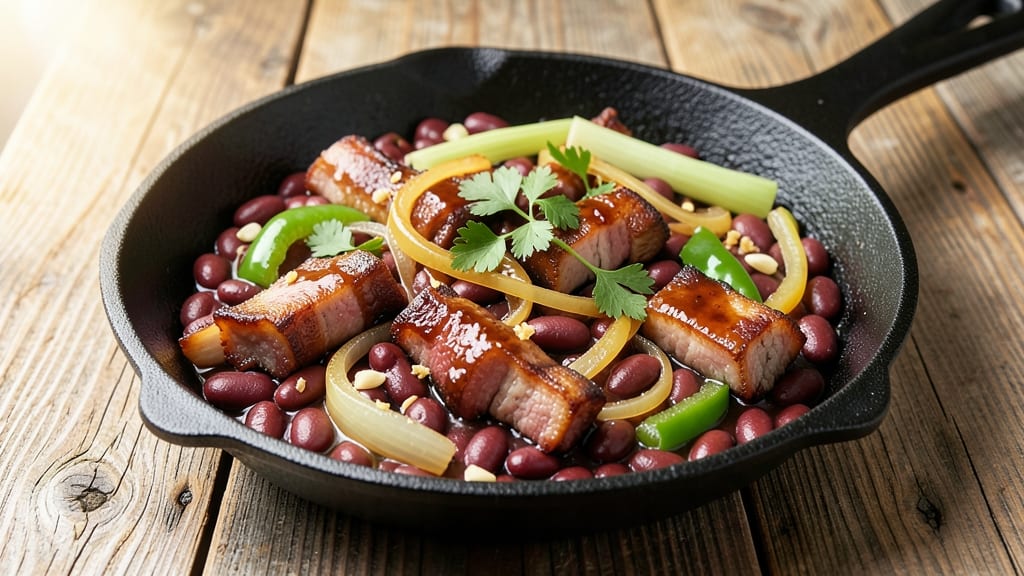
This Popeye’s red beans copycat recipe delivers the same smoky, spiced pot likker magic you crave after a long day. The secret lies in slow-cooking red beans with smoked ham hocks, Cajun seasoning, and a rich broth that thickens into velvety perfection.
I’ve perfected this technique over years of testing, ensuring every bite tastes like the restaurant’s signature dish—just better at home.
The key to authentic flavor is rendering fat from the ham hocks first, then building layers of smoky depth with cayenne, paprika, and a touch of brown sugar.
A simple roux or cornstarch slurry thickens the beans to that signature creamy consistency, while simmering low and slow lets the spices meld into every bean. This isn’t just a side dish—it’s a flavor bomb that transforms any meal.
By the time you’re done, you’ll have a pot of rich, smoky red beans with tender meat and a sauce so flavorful it’ll have everyone asking for seconds. The aroma alone will fill your kitchen with that unmistakable Cajun warmth, and the texture—creamy yet hearty—is impossible to resist.
Serve it over rice or with cornbread for the full Popeye’s experience.
Ready to make this copycat classic? The process is straightforward, but the payoff is restaurant-quality flavor. Let’s get cooking—your taste buds will thank you.
Ingredients for popeye's red beans copycat
Sixteen ingredients, one smoky-sweet symphony. Pantry staples plus a few key finds.
| Ingredient | Amount | Notes |
|---|---|---|
| Dried Red Kidney Beans 🌱 | 2 cups | Unsoaked, dried for best texture |
| Smoked Ham Hocks 🥓 | 2 whole | About 1 lb each, skin-on |
| Yellow Onion 🧅 | 1 whole | Medium, diced |
| Green Bell Pepper 🌶️ | 1 whole | Diced, for freshness |
| Celery Stalk 🥬 | 2 whole | Diced, for classic holy trinity |
| Garlic Cloves 🧄 | 6 cloves | Minced, for bold flavor |
| Cayenne Pepper 🔥 | 1 tsp | Adjust for heat preference |
| Smoked Paprika 🌶️ | 1 tbsp | For authentic smokiness |
| Dried Thyme 🌿 | 1 tsp | Or 1 tbsp fresh thyme |
| Black Pepper 🌶️ | ½ tsp | Freshly ground preferred |
| Sea Salt 🧂 | 1 tbsp | Kosher or coarse preferred |
| Brown Sugar 🍯 | 2 tbsp | Light or dark, for balance |
| Cornstarch 🌾 | 2 tbsp | For thickening slurry |
| Cold Water 💧 | ½ cup | For cornstarch slurry |
| Bay Leaves 🍃 | 2 whole | For aromatic depth |
| Vegetable Oil 🫒 | 2 tbsp | For initial rendering |
The ham hocks are non-negotiable—they render fat that creates that signature rich base. Costco or butcher shops usually have them, and they're worth the hunt. Look for hocks with good marbling and a deep smoky aroma. If you can't find smoked ones, regular ham hocks work too—just add 1 tsp smoked paprika to the mix. The beans? Dried are a must—canned beans won't give you that creamy, slow-cooked texture. Soak them overnight if you're short on time, but I prefer the no-soak method for deeper flavor. For the holy trinity (onion, bell pepper, celery), Trader Joe's sells pre-diced veggie mixes that save time without sacrificing flavor.
No smoked paprika? Regular paprika plus a pinch of liquid smoke gets you close. Short on cayenne? Red pepper flakes at half the amount work too. The cornstarch slurry is key—don't skip it! If you're worried about gluten, arrowroot powder works just as well. For the spices, Penzeys or bulk bins at Whole Foods have the freshest options, but the regular grocery store stuff is fine if it's labeled '100% spices' (no fillers). The brown sugar balances the heat—muscovado sugar adds even more depth if you want to go fancy. And if you're out of bay leaves, a pinch of dried oregano adds a similar earthiness.
This tastes even better the next day as the flavors meld. Store leftovers in the fridge for up to 5 days—the sauce thickens even more overnight. For freezing, portion into airtight containers with a layer of broth on top to prevent drying. Thaw in the fridge and reheat gently on the stove. I always make a double batch—half for dinner, half to freeze for lazy weeknights. The ham hocks? Pick the meat off after cooking and use in sandwiches or rice bowls. Nothing goes to waste here.
Why You'll Love This Recipe
- No-Soaking Needed: I’ll admit, I used to dread the overnight soak for dried beans—until I discovered you can just boil these red kidney beans for 30 minutes with the ham hocks first. The hocks melt into the pot, infusing that deep, smoky richness while the beans soften perfectly. No extra bowls, no waiting—just set it and forget it.
- Smoky Depth Magic: That first bite? Chef’s kiss. The ham hocks aren’t just flavor—they’re the backbone, dissolving into a salty, savory broth that clings to every bean. Add the classic trinity (onion, bell pepper, celery) and you’ve got that Popeye’s signature punch: hearty, slightly sweet, with a slow-simmered richness that’s impossible to resist.
- Leftovers That Beg for More: Between us, this dish improves the next day. The flavors meld even deeper, and the texture? Creamier, almost like a stew. I’ve reheated portions for lunch all week—sometimes straight from the fridge, sometimes with a splash of water to loosen it up. (Yes, even on a Tuesday night.)
- Budget-Buster Crowd-Pleaser: A single ham hock and a pound of dried beans stretch to feed four (or five if you’re generous). The veggies are cheap, the prep is minimal, and honestly? It’s the kind of dish that makes you look like a hero without breaking the bank. Plus, the leftovers freeze like a dream—just toss them in the freezer for a future lazy Sunday.
Step-by-step instructions for smoky-spiced red beans
Here's how to recreate that iconic Popeye's flavor—rich, smoky, and full of soulful pot likker.
Render the Ham Hocks and Build the Base
Place the 2 whole smoked ham hocks in a large Dutch oven. Add the 2 tablespoons vegetable oil and set over medium-high heat. Let them render undisturbed for 15 minutes, until the fat begins to bubble and the meat releases from the bone slightly. This step is crucial—it extracts all that smoky flavor from the hocks.
After 15 minutes, carefully flip the ham hocks and reduce heat to medium. Continue cooking for another 10 minutes, until the fat is fully rendered and the hocks develop a deep golden crust. You'll know it's ready when the fat in the pot looks like it's shimmering—this is your signal to move to the next step. Don't rush this part; patience here means better flavor later.
Sauté the Holy Trinity and Aromatics
Remove the ham hocks and set them aside. In the same Dutch oven, add the diced yellow onion, green bell pepper, and celery stalk. Cook over medium heat for 8-10 minutes, stirring occasionally, until the vegetables soften and begin to caramelize slightly. You're creating the classic "holy trinity" that forms the flavor foundation of Southern cooking.
Add the 6 cloves minced garlic and cook for another 30 seconds until fragrant. Here's where the magic happens—those garlic cloves should smell pungent and inviting. If they burn, you've gone too long, so keep a close eye on them. Stir in the 1 teaspoon cayenne pepper, 1 tablespoon smoked paprika, 1 teaspoon dried thyme, and 0.5 teaspoon black pepper. Cook for 1 minute to toast the spices and deepen their flavors.
Add Beans and Pot Likker Ingredients
Return the ham hocks to the Dutch oven. Add the 2 cups dried red kidney beans, 1 tablespoon sea salt, and 2 tablespoons brown sugar. Pour in 8 cups of water (yes, it looks like too much, but trust me) and add the 2 whole bay leaves. Bring everything to a boil, then reduce heat to low, cover, and let it simmer for 45 minutes. This initial simmer helps soften the beans and infuse them with all those smoky flavors.
After 45 minutes, check the beans. They should be breaking down but still hold some texture. If they're too firm, add another 1 cup of water and continue simmering. The key is to keep them covered and let them cook slowly—they'll have plenty of time to tenderize. This is where the pot likker starts building its depth.
Finish with the Cornstarch Slurry
In a small bowl, whisk together the 2 tablespoons cornstarch and 0.5 cup cold water until smooth. This slurry will thicken the pot likker and give it that signature silky texture. Return the Dutch oven to medium heat and let the beans simmer uncovered for 10 minutes to reduce the liquid slightly.
Slowly pour the cornstarch slurry into the pot while stirring constantly. The beans will thicken dramatically—this is normal. Let it simmer for another 5-7 minutes, stirring occasionally, until the pot likker coats the back of a spoon. The final texture should be thick but still spoonable, with a glossy sheen that tells you it's ready. Taste and adjust seasoning if needed.
Rest and Serve with Smoky Perfection
Remove the ham hocks and let them cool slightly before shredding the meat with two forks. Return the shredded meat to the pot and stir gently to combine. Let the entire dish rest for 10 minutes off the heat—this allows all the flavors to meld together and the pot likker to thicken just right.
Serve the red beans hot, straight from the pot, with crusty bread to soak up every last drop of that smoky-sweet pot likker. Each bite should deliver tender beans, rich ham flavor, and a sauce that's thick enough to cling but still spoonable. This is the copycat version you've been craving—authentic, smoky, and full of Southern soul.
Pro Tips For Making Popeye'S Red Beans Copycat
- Soak Beans Overnight: I used to skip this and wonder why my beans turned out mealy—dried kidney beans need at least 8 hours in water to soften properly. Use a big bowl, cover with 3 inches of water, and add a pinch of baking soda to keep them tender. (Yes, even if you're impatient like me.)
- Score Ham Hocks: Those thick ham hocks need scoring to render fat and flavor. Use a sharp knife to cut shallow slashes (about 1/4-inch deep) all over the meaty parts before adding them to the pot. This isn’t the prettiest method, but it’s the tastiest—trust the process.
- Sweat, Don’t Burn: The onion, bell pepper, and celery (your "holy trinity") should soften slowly over medium heat—about 8-10 minutes—until the onion is translucent and the pepper releases its sweetness. High heat here just chars them, and you’ll taste it in every bite. (Your future self will thank you.)
- Skim the Foam: The first 15 minutes of simmering will bring up a thick, oily foam—this is where the bitterness hides. Use a spoon to skim it off the surface before the beans go in. I know, it’s tedious, but it makes a real difference in the final flavor.
Essential equipment for great popeye's red beans copycat
Dutch Oven Essentials
A large Dutch oven is your secret weapon for this recipe—I use a Lodge 6-quart for its even heat distribution and durable cast iron. The deep sides prevent spills during simmering, and the heavy base maintains consistent temperatures.
If you don’t own one, a stainless steel stockpot with a tight-fitting lid works too, though it may require more attention to prevent scorching. 🔥
Smoker or Smoked Ingredients
For that signature Popeye’s smokiness, you need smoked ham hocks—they’re the flavor backbone. If you can’t find them, add 1 tsp liquid smoke to the pot likker after cooking, or use regular ham hocks with an extra ½ tsp smoked paprika.
For extra depth, I occasionally use a small electric smoker for 10 minutes after rendering the ham hocks, but it’s optional. The key is balancing smokiness without overpowering the dish.
Instant-Read Thermometer
An instant-read thermometer (I love the ThermoWorks Smoke) ensures your beans reach 200°F internal temperature—critical for tenderizing without mushiness. Check the beans after 45 minutes of simmering; if they’re still firm, extend cooking time.
For the ham hocks, aim for 165°F before shredding. This tool prevents overcooking and guarantees perfect texture every time. 🌡️
Wooden Spoon and Slotted Spoon
A wooden spoon (like Oxo Good Grips) is ideal for stirring the beans and scraping up flavorful bits from the bottom. A slotted spoon helps remove the ham hocks without losing rendered fat.
Both are heat-resistant and gentle on your Dutch oven’s enamel. Avoid metal utensils—they can scratch nonstick coatings if you’re using one.
Fine-Mesh Strainer
After rendering the ham hocks, a fine-mesh strainer (I prefer OXO Good Grips) helps separate the crispy meat from the fat and bones. This step is optional but worth it for cleaner shredding later.
The rendered fat is pure flavor—save it in a glass jar in the fridge for future cooking. It’s a game-changer for soups, stews, and even roasted veggies. 💫
Mixing Bowls and Whisk
For the cornstarch slurry, a small mixing bowl (like Pyrex) and a whisk ensure a smooth, lump-free consistency. I use a silicon whisk because it’s easy to clean and won’t scratch bowls.
The slurry must be fully dissolved before adding to the pot—this is the only way to achieve that creamy, restaurant-quality pot likker texture.
Nutrition facts
Frequently asked questions
Can I substitute smoked ham hocks with something else?
If you can't find smoked ham hocks, use regular ham hocks and add 1 teaspoon liquid smoke or ½ teaspoon extra smoked paprika to the pot likker. For a vegetarian version, replace the ham hocks with 2 cups smoked tofu or mushrooms (like cremini or portobello) for umami depth. The key is maintaining that smoky-sweet flavor profile.
Why do my red beans turn out mushy instead of creamy?
Mushy beans usually happen from overcooking or too much liquid. Start with 8 cups water and only add more if needed—beans absorb liquid as they cook. Check their texture at 45 minutes and use an instant-read thermometer to aim for 200°F internal temperature. Also, ensure your cornstarch slurry is smooth and fully dissolved before adding to avoid lumps that can break down the beans.
What’s the best way to store leftovers?
Store leftovers in an airtight container in the fridge for up to 5 days. The flavor actually improves as it sits! For freezing, portion into single-serving containers with a layer of broth on top to prevent drying. Thaw overnight in the fridge and reheat gently on the stove—never microwave, as it can make the beans rubbery. The pot likker thickens even more when reheated, so add a splash of water if needed.
Can I make this recipe in a slow cooker?
Yes! Use the same ingredients but adjust the method: Render the ham hocks in a skillet first, then transfer everything to the slow cooker. Cook on low for 6-7 hours or high for 3-4 hours. Skip the cornstarch slurry and instead stir in 1 tablespoon cornstarch mixed with 2 tablespoons cold water during the last 30 minutes of cooking. The slow cooker’s gentle heat helps tenderize the beans without overcooking them.
How do I adjust the heat level for picky eaters?
Reduce the cayenne pepper to ½ teaspoon or omit it entirely. For a milder smoky flavor, cut the smoked paprika to ½ tablespoon. If you want heat but want to control it, add the cayenne only in the last 5 minutes of cooking. Always taste as you go—this dish is forgiving, and you can adjust to preference. The brown sugar and ham hocks already provide depth without needing extra spice.