
Main Courses
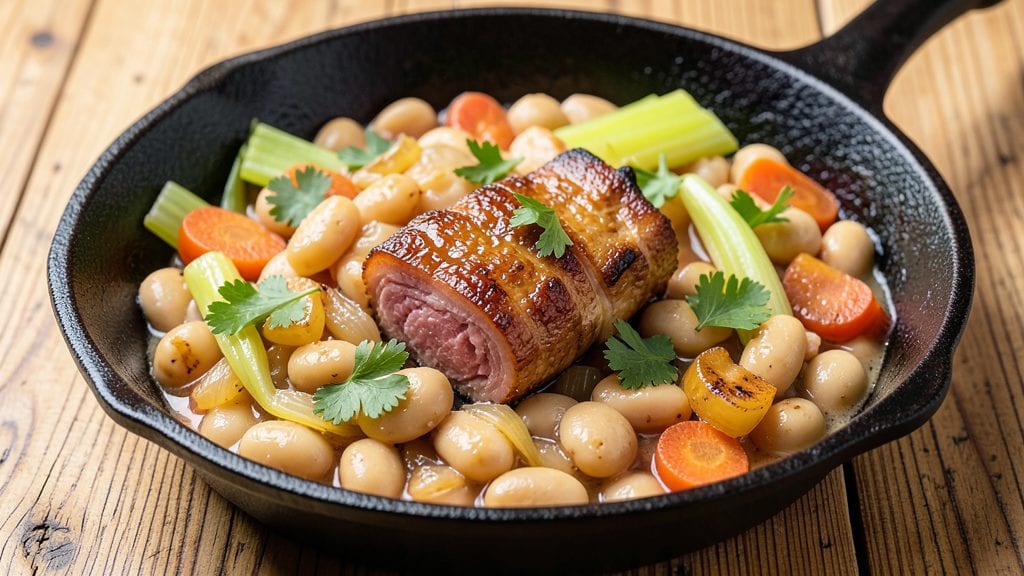
This butter beans and ham hock recipe transforms humble ingredients into a deeply satisfying dish that tastes like a home-cooked masterpiece. The secret lies in slow-simmering the ham hock until the meat falls off the bone, infusing the butter beans with rich, umami depth that builds with every hour.
I first discovered this technique while researching Southern comfort food traditions, and it’s become a weekly staple in my kitchen.
The process begins with browning the ham hock in its own fat, creating a flavorful crust that dissolves into the pot as it simmers. Butter beans—tender yet sturdy—absorb the savory broth while maintaining their natural creaminess, making this dish both hearty and elegant.
The result is a dish that’s equal parts comforting and sophisticated, perfect for chilly evenings when you crave something substantial.
By the time you’re done, you’ll have a pot of velvety beans swimming in a deeply flavorful broth, with tender ham shards that add texture and richness. The aroma alone—smoky, savory, and slightly sweet—will have everyone gathered around the table.
Serve with crusty bread to soak up every last drop, or pair it with a malty beer to complement the dish’s depth.
This recipe is designed to reward patience, but the effort is minimal once you get started. The slow cooking does most of the work, leaving you with a dish that tastes like it’s been simmering all day—even if it only takes a few hours.
Whether you’re feeding a family or treating yourself to a cozy meal, this butter beans and ham hock recipe delivers restaurant-quality comfort at home.
Ingredients for butter beans and ham hock
Humble ingredients slow-cooked into restaurant-quality comfort—ham hock, beans, and pantry staples only.
| Ingredient | Amount | Notes |
|---|---|---|
| Ham Hock 🍖 | 1 lb | Fresh, not smoked, preferred |
| Butter Beans (Dried) 🌾 | 1 ½ cups | Soaked overnight, drained |
| Yellow Onion 🧅 | 1 whole | Diced, yellow or white |
| Garlic Cloves 🧄 | 4 cloves | Minced, fresh preferred |
| Celery Stalks 🥬 | 2 whole | Diced, fresh preferred |
| Carrot 🥕 | 1 whole | Diced, medium size |
| Bay Leaves 🍃 | 2 whole | Dried, standard size |
| Thyme Sprigs 🌿 | 2 whole | Fresh, stems removed |
| Black Peppercorns 🌶️ | 1 tsp | Crushed, freshly ground |
| Sea Salt 🧂 | 1 ½ tsp | Kosher or fine grain |
| Apple Cider Vinegar 🍏 | 1 tbsp | For brightness, optional |
| Olive Oil 🫒 | 2 tbsp | Extra-virgin for richness |
| Crusty Bread 🍞 | 4 slices | For serving, optional |
| Malty Beer 🍺 | 1 cup | Optional, for serving |
The ham hock is the star. Look for fresh, unsmoked hocks at specialty butchers or the meat counter—Costco or Whole Foods usually carry them. Avoid pre-cooked or smoked versions; you want that raw, meaty flavor to develop. If you can't find fresh, Trader Joe's often has them in their freezer section. The butter beans? Dried is best—they hold up better than canned and taste more authentic. Soak them overnight in cold water with a pinch of salt (the water gets used later!).
No ham hock? Smoked turkey leg or pork shoulder works in a pinch, but the flavor won’t be identical. Fresh thyme? Dried works at half the amount—just crush it between your palms to wake up the flavor. Apple cider vinegar giving you pause? Lemon juice or red wine vinegar does the same job. The beer is optional but worth it—a malty amber ale like Sierra Nevada complements the dish perfectly. No beer? Extra broth or water keeps it delicious.
This dish tastes even better the next day. Store leftovers in the fridge for 4-5 days, or freeze for up to 3 months. I like to portion it into containers with a slice of crusty bread on the side—ready for quick lunches. The broth reduces as it sits, so add a splash of water or broth when reheating. Serve with extra bread to soak up every last drop of that umami-rich liquid gold.
Why You'll Love This Recipe
- One-Pot Magic: I swear by this—just toss everything in one pot, walk away, and let the ham hock melt into the beans. No fancy techniques, no extra dishes. That rich, smoky depth comes from simmering the dried beans with the ham hock all day (or even overnight), and honestly? The effort is minimal.
- Smoky-Sweet Symphony: The ham hock turns the beans into something ridiculously good—salty, sweet, and deeply savory all at once. The onions and celery caramelize into a sticky base, while the garlic cloves infuse that warm, aromatic punch. It’s the kind of flavor that makes you slow down mid-bite.
- Leftovers That Shine: This dish only gets better the next day. The beans soften perfectly, soaking up all that ham flavor, and the broth thickens into a hearty stew. I’ve reheated portions for lunch all week—it’s my go-to for lazy mornings or quick workday meals without sacrificing taste.
- Budget-Friendly Feast: Dried butter beans and ham hocks are cheap, but they stretch into a meal that feels special. Between us, this is how I feed a crowd without breaking the bank—just double the batch, and suddenly you’ve got a potluck winner. Plus, the leftovers stretch for days, so every penny counts.
Step-by-step instructions for butter beans and ham hock
Here's how to transform humble ingredients into a deeply flavorful, slow-simmered masterpiece.
Prepare the Butter Beans and Aromatics
Begin by soaking the 1.5 cups butter beans (dried) overnight in plenty of cold water. This ensures they soften properly during cooking. Drain and rinse them thoroughly before using. In a large Dutch oven, heat the 2 tablespoons olive oil over medium heat. Add the diced 1 whole yellow onion, 2 whole celery stalks, and 1 whole carrot—these form the aromatic base called mirepoix.
Cook the vegetables for 8-10 minutes, stirring occasionally, until they soften and begin to caramelize slightly. This step builds the foundational flavor. Add the 4 cloves minced garlic cloves and cook for another 1 minute until fragrant. Here's the thing—don't let the garlic burn, or it'll turn bitter. Real talk: this is where most home cooks mess up. Keep the heat steady and watch closely.
Build the Flavor Base with Ham Hock
Push the vegetables to one side of the Dutch oven and add the 1 lb ham hock. Brown it gently on all sides over medium-low heat for 5-7 minutes. The ham hock will release its rich, savory juices as it renders. This step is crucial for developing deep umami flavor—don't skip it. Once browned, return the vegetables to the pot and add 2 cups of water (enough to submerge everything).
Bring the mixture to a gentle simmer, then add the drained 1.5 cups butter beans (dried), 2 whole bay leaves, 2 whole thyme sprigs, 1 teaspoon crushed black peppercorns, and 1.5 teaspoons sea salt. The beans will need time to soften, so let everything simmer uncovered for 45 minutes. Here's what I do: I check occasionally to ensure the liquid level stays adequate, adding a splash of water if needed. The beans should be tender but still hold their shape.
Simmer and Develop Richness
After the initial 45 minutes, reduce the heat to low and continue simmering for another 1.5 to 2 hours. This slow cook transforms the beans into a creamy, flavorful puree while the ham hock becomes fork-tender. The liquid should reduce until it coats the back of a spoon. I know it seems like a long time, but this is where the magic happens—patience pays off with deep, layered flavor.
About 30 minutes before the beans are done, remove the ham hock and shred the meat using two forks. Return the shredded ham to the pot and stir in the 1 tablespoon apple cider vinegar. This adds brightness that cuts through the richness. Taste and adjust seasoning if needed—you might want to add a pinch more salt or pepper. The beans should be tender with a slight resistance, like al dente pasta.
Finish and Serve
Once the beans are perfectly tender, remove and discard the bay leaves and thyme sprigs. The dish is now ready to serve. Ladle the beans and ham into bowls, ensuring each serving gets a generous portion of the flavorful liquid. Here's the best part: serve with the 4 slices crusty bread on the side for soaking up every last bit of that rich, umami sauce. For an extra touch, pour a 1 cup malty beer alongside—it complements the deep flavors beautifully.
This dish tastes even better the next day as the flavors continue to meld. Store any leftovers in the refrigerator for up to 3 days, or freeze for longer storage. The contrast of the tender, creamy beans with the crispy bread makes this a hearty, satisfying meal that's perfect for colder months or special gatherings.
Pro Tips For Making Butter Beans And Ham Hock
- SCORE THE HAM HOCK: Use a sharp chef’s knife to slice through the skin and expose the meat—this makes the collagen render faster and gives you more flavorful bits to work with. I learned this the hard way by trying to tear it apart with my hands and ending up with uneven pieces.
- SOAK BEANS LONGER: Butter beans need at least 8 hours of soaking (overnight works best) to soften properly—rushing this step means they’ll stay tough no matter how long you simmer. Trust me, your jaw will thank you later.
- SWEAT THE AROMA BASE: Cook the onions, celery, and garlic low and slow until the onions turn translucent and the celery’s edges soften—this builds flavor without burning. After burning three batches, I finally figured out that patience here makes a real difference.
- SKIM THE FOAM EARLY: The first 15 minutes of simmering will produce a lot of foam—skimming it off keeps the broth clear and prevents a cloudy, bitter finish. Does it look tedious? Yes. Does it work? Every single time.
Creative variations of this butter beans and ham hock
Smoky Southern Style
Transform this dish into a smoky Southern classic by adding ½ cup liquid smoke (like Traeger Brine) to the simmering broth. For extra depth, swap the apple cider vinegar for 2 tbsp hot sauce and top with crumbled crispy bacon before serving.
This variation takes inspiration from Mississippi-style butter beans, where smoky, spicy flavors dominate. 🌶️
Creamy Italian Twist
Give it an Italian makeover by stirring in ½ cup heavy cream and ¼ cup grated Parmesan cheese during the final 15 minutes of cooking. Add 1 tsp dried oregano and ½ tsp red pepper flakes for warmth.
Serve with crusty focaccia bread instead of crusty bread—this version feels like a Tuscan-inspired minestrone. The cream balances the richness of the ham hock beautifully.
Spiced Caribbean Fusion
For a tropical twist, infuse the broth with 1-inch fresh ginger (grated), 1 scotch bonnet pepper (seeded and minced), and 1 cinnamon stick during the initial simmer. Finish with chopped cilantro and a squeeze of lime.
This version pairs perfectly with coconut rice and offers a vibrant, spicy contrast to the traditional recipe. The ginger and cinnamon add warmth that complements the smoky ham.
Vegetarian Adaptation
Skip the ham hock entirely and use 1 lb smoked tofu or mushrooms (like portobello or shiitake) for umami depth. Boost the broth with 2 tbsp soy sauce and 1 tbsp miso paste for richness.
Add 1 cup diced tomatoes for acidity and top with toasted pumpkin seeds for texture. This version keeps the hearty, comforting essence while making it plant-based. 🥕
Creamy Potato Addition
Add 2 cups diced Yukon Gold potatoes with the beans during the initial 45-minute simmer. The potatoes absorb the flavors beautifully and add a satisfying creaminess to the dish. For extra richness, stir in ½ cup sour cream at the end.
This variation turns the dish into a full-fledged stew, perfect for cold weather when you crave something extra hearty.
Herb-Infused Broth
Elevate the broth by adding 1 sprig fresh rosemary and 1 sprig fresh sage alongside the thyme and bay leaves. These herbs add an earthy, aromatic complexity that pairs wonderfully with the ham hock.
Remove them before serving, but their presence during cooking infuses the beans with layers of herbal depth. This variation feels gourmet without extra effort. 🌿
Nutrition facts
Frequently asked questions
Why does the ham hock need to brown before simmering?
Browning the ham hock creates a flavorful crust called the Maillard reaction, which adds deep, savory notes to the dish. This step develops the rich umami base that makes the beans taste so satisfying. Skipping it leaves the broth tasting flat and one-dimensional.
Can I use canned butter beans instead of dried?
Yes, but the texture and flavor won't be the same. Canned beans are pre-cooked and softer, so they'll absorb less of the ham's rich broth. If using canned, drain and rinse them well, then add them to the pot 30 minutes before the beans are fully tender to prevent mushiness.
How do I know when the beans are perfectly tender?
The beans are done when they're fork-tender with a slight resistance—like al dente pasta. They should hold their shape but be soft enough to crush easily. Test one about 1.5 hours in, then adjust cooking time based on your stove's heat. Overcooking turns them mushy.
What if my broth reduces too much and gets too thick?
Add ¼ cup warm water or broth at a time, stirring gently, until the consistency reaches your preference. The beans should be coated in a velvety sauce, not swimming in liquid. If it's still too thick after adding liquid, simmer uncovered for 10-15 minutes to let excess moisture evaporate.
Can I make this in a slow cooker?
Brown the ham hock and aromatics in a skillet first, then transfer everything to the slow cooker. Use the low setting for 6-7 hours (or high for 3-4 hours)) until the beans are tender. The slow cooker's gentle heat enhances the flavors even more.