Side Dishes
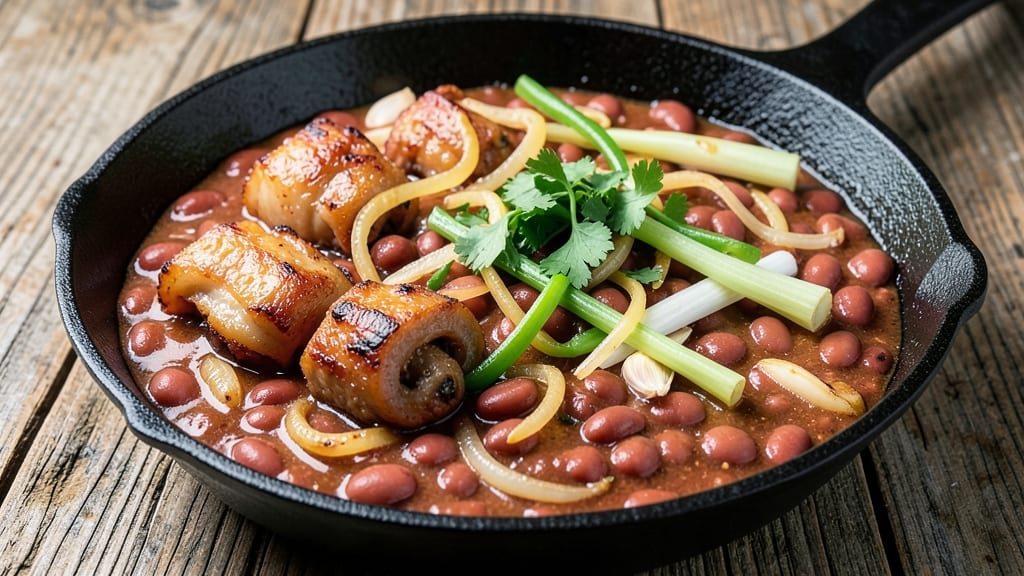
This red beans and ham hocks recipe delivers the soul-soothing flavors of a classic Southern stew—rich, smoky, and deeply satisfying in one pot. 🌟 Growing up in Cincinnati, I learned from Mrs. Henderson that patience transforms simple ingredients into something extraordinary, and that's exactly what happens when these humble beans and ham hocks simmer together for hours.
The secret lies in the slow cooking process, where ham hocks infuse the beans with unmatched depth while breaking down into tender, flavorful pieces. You'll start with aromatics—onions, garlic, and bell peppers—that build a fragrant base before adding the beans and liquid.
The key is letting everything simmer until the flavors meld perfectly, creating a dish that's hearty enough to serve as a main course or a side that steals the show.
By the time you're done, you'll have a pot of velvety red beans with tender ham hocks, crispy edges on the beans, and a broth so rich it coats every spoonful. The aroma alone will have everyone gathering around the table, and the taste?
Pure comfort food magic. This is the kind of dish that gets better with time, rewarding your patience with layers of smoky, savory flavor.
Perfect for feeding a crowd or meal prepping for the week, this recipe scales beautifully. Serve it over steamed rice or with warm cornbread to soak up every last drop of that flavorful broth. Let's get started on creating this timeless Southern classic in your own kitchen.
Ingredients for red beans and ham hocks
Sixteen ingredients. One pot. Southern comfort food magic in every spoonful.
| Ingredient | Amount | Notes |
|---|---|---|
| Dried Red Kidney Beans 🌱 | 2 cups | Rinsed thoroughly before cooking |
| Ham Hocks 🍖 | 4 whole | Smoked preferred, about 1 lb total |
| Yellow Onion 🧅 | 2 whole | Diced, medium size |
| Green Bell Pepper 🌶️ | 1 whole | Diced, any color |
| Garlic Cloves 🧄 | 6 cloves | Minced, fresh preferred |
| Celery Stalks 🥬 | 3 whole | Diced, with leaves |
| Smoked Paprika 🌶️ | 2 tbsp | Key for smoky depth |
| Ground Black Pepper 🌶️ | 1 tsp | Freshly cracked |
| Kosher Salt 🧂 | 1 ½ tsp | Adjust to taste |
| Bay Leaves 🍃 | 2 whole | Dried, removed before serving |
| Thyme Sprigs 🌿 | 4 whole | Fresh preferred |
| Water 💧 | 8 cups | Or low-sodium chicken broth |
| Lemon Juice 🍋 | 1 tbsp | Brightens flavors at the end |
| Hot Sauce 🔥 | 1 tbsp | Optional, for heat |
| Green Onions 🧅 | 3 whole | Chopped, for garnish |
Ham hocks are the star here—smoked ones from the butcher counter add that unmistakable depth. Costco or local meat markets usually carry them, but if you can't find smoked, regular hocks work too. Look for ones with good marbling—they'll break down better and taste richer. I always grab an extra pair; they're cheap and make the broth even more flavorful. The beans? Dried are non-negotiable—canned lacks that hearty texture. Soak them overnight if you're short on time, but the long simmer will soften them even if you don't.
No smoked paprika? Regular paprika plus a pinch of liquid smoke gets you close. Fresh thyme hard to find? Dried works at half the amount. The bell pepper can be any color—red, yellow, orange—whatever's on sale. For the broth, Trader Joe's low-sodium chicken broth is my go-to, but water works if you're watching sodium. Want extra richness? Add a splash of Worcestershire sauce at the end. The celery leaves add subtle flavor—don't trim them all off! And if you're feeling fancy, swap the green onions for scallions at the end for a milder bite.
This tastes even better the next day—double the batch if you can. Store in the fridge for 5-6 days or freeze for up to 3 months. I like to portion it into containers with a scoop of rice on top for easy lunches. The broth thickens as it cools, so add a splash of water when reheating. Garnish with those green onions right before serving—they add freshness that disappears fast once mixed in. Leftovers? Perfect over cornbread or with buttered crackers.
Why You'll Love This Recipe
- One-Pot Magic: I swear by this recipe because it’s literally dump-and-simmer. Soak the dried beans overnight (or use a pressure cooker for 20 minutes), toss everything in one pot, and walk away. The ham hocks melt into the beans, the onions caramelize, and you’re left with a rich, smoky stew that tastes like it simmered all day—even if you only gave it an hour.
- Smoky-Sweet Obsession: That first bite of tender beans clinging to crispy ham hock? Chef’s kiss. The ham hocks add a deep, savory punch, while the bell pepper and garlic brighten it up—like a hug in a bowl. Honestly, the flavor builds as it sits, so the longer it cooks, the better it gets.
- Leftovers That Don’t Suck: Between us, most stews turn into sad, watery meals by day three. Not this one. The beans hold their shape, the ham stays juicy, and the broth gets even more flavorful. I make a double batch on Sundays, freeze half, and pull it out for lazy nights—no reheating drama, just pure comfort.
- Budget-Friendly Crowd-Pleaser: Dried beans and ham hocks are dirt cheap but feel like a fancy meal. It feeds six for under $15, and everyone’s happy—vegetarians can skip the ham, meat lovers get their fix, and picky eaters won’t complain. Plus, it’s the kind of dish that makes you look like a cooking genius without trying.
Step-by-step instructions for red beans and ham hocks
Here's how to create that rich, smoky flavor in one simple, satisfying pot.
🔥 Step 1: Parboil the Beans for Perfect Texture
Start by rinsing the 2 cups dried red kidney beans thoroughly under cold water. Place them in a large pot and cover with 8 cups water. Bring to a boil over high heat and cook for exactly 2 minutes. This quick parboil softens the skins slightly so they don't burst during the long simmer.
Drain immediately and return the beans to the same pot. Add the 4 whole ham hocks and enough fresh 8 cups water to cover everything by about 2 inches. Bring back to a boil, then reduce heat to medium-low and simmer uncovered for 1 hour. This initial cooking time helps tenderize the ham hocks and prevents the beans from becoming mushy later.
🍳 Step 2: Build the Flavor Base with Aromatics
While the beans simmer, add the 2 whole diced yellow onion, 1 whole diced green bell pepper, 3 whole diced celery stalks, 6 cloves minced garlic cloves, 2 tbsp smoked paprika, 1.5 tsp kosher salt, 1 tsp ground black pepper, 2 whole bay leaves, and 4 whole thyme sprigs to the pot. Stir gently to combine all ingredients with the simmering liquid.
Here's the thing—don't stir constantly. Let the ingredients meld together naturally. The ham hocks will release collagen as they cook, creating a rich, velvety broth that forms the foundation of your dish. The smoked paprika is what gives that authentic smoky depth, so don't skip this step.
⏰ Step 3: Simmer Low and Slow for Deep Flavor
Reduce the heat to low and let the mixture simmer gently for 3 to 4 hours, partially covered with a lid. You'll know it's ready when the beans are tender but still hold their shape, and the ham hocks are falling off the bone. The liquid should have reduced slightly and developed a deep, rich color.
I know it's tempting to check constantly, but resist the urge. Every time you lift the lid, you lose heat and moisture. Instead, trust the process. The beans will soften gradually, absorbing all those smoky, savory flavors from the ham hocks and aromatics.
🥘 Step 4: Finish with Bright, Tangy Accents
Once the beans are tender, stir in the 1 tbsp lemon juice and 1 tbsp hot sauce. The lemon juice brightens the rich flavors, while the hot sauce adds a little kick. Taste and adjust seasoning with additional kosher salt if needed. The beans should be seasoned perfectly—savory, smoky, and just a touch spicy.
Remove the bay leaves and thyme sprigs before serving, as they can be bitter if eaten. The beans should be creamy but not mushy, with a beautiful deep red color. If the mixture is too thick, add a splash of hot water to reach your desired consistency.
🍽️ Step 5: Serve with Fresh Garnishes
Ladle the red beans and ham hocks into bowls and garnish with 3 whole chopped green onions. The fresh green onions add a bright contrast to the rich, smoky beans. Serve immediately with crusty bread or over steamed rice to soak up every last bit of that flavorful broth.
This dish tastes even better the next day as the flavors continue to meld. Store leftovers in the refrigerator for up to 5 days or freeze for 3 months. The slow cooking process makes this one of those recipes that gets better with time—perfect for meal prep or feeding a crowd.
Pro Tips For Making Red Beans And Ham Hocks
- Parboil Beans First: Skip the overnight soak—just boil dried kidney beans for 2 minutes, drain, then cover with fresh water. I learned this the hard way after forgetting to soak a batch and still ending up with tender beans. Works every time, no waiting.
- Brown the Ham Hocks: Don’t just toss them in cold—sear the ham hocks in a dry pot for 5 minutes until deeply browned. That crust packs serious flavor, and it’s the thing that separates good beans from really good beans. (Yes, even if you’re impatient like me.)
- Chop Onions Small: Dice that yellow onion into ¼-inch pieces, not thick slices. The smaller the better—you want them to melt into the beans, not sit as chewy chunks. I used to skip this, and the texture always suffered.
- Simmer Slow and Low: After the initial boil, drop the heat to a bare simmer—just enough to see tiny bubbles. Too much heat = tough beans and a mushy mess. My grandmother swore by this, and she was right: patience wins here.
Regional styles of this red beans and ham hocks
Louisiana Creole Style
In New Orleans, red beans and ham hocks become a Monday tradition—the day Creole families traditionally eat this dish after Sunday church services. The key difference? Holy Trinity—onions, bell peppers, and celery—are sautéed in bacon fat before adding the beans, creating a deeper, meatier base.
I like to add 1 smoked andouille sausage sliced into rounds for extra richness. Serve with white rice and a side of cornbread for that full Creole experience. 🌶️
Texas BBQ Twist
Texans take their red beans spicier and smokier, often using chopped jalapeños and chili powder in place of smoked paprika. I’ve seen versions with beef broth instead of water, giving it a heartier, meatier depth.
For a true Texas touch, add 1 cup diced smoked sausage (like Kielbasa) along with the ham hocks. Top with shredded cheddar cheese and chopped cilantro before serving—it’s a crowd-pleaser at tailgates. 🔥
Carolina Lowcountry Version
The Lowcountry approach leans into seafood and heat, with some chefs adding shrimp or crab meat at the end for a briny finish. I’ve made this variation with 1 lb peeled shrimp added during the last 15 minutes of cooking.
For extra depth, use 1 tbsp shrimp stock in the broth. Garnish with microgreens or chives for a fresh, coastal touch. This version is lighter but still packed with smoky, savory flavor. 🌊
Cajun Country Adaptation
Cajun country turns up the heat with Cajun seasoning (like Tony Chachere’s) and file powder (ground sassafras leaves) for a unique earthy note. I like to add 1 tbsp file powder during the final 30 minutes of cooking.
For extra texture, stir in 1 cup chopped andouille at the end. Serve with hushpuppies—those crispy cornmeal fritters are the perfect match for soaking up the broth. 💛
Modern Portland Fusion
Here in Portland, I’ve seen creative twists like adding miso paste for umami depth or kimchi for a tangy kick. For a fusion version, swap 1 cup of the water for coconut milk and add 1 tsp ginger for a Thai-inspired twist.
Top with crushed peanuts and cilantro for a crunchy, aromatic finish. It’s unexpected but delicious—perfect for a weeknight dinner with friends. 🌿
Nutrition facts
Frequently asked questions
Why do I need to parboil the beans first?
The quick 2-minute parboil softens the bean skins so they don't burst during the long simmer, giving you creamy but intact beans. Skipping this step can lead to mushy texture or split skins. It's the secret to that perfect Southern stew consistency!
Can I substitute ham hocks with something else?
Yes! For a vegetarian version, use smoked tofu or mushrooms (like cremini) for umami depth. If you prefer pork, smoked sausage or bacon work well—just reduce cooking time by 30 minutes since they cook faster. The key is maintaining that smoky flavor profile.
How do I know when the beans are fully cooked?
They should be tender but still hold their shape—no mushiness. Test by mashing one between your fingers; it should yield slightly but not turn to paste. The ham hocks should fall off the bone easily. Total cooking time is usually 4-5 hours, but check at 3 hours if you're short on time.
What's the best way to store leftovers?
Let the beans cool completely, then store in an airtight container in the fridge for 5-6 days or freeze for 3 months. The broth thickens when chilled—add a splash of water when reheating. Portion with rice for easy grab-and-go meals!
Can I make this in a slow cooker?
Combine all ingredients in your slow cooker and cook on low for 8 hours or high for 4-5 hours. The slow cooker's gentle heat actually enhances the smoky flavors. Just skip the initial 1-hour simmer since the slow cooker handles it. Perfect for hands-off cooking!