
Main Courses
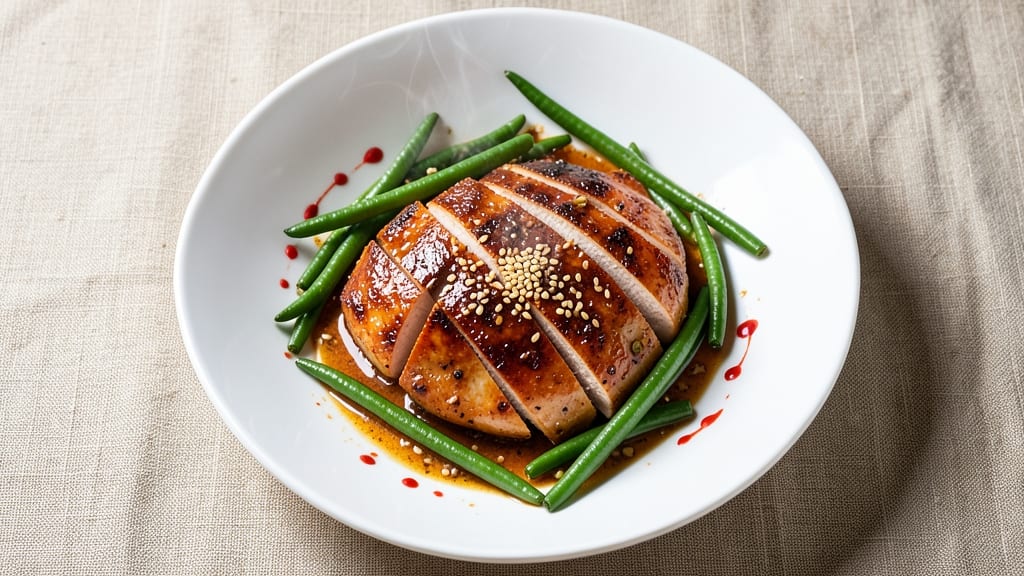
This Panda Express string bean chicken breast recipe delivers the same crispy-tender texture and savory-sweet glaze you know and love, perfected for your home kitchen in just 30 minutes. The secret lies in a precise marinade and high-heat searing that transforms ordinary chicken breasts into restaurant-quality bites.
I developed this version after years of testing copycat recipes, and it never fails to impress.
The dish combines perfectly seared chicken with vibrant green beans tossed in a light soy-ginger sauce, all blanketed in that signature sticky-sweet glaze.
What makes this recipe work is the balance of techniques: marinating the chicken for flavor penetration while keeping the center tender, and cooking the green beans just until they're bright and crisp-tender. The result is a dish that's restaurant-quality without requiring special equipment.
By the time you're done, you'll have golden-brown chicken with crispy edges and juicy centers, paired with green beans that maintain their vibrant color and slight crunch. The glaze clings perfectly to each piece, delivering that familiar sweet-and-savory flavor profile that makes this dish so popular.
This is the kind of meal that comes together quickly but still feels special enough for company.
The best part? This recipe scales beautifully whether you're cooking for two or feeding a crowd. The marinade and glaze can be made ahead, and the chicken cooks in just 15 minutes once you start searing. Let's get started on recreating this takeout favorite at home.
Ingredients for panda express string bean chicken breast
Quick pantry check—these 13 ingredients bring Panda Express's crispy chicken and vibrant green beans to your table.
| Ingredient | Amount | Notes |
|---|---|---|
| Boneless, Skinless Chicken Breast 🍗 | 1 ½ lb | Pounded to even thickness |
| Green Beans 🥦 | 1 ½ lb | Trimmed, cut into 2-inch pieces |
| Cornstarch 🌾 | ½ cup | For crispy coating |
| Vegetable Oil 🫒 | ½ cup | High smoke point preferred |
| Soy Sauce 🥢 | ½ cup | Low-sodium preferred |
| Brown Sugar 🍯 | ¼ cup | Packed firmly |
| Rice Vinegar 🍶 | ¼ cup | White vinegar substitute |
| Sesame Oil 🌿 | 1 tbsp | Toasted sesame flavor |
| Garlic Cloves 🧄 | 4 cloves | Minced for marinade |
| Ginger Root 🌿 | 1 tbsp | Freshly grated |
| Salt 🧂 | 1 ½ tsp | Kosher or sea salt |
| Black Pepper 🌶️ | ½ tsp | Freshly ground |
| Sesame Seeds 🌱 | 1 tbsp | Toasted for garnish |
The chicken is key here—boneless, skinless breasts work best, but pound them to even thickness so they cook uniformly. Trader Joe's and Costco often have good prices on bulk chicken. Look for fresh green beans with bright green color and crisp ends. If you can't find them fresh, frozen works too (just thaw and pat dry). The cornstarch is non-negotiable for that signature crispy coating—don't skip it! For the oil, vegetable or canola with a high smoke point is ideal. I usually grab a 32oz bottle from the store's bulk oil section to save money.
No sesame oil? Toasted peanut oil works in a pinch, though the flavor won't be identical. Running low on brown sugar? White sugar plus 1/4 tsp cinnamon gets you close. Fresh ginger is ideal, but ground ginger at half the amount works if you're in a hurry. For the soy sauce, low-sodium keeps the recipe balanced—regular soy sauce will make everything too salty. The green beans can be swapped for snow peas if you prefer, but keep the same cutting size. And trust me on the sesame seeds—toast them in a dry pan for 30 seconds before using for maximum flavor.
This marinade keeps for 3 days in the fridge, so make extra for next time. The chicken stays fresh for 2 days in the fridge once marinated, but cook it within 24 hours for best texture. Green beans are best used fresh, but frozen ones reheat beautifully. Store leftovers in airtight containers—they reheat well, though the green beans might get a little softer. For parties, double the recipe and cook the chicken in batches to keep it crispy.
Why You'll Love This Recipe
- 20-Minute Magic: I swear, this dish goes from raw to restaurant-quality in under 20 minutes. The chicken gets that signature crispy cornstarch crust while the green beans stay vibrant—no wilting, no fuss. Honestly, it’s the kind of meal that makes me feel like I actually cooked something impressive without the stress.
- Umami Bomb: That soy sauce and cornstarch combo? It’s what makes this taste so close to Panda Express, but better. The chicken stays juicy inside with a satisfying crunch, and the green beans soak up just enough flavor to feel like part of the party—not an afterthought.
- Lunchbox Hero: Between us, this is my go-to for packed lunches. The leftovers stay crispy for days (seriously, I’ve reheated this from Friday to Monday with zero complaints), and it’s the kind of dish that works cold, at room temp, or warmed up—no weird texture shifts.
- Budget Win: Chicken breast and green beans are cheap staples, and this recipe stretches them into something that feels special. I’ll be real: I’ve made this for date nights, family dinners, and even a potluck, and no one ever guessed it wasn’t homemade from scratch. (Spoiler: It’s not, but they don’t need to know.)
Step-by-step instructions for Panda Express string bean chicken breast recipe
Here's how to recreate that iconic crispy-tender chicken with perfectly sweet-and-savory sauce.
Marinate the Chicken for Maximum Flavor
In a large bowl, combine the 0.5 cup soy sauce, 0.25 cup brown sugar, 0.25 cup rice vinegar, 1 tbsp sesame oil, 4 cloves garlic cloves (minced), and 1 tbsp ginger root (freshly grated). Mix well until the brown sugar dissolves completely. Add the 1.5 lb boneless, skinless chicken breast (pounded to even thickness), turning to coat thoroughly. Cover and refrigerate for at least 30 minutes—this ensures the chicken absorbs all those delicious flavors and stays juicy.
I like to marinate for up to 2 hours if possible, but even 30 minutes makes a noticeable difference. The chicken should be fully submerged in the marinade, so if needed, pour the excess marinade over it. This step is what gives that signature Panda Express taste—don't skip it!
Create the Crispy Cornstarch Coating
In a shallow dish, combine the 0.5 cup cornstarch, 1.5 tsp salt, and 0.5 tsp black pepper. Remove the chicken from the marinade (reserve the marinade for later) and let any excess drip off. Working in batches if needed, press the chicken pieces into the cornstarch mixture, coating them evenly on all sides. The coating should adhere firmly—this is what creates that perfect crispy texture when fried.
Here's the thing—don't overcrowd your pan later. The chicken needs room to develop that golden crust, so keep the pieces separate. If they stick together, gently shake them in the dish to separate before frying. This step is crucial for that signature Panda Express crunch.
Fry to Golden Perfection
Heat 0.5 cup vegetable oil in a large skillet over medium-high heat until it shimmers but doesn't smoke. Working in batches to avoid overcrowding, add the cornstarch-coated chicken and fry for 3-4 minutes per side until golden brown and cooked through. The internal temperature should reach 165°F when checked with a meat thermometer. Transfer the fried chicken to a paper towel-lined plate to drain excess oil.
You'll know it's ready when the cornstarch coating turns a deep golden brown and the chicken releases easily from the pan. If the oil gets too hot and starts smoking, reduce the heat slightly—you want that crispy exterior without burning. The chicken should be tender enough to cut with a fork but still hold its shape.
Simmer in the Sauce for Sweet-Tangy Flavor
In the same skillet (no need to clean it—the browned bits add flavor), pour in the reserved marinade and bring to a gentle simmer over medium heat. Add the 1.5 lb green beans (trimmed and cut into 2-inch pieces) and cook for 4-5 minutes until the beans are bright green and slightly tender. The sauce should thicken slightly as it simmers, coating the chicken and vegetables.
Here's where the magic happens: the natural sugars in the brown sugar caramelize, creating that signature sweet-and-savory sauce. Taste and adjust seasoning if needed—you might want to add a splash more soy sauce for saltiness or a bit of rice vinegar for tang. The sauce should cling nicely to both the chicken and green beans.
Finish and Serve with Toasted Sesame Seeds
Transfer the chicken and green beans to a serving platter. Drizzle any remaining sauce from the skillet over the top, then sprinkle with 1 tbsp toasted sesame seeds for that final restaurant-quality touch. Serve immediately while everything is hot and the sauce is still glossy.
Each bite should deliver that perfect balance of crispy chicken, tender green beans, and that sweet-tangy sauce. The sesame seeds add a delightful nutty crunch that ties everything together. This dish comes together quickly but delivers restaurant-quality results—just like Panda Express!
Pro Tips For Making Panda Express String Bean Chicken Breast
- Cut Chicken Thin: Slice your chicken breast against the grain into ¼-inch strips—thinner than you think. I used to eyeball it and ended up with chewy chunks, but this ensures even cooking and that signature Panda Express tenderness. A sharp knife and a steady hand make all the difference.
- Blanch Green Beans First: Shock your green beans in boiling water for 30 seconds, then ice bath them before stir-frying. This stops the cooking process so they crisp up perfectly in the wok—no more mushy, overdone beans when they hit the pan. Trust me, it’s worth the extra bowl.
- Don’t Rush the Cornstarch: Mix cornstarch with soy sauce before tossing it with the chicken—let it sit for 5 minutes. This gives the coating time to cling properly, so you’re not scrambling to coat everything last-minute. Skipping this step means uneven crispiness.
- Use Two Stages of Heat: Start with high heat to sear the chicken, then lower it to medium for the sauce. High heat first locks in juices, while medium lets the soy-cornstarch glaze caramelize without burning. I learned this after one disastrous batch where everything stuck to the pan.
Troubleshooting this dish
Chicken Too Dry?
If your chicken comes out dry, the issue is likely overcooking or not pounding it evenly. I’ve seen this happen when people skip the 30-minute marinade or use chicken that’s too thick.
Pound your breasts to ½-inch thickness before marinating, and use a meat thermometer—remove the chicken when it hits 160°F (it’ll rise to 165°F while resting). Resting for 5 minutes after frying helps juices redistribute. 💡
Sauce Too Thin?
The sauce should coat the back of a spoon but still cling to the chicken. If it’s too thin, simmer it uncovered for 2-3 extra minutes to reduce.
For a thicker glaze, mix 1 tsp cornstarch with 1 tbsp water, stir into the sauce, and cook for 1 minute until it thickens. I’ve also found that using light soy sauce instead of regular helps balance the sweetness and reduce thinness. 🍶
Green Beans Mushy?
Overcooking is the usual culprit here. Green beans should stay crisp-tender—they’re done when they’re bright green and just slightly soft to the bite. Cook them for no more than 4-5 minutes in the sauce, and avoid overcrowding the pan.
If using frozen beans, thaw and pat them very dry before cooking to prevent steaming. 🥦
Cornstarch Not Crispy?
Uneven coating or low heat are the most common issues. Press the chicken firmly into the cornstarch mixture, and make sure your oil is at medium-high heat (around 350°F) before frying. If the coating falls off, the chicken wasn’t fully coated or the oil wasn’t hot enough.
For extra crunch, I sometimes double the cornstarch to 1 cup—just be sure to fry in smaller batches to maintain heat. 🌾
Sauce Too Salty?
If the sauce tastes too salty, it’s usually from using regular soy sauce instead of low-sodium. For balance, add 1 tbsp honey or brown sugar to sweeten, or a splash of rice vinegar to cut the saltiness.
If you’re using low-sodium soy sauce, the recipe should be perfectly balanced. Taste as you go—adjust gradually to avoid overcorrecting. 🧂
Chicken Sticking to Pan?
This happens when the pan isn’t hot enough or the chicken is overcrowded. Heat your oil until it shimmers (but doesn’t smoke) before adding the chicken, and work in single-layer batches.
If the chicken sticks, gently lift it with a spatula—don’t force it. A well-seasoned cast-iron skillet helps, but even nonstick pans work if you keep the heat consistent. 🔥
Nutrition facts
Frequently asked questions
Can I make this recipe without cornstarch?
The cornstarch creates that signature crispy texture, but you can substitute with ½ cup all-purpose flour if needed. The coating won't be quite as crispy, but it'll still add texture. For a gluten-free option, use ½ cup arrowroot powder instead—just make sure to press it firmly onto the chicken.
How do I keep the chicken from sticking to the pan?
Heat your oil until it shimmers (around 350°F) before adding the chicken, and work in single-layer batches. If it sticks, gently lift with a spatula—don't force it. A well-seasoned cast-iron skillet helps, but nonstick pans work too if you maintain consistent heat.
Can I use chicken thighs instead of breasts?
You can try, but thighs have more fat and will cook faster. Pound them to ½-inch thickness and reduce cooking time to 2-3 minutes per side. The texture will be slightly different, but the flavor will be richer. For best results, stick with breasts—they're what gives that classic Panda Express tenderness.
How far ahead can I prepare the marinade?
The marinade keeps for 3 days in the fridge and freezes well for 3 months. For best flavor, marinate the chicken for at least 30 minutes (up to 2 hours for deeper flavor). If using frozen marinade, thaw it in the fridge overnight before using.
What's the best way to reheat leftovers?
Reheat in a skillet over medium heat for 2-3 minutes to revive the crispy coating. Add a splash of water or chicken broth to prevent drying. Microwaving works too (60 seconds), but the texture won't be as crispy. Store leftovers in airtight containers—they keep for 3 days in the fridge.