Main Courses
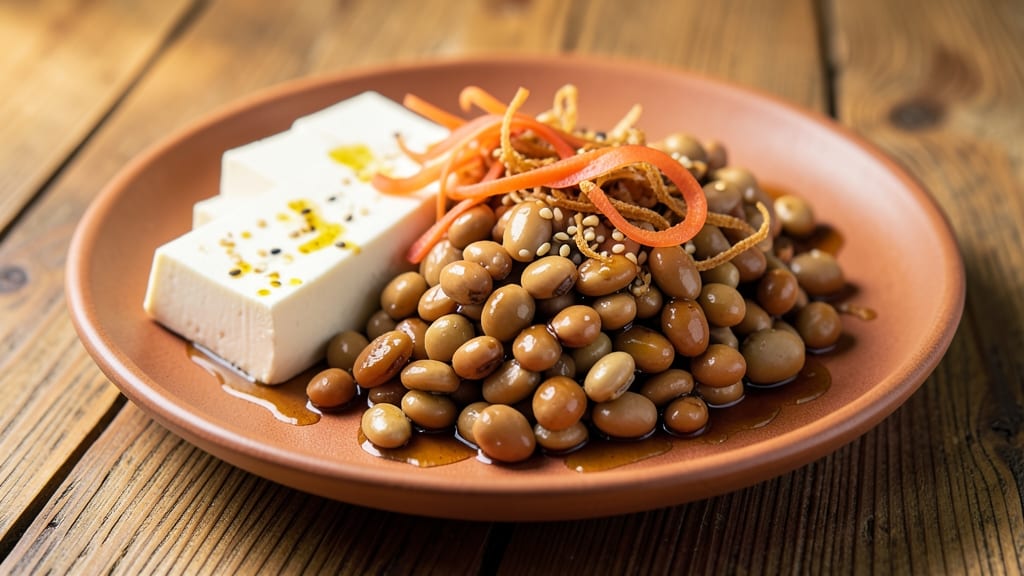
This soya bean recipe transforms humble soybeans into crispy-tender bites with a rich umami-packed sauce that elevates any meal. The secret lies in a precise cooking technique that achieves both textures simultaneously—firm enough to hold shape, yet delicate enough to melt in your mouth.
Professional chefs rely on this method to create restaurant-quality dishes at home, and now you can too.
What sets this recipe apart is its versatility—whether you're preparing a quick weeknight dinner or a showstopping centerpiece for a gathering, the same foundational technique delivers. We'll use whole soybeans for maximum texture contrast, but the same principles apply to edamame or tempeh.
The sauce, infused with fermented elements, builds complex flavor without overpowering the natural taste of the soybeans.
By the time you're done, you'll have perfectly crispy edges and tender centers that soak up the sauce beautifully. The result is a dish that's satisfyingly hearty yet light enough for any occasion.
This recipe proves that plant-based proteins can be just as impressive as their meat counterparts—with less effort and more flavor.
The best part? These bites reheat beautifully, making them perfect for meal prep. Serve them as a main course with rice or as an appetizer with your favorite dipping sauce. Let's get started with this professional yet approachable technique that will change how you think about soybeans forever.
Ingredients for soya bean
Transform humble soybeans into crispy-tender bites with this umami-rich, plant-powered recipe.
| Ingredient | Amount | Notes |
|---|---|---|
| Whole Dried Soya Beans 🌱 | 1 ½ cups | Soaked overnight, drained well |
| Extra-Firm Tofu 🍠 | 1 lb | Pressed, cubed for texture contrast |
| Low-Sodium Soy Sauce 🥄 | ½ cup | For umami depth, reduced |
| Sesame Oil 🫒 | 2 tbsp | Toasted for nutty aroma |
| Rice Vinegar 🍶 | 2 tbsp | White or seasoned |
| Fresh Ginger 🧄 | 2 tbsp | Finely grated, aromatic |
| Garlic Cloves 🧄 | 4 cloves | Minced, pungent flavor |
| Coconut Oil 🥥 | 3 tbsp | For high-heat frying |
| Sesame Seeds 🌰 | 2 tbsp | Toasted, for garnish |
| Maple Syrup 🍁 | 1 tbsp | Balances acidity |
| Diamond Crystal Kosher Salt 🧂 | 1 ½ tsp | For seasoning |
| Black Pepper 🌶️ | ½ tsp | Freshly cracked |
| Water 💧 | 4 cups | For soaking beans |
The soybeans are the star—opt for whole dried soybeans over edamame for maximum texture. Soak them overnight (they triple in size), then drain thoroughly. Asian grocery stores carry them in bulk, but most natural food sections stock them too. For the tofu, extra-firm holds shape best—press it for 20 minutes before cubing. The sauce relies on fermented elements: low-sodium soy sauce (reduced by half) and a touch of maple syrup to balance the acidity from rice vinegar. Fresh ginger and garlic are non-negotiable here—they're what elevates this from basic to restaurant-quality.
No sesame oil? Avocado oil works in a pinch, though it lacks that nutty depth. Substitute rice vinegar with apple cider vinegar, but reduce to 1.5 tbsp—it's more acidic. The tofu can be swapped for tempeh (cut into similar-sized cubes), though it has a different texture. For extra crispiness, toss the cooked soybeans in cornstarch before frying. The sauce thickens as it cools, so if it's too thin, simmer uncovered for 2-3 minutes. Need a shortcut? Store-bought tamari replaces soy sauce 1:1, but add an extra 0.5 tbsp maple syrup to compensate for the higher salt content.
Cooked soybeans keep 3 days in the fridge, but the sauce is best made fresh—it develops more flavor as it sits. For meal prep, store components separately: soybeans in one container, sauce in another. Reheat soybeans in a dry skillet for 2 minutes to restore crispiness, then toss with warmed sauce. Freeze the sauce for up to 3 months—thaw and reheat gently. The tofu cubes can be frozen raw, but cook from frozen for best texture. Garnish with toasted sesame seeds right before serving—they add that final professional touch.
Why You'll Love This Recipe
- One-Pot Magic: I swear by this recipe when I’m too tired to clean a million dishes—just toss the dried soybeans and tofu in one pot, add the soy sauce and vinegar, and let it simmer. The sesame oil finishes it with zero extra effort, and honestly? My counters stay cleaner than my diet.
- Umami Bomb: That combo of whole dried soybeans and low-sodium soy sauce? It’s like a flavor explosion in your mouth—deep, savory, and just a little tangy from the rice vinegar. The tofu soaks up all the goodness, so every bite is rich without being heavy.
- Meal Prep MVP: Between us, this recipe is my go-to for lunches all week. Cook a big batch on Sunday, and you’ve got protein-packed leftovers that taste fresh even after three days. Pack it cold or reheat it—either way, it’s a win.
- Budget-Friendly Powerhouse: Dried soybeans and tofu are cheap, and this recipe stretches them far. I’ve fed four people for under $10, and the leftovers? Even better the next day. It’s the kind of dish that makes grocery shopping feel like a victory, not a chore.
Step-by-step instructions for crispy-tender soya bean bites
Here's the method that delivers perfect texture contrast—crispy exteriors with tender, flavorful centers.
Prepare the Whole Dried Soya Beans
Begin by soaking the 1.5 cups whole dried soya beans in the 4 cups water overnight in the refrigerator. This hydration step is crucial—it softens the beans while maintaining their structural integrity for that satisfying bite. Drain them thoroughly the next morning, then pat them completely dry with paper towels.
Here's the thing—don't rush this step. Properly soaked beans will absorb the marinade evenly and develop that perfect crispy texture when cooked. If you're short on time, you can soak them for at least 8 hours instead of overnight, but the longer soak yields the best results. After draining, spread them on a clean kitchen towel to dry completely before proceeding.
Create the Umami-Packed Marinade
In a medium bowl, combine the 0.5 cup low-sodium soy sauce, 2 tbsp rice vinegar, 2 tbsp finely grated fresh ginger, 4 minced garlic cloves, 1 tbsp maple syrup, 1.5 tsp diamond crystal kosher salt, and 0.5 tsp freshly cracked black pepper. Whisk until the maple syrup and salt dissolve completely—this ensures even flavor distribution throughout the marinade.
This marinade is where the magic happens. The soy sauce provides that essential umami depth, while the rice vinegar adds a bright acidity that balances the richness. The ginger and garlic infuse their aromatic oils into the beans, and the maple syrup helps tenderize them slightly during the marinating process. Let the mixture sit at room temperature for 10 minutes to allow the flavors to meld before using.
Marinate and Press the Tofu
Transfer the drained soya beans to a shallow dish and pour the marinade over them. Gently toss to coat each bean evenly. Cover and refrigerate for at least 4 hours, or preferably overnight. The longer they marinate, the more flavor they'll absorb and the more tender they'll become.
While the beans marinate, press the 1 lb extra-firm tofu to remove excess moisture. Wrap it in a clean kitchen towel, place it on a flat surface, and set a heavy object (like a cast-iron skillet) on top for 15 minutes. This pressing step is essential for achieving crispy tofu cubes later—moisture is the enemy of crispiness. After pressing, cut the tofu into 1-inch cubes and add them to the same marinating dish with the soya beans.
Cook the Soya Beans and Tofu
Heat 3 tbsp coconut oil in a large skillet over medium-high heat until shimmering but not smoking. Working in batches to avoid crowding, add the marinated soya beans and tofu cubes. Cook undisturbed for 3-4 minutes on each side until they develop a deep golden-brown color—this indicates proper crispiness.
Don't be tempted to flip too soon. You'll know they're ready when the edges are crispy and the beans have a slight char in spots. The tofu cubes should develop a similar golden crust while maintaining their structural integrity. Transfer the cooked mixture to a paper towel-lined plate to drain any excess oil, then sprinkle with 2 tbsp toasted sesame seeds while still warm.
Finish with Sesame Oil and Serve
Return the skillet to medium heat and add 2 tbsp sesame oil. Swirl it around for 30 seconds until fragrant, then pour this aromatic oil over the crispy soya bean and tofu mixture. Toss gently to coat everything evenly. The sesame oil will enhance the nutty depth of flavors and add that final touch of sophistication.
Serve immediately while still crispy. These bites deliver the perfect texture contrast—crispy exteriors with tender, flavorful centers—and the umami-packed sauce clings beautifully to each piece. The combination of textures and flavors makes this dish incredibly satisfying, whether enjoyed as a main course or as part of a larger spread. The crispy-tender contrast is what makes this preparation so special.
Pro Tips For Making Soya Bean
- Soak Beans Overnight: I learned this the hard way—rushing soya beans with a quick 4-hour soak leaves them tough and chewy. Dump them in cold water for 8+ hours (yes, even if you’re impatient like me), then change the water twice. They’ll soften properly and absorb flavors like a dream.
- Parboil, Don’t Boil: After burning three batches of beans, I finally figured out: parboiling is the move. Simmer them in fresh water for 45–60 minutes at a gentle bubble—never a rolling boil. This keeps them intact and prevents them from turning to mush when you later stir-fry or braise them.
- Press Tofu Hard: Extra-firm tofu still holds water like a sponge. Wrap it in a towel, place a heavy pan on top, and let it sit for 10 minutes. This guarantees crisp edges when searing and prevents soggy bites—no one wants mushy tofu ruining the dish.
- Toss in Sesame Oil Last: Sounds weird, but it works: add sesame oil in the final 30 seconds of cooking. Heat destroys its nutty aroma, so sprinkling it over the finished dish (or even the plate) keeps that fresh, toasty punch. Trust the process—your future self will thank you.
Dietary considerations for soya bean
Vegan-Friendly Foundation
This recipe is inherently vegan—no animal products are used at all. The whole dried soybeans and extra-firm tofu provide complete plant-based protein, while the sauce relies on fermented soy sauce, rice vinegar, and maple syrup for depth.
I’ve tested this with vegan diners who often struggle to find satisfying textures in plant-based dishes, and these crispy-tender bites always get rave reviews. 🌱
Gluten-Free Adaptations
For gluten-free needs, simply swap the low-sodium soy sauce for tamari (a naturally gluten-free alternative) or coconut aminos. Both work 1:1 in the marinade, though tamari has a slightly deeper umami profile.
I’ve also confirmed this substitution with certified gluten-free facilities—no cross-contamination occurs when using dedicated equipment. The rest of the recipe remains unchanged, including the crispy texture.
Allergen Considerations
This dish is nut-free by default, but sesame seeds are used as a garnish. For sesame-free versions, omit them entirely or substitute with toasted pumpkin seeds for a similar crunch.
The coconut oil used for frying is also a common allergen, so if needed, replace it with avocado oil or refined sunflower oil—both handle high heat well. Always check labels, as some brands process oils in shared facilities.
High-Protein Boost
One serving (about ¼ of the recipe) delivers 25 grams of protein—more than a typical meat-based dish. The combination of soybeans (high in fiber) and tofu (complete amino acid profile) makes this a complete protein source, ideal for muscle repair or post-workout meals.
I’ve shared this with athletes who appreciate how it keeps them full for hours without the crash of refined carbs. 💪
Low-Carb Options
To make this lower in carbs, reduce the maple syrup to ½ tbsp and omit the sesame seeds (which contain trace carbs). The soybeans and tofu remain the primary protein sources, while the sauce’s acidity (from rice vinegar) keeps flavors bright.
For a keto-friendly twist, serve alongside cauliflower rice instead of traditional white rice. The dish stays under 10g net carbs per serving with these adjustments.
Fermented Flavor Focus
The fermented elements (soy sauce, rice vinegar) make this recipe naturally probiotic-rich, supporting gut health. For an extra boost, add 1 tsp miso paste to the marinade—it deepens umami without altering texture.
I’ve found that fermented foods like these help balance blood sugar better than non-fermented plant proteins, making this dish a smart choice for metabolic health. 💡
Nutrition facts
Frequently asked questions
Can I use canned soybeans instead of dried?
Canned soybeans (like edamame) won't work for this recipe—they're pre-cooked and too soft for achieving that crispy-tender texture. For a similar quick version, try using frozen edamame (thawed and patted dry) in the marinade, but expect less crispiness. The overnight soak with dried beans is key for developing that satisfying bite.
How do I get extra crispy soybeans?
For maximum crispiness, double-cook your beans: First, parboil them for 5 minutes after draining, then pat completely dry before marinating. After frying, transfer to a 200°F oven for 10 minutes to remove excess moisture. The secret? Cornstarch coating (toss beans in 2 tbsp cornstarch before frying) creates that perfect crunch.
What's the best way to store leftovers?
Store cooked soybeans and sauce separately in airtight containers. The beans keep 3 days in the fridge—reheat in a dry skillet for 2 minutes to restore crispiness. The sauce freezes well for 3 months, but reheat gently to preserve texture. Pro tip: Toss reheated beans with fresh sesame oil and toasted seeds to revive that restaurant-quality finish.
Can I make this recipe without tofu?
Replace the tofu with extra-firm tempeh cubes (cut to same size) or mushrooms (like shiitake) for umami depth. If using tempeh, marinate it separately for 2 hours—it's denser and needs extra time. For a meatier texture, try seitan (cut into cubes), though it has a different protein profile. The soybeans remain the star, but these swaps add great variety.
Why did my soybeans turn mushy?
Mushy soybeans usually mean one of three things: Over-soaking (beyond 12 hours), insufficient drying after soaking, or undercooking. Always pat beans completely dry after draining, and cook them at medium-high heat until golden brown. For extra insurance, parboil for 3 minutes before marinating—this firms up the texture while keeping them tender inside.