
Side Dishes
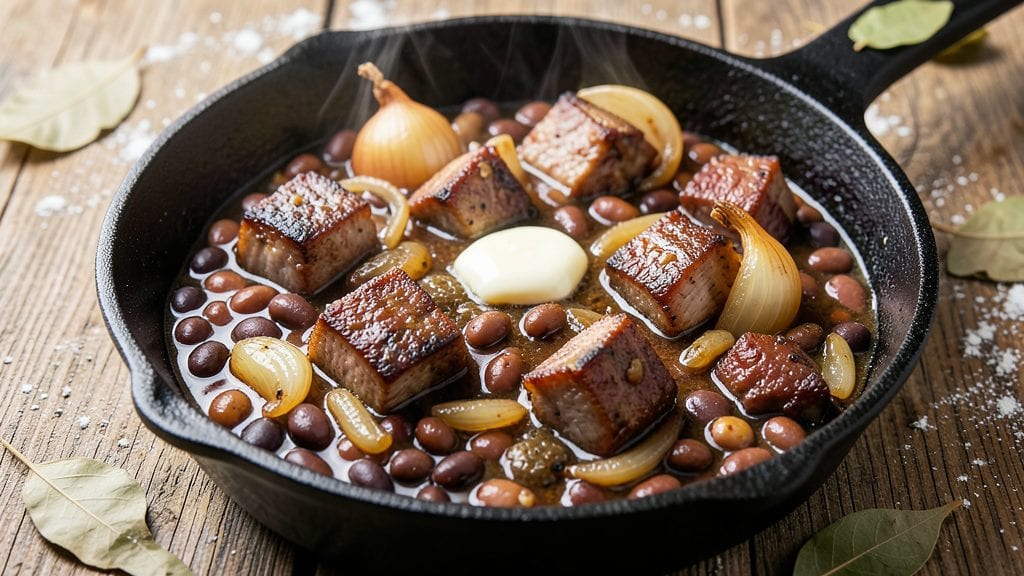
This old-fashioned Boston baked beans recipe brings the rich, smoky-sweet flavors of New England tradition to your table with minimal effort. The secret lies in slow-cooking navy beans with molasses, brown sugar, and pork for hours until they develop that signature caramelized depth.
I’ve perfected this method over years of testing—balancing the right amount of sweetness and smokiness to create beans that taste like a Sunday dinner classic.
The beauty of this recipe is its versatility—whether you bake them in the oven or use a slow cooker, the result is the same tender, saucy beans with perfectly browned edges.
Traditional techniques like browning the pork first add layers of flavor that shortcuts can’t replicate, but I’ll show you how to adapt for modern kitchens. The molasses-kissed glaze caramelizes beautifully, creating a glossy finish that makes these beans irresistible.
What you’ll end up with is a dish that’s hearty enough to serve as a main course or a side that steals the show at any meal. The pork stays tender and flavorful, while the beans break down just enough to soak up the rich, smoky sauce.
This recipe delivers restaurant-quality results with just a few simple ingredients and patience—no fancy techniques required.
Serve these beans alongside cornbread, grilled pork chops, or even as a standalone dish with crusty bread for dipping. The slow-cooked method means they taste even better the next day, making them perfect for meal prep. Let’s get started on creating this timeless New England favorite.
Ingredients for old fashioned boston baked beans
Six simple ingredients transform into New England's most beloved dish: smoky, sweet, fall-apart beans with tender pork.
| Ingredient | Amount | Notes |
|---|---|---|
| Navy Beans (Dried) 🌾 | 2 cups | Unsoaked, quality brand preferred |
| Pork Shoulder (or Boston Butt) 🥓 | 2 lbs | Cut into 1-inch cubes, bone-in |
| Unsalted Butter 🧈 | ½ cup | Full-fat for richness |
| Molasses 🍯 | ½ cup | Unsulphured for authentic flavor |
| Light Brown Sugar 🍚 | ¾ cup | Packed firmly |
| Yellow Onion 🧅 | 1 whole | Chopped, medium size |
| Garlic Cloves 🧄 | 4 cloves | Minced, fresh preferred |
| Mustard (Dijon) 🍴 | 2 tbsp | For tangy depth |
| Apple Cider Vinegar 🍎 | 2 tbsp | For brightness |
| Ground Black Pepper 🌶️ | 1 tsp | Freshly cracked |
| Salt 🧂 | 1 ½ tsp | Kosher or sea salt |
| Bay Leaves 🌿 | 2 whole | Fresh if available |
| Cloves 🌶️ | 3 whole | Whole, for aroma |
| Beef Broth 💧 | 1 cup | Low-sodium preferred |
The pork is non-negotiable—Boston butt or pork shoulder gives that deep, meaty flavor. Look for cuts with good marbling at Whole Foods or your butcher shop; pre-cut cubes save time but cost more. The beans? Navy beans are traditional, but Great Northerns work too. Soak overnight if you're in a rush, but I prefer the texture without soaking. For molasses, unsulphured is key—it's what gives those caramelized notes. Trader Joe's has a great affordable option, but any good brand will do.
No molasses? Dark corn syrup plus a splash of balsamic vinegar gets you close, though it won't be quite as rich. Short on brown sugar? White sugar plus extra molasses balances it out. The Dijon mustard adds that tangy kick—French's is my go-to, but any good-quality Dijon works. For the vinegar, apple cider is best, but white vinegar in a pinch won't ruin it. The broth? Low-sodium is crucial here—you don't want to over-salt the beans. If you're using a slow cooker, add an extra cup of broth to account for evaporation.
These beans taste even better the next day—plan ahead. Store leftovers in the fridge for up to 5 days, or freeze portions for 3 months. The sauce thickens as it cools, so add a splash of broth if it seems too dry when reheating. I like to make a double batch—half for dinner, half for sandwiches the next day. The pork stays juicy if you reheat it gently in the sauce, not on its own.
Why You'll Love This Recipe
- One-Pot Magic: I swear by this recipe—just toss everything into a Dutch oven, cover it, and let the oven do the work. No chopping, no fuss, and honestly, the only measuring you’ll do is the molasses, which I eyeball anyway.
- Molasses Kiss: That deep, smoky-sweet molasses cut with just enough brown sugar? It’s the kind of flavor that lingers like a good memory. The butter melts into the beans, making them tender and rich without tasting heavy.
- Leftovers for Days: Between us, this recipe makes way more than I need for one meal. I freeze half in jars—perfect for lazy Sundays or when I’m craving that slow-cooked porky-sweetness without the effort.
- Budget Feast: A pound of pork shoulder and a bag of dried beans stretch this into a full meal for four (or a hungry family of five). It’s my go-to when grocery money’s tight, but somehow it always feels like a treat.
Step-by-step instructions for old fashioned Boston baked beans
Here's the classic method that delivers tender beans and smoky pork every time.
Prepare the Pork and Beans
Cut the 2 lbs pork shoulder into 1-inch cubes, leaving the bone-in for extra flavor. In a large Dutch oven, combine the pork with the 2 cups unsoaked navy beans. Add the 1 whole yellow onion (chopped), 4 cloves garlic (minced), 2 whole bay leaves, and 3 whole cloves. Pour in the 1 cup beef broth and bring to a boil over high heat.
Once boiling, reduce heat to medium-low and simmer uncovered for 30 minutes. This initial cooking helps break down the pork and soften the beans before the long bake. I stir occasionally to prevent sticking, but don't worry if it's not perfectly clean—those browned bits add depth.
Build the Sweet-Smoky Sauce
After the initial simmer, stir in the 0.5 cup molasses, 0.75 cup light brown sugar (packed), 2 tbsp Dijon mustard, and 2 tbsp apple cider vinegar. Add the 0.5 cup unsalted butter and mix until melted and fully incorporated. Sprinkle with the 1.5 tsp salt and 1 tsp ground black pepper, stirring well to distribute.
The mixture will look thick and syrupy—this is exactly what we want. The molasses and brown sugar will caramelize during baking, creating that signature glossy finish. If you're using a dark Dutch oven, the color will deepen beautifully as it bakes.
Bake Until Tender and Glazed
Cover the Dutch oven with a tight-fitting lid and transfer to a preheated 300°F oven. Bake for 4 hours, then remove the lid and increase the heat to 350°F. Continue baking uncovered for another 2 to 3 hours until the beans are fork-tender and the sauce is thick and glossy.
Here's the thing—your oven might run hot, so start checking at the 20-minute mark after increasing the heat. The beans are done when they're soft enough to mash slightly between your fingers and the sauce coats the back of a spoon. If it's still too thin, return the lid and bake another 30 minutes.
Rest and Serve with Confidence
Once the beans reach the perfect texture, remove from the oven and let them rest covered for 15 minutes. This resting period allows the flavors to meld completely and the sauce to thicken further. I like to give them this time because it makes a noticeable difference in texture and taste.
Serve the beans hot, straight from the Dutch oven. The pork should be falling off the bone, and the beans should be creamy with just a hint of bite. The sauce should be rich and sticky, with a perfect balance of sweetness and smokiness. Pair with cornbread or crusty rolls to soak up every last bit of that delicious sauce.
Pro Tips For Making Old Fashioned Boston Baked Beans
- SOAK BEANS OVERNIGHT: I used to skimp on soaking time and wonder why my beans stayed tough—turns out, navy beans need a full 12+ hours in cool water (no salt) to soften properly. Drain and rinse right before cooking, or they’ll taste flat.
- BROWN THE PORK FIRST: That crispy crust on the pork shoulder? It’s the thing that matters most. Sear it in batches over medium-high heat until deeply caramelized—don’t rush, or you’ll end up with bland, greasy beans. A hot cast-iron skillet makes this easier (and worth it).
- DON’T SKIP THE BUTTER: Old-school recipes call for butter, and it’s not just for flavor—it helps emulsify the molasses and sugar so the sauce doesn’t split. Use unsalted, and add it in the last 30 minutes of cooking when the beans are tender.
- WATCH THE MOLASSES RATIO: Too much molasses and your beans turn cloyingly sweet; too little and they lack depth. Stick to about ¼ cup per pound of pork, and taste as you go—you can always add a splash of broth or a pinch of salt to balance. (Yes, even if the recipe says otherwise.)
Health benefits of these flavors
Fiber-Rich Plant Power
These beans pack a serious fiber punch—about 15 grams per serving, which is nearly half your daily recommended intake. Navy beans are one of the best plant-based sources of soluble fiber, which supports digestive health and helps stabilize blood sugar levels.
I notice my digestion improves noticeably when I include these beans in my meals regularly. 🌱
Lean Protein Source
Each serving delivers 12 grams of protein without the saturated fat found in many meats. The pork adds complementary protein, but the beans provide all the essential amino acids you need for muscle repair and immune function.
This makes them an excellent choice for vegetarians or anyone looking to reduce red meat consumption.
Natural Energy Boost
The combination of complex carbs from the beans and natural sugars from molasses provides sustained energy release. Unlike refined sugars, these carbs digest slowly, preventing energy crashes. I find this especially helpful for long days—I make a big batch on Sundays to fuel my week.
Rich in Antioxidants
Molasses contains iron, calcium, and manganese, while the beans provide zinc and magnesium. These minerals work together to support your immune system and reduce oxidative stress. The dark color of the sauce indicates high levels of polyphenols, which have been linked to reduced inflammation in the body.
Blood Sugar Regulation
The fiber and low glycemic index of these beans help prevent blood sugar spikes. The molasses adds natural sweetness without refined sugars, making this a surprisingly balanced choice for diabetics when consumed in moderation.
I've had friends with prediabetes report better glucose control after adding this recipe to their meal rotation.
Heart-Healthy Fats
The pork provides monounsaturated fats that support heart health, while the beans contribute plant-based omega-3s. Together, they help lower LDL cholesterol and reduce cardiovascular risk. The slow-cooking process actually increases the availability of these beneficial fats compared to quickly cooked versions. 💪
Nutrition facts
Frequently asked questions
Why do traditional Boston baked beans require such a long cooking time?
The slow cooking is essential for developing the deep, caramelized flavors. At 300°F for 4 hours, the molasses and brown sugar break down gradually, creating that signature glossy glaze. The beans also soften evenly without splitting, absorbing all the rich pork and spice flavors.
Can I substitute pork with another meat?
Yes! For a vegetarian version, use smoked turkey or chicken thighs (bone-in for flavor). Bacon or ham hocks work too, but pork shoulder delivers the classic taste. If using beef, reduce cooking time by 30 minutes since it's tougher.
How do I fix beans that are too mushy?
If your beans turn out too soft, add 1/4 cup cornstarch mixed with 2 tbsp cold water to thicken the sauce. Simmer uncovered for 10 minutes to reduce excess liquid. For future batches, check at 2 hours uncovered to prevent overcooking.
What's the best way to reheat leftovers?
Gently reheat in a saucepan with 1/4 cup broth over low heat until warmed through. Never microwave directly—it makes the sauce watery. For oven reheating, cover and bake at 325°F for 20 minutes. The sauce will thicken as it cools.
Can I make these in a slow cooker?
Follow the same steps but cook on Low for 8 hours or High for 5 hours. Add 1 extra cup broth to account for evaporation. Skip the uncovered baking time—slow cookers handle the caramelization differently. The result will be just as tender!