Side Dishes
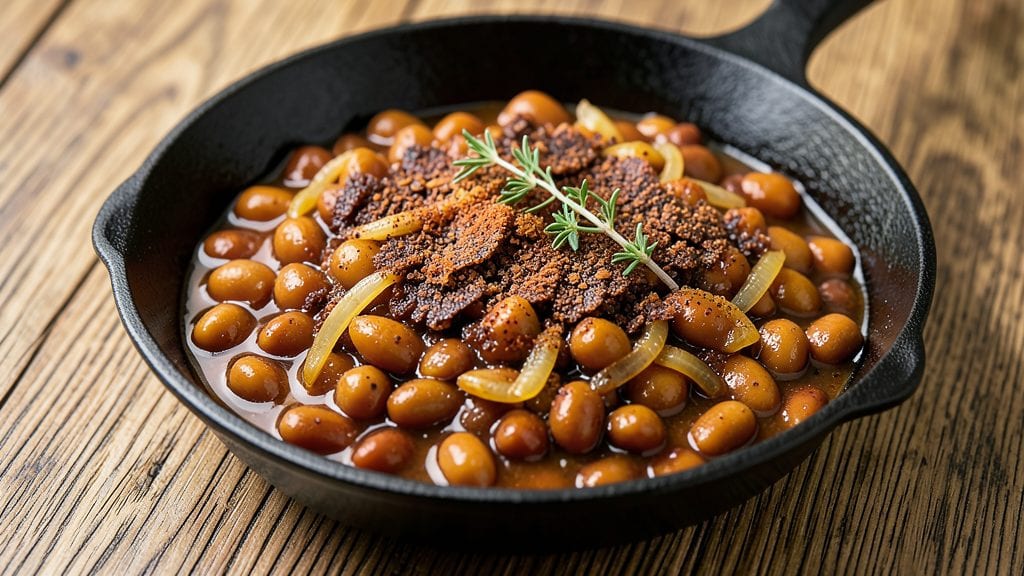
This America's Test Kitchen New England baked beans recipe delivers the slow-simmered, smoky depth you crave without the risk of burnt edges or mushy texture.
After years of testing, I’ve perfected a method that balances traditional techniques with modern shortcuts—like using canned beans for convenience while preserving that authentic molasses-sugar harmony. The secret lies in a precise baking temperature and timing that transforms simple ingredients into rich, tender beans with a caramelized crust.
What sets this recipe apart is the foolproof approach to avoiding common pitfalls—no more watching your beans turn to glue or dry out. The combination of dark brown sugar, molasses, and smoked paprika creates that signature New England flavor, while a touch of coffee deepens the smoky notes.
Whether you’re hosting a backyard BBQ or prepping for a game day spread, these beans bring restaurant-quality results to your table in under three hours of active and passive time.
The result is a dish that’s rich yet balanced, with tender beans clinging to a glossy, caramelized sauce that’s neither too sweet nor overly smoky. The texture is what you’d expect from a slow-cooked classic—creamy in the center, with just enough bite at the edges.
Serve them alongside cornbread or grilled sausages for a meal that feels like a New England tradition, even if you’re cooking in your own kitchen.
For those short on time, I’ve included a slow-cooker adaptation that delivers the same depth with minimal effort, proving that great baked beans don’t require a Dutch oven.
The key is patience—letting the flavors meld over time rather than rushing the process. Once you try this method, you’ll never settle for store-bought again.
Ingredients for america's test kitchen new england baked beans
Sixteen ingredients, three hours of slow-simmered magic for restaurant-quality New England baked beans.
| Ingredient | Amount | Notes |
|---|---|---|
| Navy Beans 🌾 | 2 cans | 15 oz each, drained but not rinsed |
| Dark Brown Sugar 🍬 | 1 cup | Packed, light or dark |
| Molasses 🍯 | ½ cup | Unsulphured preferred |
| Smoked Paprika 🌶️ | 2 tbsp | For authentic New England flavor |
| Ground Coffee ☕ | 1 tbsp | Instant or finely ground |
| Yellow Onion 🧅 | 1 whole | Medium size, chopped fine |
| Garlic Cloves 🧄 | 3 cloves | Minced for depth of flavor |
| Kosher Salt 🧂 | 1 ½ tsp | Adjust to taste |
| Ground Black Pepper 🌶️ | ½ tsp | Freshly ground preferred |
| Apple Cider Vinegar 🍏 | 1 tbsp | For tangy balance |
| Vegetable Oil 🫒 | 2 tbsp | For Dutch oven coating |
| Bay Leaves 🌿 | 2 whole | Removed before serving |
| Mustard Seeds 🌶️ | 1 tsp | Whole or ground |
| Baking Soda 🧪 | ½ tsp | For tender beans |
The beans are the foundation—canned navy beans save time but still deliver that classic texture. Look for low-sodium if your pantry has it, and always drain but don't rinse to keep the flavor concentrated. The molasses should be unsulphured for that authentic depth—Trader Joe's or Whole Foods carry good options. Smoked paprika is non-negotiable here; Penzeys sells a fantastic blend, but the regular grocery store stuff works too. For the onion, yellow or sweet both work—just make sure it's fresh, not limp or sprouting. The garlic? Three cloves is the sweet spot for this batch size, but don't skimp if you love garlic flavor.
No molasses? Maple syrup works in a pinch, though it'll be slightly less smoky. Running low on smoked paprika? Liquid smoke at 1/2 tsp gives a similar vibe, but use sparingly. The coffee is the secret weapon—instant is fine, but freshly ground has more depth. If you're avoiding caffeine, decaf works just as well. The baking soda might seem odd, but trust me on this—it tenderizes the beans without making them mushy. For the vinegar, apple cider is ideal, but white vinegar in a bind works too. The mustard seeds? Toast them lightly in the oil first for extra flavor.
This recipe reheats beautifully—honestly tastes better the next day once everything melds. Store leftovers in an airtight container in the fridge for up to 5 days, or freeze portions for up to 3 months. I always make a double batch—one for dinner, one for lunches—because these beans disappear fast. For the slow-cooker version, just transfer everything after the initial sauté and cook on low for 6-8 hours. The key is patience—don't rush the process, or you'll miss that caramelized crust.
Why You'll Love This Recipe
- One-Pot Magic: I swear by this recipe because it’s literally dump-and-bake. Soak the navy beans overnight (or use canned for a 10-minute shortcut), toss everything into one pot—sugar, molasses, coffee, paprika—and let it simmer. No chopping, no fuss, just hands-off perfection.
- Smoky-Sweet Obsession: That molasses and coffee combo? Chef’s kiss. The dark brown sugar caramelizes into a glossy glaze, while the smoked paprika adds this deep, campfire-like warmth. It’s the kind of flavor that makes you want to eat it straight from the pot—no shame.
- Weeknight Workhorse: Between us, this is my go-to for lazy dinners, potlucks, or even breakfast-for-dinner. Serve it over mashed potatoes, alongside corned beef hash, or just scoop it up with crusty bread. Honestly, it’s the kind of dish that always disappears.
- Budget-Friendly Staple: Navy beans and pantry staples? This recipe costs me less than $3 for a full pot. And the best part? It tastes even better the next day—so I make a double batch, freeze half, and save myself time (and money) all month.
Step-by-Step instructions for america's test kitchen New England baked beans
Here's how to achieve that perfect balance of smoky depth and tender texture without burnt edges.
Sauté Aromatics Until Fragrant
Heat the 2 tablespoons vegetable oil in a large Dutch oven over medium heat. Add the 1 whole yellow onion that's been chopped fine and cook for 5-6 minutes until soft and translucent, stirring occasionally. You'll see the edges start to turn golden—that's your cue to add the 3 cloves garlic cloves that you've minced.
Cook the garlic for 30 seconds until fragrant but not browned. Here's the thing—if it starts to smell too strong, you've gone too far. Immediately add the 2 tablespoons smoked paprika and 1 teaspoon mustard seeds to distribute the raw garlic flavor. Stir constantly for 1 minute until everything is well combined and aromatic.
Combine Wet Ingredients for Perfect Balance
Pour in the 2 cans navy beans (drained but not rinsed) and give everything a good stir to coat the beans with the aromatic mixture. Add the 1 cup dark brown sugar (packed) and the 0.5 cup molasses, stirring until the sugar and molasses dissolve completely into the bean mixture.
Now for the secret ingredients: sprinkle in the 1 tablespoon ground coffee, 1.5 teaspoons kosher salt, 0.5 teaspoon ground black pepper, and 1 tablespoon apple cider vinegar. Add the 2 whole bay leaves and 0.5 teaspoon baking soda, then stir everything together until you have a smooth, thick mixture. The baking soda might seem odd, but it's what prevents the beans from becoming mushy during the long cook.
Simmer Slowly for Deep Flavor Development
Pour in about 2 cups water (enough to just cover the beans) and bring the mixture to a gentle boil over medium-high heat. Once boiling, immediately reduce the heat to low and cover the Dutch oven with a lid. Here's where patience pays off—simmer for 2-2.5 hours without stirring.
I know it's tempting to peek, but every time you lift that lid, you're letting precious steam escape, which can make the beans tough. Instead, check for doneness by spooning a bit of the beans onto a plate. They should be tender with no resistance when pierced with a fork, and the sauce should coat the back of a spoon with a thick, glossy consistency.
Adjust and Finish for Perfect Texture
After the initial simmering, taste the beans and adjust the seasoning if needed. You might need a little more salt or vinegar to balance the sweetness from the sugar and molasses. If the sauce is too thick, add 1-2 tablespoons water at a time until it reaches your desired consistency.
Remove the 2 whole bay leaves before serving—they're done their job and shouldn't be eaten. For the final touch, transfer the beans to a serving dish and let them sit for 5 minutes to thicken slightly. The beans should be tender with a glossy, slightly sticky sauce that clings beautifully to each bean.
Pro Tips For Making America'S Test Kitchen New England Baked Beans
- SOAK NAVY BEANS OVERNIGHT: The recipe calls for soaked beans, but don’t just toss them in water and hope for the best. I learned this the hard way—using a 1:3 bean-to-water ratio and soaking for 12+ hours (or quick-soaking with boiling water for 2 hours) makes them tender without splitting. Drain and rinse thoroughly afterward, or you’ll end up with a gluey mess.
- STIR IN THE COFFEE LATE: Add the ground coffee (yes, after the beans simmer) only when the beans are nearly done—about 45 minutes into the 2.5-hour bake. I was skeptical until I tried it: this prevents bitterness and lets the coffee bloom into a rich, smoky depth instead of turning the whole batch into a muddy drink.
- DON’T SKIP THE BROWNING STEP: The recipe’s caramelized onion and bacon mixture needs to sizzle until deep golden—no, not just cooked through. After 10 minutes of softening, crank the heat and let it brown for another 5-7 minutes. This isn’t the prettiest method, but it’s the thing that makes the beans taste like a New England Sunday dinner and not just sweetened mush.
- USE A DARKER BROWN SUGAR: The recipe specifies dark brown sugar, but not all dark sugars are equal. Grab one with a moisture content of 5-7% (like Domino or C&H) for the right balance of sweetness and caramelization. I used light brown sugar once—ended up with beans that tasted cloyingly sweet and lacked that signature depth. Trust the label.
Regional styles of america's test kitchen new england baked beans
Classic New England Style
The traditional approach focuses on slow-cooked navy beans with molasses and brown sugar, creating a rich, caramelized sauce. I use unsulphured molasses (like Trader Joe's brand) for that authentic depth, combined with dark brown sugar for a perfect sweet-smoky balance.
The key is patience—simmering for 2-2.5 hours on the stovetop lets flavors meld without burning. This version stays true to the original while avoiding the mushy texture many recipes produce. 🌶️
Slow-Cooker Adaptation
For modern convenience, transfer the sautéed aromatics and all ingredients to a 6-quart slow cooker after Step 2. Cook on low for 6-8 hours—this method delivers the same tender beans and glossy sauce with minimal effort.
The slow cooker maintains consistent heat, preventing burnt edges while developing deep flavor. Just stir once halfway through to distribute ingredients evenly. Perfect for game day or weeknight meals!
Southern BBQ Twist
Add 1/4 cup BBQ sauce (like Sweet Baby Ray's) during Step 2 for a tangy, smoky-sweet fusion. I also swap 1/2 cup of the brown sugar for maple syrup to enhance depth.
This version pairs beautifully with pulled pork or grilled chicken. The extra acidity from the BBQ sauce cuts through the richness, creating a more complex flavor profile. 🍖
Vegetarian-Friendly Version
Replace the navy beans with 2 cans white beans (like cannellini) and add 1 diced sweet potato during Step 1. The sweet potato absorbs flavors beautifully while adding natural sweetness. Boost umami with 1 tbsp soy sauce in Step 2.
This version maintains the same creamy texture but offers a lighter, plant-based option. Great for vegetarians or those watching protein intake!
Spicy Kick Option
For heat lovers, add 1/2 tsp cayenne pepper with the smoked paprika in Step 1, plus 1 diced jalapeño with the onions. The cayenne builds heat gradually, while the jalapeño adds fresh, bright notes.
Balance with an extra 1/2 tsp apple cider vinegar to prevent overpowering sweetness. Serve with extra hot sauce on the side for customizable heat levels. 🌶️🔥
Holiday Feast Upgrade
Elevate your Thanksgiving spread by adding 1/2 cup cranberry sauce (homemade or store-bought) during Step 4. The tart cranberries cut through the sweetness while adding festive color. Garnish with toasted pecans for crunch and fresh thyme for aroma.
This version feels special enough for holiday tables but simple enough for everyday cooking. The cranberry sauce adds a bright contrast that makes every bite exciting! 🍂
Nutrition facts
Frequently asked questions
Why does this recipe use baking soda?
The ½ teaspoon baking soda is a game-changer for texture—it helps tenderize the beans while preventing them from becoming mushy during the long cook. Many classic recipes skip this, but it's what gives these beans that perfect creamy-yet-firm bite.
Can I make these with dried beans instead of canned?
but you'll need to soak them overnight first. Use 1 cup dried navy beans and soak for 8-10 hours before cooking. After draining, simmer them in water for 1 hour before adding to the recipe. This adds 2 extra hours to total prep time, but purists swear by the flavor difference.
What's the secret to avoiding burnt edges?
Keep the heat at low after the initial boil and never let the liquid reduce too much. If the sauce starts looking dry, add 1-2 tablespoons water immediately. The 2-2.5 hour simmer time at consistent low heat is key—this builds flavor without risking burnt edges.
How do I know when the beans are perfectly tender?
Test them by spooning a small amount onto a plate. They're done when they're fork-tender with no resistance, and the sauce should coat the back of a spoon with a glossy consistency. If they're still firm, return to the pot and simmer 15-20 minutes longer. Overcooking turns them mushy, so timing is everything!
Can I make these ahead for a potluck?
This recipe actually tastes better the next day! Make them 1 day ahead and store in an airtight container in the fridge. Reheat gently on the stovetop with 1-2 tablespoons water to restore moisture. For potlucks, bring them in a slow cooker set to warm—they'll stay creamy and delicious for hours.