
Main Courses
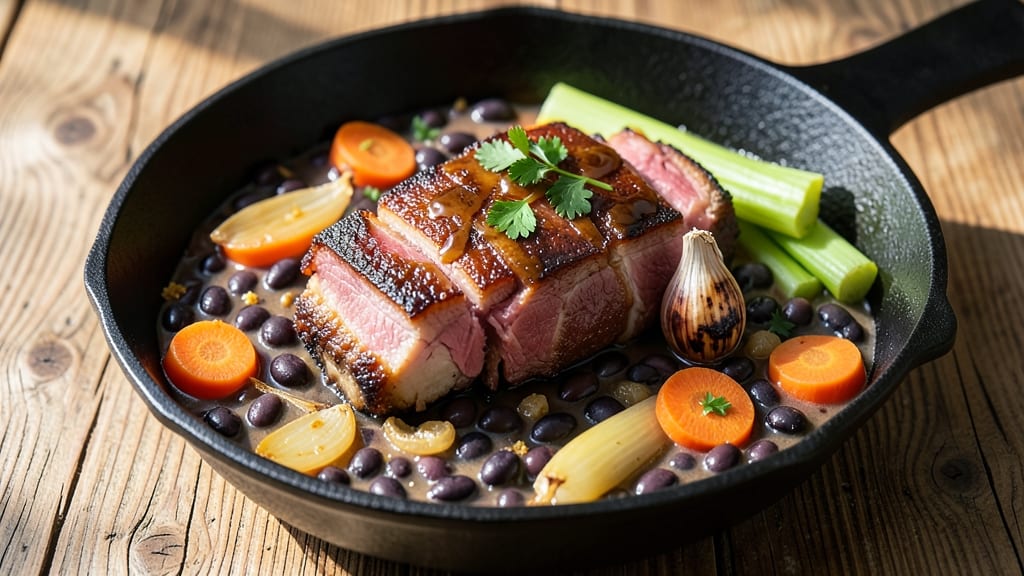
Slow-simmered ham hock and navy beans bring soulful comfort to any table with their deep, smoky richness that develops over hours of gentle cooking. The secret lies in low-and-slow braising, where the ham hock melts into the broth, infusing every bean with savory depth while keeping them tender.
This recipe transforms simple ingredients into a hearty dish that tastes like a hug from your grandmother's kitchen.
What makes this recipe special is its foolproof technique for achieving perfectly tender meat and flavorful broth without requiring advanced skills. You'll start with a ham hock that's rich in collagen, which breaks down into gelatin during simmering, creating a naturally thickened sauce.
The navy beans absorb all that smoky goodness while maintaining their satisfying texture—no mushy results here.
By the time you're ready to serve, you'll have a pot filled with navy beans that are rich and flavorful, their edges just slightly crisp from the long simmer. The ham hock will be so tender it practically falls apart at the touch, releasing its juices into the broth.
This is the kind of dish that improves with leftovers, making it perfect for meal prep or feeding a crowd.
The beauty of this recipe is its versatility—serve it as a main course with crusty bread or as a side dish alongside roasted meats. The broth alone is worth the wait, perfect for dipping or using as a base for other recipes.
Let's get started on creating this comforting classic that's sure to become a family favorite.
Ingredients for ham hock and navy beans
Simple ingredients that transform into a deeply flavorful, comforting dish through slow simmering.
| Ingredient | Amount | Notes |
|---|---|---|
| Ham Hock 🍖 | 1 lb | Smoked, bone-in preferred |
| Navy Beans 🌾 | 2 cups | Dried, soaked overnight |
| Yellow Onion 🧅 | 1 whole | Medium size, chopped |
| Carrots 🥕 | 2 medium | Peeled, chopped into chunks |
| Celery Stalks 🥬 | 3 whole | Chopped into 1-inch pieces |
| Garlic Cloves 🧄 | 4 cloves | Peeled, smashed |
| Bay Leaves 🍃 | 2 whole | Dried, standard size |
| Black Peppercorns 🌶️ | 1 tsp | Whole, crushed |
| Salt 🧂 | 2 tsp | Kosher or sea salt |
| Apple Cider Vinegar 🍎 | 2 tbsp | For brightness |
| Water 💧 | 8 cups | For soaking beans |
| Extra-Virgin Olive Oil 🫒 | 2 tbsp | For sautéing vegetables |
| Fresh Thyme 🌿 | 1 tbsp | Leaves only, chopped |
The ham hock is the heart of this recipe—look for smoked hocks at your local butcher shop or well-stocked grocery store like Whole Foods or Kroger. A 1-pound hock is ideal, but don't worry if it's slightly larger; adjust cooking time accordingly. The navy beans should be dried, not canned, for the best texture. Soak them overnight in 8 cups of water with a pinch of salt to soften them thoroughly. For the vegetables, freshly chopped carrots and celery add natural sweetness and depth, while the yellow onion provides a solid base flavor. If you can't find fresh thyme, dried thyme at half the amount works in a pinch.
No smoked ham hock? Regular ham hock with a splash of liquid smoke (about 1/2 teaspoon) mimics the flavor. The apple cider vinegar brightens the dish—substitute with white vinegar if needed. For the vegetables, frozen chopped vegetables (like the kind in TV dinners) can replace fresh carrots and celery, though fresh is preferred. If you're short on time, pre-chopped mirepoix mixes from Trader Joe's or Costco save prep work. The bay leaves can be omitted if unavailable, but they add a subtle aromatic depth that's worth including. For extra richness, add a splashed of Worcestershire sauce or a pinch of smoked paprika during the final simmer.
This dish tastes even better the next day, so plan ahead. Store leftovers in an airtight container in the fridge for up to 5 days or freeze for 3 months. The broth thickens as it cools, so add a splash of water when reheating. For meal prep, portion into containers with a small piece of ham hock in each—it keeps the beans moist and flavorful. If you have extra broth, freeze it in ice cube trays for future soups or braises. The beans and meat can be reheated separately if preferred, but together they make the most satisfying meal.
Why You'll Love This Recipe
- One-Pot Magic: I swear by this recipe—just toss everything in one pot, walk away, and let the ham hock melt into the beans. No chopping boards, no extra pans, and zero cleanup stress. That smoky, savory broth builds itself while you sip your coffee.
- Smoky Depth Bomb: The ham hock doesn’t just flavor the beans—it transforms them. Between the slow-simmered saltiness and the caramelized onions, every bite tastes like a hug from your grandma’s kitchen. (Yes, even on a Tuesday night.)
- Meal Prep MVP: This dish actually improves overnight. The flavors meld into something richer, and it reheats like a dream. Pack it for lunches, freeze portions for lazy days, or serve it cold in sandwiches—it’s that adaptable.
- Budget-Friendly Powerhouse: A single ham hock stretches this recipe for days, and navy beans are cheaper than rice. You’re feeding a crowd for less than takeout, and honestly? The leftovers might be the best part. My kids fight over them.
Step-by-step instructions for slow-cooked ham hock and navy beans
This method delivers deep, smoky flavor with tender beans and rich broth—every component built intentionally.
Prepare the Ham Hock and Soak the Beans
Begin by rinsing the 1 lb ham hock under cold water to remove any surface residue. Pat it dry with paper towels, then place it in a large stockpot. This step is crucial—drying prevents the ham from steaming instead of rendering flavor into the beans.
For the 2 cups navy beans, rinse them thoroughly under cold water to remove any debris. Transfer them to a large bowl and cover with 8 cups water. Let them soak overnight (at least 12 hours) in the refrigerator. This ensures even cooking and prevents the beans from remaining hard. The water should cover the beans by at least 2 inches—add more water if needed. Soaking also reduces cooking time significantly and improves digestibility.
Sauté the Vegetables and Aromatics
In the same stockpot, heat 2 tablespoons extra-virgin olive oil over medium heat until shimmering. Add the chopped 1 whole yellow onion, 2 medium carrots, and 3 whole celery stalks, stirring occasionally for 5-6 minutes until the vegetables soften slightly and begin to release their natural sweetness. The onions should turn translucent, and the carrots should yield to gentle pressure.
Add the 4 cloves smashed garlic and 1 tablespoon chopped fresh thyme, cooking for another 1 minute until fragrant. This step develops the base flavor—don't skip it. If the vegetables stick, add a splash of water and scrape the bottom with a wooden spoon to release any browned bits. These bits, called fond, pack intense flavor into the broth.
Combine and Simmer the Ingredients
Drain the soaked navy beans and add them to the pot along with the ham hock. Pour in enough water to cover everything by 1 inch (about 6-8 cups total, depending on how much the beans absorbed). Stir in the 2 whole bay leaves, 1 teaspoon crushed black peppercorns, and 2 teaspoons salt. Bring the mixture to a gentle boil over high heat, then immediately reduce to a low simmer. This simmering temperature (180-200°F) is critical—it prevents the beans from breaking down and ensures the ham renders slowly.
Skimming any foam that rises to the surface during the first 15 minutes of simmering is important—it removes impurities and keeps the broth clear. Cover the pot and let it cook for 2-2.5 hours, stirring occasionally. The navy beans should be tender but still hold their shape, and the ham hock should be falling off the bone. If the liquid reduces too much, add ½ cup water at a time to maintain the proper level.
Finish with Vinegar and Rest
Once the beans are tender, remove the ham hock and let it cool slightly before shredding the meat off the bone with two forks. Return the shredded meat to the pot. Stir in 2 tablespoons apple cider vinegar and simmer uncovered for an additional 10 minutes. This step brightens the dish and balances the richness of the ham and beans. Taste and adjust seasoning with more salt or pepper if needed—this is where the flavors come together.
Let the entire mixture rest for 15 minutes off the heat. This allows the flavors to meld and the beans to absorb the broth. Serve the navy beans warm, ladled over crusty bread or alongside roasted vegetables. The broth can be used as a base for soups or sauces, or reduced further for a thick gravy. Each bite should deliver a perfect balance of smoky, salty ham and tender, earthy beans.
Pro Tips For Making Ham Hock And Navy Beans
- Brown the Ham First: Don’t just toss that ham hock into the pot raw—sear it over medium-high heat for 5-7 minutes per side until the fat renders and the skin crisps. This step unlocks deeper flavor and keeps the beans from turning into a sad, watery mush later.
- Soak Beans Overnight: Navy beans are stubborn little things. Skip the quick-soak and let them sit in cold water for at least 8 hours (yes, overnight). I learned this the hard way—rushed soaks leave beans tough and gummy, no matter how long you simmer.
- Don’t Crowd the Pot: The ham hock and veggies need room to breathe. Start with a Dutch oven or heavy pot, and resist the urge to add all the beans at once. Overcrowding steams instead of sautés, and your onions will turn to mush before they caramelize.
- Skim the Scum Early: The first 10 minutes of cooking will bring up a layer of foam—grab a spoon and skim it off. I know, it’s gross, but leaving it in makes the broth cloudy and dull. Do it while the veggies are still raw, and the pot stays cleaner.
Make-ahead tips for this dish
Overnight Prep Advantage
Start your ham hock and navy beans 24 hours ahead by soaking the beans overnight in 8 cups water with a pinch of salt. This isn’t just about convenience—it’s about texture. Overnight soaking ensures even cooking and prevents those stubborn, undercooked centers.
I always use a large glass bowl (like a Pyrex 8-cup) because it’s easy to drain and store in the fridge. Pro tip: Add a bay leaf to the soaking water for subtle aroma infusion. 💫
Slow Cooker Shortcut
For hands-off cooking, transfer everything to a 6-quart slow cooker after sautéing the vegetables. Add the soaked beans, ham hock, and 6 cups water, then cook on low for 8 hours or high for 5 hours. The slow cooker’s gentle heat mimics the stovetop’s simmer perfectly.
I love this method because it frees up my stove for other dishes. Just remember to stir occasionally and add water if needed—slow cookers evaporate more than stovetop pots.
Broth Preservation
The broth from this dish is liquid gold—save it! After removing the ham hock and beans, strain the broth through a fine-mesh sieve into a clean glass jar. Let it cool completely, then refrigerate for up to 5 days or freeze in ice cube trays for future use.
Each cube makes a perfect base for soups or braises. For extra richness, freeze the broth with a small piece of ham hock in each container—it adds depth when reheated. ❄️
Meal Prep Containers
Divide the finished dish into airtight glass containers (like Le Creuset stoneware) for easy reheating. Store the beans and ham separately if you prefer to reheat them together—this keeps the ham extra tender.
Label containers with the date and reheat portions in the microwave for 3-4 minutes on medium power, stirring halfway. For stovetop reheating, simmer gently for 10-12 minutes with a splash of water to restore moisture. The flavors only get better after resting!
Freezer-Friendly Leftovers
Freeze ham hock and navy beans in single-serving portions for quick meals. Use quart-sized freezer bags (like Ziploc Freezer Gallon) and squeeze out excess air to prevent freezer burn. Thaw overnight in the fridge before reheating.
For extra convenience, freeze the dish unassembled—store the beans and ham separately in the same bag. When ready to eat, reheat the ham in a skillet until warmed through, then mix with the thawed beans. This keeps everything perfectly textured. 🍖
Broth Boost for Later
If you have extra broth after serving, reduce it on the stovetop for a thick gravy. Simmer uncovered for 20-30 minutes until it reaches your desired consistency. Strain again and store in a small jar for up to 3 months in the freezer.
This gravy is perfect for drizzling over mashed potatoes or using as a base for ham and bean soup. A splash of apple cider vinegar (like in the recipe) before freezing adds brightness when reheated. 💡
Nutrition facts
Frequently asked questions
Can I substitute canned navy beans for dried?
While you can use 2 (15-ounce) cans of navy beans to save time, dried beans yield a richer, creamier texture that's worth the effort. Canned beans work in a pinch, but they contain more sodium and lack the earthy depth developed during overnight soaking. If using canned, drain and rinse thoroughly, then add them during the final 30 minutes of simmering to prevent mushiness.
Why does my ham hock turn out tough instead of tender?
Tough ham hock usually means it wasn't cooked long enough or the heat was too high. The key is low-and-slow simmering (180-200°F) for 2-2.5 hours—never boiling. If your hock is bone-in, the cooking time may need to extend to 3 hours. For extra tenderness, add 1/2 cup apple cider vinegar during the last 30 minutes of cooking to help break down collagen.
How can I make this dish vegetarian?
Replace the ham hock with 1 lb smoked tofu or tempeh, cut into large cubes, for a meaty texture. Add 1 tbsp liquid smoke and 1 tsp smoked paprika to mimic the ham flavor. For extra richness, stir in 2 tbsp nutritional yeast during the final simmer. The beans will still absorb all the smoky goodness while keeping the dish hearty and satisfying.
What's the best way to reheat leftovers?
Reheat in a saucepan over low heat with 1/4 cup water or broth to prevent drying out. Stir frequently for 10-12 minutes until warmed through. For microwave reheating, cover with a damp paper towel and heat for 3-4 minutes on medium power, stirring halfway. The broth will thicken as it cools, so add extra liquid if needed. Leftovers taste even better the next day!
Can I use this broth for other recipes?
Strain the broth after removing the ham hock and beans, then use it as a base for soups, stews, or even gravy. For extra depth, freeze it in ice cube trays with a small piece of ham hock in each cube. Each cube makes a perfect flavor booster for future dishes. The broth keeps well in the fridge for 5 days or frozen for 3 months.