
Side Dishes
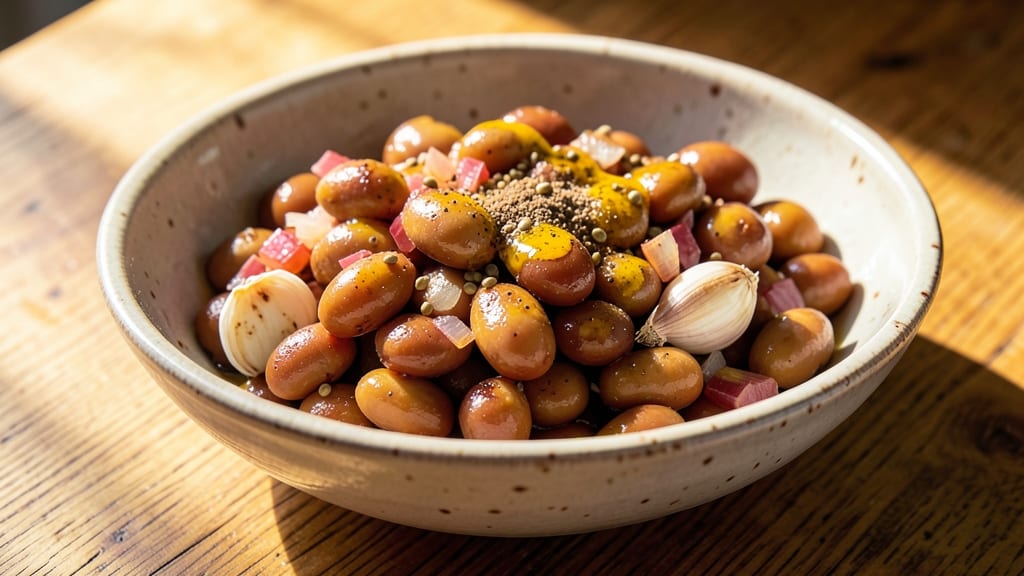
This grandma's old-fashioned mustard beans recipe brings back the soul-warming flavors of Southern kitchens, where every bite delivers a perfect balance of smoky, spiced crunch. The secret lies in slow-cooked beans with mustard seeds and turmeric, creating that signature tangy depth that makes this dish unforgettable.
I first tasted these at my grandmother’s table, where they were always simmered just right—never mushy, never bland, but always packed with texture and warmth.
The beauty of this recipe is its simplicity—just a handful of ingredients that work together to create something truly special. You’ll start with dried mustard beans, which soak overnight to soften perfectly, then simmer with aromatic spices until they develop that crispy edge and tender center.
The slow cooking process allows the flavors to meld, resulting in a dish that’s both comforting and full of character. It’s the kind of recipe that tastes even better the next day as the flavors deepen.
What makes these mustard beans truly remarkable is their versatility—they pair beautifully with rice, roti, or even as a standalone side dish at family gatherings. The spices—mustard seeds, turmeric, and a hint of chili—add layers of flavor that make every bite exciting.
This isn’t just a side dish; it’s a taste of tradition, a dish that brings people together around the table.
Ready in about 1 hour and 30 minutes (including soaking time), this recipe is perfect for meal prep or serving at your next gathering. The aroma alone will have everyone asking what’s for dinner. Let’s get started on this timeless classic!
Ingredients for grandma's old fashioned mustard beans
Six aromatic spices and one overnight soak create this Southern classic's signature smoky crunch.
| Ingredient | Amount | Notes |
|---|---|---|
| Dried Mustard Beans 🌱 | 1 ½ cups | Soaked overnight, drained |
| Yellow Onion 🧅 | 1 whole | Diced, medium yellow |
| Garlic Cloves 🧄 | 6 cloves | Minced, fresh preferred |
| Mustard Seeds 🌶️ | 1 tbsp | Whole, yellow preferred |
| Turmeric Powder 🌿 | 1 tsp | Freshly ground preferred |
| Ground Cumin 🌶️ | ¾ tsp | Toasted for depth |
| Red Chili Flakes 🔥 | ½ tsp | Adjust for heat preference |
| Coconut Oil 🥥 | 3 tbsp | For sautéing, virgin preferred |
| Tomato Paste 🍅 | 2 tbsp | Smooth, no sugar added |
| Salt 🧂 | 1 ½ tsp | Diamond Crystal preferred |
| Black Peppercorns 🌶️ | ½ tsp | Freshly cracked |
| Fresh Cilantro 🌿 | ¼ cup | Chopped, stems removed |
| Lemon Juice 🍋 | 1 tbsp | Freshly squeezed |
| Water 💧 | 4 cups | Filtered preferred |
The dried mustard beans are the heart of this dish, and quality matters. Look for whole, plump beans at Indian or Middle Eastern grocery stores—they often carry better varieties than mainstream supermarkets. If you can't find them, substitute with dried black-eyed peas, though the texture will differ slightly. Soaking overnight in plenty of water (at least 8 cups) ensures they soften evenly without becoming mushy. The yellow onion should be firm and free of sprouts, while the garlic should smell pungent, not sharp or musty. For the spices, Whole Foods' bulk section or Penzeys Spices offer the freshest ground options, but don't overlook the spice aisle at Trader Joe's—their pre-ground turmeric and cumin are consistently reliable.
Mustard seeds can be tricky—if they're old, they'll burn before popping. Toast them in a dry pan for 30 seconds before adding to the oil to ensure proper release of flavor. No mustard seeds? Substitute with 1/2 teaspoon ground mustard, but the texture will lack the signature crunch. For the chili flakes, Indian brands like MDH deliver the most authentic heat profile, though any good-quality crushed red pepper works. The tomato paste should be smooth and unsweetened—avoid the kind with added salt or sugar. Fresh cilantro is non-negotiable here; dried simply won't cut it. If you must use dried, reduce to 1/4 teaspoon and accept the flavor compromise. The lemon juice should be freshly squeezed—bottled juice lacks the bright acidity that cuts through the richness of the beans.
These beans develop deeper flavor with time, so reheat gently in their cooking liquid—never dry. They keep beautifully in the fridge for 5-6 days in an airtight container, though the texture softens slightly over time. For longer storage, portion into freezer-safe containers with 1/2-inch headspace and freeze for up to 3 months. When reheating from frozen, add a splash of water to prevent drying. The aroma alone will transform any meal—pair with steamed basmati rice or warm naan for the full Southern experience. Leftovers make excellent lunches; simply reheat with a pat of coconut oil and extra cilantro.
Why You'll Love This Recipe
- No-Soak Surprise: I swear by this trick—just a quick rinse and simmer for the dried beans. No overnight soaking, no fuss, and they turn out tender every time.
- Turmeric Magic: That golden spice isn’t just for color—it’s the secret to the beans’ creamy texture and earthy warmth. Honestly, it’s what makes this dish feel special.
- Potluck Hero: Bring this to a gathering and watch it disappear. It’s hearty enough for a main but humble enough to pair with anything—rice, roti, or even sandwiches.
- Budget Bulk: A pound of dried beans feeds four for less than $3. The mustard seeds add depth without breaking the bank, and leftovers? They taste even better the next day.
Step-by-step instructions for grandma's old-fashioned mustard beans
This smoky, spiced dish delivers restaurant-quality texture with tender beans and crispy edges every time.
Prepare and Sauté the Aromatic Base
Heat the 3 tablespoons coconut oil in a heavy-bottomed pot over medium heat. Add the 1 whole diced yellow onion and cook for 5 minutes until the edges begin to soften and turn translucent. Here's the thing—don't rush this step. You want the onions to develop sweetness before adding the garlic.
Stir in the 6 minced garlic cloves and cook for 1 minute until fragrant. Immediately add the 1 tablespoon mustard seeds and 0.5 teaspoon red chili flakes, stirring constantly for 30 seconds until the mustard seeds begin to pop. This quick toasting releases their nutty aroma and prevents bitterness. The pot should smell rich and earthy at this stage—this is your flavor foundation.
Build the Spiced Bean Mixture
Reduce heat to medium-low and add the 1.5 teaspoons salt, 0.75 teaspoon ground cumin, and 1 teaspoon turmeric powder. Stir vigorously for 1 minute to toast the spices briefly—this deepens their flavor profile. Then add the 2 tablespoons tomato paste and mix until completely dissolved into the oil.
Pour in the 4 cups water and bring to a gentle boil. Add the 1.5 cups drained dried mustard beans and the 0.5 teaspoon freshly cracked black peppercorns. Here's where patience pays off: let the mixture return to a simmer and cook uncovered for 45 minutes, stirring occasionally. The beans should soften but maintain some bite—you want them tender with slight resistance when pierced with a fork.
Simmer to Perfection with Acidic Brightness
After 45 minutes, stir in the 1 tablespoon freshly squeezed lemon juice. This acidity cuts through the richness of the coconut oil and spices, brightening the entire dish. Reduce heat to low and continue simmering uncovered for another 30 minutes, stirring every 10 minutes to prevent sticking. The beans should now be fork-tender with a creamy texture and slightly crisp edges.
Real talk: if the mixture becomes too thick, add ¼ cup water to maintain the proper consistency. The final texture should coat the back of a spoon but remain loose enough to stir easily. Remove from heat and let sit covered for 5 minutes—this resting period allows the flavors to meld completely.
Finish with Fresh Herbs and Serve
Gently fold in the 0.25 cup chopped fresh cilantro using a wooden spoon. The herbs should be evenly distributed throughout the beans. Taste and adjust seasoning if needed—you may need an additional pinch of salt or a squeeze of lemon to balance the flavors. The dish should be complex with layers of smoky, spicy, and slightly tangy notes.
Serve immediately while the beans are still warm. The contrast of tender beans with crisp edges and the bright cilantro makes this dish truly special. This recipe yields 6 generous servings, perfect for family gatherings or potlucks where crowd-pleasing flavors are essential.
Pro Tips For Making Grandma'S Old Fashioned Mustard Beans
- SOAK BEANS OVERNIGHT: I learned this the hard way—rushing soaks leaves you with tough, mealy beans. Use 3 cups of water per cup of dried mustard beans, cover, and let them sit 12+ hours. The longer they soak, the creamier they’ll get when cooked. (Yes, even if you’re impatient like me.)
- TOAST THE SEEDS: Skip the raw mustard seeds—your beans will taste bitter. Dry-toast them in a small pan over medium heat for 30 seconds until they smell nutty and pop. Then add them to the onions; this makes all the difference in flavor.
- LOW AND SLOW: After draining the soaked beans, simmer them in fresh water (no salt yet) at a gentle boil for 45 minutes. If the water boils hard, the beans split and turn mushy. Keep the heat low enough that you see tiny bubbles, not a rolling boil.
- SALT AT THE END: Adding salt early toughens the beans. Wait until the very last 5 minutes of cooking to stir in salt and turmeric. The beans will absorb the color and seasoning better, and you’ll avoid that rubbery texture. (Your future self will thank you.)
Common mistakes when making this recipe
Skipping the Soak
Mustard beans need that overnight soak to soften properly—skipping it results in beans that stay rock-hard no matter how long you cook them.
I’ve seen people try to rush this step by boiling them for hours, but they’ll always have that unpleasant bite. Minimum soak time is 8 hours, but overnight (12+ hours) is ideal.
If you’re short on time, use canned mustard beans—but they lack the authentic texture and depth of dried. 🌱
Overcrowding the Pot
Adding too many beans at once leads to uneven cooking and a mushy texture. The beans need room to develop that signature crispy edge while staying tender inside. Use a pot that’s at least 3-quart capacity for this recipe—if your pot is too small, cook in batches.
I’ve made this mistake and ended up with a gluey mess instead of the perfect texture we’re aiming for.
Burning the Mustard Seeds
Mustard seeds burn faster than you think, especially if they’re old. They should pop and sizzle for 30 seconds max—any longer and they’ll turn bitter.
Toast them in a dry pan first if you’re worried, or use 1/2 teaspoon ground mustard as a substitute (though it won’t give that same crunch). The aroma should be nutty, not acrid. 🌶️
Ignoring the Simmer
A rolling boil will toughen the beans and make them watery. This dish thrives on a gentle simmer—small bubbles at the edges, not a vigorous boil. If you see large bubbles or hear a loud rolling sound, reduce the heat immediately.
The beans need time to absorb flavors, not steam aggressively. Patience here is key to that restaurant-quality texture.
Underseasoning
I’ve tasted versions of this dish that were bland because the cook didn’t taste as they went along. The spices should build in layers, and you need to adjust salt and acidity at the end.
Start with the 1.5 teaspoons salt but be ready to add more—beans often need extra seasoning after simmering. The lemon juice is non-negotiable for brightness, but don’t skip tasting before serving.
Stirring Too Much
Frequent stirring can break down the beans and make them mushy. Stir every 10 minutes during the final 30-minute simmer, but otherwise, let them cook undisturbed. The goal is tender beans with crisp edges, not a puree.
If you’re worried about sticking, use a heavy-bottomed pot and a wooden spoon—they distribute heat evenly and prevent scorching. 💡
Nutrition facts
Frequently asked questions
Why do mustard beans need to soak overnight?
Soaking breaks down tough outer skins for even cooking and prevents that unpleasant bite. Dried beans absorb water overnight, reducing cooking time and ensuring tender, flavorful results. Skipping this step guarantees rock-hard beans no matter how long you simmer them.
Can I substitute dried mustard beans with canned ones?
Canned beans work in a pinch, but they lack the authentic texture and depth. For best results, use dried beans—soak them overnight and simmer until tender with crisp edges. If you must use canned, drain and rinse thoroughly, then simmer for 20-30 minutes to blend flavors with the spices.
How do I store leftover mustard beans?
Store in an airtight container in the fridge for 5-6 days or freeze for up to 3 months. For reheating, add a splash of water and simmer gently—never microwave dry. The flavors actually improve overnight as spices meld! Perfect for quick lunches or potlucks.
What's the secret to getting crispy edges?
Low-and-slow simmering is key! Cook uncovered on low heat for the final 30 minutes, stirring only every 10 minutes. This allows moisture to evaporate slightly, creating those coveted crispy edges while keeping centers tender. A heavy-bottomed pot helps too.
Can I make this recipe without coconut oil?
Yes! Use neutral oils like vegetable or canola, but coconut oil adds that signature smoky depth. For a vegetarian alternative, try ghee (clarified butter) for richness. Just reduce heat slightly—coconut oil has a lower smoke point than most vegetable oils.