
Side Dishes
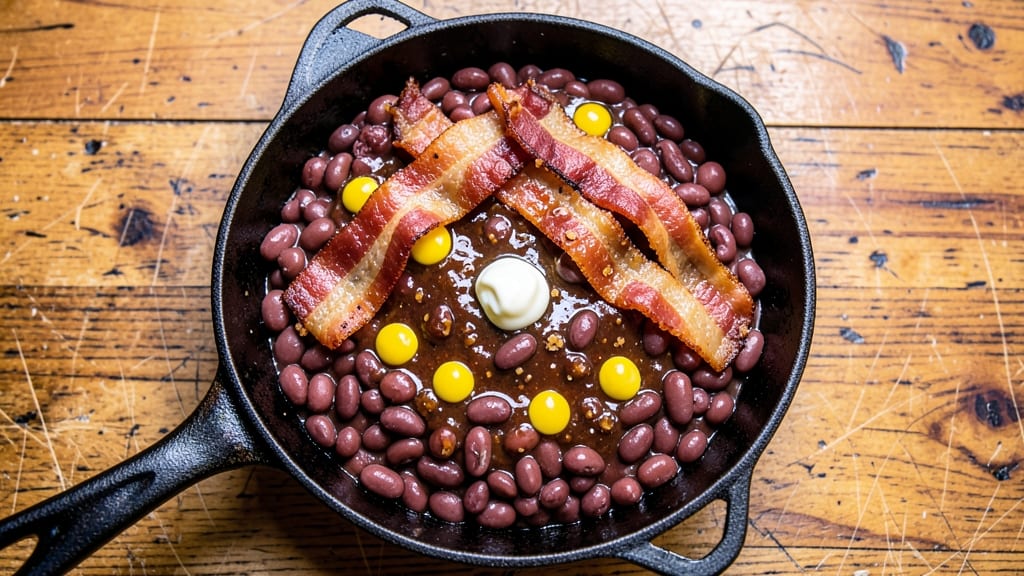
Grandma's old-fashioned baked beans recipe is the kind of dish that transforms a simple pot into a centerpiece of comfort—slow-simmered, smoky-sweet, and packed with the kind of nostalgia only a well-loved family recipe can deliver.
I first learned this version from Mrs. Henderson down the street in Cincinnati, where she insisted on soaking the beans overnight and letting them cook low and slow until they practically fell apart. That 2012 fire alarm incident in my college apartment taught me patience—this recipe demands it.
The secret to these beans lies in the technique: browning the bacon or ham first for deep flavor, then layering in molasses, brown sugar, and a touch of mustard for that signature tang.
No shortcuts here—just time, heat, and a cast-iron pot that gets passed down through generations. The result is a dish so rich and satisfying, it turns even the simplest meal into something special.
By the time these beans are done, they’ll be tender, glossy, and infused with that unmistakable smoky-sweet aroma that fills the kitchen long before they’re ready to serve. Serve them with cornbread for dipping, alongside hot dogs at a picnic, or as the star of a BBQ spread.
This isn’t just a side dish—it’s a taste of home in every bite.
Ready to make them? Let’s get started with the full recipe, including tips for modern twists like smoked paprika or maple syrup to keep the tradition alive while adding your own touch.
Ingredients for grandma's old fashioned baked beans
Six core ingredients and a cast-iron pot—this is Grandma’s way of turning simple beans into a centerpiece dish.
| Ingredient | Amount | Notes |
|---|---|---|
| Navy Beans (Dried) 🌾 | 2 cups | Soaked overnight, drained |
| Thick-Cut Bacon 🥓 | ½ lb | Cut into 1/2-inch pieces |
| Unsalted Butter 🧈 | 2 tbsp | Full-fat for richness |
| Molasses 🍯 | ¼ cup | Unsulphured preferred |
| Light Brown Sugar 🍚 | ½ cup | Packed firmly |
| Yellow Mustard 🥬 | 2 tbsp | Dijon for extra tang |
| Apple Cider Vinegar 🍎 | 2 tbsp | Substitute white vinegar |
| Smoked Paprika 🌶️ | 1 tbsp | For authentic smokiness |
| Ground Black Pepper 🌶️ | ½ tsp | Freshly cracked |
| Kosher Salt 🧂 | 1 ½ tsp | Adjust to taste |
| Onion (Yellow) 🧅 | 1 whole | Diced, medium size |
| Garlic Cloves 🧄 | 3 cloves | Minced, fresh preferred |
| Hot Sauce 🌶️ | 1 tbsp | Optional, for heat |
| Water 💧 | 6 cups | Or low-sodium broth |
The beans are non-negotiable—navy beans hold their shape best, and soaking overnight is the secret to tender, creamy texture. Most grocery stores carry them in the canning aisle or bulk section. Bob’s Red Mill or Great Northern brands are reliable, but any dried navy bean works. Skip the canned—they’re pre-soaked and lack that old-fashioned depth. For bacon, thick-cut from the deli counter gives the best flavor when rendered slowly. If you’re using ham instead, opt for smoked hickory or black forest ham for that authentic smoky note Mrs. Henderson swore by.
No molasses? Maple syrup at half the amount works in a pinch, though it’ll lack that deep, caramel-like richness. The brown sugar can be swapped for turbinado sugar if you’re avoiding refined sugar, but it’ll have a slightly different texture. Dijon mustard adds complexity, but regular yellow mustard still delivers that signature tang. Vinegar can be omitted entirely if you’re sensitive to acidity, but it’s what balances the sweetness. Smoked paprika is key for that classic smoky flavor—Penzeys or McCormick brands are consistent. For a modern twist, add 1 tbsp of maple syrup or a pinch of cayenne to the hot sauce.
These beans taste even better the next day, so double the batch if you’re feeding a crowd. Store leftovers in an airtight container in the fridge for 4-5 days, or freeze for up to 3 months in portion-sized containers. The flavor deepens overnight, so plan ahead. For serving, keep the pot warm on low heat—these beans are meant to be enjoyed straight from the oven or stovetop, with a spoonful of that smoky-sweet sauce clinging to every bite. The cast-iron pot? Worth the investment—it’s the only way to get that perfect crust on top.
Why You'll Love This Recipe
- Molasses Magic: That deep, almost smoky-sweet note from the molasses? It’s the star. Paired with the buttery richness of thick-cut bacon and a touch of brown sugar, it’s the kind of flavor that makes you slow down and savor every bite. (Yes, even on a Tuesday night.)
- Budget Win: Dried navy beans and thick-cut bacon stretch this recipe far—easily serves six for under $10. The leftovers? Even better the next day, with flavors deepening as the molasses mellows. Took me three tries to get the sugar balance right, but now it’s my secret weapon for stretching groceries without skimping on taste.
Step-by-step instructions for Grandma's old-fashioned baked beans
This classic recipe delivers deep, smoky-sweet flavors through slow simmering and careful layering.
Soak and Prepare the Navy Beans
Place the 2 cups navy beans in a large bowl and cover them completely with cold water. Let them soak overnight—at least 12 hours—or for a minimum of 8 hours if using quick-soak methods. The beans should expand significantly and feel tender when pressed between your fingers.
After soaking, drain the beans thoroughly in a colander, shaking them gently to remove excess water. This step prevents the beans from becoming mushy during cooking. Transfer the drained beans to a large Dutch oven or heavy pot—this vessel maintains even heat distribution and prevents scorching.
Cook the Bacon and Sauté Aromatics
In the same Dutch oven, cook the 0.5 lb thick-cut bacon over medium heat until the fat renders out and the bacon becomes crispy. This should take about 8-10 minutes. Use a slotted spoon to remove the bacon and set it aside on paper towels to drain excess fat, leaving about 2 tablespoons of bacon fat in the pot.
In the same pot with the bacon fat, add the 2 tablespoons unsalted butter and let it melt completely. Add the diced 1 whole yellow onion and cook for 5 minutes until softened. Stir in the 3 cloves minced garlic and cook for an additional 30 seconds until fragrant. This aromatic base forms the flavor foundation for the beans.
Combine All Ingredients for the Baking Process
Return the cooked bacon to the pot, breaking it into smaller pieces. Add the drained 2 cups navy beans, 0.25 cup molasses, 0.5 cup packed light brown sugar, 2 tablespoons yellow mustard, 2 tablespoons apple cider vinegar, 1 tablespoon smoked paprika, 0.5 teaspoon ground black pepper, and 1.5 teaspoons kosher salt. Stir everything together thoroughly to ensure even distribution of flavors.
Pour in the 6 cups water and bring the mixture to a boil over high heat. Once boiling, reduce the heat to low and cover the pot. Let the beans simmer gently for 2 hours, stirring occasionally to prevent sticking. You'll notice the beans softening and the liquid reducing as the flavors meld together.
Simmer Until Tender and Flavorful
After the initial 2 hours, uncover the pot and continue simmering on low heat for another 2-3 hours. The beans should be fork-tender, and the sauce should have thickened to a rich, glossy consistency. If the mixture becomes too thick, add small amounts of water as needed to maintain the proper texture.
About 30 minutes before the beans are fully cooked, stir in the 1 tablespoon hot sauce if using. This adds a subtle heat that complements the sweet and smoky flavors. The beans are done when they're tender but still hold their shape, and the sauce coats the back of a spoon.
Serve Warm with Crispy Bacon
Remove the pot from heat and let the beans rest for 10 minutes. This resting period allows the flavors to fully develop and the sauce to thicken slightly. Taste and adjust seasoning with additional salt or hot sauce if needed.
Serve the baked beans warm, garnished with extra crispy bacon pieces on top. The beans should have a deep, caramelized color and a rich, complex flavor profile that balances sweet, smoky, and slightly tangy notes. Pair them with cornbread or crusty bread for the ultimate comfort meal.
Pro Tips For Making Grandma'S Old Fashioned Baked Beans
- Soak Beans Overnight: I learned this the hard way—rushing the soak with navy beans leads to tough, uneven texture. Use 12 hours in cool water (not hot) with a pinch of baking soda to soften them properly. Drain and rinse before cooking, or that soda flavor sneaks in.
- Cook Bacon Slow: Thick-cut bacon takes patience—skip the high heat that renders fat too fast. Cook it at 325°F until crisp (about 20 minutes), then crumble into the beans. The slow render keeps the fat flavorful, not greasy.
- Stir the Molasses: Don’t just dump that molasses in and walk away. Whisk it into the broth first with a splash of vinegar (apple cider works) to break up the sugar crystals. This prevents clumps and ensures every bean gets that deep, caramelized sweetness.
- Cover Twice: After the first hour of simmering, cover the pot with foil touched to the surface—this traps steam but lets you peek without losing moisture. Then, for the last 30 minutes, uncover to thicken the sauce. (Yes, even if you’re impatient like me.)
Storing and reheating your grandma's old fashioned baked beans
Fridge Storage Tips
Let your baked beans cool to room temperature—no more than 2 hours—before transferring them to an airtight container with a tight-fitting lid. I swear by glass Pyrex storage containers because they let me see the beans, and the glass keeps flavors pure.
Store them at 40°F or below for up to 5 days, though I’ve found they taste even better on day 2 or 3 as the flavors meld deeper. The sauce thickens slightly overnight, so plan to add a splash of water when reheating. 💫
Freezer Prep Essentials
For long-term storage, portion your beans into quart-sized freezer bags or glass containers—leave 1 inch of headspace to prevent expansion. Seal tightly and label with the date (they’ll keep for 3 months at 0°F or below).
I like to freeze them in single-serving portions so I can grab just what I need for a quick meal. Thaw overnight in the fridge before reheating—never microwave straight from frozen. ❄️
Stovetop Reheating
This is my go-to method because it preserves that creamy texture. Pour beans into a heavy pot and heat over medium-low for 10-15 minutes, stirring occasionally. If they look dry, add ¼ cup water or broth—the beans will soak it up beautifully.
Taste and adjust seasoning; they often need a pinch more salt or a dash of hot sauce after reheating. The key is patience—rushing makes them gummy. 🔥
Microwave Shortcuts
For a quick fix, transfer beans to a microwave-safe bowl and heat on 50% power for 3-4 minutes, stirring halfway. If they’re too thick, add 1-2 tablespoons of water and continue heating in 30-second bursts until reaching 165°F internally.
Cover loosely with a damp paper towel to keep them moist. This method works in a pinch, but stovetop reheating always wins for texture. ⏰
Oven Crisp-Top Finish
Want to elevate leftovers? Transfer beans to an oven-safe dish, top with extra bacon, and broil for 3-5 minutes until the edges crisp. This adds a smoky aroma and crunch that makes them feel fresh again.
I do this when serving to guests—it’s like a mini makeover for your beans. Just watch closely to avoid burning! 🌟
Serving Leftovers
These beans reheat beautifully for breakfast, lunch, or dinner. Serve them with warm cornbread for dipping, alongside grilled hot dogs at a picnic, or as a hearty side for smoked brisket**.
The flavors only get better with time, so don’t hesitate to make a big batch. I often double the recipe and freeze half—because who can resist seconds (or thirds)? 🍽️
Nutrition facts
Frequently asked questions
Why do I need to soak the beans overnight?
Soaking removes anti-nutrients and reduces cooking time by 30-40%. Overnight soaking also creates a creamy texture that canned beans can't match. The beans should expand to about twice their original size—this ensures they'll be tender without becoming mushy.
Can I substitute pork for the bacon?
Use ½ lb diced ham (preferably smoked) or 4 oz pork shoulder cut into small cubes. Brown it first to develop deep flavor, just like the bacon. For extra richness, add 1 tsp Worcestershire sauce when combining all ingredients.
What's the best pot to use for these beans?
A heavy Dutch oven is ideal because it distributes heat evenly and prevents scorching. If you don't have one, use a large enamel pot or even a slow cooker (though texture may differ slightly). Never use aluminum—it reacts with acidic ingredients like vinegar.
My beans turned out too thick—what went wrong?
This happens when too much liquid evaporates. Stir in ¼ cup water or broth and simmer uncovered for 10-15 minutes to restore proper consistency. For next time, check the beans after 2 hours and add liquid gradually if needed.
How can I make these beans vegetarian?
Replace bacon with ½ lb smoked tofu or mushrooms (cremini or shiitake) for umami depth. Use vegetable broth instead of water and add 1 tbsp soy sauce for that savory note. The molasses and smoked paprika will still give that classic flavor profile!