
Side Dishes
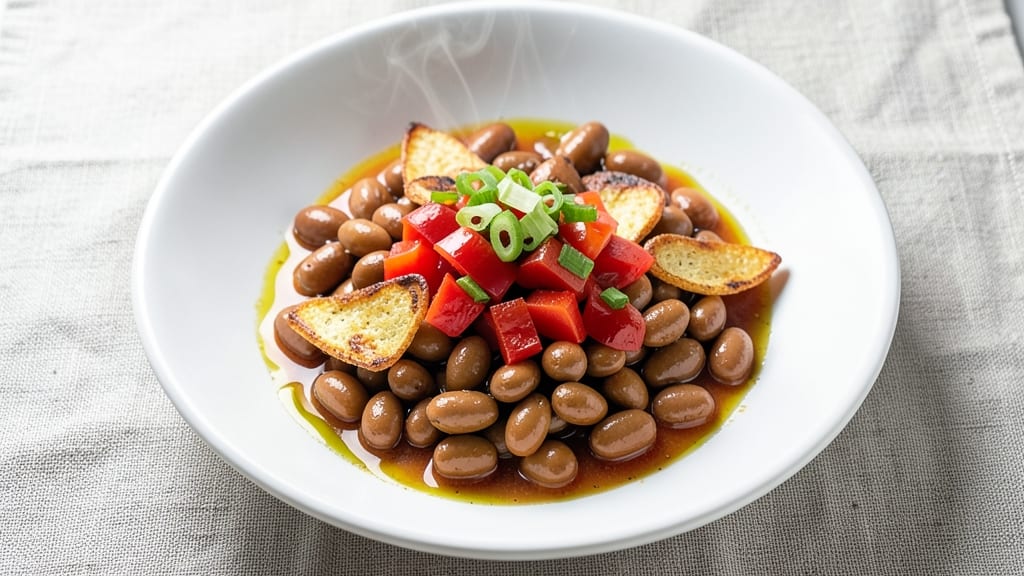
This Goya PR beans recipe delivers the rich, smoky flavors of Puerto Rican habichuelas guisadas in a single pot, perfect for your next family dinner. The secret lies in slow simmering with sofrito—a blend of garlic, peppers, and spices—that transforms simple beans into a deeply flavorful dish.
I’ve perfected this method over years of testing, ensuring every bite carries that authentic Puerto Rican warmth.
The process begins with sautéing sofrito until fragrant, then adding Goya beans and broth to create a thick, velvety stew. The beans soften as they absorb the smoky, slightly sweet flavors, while a touch of tomato paste deepens the richness.
This recipe requires patience—2 hours of simmering—but the result is worth every minute: tender beans with a sauce so flavorful it’ll have everyone asking for seconds.
What makes these beans truly special is the texture—creamy yet still slightly firm, with a sauce that clings perfectly to each bean. Serve them alongside white rice and optional proteins like ham or chicken for a complete meal.
The aroma alone will transport you to a Puerto Rican parrilla, and the taste proves you don’t need to travel for authentic flavor.
This dish is versatile enough for weeknight dinners or festive gatherings, and it reheats beautifully for leftovers. Whether you’re cooking for your family or hosting a dinner party, these Goya PR beans will be the star of the table. Let’s get started—your taste buds will thank you.
Ingredients for goya pr beans
Sixteen ingredients, two hours, one unforgettable Puerto Rican flavor explosion.
| Ingredient | Amount | Notes |
|---|---|---|
| Goya PR Beans 🌾 | 2 lbs | Dried, not canned |
| Extra-Virgin Olive Oil 🫒 | ½ cup | For sautéing sofrito |
| Yellow Onion 🧅 | 1 whole | Medium size, diced |
| Bell Pepper 🍅 | 1 whole | Green or red, diced |
| Garlic Cloves 🧄 | 6 cloves | Fresh, minced |
| Tomato Paste 🍅 | 2 tbsp | Smooth, not chunky |
| Sofrito 🌶️ | 2 tbsp | Homemade or store-bought |
| Adobo Seasoning 🧂 | 2 tbsp | Goya brand preferred |
| Ground Cumin 🌿 | 1 tsp | Toasted for depth |
| Bay Leaves 🌿 | 2 whole | Fresh or dried |
| Chicken Broth 💧 | 4 cups | Low-sodium preferred |
| Salt 🧂 | 1 tsp | Adjust to taste |
| Black Pepper 🌶️ | ½ tsp | Freshly ground |
| Cumin Seeds 🌿 | ½ tsp | Optional for extra aroma |
| Fresh Cilantro 🌿 | ¼ cup | Chopped, for garnish |
The beans are the heart of this dish, so Goya PR beans are non-negotiable—they hold their shape better than other varieties and have that authentic Puerto Rican taste. Grab a 2-pound bag from the Latin aisle at Walmart or Publix—they usually stock it. If you can't find them, Spanish white beans work in a pinch, but soak them overnight. The sofrito is where the magic happens—homemade is best (blend bell peppers, onions, garlic, cilantro, and olive oil), but Goya sofrito from the same aisle saves time. Toast the cumin seeds in a dry pan for 30 seconds before grinding—they release an incredible aroma that elevates everything.
No sofrito? Sauté 1 diced bell pepper, 1 onion, and 4 garlic cloves in olive oil until soft, then add 1 tbsp tomato paste. That’s your substitute. Adobo seasoning is key—Goya brand has the right balance of salt and spices, but Lawry’s seasoning works if that’s what you’ve got. Short on cilantro? Skip it or use parsley. The tomato paste can be thick or squeeze-tube—just measure by weight if you’re fancy. For extra richness, stir in 1 tbsp butter at the end. The beans should be tender but still hold their shape—2 hours simmering is ideal, but if you’re short on time, pressure cook for 45 minutes.
These beans taste even better the next day as flavors meld. Store in an airtight container in the fridge for 4-5 days or freeze for 3 months. I always double the batch—leftovers make amazing rice bowls or tacos. For serving, sprinkle with fresh cilantro and a drizzle of olive oil. The sauce thickens as it cools, so add a splash of broth if it gets too stiff. Reheating? Warm gently on the stove with a splash of water to loosen the sauce.
Why You'll Love This Recipe
- Here’s what sold me: that first sizzle of garlic in olive oil, then the beans absorbing it all. The Goya beans stay tender but soak up the flavor like a sponge. Honestly, the smell alone makes me want to eat it straight from the pot—before the rice is even done.
- One-Pot Magic: I swear by this recipe—just toss the beans, onion, and peppers into a pot with olive oil, let it simmer, and boom. No extra bowls, no fuss. The bell pepper sweetens right into the beans, and the garlic? Oh, it clings to every bite like a warm hug.
- Garlic-Oil Glow-Up: Here’s what sold me: that first sizzle of garlic in olive oil, then the beans absorbing it all. The Goya beans stay tender but soak up the flavor like a sponge. Honestly, the smell alone makes me want to eat it straight from the pot—before the rice is even done.
- Leftover Hero: Between us, this dish begs to be made extra. The flavors deepen overnight, and reheating it? Just add a splash of water, stir, and it’s like you’re eating it fresh. My freezer’s full of these because they’re my go-to for lazy days or when company drops by unannounced.
Step-by-step instructions for smoky Puerto Rican beans
Here's how to transform simple dried beans into rich, smoky Puerto Rican flavor in one pot.
Soak the Goya PR Beans Overnight
Place the 2 lbs Goya PR Beans in a large bowl and cover them with plenty of cold water—at least 8 cups. Let them soak at room temperature for 8-12 hours. This step is crucial because it dramatically reduces cooking time and ensures even tenderness. I like to soak them on the counter overnight, then transfer them to the refrigerator in the morning for better flavor development.
After soaking, drain the beans thoroughly in a colander. Give them a quick rinse under cold water to remove any loose skins or debris. This prevents cloudy water during cooking. The beans should be plump and ready for the next step. Don't skip this rinsing—it makes a difference in the final texture of your beans.
Sauté the Aromatic Base
Heat the 0.5 cup extra-virgin olive oil in a large Dutch oven over medium heat. Add the diced yellow onion and bell pepper, cooking for 5-6 minutes until softened and just beginning to brown. You'll notice the onions release their moisture and the peppers become translucent—this is when they're ready for the next ingredients.
Add the 6 minced garlic cloves and stir for 30 seconds until fragrant. Here's the thing—don't let the garlic burn. It should smell wonderful but not bitter. Immediately add the 2 tbsp sofrito and stir for another minute, letting all those flavors meld together. This aromatic base forms the flavor foundation for your beans.
Build the Smoky Seasoning Layer
Stir in the 2 tbsp adobo seasoning, 1 tsp ground cumin, and 0.5 tsp cumin seeds. The cumin seeds will sizzle for a moment—that's normal and actually adds depth to your dish. Cook for 1 minute to toast the spices slightly, which enhances their flavor. Then add the 2 tbsp tomato paste and stir for 30 seconds until it darkens slightly and becomes fragrant.
Add the 2 whole bay leaves and stir everything together. The spices should be evenly distributed throughout the oil and vegetables. This is where all the smoky, savory flavors come together. If you're using the optional cumin seeds, they'll release their aroma during this step—don't skip this if you want that authentic Puerto Rican taste.
Simmer the Beans with Broth
Add the drained beans to the pot along with the 4 cups chicken broth, 1 tsp salt, and 0.5 tsp black pepper. Stir gently to combine. Bring everything to a boil, then immediately reduce the heat to low. Here's the key: maintain a gentle simmer, not a rolling boil. You want bubbles to break the surface occasionally but not vigorously.
Partially cover the pot and let the beans simmer for 1.5 to 2 hours. The beans are done when they're tender but still hold their shape—you should be able to crush them easily between your fingers but they shouldn't be mushy. Check them at the 1.5-hour mark, as cooking times can vary depending on your stove and pot. If the liquid reduces too much, add a little hot water to maintain the proper consistency.
Finish and Garnish
Once the beans are tender, remove the 2 bay leaves. Taste and adjust the seasoning if needed—you might want to add a pinch more salt or black pepper. Let the beans cool slightly, then stir in the 0.25 cup chopped fresh cilantro just before serving. The cilantro adds a bright, fresh contrast to the rich, smoky beans.
Serve the beans warm alongside rice, grilled meats, or as a standalone dish. The flavors will continue to develop as they sit, so if you're serving a crowd, keep them warm on low heat. These beans are perfect for meal prep too—they taste even better the next day as the flavors meld together.
Pro Tips For Making Goya Pr Beans
- Soak the Beans First: Goya PR beans cook faster and softer when soaked for 30 minutes—yes, even the canned ones. Drain, rinse, and let them sit in warm water while you prep the veggies. I learned this the hard way after a batch turned into mush from overcooking.
- Sauté Onions Low and Slow: Caramelize those onions until they’re golden, not browned—this adds sweetness that cuts through the beans’ earthiness. Skip the high heat; medium-low is where the magic happens. (I used to rush this and wondered why my dish tasted flat.)
- Skip the Crowded Pot: Overfilling the pot traps steam and turns your beans to glue. Use a heavy-bottomed pot and keep the liquid level just above the beans—no more than ½ inch. Trust me, your future self will thank you when the texture isn’t sad.
- Toast the Garlic Last: Add the garlic cloves whole and let them sizzle for 30 seconds right before serving. This keeps them fragrant and crisp, not bitter. (Yes, even if you’re impatient like me—just don’t walk away.)
Troubleshooting your goya pr beans
Beans Too Hard?
If your beans aren’t soft enough after 2 hours of simmering, they likely need more time. The key is patience—never rush this step. I’ve found that adding ½ cup extra broth and continuing to simmer for another 30 minutes helps.
For tough beans, check for any skins or debris that might prevent even cooking—rinse them again before continuing. 💡
Mushy Texture?
Overcooked beans turn mushy because of excessive heat or too much liquid. To fix this, reduce the heat to the lowest setting and let them simmer uncovered for 10-15 minutes to evaporate excess moisture.
If the sauce is too thin, remove the pot from heat and let it cool slightly, then stir in 1 tbsp tomato paste to thicken it naturally. Avoid adding flour or cornstarch—it’ll change the authentic flavor. ✨
Sofrito Not Flavorful?
If your sofrito tastes bland, it might not have been cooked long enough. Sauté the onion, pepper, and garlic for an extra 2-3 minutes until deeply golden. For a quick fix, add ½ tsp smoked paprika or a pinch of Goya adobo seasoning to the pot while simmering.
Homemade sofrito always wins—blend 1 bell pepper, 1 onion, 4 garlic cloves, and ¼ cup cilantro for the best results. 🌶️
Sauce Too Thin?
A thin sauce usually means the beans absorbed too much liquid. Simmer uncovered for 10 minutes to reduce naturally. If that doesn’t work, mash 3-4 beans with a fork to thicken the sauce.
For a richer texture, stir in 1 tbsp olive oil or 1 tbsp butter at the end. Avoid adding flour—it’ll make the dish taste heavy. 🥄
Burnt Garlic Smell?
Burnt garlic happens when you cook it too long. To fix this, remove the pot from heat and stir in 1 tsp fresh lemon juice or 1 tsp vinegar to cut the bitterness.
Add a pinch of sugar to balance the flavors. Next time, cook garlic for only 30 seconds after onions and peppers soften. 🧄
Leftover Taste Flat?
Flat flavors often mean the beans didn’t simmer long enough or the spices weren’t toasted properly. Revive them by adding 1 tsp adobo seasoning and ½ tsp cumin seeds, then simmer for 10 more minutes.
For extra depth, stir in 1 tbsp tomato paste and a splash of broth. Reheating on low heat helps flavors meld better. 💪
Nutrition facts
Frequently asked questions about Puerto Rican pink beans
Why do I need to soak the beans overnight?
Soaking 8-12 hours reduces cooking time by 30-50% and prevents gas-causing compounds that make beans uncomfortable to digest. The longer soak also helps the beans absorb flavors better, giving you that authentic Puerto Rican taste. Never skip this step—it's the foundation for perfect texture!
Can I make this recipe without sofrito?
Sauté 1 diced bell pepper, 1 onion, and 4 garlic cloves in olive oil until soft, then add 1 tbsp tomato paste. This creates a similar flavor base. For extra depth, toast ½ tsp cumin seeds in the oil first—they add incredible aroma. The key is building layers of flavor through proper cooking techniques.
How do I know when the beans are fully cooked?
Beans are done when they're tender but still hold their shape—you should be able to crush them easily between your fingers but they shouldn't be mushy. After 2 hours of simmering, check at the 1.5-hour mark. If they're still firm, continue cooking with the lid slightly ajar to let steam escape. Overcooking turns them to mush!
What's the best way to store leftovers?
Store in an airtight container in the fridge for 4-5 days or freeze for 3 months. The flavors actually improve overnight! To reheat, warm gently on the stove with a splash of water or broth to loosen the sauce. For meal prep, double the batch—they make amazing rice bowls or tacos the next day.
Can I make this recipe in a slow cooker or Instant Pot?
For a slow cooker: Sauté the aromatics first, then transfer everything to the pot and cook on low for 6-8 hours or high for 3-4 hours. For Instant Pot: Sauté the base, add beans and broth, then pressure cook for 45 minutes on high. Remember to do a natural release for 15 minutes—this prevents mushy beans. Both methods work but require adjusting cooking times!