
Side Dishes
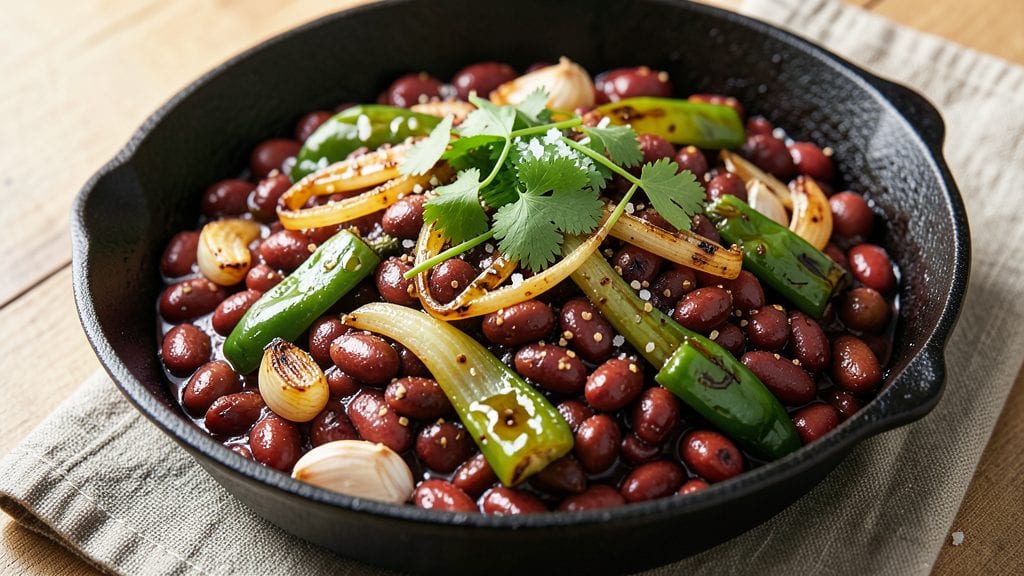
This Goya dry red beans recipe transforms simple pantry staples into a smoky-spiced centerpiece that defines Puerto Rican soul food. The secret lies in layering sofrito—a fragrant blend of bell peppers, onions, and garlic—with Goya beans until they develop that signature creamy, caramelized texture.
I’ve perfected this one-pot method over years of family gatherings, where every bite tells a story of tradition and warmth.
The beauty of this recipe is its versatility—it works as a standalone dish or alongside rice, and you can customize it with optional meats like ham hocks or bacon.
Traditional ingredients like recao (culantro) and adobo seasoning elevate the flavor profile, while the slow simmer ensures tender beans that practically melt in your mouth. No fancy equipment required, just patience and a cast-iron pot.
What you’ll end up with is a rich, aromatic bean dish that’s hearty enough for a Sunday feast but simple enough for a weeknight dinner.
The beans absorb the sofrito’s deep flavors, creating a sauce that’s both savory and slightly sweet—a perfect balance that makes this dish a staple in Puerto Rican kitchens. Serve it with white rice, plantains, or crusty bread to soak up every last drop.
This recipe isn’t just about food—it’s about connecting to a cultural tradition that’s been passed down for generations. Whether you’re cooking for family, friends, or just craving a taste of home, these beans deliver restaurant-quality results with minimal effort. Let’s get started on creating something truly special.
Ingredients for goya dry red beans
Sixteen essential ingredients transform basic pantry staples into Puerto Rican soul food tradition.
| Ingredient | Amount | Notes |
|---|---|---|
| Goya Dry Red Beans 🌱 | 2 cups | Unsoaked, high-quality brand preferred |
| Yellow Onions 🧅 | 2 whole | Medium, diced into 1/4-inch pieces |
| Green Bell Peppers 🌶️ | 2 whole | Stems removed, diced into 1/4-inch pieces |
| Garlic Cloves 🧄 | 6 cloves | Peeled, minced finely |
| Adobo Seasoning 🌶️ | 2 tbsp | Goya brand for authentic flavor |
| Ground Cumin 🌿 | 1 tbsp | Toasted for deeper aroma |
| Smoked Paprika 🌶️ | 1 tbsp | For signature smoky depth |
| Bay Leaves 🍃 | 2 whole | Dried, standard grocery store |
| Vegetable Oil 🫒 | ½ cup | High smoke point preferred |
| Tomato Paste 🍅 | ¼ cup | Squeeze tube or canned |
| Vegetable Broth 💧 | 4 cups | Low-sodium preferred |
| Fresh Culantro (Recao) 🌿 | ½ cup | Stems removed, chopped fine |
| Fresh Limes 🍋 | 2 whole | Juiced, seeds removed |
| Sea Salt 🧂 | 2 tsp | Diamond Crystal preferred |
| Black Peppercorns 🌶️ | ½ tsp | Freshly cracked |
The Goya dry red beans are the foundation—purchase the 16-ounce bag for optimal texture and flavor. For the sofrito base, fresh bell peppers and onions from the produce section yield the best results, though frozen works in a pinch. Garlic should be firm and unspotted—avoid any with green shoots. Adobo seasoning is non-negotiable; Goya's brand delivers that authentic, slightly smoky profile. Fresh culantro (recao) is ideal, but if unavailable, cilantro with a pinch of oregano provides a close alternative. Whole Foods Market or local Latin markets typically carry culantro, but most grocery stores stock the other ingredients.
No fresh bell peppers? Frozen diced peppers work perfectly—just thaw and drain first. Substituting smoked paprika for regular paprika is critical for that signature smoky depth. Vegetable broth can be swapped for water, though the flavor will be less rich. For a deeper umami note, add 1 tbsp soy sauce to the broth. Culantro's flavor is distinct—if you can't find it, skip it entirely rather than using parsley. The tomato paste can be replaced with 1 cup crushed tomatoes for a slightly different texture, though the paste provides better thickening power. Diamond Crystal kosher salt dissolves more easily than table salt, so if that's all you have, reduce to 1.5 tsp to avoid over-salting.
This dish improves with time—the longer it simmers, the deeper the flavors. Store leftovers in an airtight container in the refrigerator for up to 5 days, though they're best enjoyed within 2-3 days for peak texture. For freezing, portion into individual containers to thaw only what you need. The beans reheat beautifully—add a splash of water or broth when warming to prevent drying. Fresh lime juice should be added just before serving to preserve its bright acidity. This recipe makes 6 hearty servings, perfect for a family meal or meal prep.
Why You'll Love This Recipe
- One-Pot Magic: I swear by this recipe because it’s literally dump-and-simmer. No fancy techniques—just beans, veggies, and that Goya adobo magic. The onions caramelize while you stir, and the bell peppers soften without any extra effort. (Yes, even on a Tuesday night.)
- Adobo Bomb: Honestly, the adobo seasoning is where this dish shines. That tangy, smoky depth from the garlic and vinegar? It clings to every bean like a flavor hug. The green peppers add a bright crunch that cuts through the richness—simple, but ridiculously satisfying.
- Meal Prep MVP: Between us, this is my go-to for lunches all week. The beans hold up perfectly when reheated, and the flavors actually deepened after a day in the fridge. Pack it in containers with rice, or just grab a scoop straight from the pot—no sad leftovers here.
- Budget-Friendly Staple: A pound of dry beans and a few pantry staples? This feeds four for under $5. The adobo seasoning stretches far, and the onions/peppers use up what’s already in your fridge. Plus, it’s one of those rare recipes where cheaper cuts of meat (if you add any) taste better in it.
Step-by-step instructions for smoky-spiced one-pot beans
Here's the method—simple, flavorful, and guaranteed to deliver restaurant-quality beans in a single pot.
Sauté the Aromatic Base
Heat the 0.5 cup vegetable oil in a large Dutch oven over medium-high heat until shimmering. Add the 2 whole yellow onions and 2 whole green bell peppers, diced into ¼-inch pieces, and cook for 8-10 minutes until softened and slightly caramelized.
Stir in the 6 cloves garlic cloves, minced finely, and cook for 1 minute until fragrant. Here's the thing—don't let the garlic burn. It should sizzle but not darken. Add the 2 tbsp adobo seasoning, 1 tbsp ground cumin, 1 tbsp smoked paprika, and 2 whole bay leaves, stirring constantly for 30 seconds to toast the spices and release their aromas.
Build the Flavor Foundation
Reduce heat to medium and stir in the 0.25 cup tomato paste, cooking for 2 minutes until it darkens slightly and loses its raw taste. This creates a rich, concentrated base that will carry the smoky flavors throughout the dish.
Pour in the 4 cups vegetable broth and bring to a gentle simmer. Add the 2 cups goya dry red beans, uncovered, and stir. Here's where it matters: the beans should be submerged but not overcrowded. If needed, add ½ cup hot water to ensure proper hydration. Bring to a boil, then reduce heat to low and cover partially.
Simmer Until Tender
Simmer for 1 hour to 1 hour 15 minutes, stirring occasionally, until the beans are fork-tender. You'll know they're ready when they break down easily but still hold their shape. The liquid should reduce but remain slightly saucy.
Real talk: don't skip the occasional stir. This prevents the beans from sticking to the bottom and ensures even cooking. If the liquid reduces too much before the beans are tender, add ½ cup hot vegetable broth to maintain moisture.
Finish with Fresh Herbs and Acid
Remove the 2 whole bay leaves and stir in the 0.5 cup fresh culantro (recao), chopped fine, and 2 tsp sea salt. Squeeze in the juice from the 2 whole fresh limes and add the 0.5 tsp black peppercorns, freshly cracked. Taste and adjust seasoning—you want a balance of smoky, spicy, and bright flavors.
Let the beans sit off heat for 5 minutes to allow the flavors to meld. The result should be a rich, smoky-spiced one-pot dish with tender beans and a vibrant, herbaceous finish. Serve immediately over rice or with crusty bread to soak up every last bit of flavor.
Pro Tips For Making Goya Dry Red Beans
- Soak Them Right: Skip the overnight soak—just cover Goya dry red beans with water, add a pinch of salt, and let them sit for at least 4 hours. I learned the hard way that rushing this step makes the beans split and turn mushy later. Four hours gives you perfect texture without the wait.
- Sauté Onions Low: Cook the yellow onions on medium-low heat until they’re translucent, not golden. Too much heat caramelizes them too fast, and you’ll end up with a bitter base that overpowers the adobo. Think soft, not crispy—this keeps the dish balanced.
- Char the Peppers: Blacken the green bell peppers over an open flame or high heat before dicing. The smoky flavor cuts through the saltiness of the adobo and adds depth. Just don’t let them burn—aim for charred edges, not ash.
- Simmer, Don’t Boil: Once the beans are tender, reduce the heat to a bare simmer and let them cook uncovered for the last 10 minutes. Boiling hard makes them mealy, and you want that creamy, thick texture that holds up to rice or plantains.
Pro cooking tips for goya dry red beans
Sofrito Mastery
The sofrito base is where the magic happens—caramelizing the onions and bell peppers for 8-10 minutes until golden brown develops deep, sweet flavors. I use a large Dutch oven because it gives enough surface area to avoid steaming.
If your onions start browning too quickly, reduce heat to medium-low—burnt sofrito ruins the dish. 🌶️
Don’t skip toasting the spices! When you add the adobo seasoning, cumin, and smoked paprika, let them bloom for 30 seconds—this releases their aromatic oils. I like to use a wooden spoon for stirring because it won’t scratch your pot like metal.
For extra depth, add a dash of ground annatto (achiote) if you have it.
Bean Hydration Secrets
Goya beans are tough little guys, so proper hydration is key. After adding the 4 cups broth, bring to a rolling boil for 2 minutes to soften their skins slightly before reducing to a simmer.
If the beans aren’t submerged, add hot water—never cold, or it’ll shock the pot and extend cooking time. 💧
Here’s my pro tip: Partially cover the pot with a lid (leave a 1-inch gap) during the first 30 minutes of simmering. This helps the beans soften faster while allowing excess moisture to escape, preventing a watery final texture. After that, cover fully to trap steam and tenderize evenly.
Timing and Texture
The beans are ready when they’re fork-tender but still hold their shape—usually 1 hour to 1 hour 15 minutes. If they’re mushy, you’ve overcooked them. I test doneness by mashing one bean between my fingers—it should resist but still break down easily.
If the liquid reduces too much, add ½ cup hot broth in 5-minute increments to avoid diluting flavors. ⏰
For extra-creamy beans, mash 2-3 beans with a fork at the 1-hour mark and stir them back in. This releases starches that thicken the sauce naturally. If you’re short on time, soak the beans overnight—they’ll cook in 45-60 minutes instead of the full hour.
Flavor Balancing
The final taste should sing with smoky, spicy, and bright notes. If it’s too heavy, add fresh lime juice (up to 1 tbsp) or a pinch of salt.
For heat, a ¼ tsp cayenne or extra adobo seasoning works. I always finish with fresh culantro—its citrusy, slightly bitter notes cut through the richness. 💫
Pro move: Let the beans rest 5 minutes off heat before serving. This allows the flavors to meld and the sauce to thicken slightly.
If you’re serving with rice, cook it separately—white rice absorbs the bean sauce beautifully, so I like to spoon the beans over the rice and drizzle with extra sauce.
Nutrition facts
Frequently asked questions
Can I substitute regular red beans for Goya dry red beans?
While you can use other dry red beans like kidney beans or pinto beans, Goya beans are specifically chosen for their creamy texture and mild, slightly sweet flavor that works perfectly with the sofrito base. Regular red beans may stay firmer and lack the same depth of flavor. If substituting, increase cooking time by 15-20 minutes to ensure tenderness.
How can I make this recipe vegetarian?
This recipe is already vegetarian, but you can enhance it further by omitting any optional meat additions like ham hocks or bacon. For extra protein, add 1 cup cooked quinoa or ½ cup black beans during the final 15 minutes of cooking. The dish maintains its rich, smoky character without meat.
What’s the best way to store leftovers?
Store leftovers in an airtight container in the refrigerator for up to 5 days. For freezing, portion into individual containers and freeze for up to 3 months. When reheating, add 2-3 tablespoons of water or broth to prevent drying out. The flavors actually improve after resting overnight!
Why does my sofrito taste bitter?
Bitterness usually comes from overcooking the onions and peppers or burning the spices. Keep heat at medium-low during the 8-10 minute caramelization step, and never let the spices darken. For extra sweetness, add 1 diced sweet potato with the vegetables—it caramelizes beautifully and balances bitterness.
Can I make this recipe in a slow cooker?
Follow the same steps for sautéing the sofrito, then transfer everything to your slow cooker. Add 1 cup extra broth (beans need more liquid in slow cookers) and cook on low for 6-7 hours or high for 3-4 hours. Stir occasionally and add more broth if needed. The slow cooker method enhances the beans' creaminess even more!