
Side Dishes
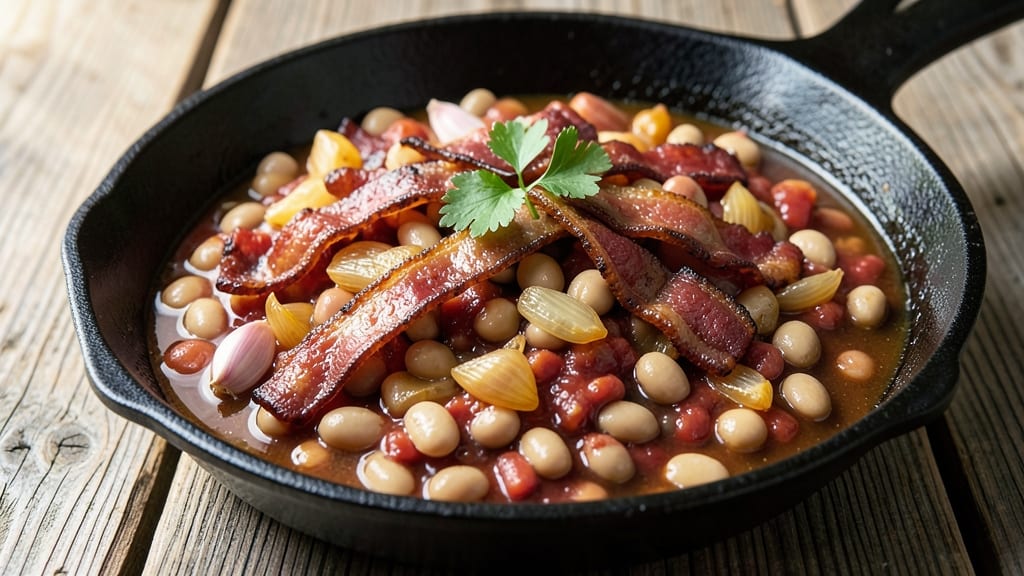
This fireman's beans recipe delivers the hearty, smoky comfort of a classic Southern side dish that's been feeding firefighters for generations. The rich combination of bacon, tomatoes, and slow-cooked beans creates a dish so satisfying it deserves its own place at the table.
I first made these during a fundraiser dinner, where they disappeared faster than the cornbread—proof of their irresistible appeal. The key lies in the slow simmering process that develops deep flavors while keeping the beans tender.
What makes these beans special is their ability to transform simple ingredients into something restaurant-quality through careful layering of flavors. The bacon adds smoky richness, the tomatoes bring bright acidity, and the slow-cooked beans develop a satisfying thickness without needing thickeners.
This recipe serves as both a main dish and a perfect side for barbecues or holiday meals, offering hearty satisfaction in every bite.
By the time you're done, you'll have a pot of smoky, savory beans with tender bacon pieces and perfectly softened beans that hold their shape.
The aroma alone will have everyone gathering around the table, and the first taste will confirm why this dish has been a staple at firefighter fundraisers for decades. This is comfort food at its finest—simple ingredients elevated through patience and technique.
The beauty of fireman's beans lies in their versatility. Serve alongside cornbread for the full Southern experience, or pair with grilled meats for a complete meal.
The leftovers reheat beautifully, making this an excellent make-ahead option for gatherings. Let's get cooking—this recipe delivers the kind of home-cooked goodness that brings people together.
Ingredients for fireman's beans
Simple pantry staples transform into restaurant-quality fireman's beans through slow simmering and smoky depth.
| Ingredient | Amount | Notes |
|---|---|---|
| Navy Beans 🍲 | 2 cups | Dried, soaked overnight |
| Thick-Cut Bacon 🥓 | 8 oz | Cut into 1/2-inch pieces |
| Yellow Onion 🧅 | 1 whole | Diced, medium dice |
| Garlic Cloves 🧄 | 4 cloves | Minced, standard preparation |
| Canned Tomato Sauce 🍅 | 1 can | 28 oz, crushed tomatoes |
| Chicken Broth 💧 | 2 cups | Low-sodium preferred |
| Apple Cider Vinegar 🍎 | 1 tbsp | For acidity balance |
| Brown Sugar 🍯 | 2 tbsp | Light or dark preferred |
| Smoked Paprika 🌶️ | 1 tsp | For smoky depth |
| Ground Black Pepper 🌶️ | ½ tsp | Freshly cracked |
| Diamond Crystal Kosher Salt 🧂 | 1 ½ tsp | Adjust to taste |
| Fresh Thyme Leaves 🌿 | 1 tbsp | Or 1 tsp dried thyme |
| Bay Leaves 🍃 | 2 whole | Removed before serving |
| Extra-Virgin Olive Oil 🫒 | 2 tbsp | For initial cooking |
The foundation of these beans lies in the bacon—thick-cut pieces render slowly, infusing the dish with rich, smoky flavor. Look for thick-cut bacon at specialty butchers or pre-sliced from brands like Oscar Mayer Thick Bacon for consistent results. The navy beans must be dried, not canned—soaking overnight ensures tender texture without mushiness. Bob's Red Mill or Great Northern beans work equally well, but avoid pre-cooked varieties. Fresh thyme and bay leaves elevate the dish, so grab them from the produce section—they should smell vibrant, not stale. For the tomatoes, San Marzano canned tomatoes deliver superior flavor, though any high-quality crushed tomato brand suffices. The smoked paprika adds that essential firehouse aroma—Penzeys offers excellent options if you're willing to splurge.
No thick-cut bacon? Substitute thick-cut pancetta or regular bacon cut into 1/2-inch pieces, though flavor will differ slightly. Running short on fresh thyme? Use 1/3 the amount of dried thyme, but toast it in a dry pan for 30 seconds first to deepen its aroma. The apple cider vinegar can be swapped for red wine vinegar in a pinch, though it lacks the subtle sweetness. For a vegetarian version, replace bacon with smoked turkey bacon or mushrooms sautéed with smoked paprika. The chicken broth is critical—low-sodium versions like Swanson or Pacific Foods prevent over-salting. If you're using canned beans instead of dried, rinse them thoroughly to remove excess sodium. The olive oil matters too—use a high-quality extra-virgin for the initial cooking to prevent burning.
This dish tastes even better the next day as flavors meld. Store in an airtight container in the refrigerator for up to 5 days, or freeze portions for 3 months. Reheat gently on the stove with a splash of water or broth to restore moisture. For serving, garnish with extra bacon pieces and fresh thyme right before plating. The beans hold their shape well when reheated, making them perfect for meal prep. If you're making this ahead for a gathering, double the recipe—it disappears quickly. The aroma alone will draw crowds, so plan accordingly.
Why You'll Love This Recipe
- One-Pot Magic: I swear by this recipe when I’m too tired to scrub pots—just toss everything in one deep skillet, cover it, and let it simmer. The bacon renders its own fat, the beans soften perfectly, and I’m left with a pan that wipes clean in seconds. No fancy gadgets, no stress.
- Smoky-Sweet Obsession: That thick-cut bacon, crisped just enough to crumble, melts into the beans like a flavor bomb. The caramelized onions and garlic? They turn this into something dangerously addictive—rich, slightly sweet, with a deep umami punch that lingers. Honestly, I’ll take seconds over salad any day.
- Leftovers That Don’t Suck: Between us, most bean dishes turn into mush by day three. Not these. The bacon keeps them hearty, the tomato sauce holds the texture, and they reheat like a dream—even better the next day, if you ask me. I meal prep a big batch on Sundays and eat it all week without a single sad bite.
- Budget Hero for Busy Nights: Navy beans and canned tomatoes stretch for miles, while bacon adds that chef’s touch without breaking the bank. I’ll be real: it’s my go-to when I’m low on groceries but still want something that feels special. Plus, it’s the kind of dish that makes you look like you slaved away when you really just stirred a pot.
Step-by-step instructions for smoky-braised beans with bacon and tomato
Here's the method for developing rich, smoky depth in every bite.
Render the Bacon and Build the Flavor Base
Place the 8 oz thick-cut bacon in a large Dutch oven over medium heat. Let it cook undisturbed for 5-6 minutes until the fat begins to render and the edges turn golden brown. This initial rendering creates the flavor foundation.
Once the fat has rendered about halfway (you'll see about 2 tablespoons in the pan), gently stir the bacon pieces to crisp evenly. Continue cooking until the bacon reaches a deep golden color and the fat has rendered completely, which should take approximately 8-10 minutes total. Remove the bacon with a slotted spoon and set aside on paper towels to drain, leaving the rendered fat in the pot.
Here's the thing—don't rush this step. The slow rendering of bacon fat develops complex flavors that become the backbone of your beans. If the fat starts smoking excessively, reduce the heat slightly to maintain a gentle sizzle rather than a harsh burn.
Sauté the Aromatics and Develop the Sauce
In the same Dutch oven with the bacon fat still in the bottom, add the 2 tablespoons extra-virgin olive oil. Increase the heat to medium-high and add the 1 whole yellow onion that's been diced to medium dice. Cook for 5-6 minutes, stirring occasionally, until the onions soften and begin to caramelize at the edges.
Add the 4 cloves garlic that have been minced to standard preparation. Cook for an additional 30-45 seconds until the garlic becomes fragrant and just begins to turn golden. This quick cooking prevents bitterness while maximizing flavor extraction.
Pour in the 1 can canned tomato sauce and stir well to combine with the onions and garlic. Add the 1 tablespoon apple cider vinegar and the 2 tablespoons brown sugar, stirring to dissolve the sugar completely. The mixture should begin to simmer gently as the liquid reduces slightly, developing a rich, caramelized flavor.
Combine All Ingredients and Simmer
Return the drained bacon to the Dutch oven and add the 2 cups navy beans that have been soaked overnight. Pour in the 2 cups chicken broth and add the 1.5 teaspoons diamond crystal kosher salt, 1 teaspoon smoked paprika, 0.5 teaspoon ground black pepper, 1 tablespoon fresh thyme leaves, and 2 whole bay leaves. Stir everything together thoroughly to ensure even distribution of flavors.
Bring the mixture to a gentle boil, then immediately reduce the heat to low. Cover the Dutch oven with a tight-fitting lid and let it simmer for 45-50 minutes. This low-and-slow cooking allows the beans to absorb all the smoky, savory flavors while developing a creamy texture.
I know it seems like a long time, but resist the temptation to check frequently. Each time you lift the lid, you release steam and potentially alter the cooking process. Instead, trust the process and let the flavors meld together undisturbed.
Adjust Consistency and Finish
After the initial 45-50 minutes of simmering, check the beans for doneness. They should be tender but still hold their shape with a slight bite. If they're not quite tender enough, continue simmering for an additional 10-15 minutes, checking occasionally.
If the mixture appears too thick, add 2-3 tablespoons of water or chicken broth to reach your desired consistency. The beans should be coated in a rich, smoky sauce but not swimming in excess liquid. Taste and adjust the seasoning if needed, adding more salt or smoked paprika as necessary.
This is the moment that matters: the final adjustment of seasoning and consistency ensures each bite delivers perfect texture and flavor. Remove the 2 whole bay leaves before serving, as they can be quite bitter when chewed.
Pro Tips For Making Fireman'S Beans
- CRISP THE BACON RIGHT: Cook the thick-cut bacon in batches if needed—don’t crowd the pan. I learned this the hard way when I tried to rush it and ended up with soggy, greasy bacon instead of crispy, flavor-packed layers. A hot skillet and 8-10 minutes per batch guarantees that perfect crunch.
- SOAK BEANS OVERNIGHT: Navy beans cook faster and stay creamier if you soak them 8+ hours (or at least 2 hours in hot water). Skipping this step means your beans will stay tough and absorb flavors unevenly—trust me, the texture difference is night and day.
- SWEAT ONIONS LOW AND SLOW: Caramelize the onions at medium-low heat for 15-20 minutes until deep golden. High heat burns them before they soften, and you’ll end up with bitter bits instead of that rich, sweet base the dish needs.
- DEGLAZE WITH BEAN SOAK WATER: After removing the bacon, pour the leftover soaking water (with discarded beans) into the pan to scrape up all the browned bits. It’s free flavor—no extra stock needed, and it keeps the sauce from tasting flat. (Yes, even if it looks weird.)
Dietary considerations for this recipe
Vegetarian Adaptations
Skip the bacon entirely and use 8 oz smoked turkey bacon or mushrooms sautéed with 1 tsp smoked paprika for depth. I like cremini mushrooms because they absorb flavors beautifully. For a meat-free version, replace bacon with 1 cup crumbled tempeh or extra-firm tofu pressed and pan-fried until crispy. 🌱
Gluten-Free Options
This recipe is naturally gluten-free, but always double-check labels on ingredients like chicken broth and brown sugar for hidden gluten. I recommend Pacific Foods gluten-free chicken broth and Wholesome! brand gluten-free brown sugar.
The smoked paprika and spices are typically gluten-free, but verify brands like Penzeys if you have celiac concerns. 🧂
Low-Sodium Adjustments
Use low-sodium chicken broth (like Swanson Low Sodium) and reduce the 1.5 tsp kosher salt to 1 tsp. Boost flavor with 1 extra tbsp apple cider vinegar and ½ tsp onion powder.
For extra umami, add 1 tsp soy sauce or coconut aminos—just ensure they're gluten-free if needed. Taste frequently to adjust seasoning. 💡
Protein Swaps
Replace bacon with 6 oz diced ham or sausage (like Johnsonville smoked sausage) for a different flavor profile. For a seafood twist, add 6 oz diced smoked salmon during the final 10 minutes of cooking.
I've also seen success with shredded rotisserie chicken stirred in at the end for a lighter option. 🍗
Slow Cooker Version
Transfer all ingredients to a 6-quart slow cooker and cook on low for 6-7 hours or high for 3-4 hours. The slow cooker's gentle heat enhances the smoky flavors while keeping beans tender. I prefer this method for large gatherings—just add ½ cup extra broth to prevent drying. 🕒
Keto-Friendly Tweaks
For a lower-carb version, reduce beans to 1 cup and add ½ cup diced cauliflower to bulk up the dish. Use 1 tbsp erythritol instead of brown sugar and thicken with 1 tbsp cornstarch mixed with water. The bacon and tomato sauce provide enough flavor without the beans. 🥦
Nutrition facts
Frequently asked questions about fireman's beans
Why do these beans need to soak overnight?
Soaking overnight is crucial for tender beans that hold their shape. Dried navy beans contain tough skin that softens during soaking, reducing cooking time and preventing mushiness. If you're short on time, a 4-hour quick soak in hot water works, but overnight soaking delivers the best texture.
Can I use canned beans instead of dried?
Yes, but with adjustments! Use 2 (15-oz) cans of navy beans, drained and rinsed thoroughly. Since canned beans are pre-cooked, reduce simmering time to 20-25 minutes to avoid overcooking. The flavor will be slightly less developed, but still delicious.
How do I make these beans extra smoky?
Boost the smoky depth by adding ½ tsp liquid smoke or 1 extra tsp smoked paprika to the recipe. For a campfire touch, cook the bacon and onions over an open flame for the first 5 minutes, then finish on the stovetop. Charred onions add a smoky sweetness too!
What's the best way to reheat leftovers?
Gently reheat on the stove over low heat with 2 tbsp water or broth to restore moisture. Never microwave directly—it creates a watery texture. For best results, reheat uncovered for 5-7 minutes, stirring occasionally until warmed through.
Can I make this in a slow cooker?
Transfer all ingredients to a 6-quart slow cooker and cook on low for 6-7 hours or high for 3-4 hours. The slow cooker enhances the smoky flavors while keeping beans tender. Add ½ cup extra broth if needed to prevent drying out during cooking.