Main Courses
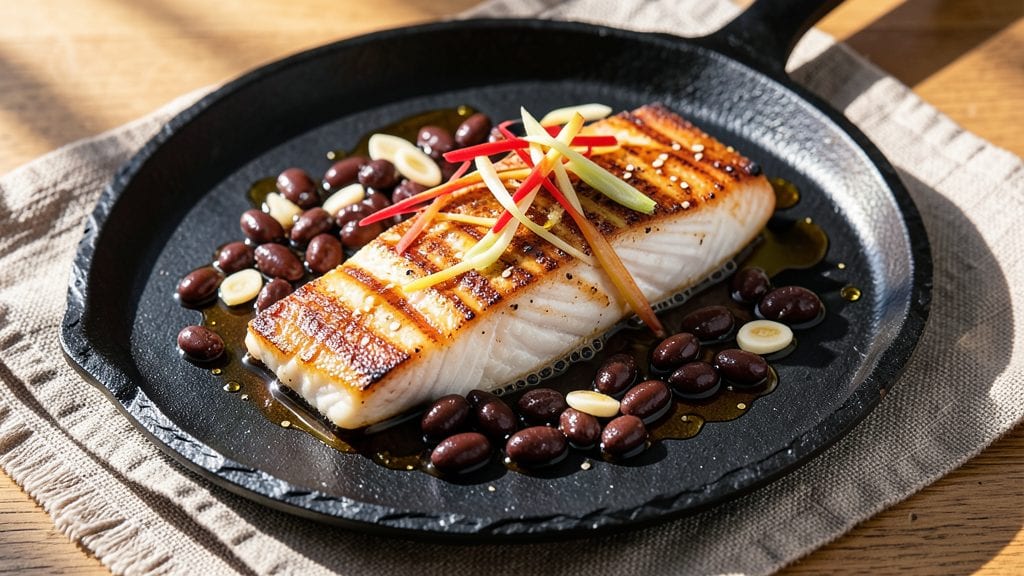
Fermented black bean fish creates a bold, umami-rich dish that transforms simple ingredients into something extraordinary. This recipe combines the deep, tangy flavor of fermented black beans with tender fish, delivering a one-pan meal packed with restaurant-quality depth.
The fermentation process enhances the beans' natural complexity, while the cooking technique ensures the fish stays moist and flavorful.
What makes this dish special is its ability to deliver intense flavor with minimal effort. The fermented black beans add a savory, slightly funky note that pairs perfectly with the delicate taste of fish, creating a balance that's both sophisticated and satisfying.
The recipe uses a simple marinade and one-pan cooking method, making it accessible for home cooks while still delivering professional results.
By the end, you'll have a dish with tender fish infused with fermented black bean flavors, served over a fragrant base of aromatics and vegetables. The aroma alone will draw everyone to the table, while the first bite delivers layers of umami and texture that make this meal unforgettable.
This recipe is perfect for pescatarians looking for bold, flavorful dishes that stand out from ordinary seafood preparations.
The beauty of this recipe lies in its versatility—it works equally well as a weeknight dinner or a special occasion meal. The fermentation process can be done ahead of time, allowing you to focus on cooking when it matters most.
Whether you're serving it with steamed rice or crusty bread, this dish promises to impress with its depth of flavor and ease of preparation.
Ingredients for fermented black bean fish
Fourteen ingredients transform into a restaurant-worthy umami masterpiece with minimal effort.
| Ingredient | Amount | Notes |
|---|---|---|
| White Fish Fillets 🐟 | 1 ½ lb | Firm white fish like cod or halibut |
| Fermented Black Beans 🫘 | 1 cup | Rinsed to reduce saltiness |
| Garlic Cloves 🧄 | 4 cloves | Minced for aromatic depth |
| Ginger Root 🌿 | 1 tbsp | Freshly grated, zesty kick |
| Scallions 🧅 | ¼ cup | Thinly sliced, white and green parts |
| Sesame Oil 🫒 | 1 tbsp | Toasted for nutty aroma |
| Soy Sauce 🥢 | ½ cup | Light or dark, balanced saltiness |
| Hoisin Sauce 🍶 | 2 tbsp | Sweet and tangy complexity |
| Rice Vinegar 🍶 | 1 tbsp | White or seasoned variety |
| Sesame Seeds 🌰 | 1 tbsp | Toasted for garnish and crunch |
| Vegetable Oil 🫒 | 2 tbsp | High smoke point for searing |
| Red Chili Flakes 🌶️ | ½ tsp | Adjust for heat preference |
| Sea Salt 🧂 | 1 ½ tsp | Kosher or fine grain |
| Black Pepper 🌶️ | ½ tsp | Freshly cracked for heat |
| Jasmine Rice 🍚 | 1 ½ cups | Uncooked, for serving base |
Fermented black beans are the heart of this dish—look for them in Asian markets or well-stocked grocery stores. Brands like Three Crabs or Lee Kum Kee offer high-quality options, but any well-preserved, tangy variety works. If you can't find them, black soybeans fermented for at least 3 days make a decent substitute. The fish should be fresh, firm, and free of fishy odor—ask your fishmonger for cod, halibut, or snapper. These varieties stay tender while absorbing the fermented bean marinade beautifully. For the garlic, peel and mince it just before using to preserve its freshness. The ginger should be vibrant and firm, with no soft spots or mold.
No fermented black beans? Miso paste or douchi (fermented tofu) can add umami depth, though the flavor profile will differ slightly. Short on sesame oil? Toasted peanut oil works in a pinch, though it lacks the nutty aroma. The hoisin sauce can be swapped for plum sauce or even a mix of soy sauce and honey if you're out. For the rice vinegar, white wine vinegar or apple cider vinegar both work, though they'll alter the subtle sweetness. The sesame seeds? Toast them in a dry pan for 30 seconds—this brings out their aroma tenfold. If you can't find jasmine rice, brown rice or basmati will work, though the texture differs slightly.
Store uncooked fish in the coldest part of your fridge, use within 2 days for optimal freshness. The fermented black beans keep in the pantry for up to 6 months once opened, though their flavor intensifies over time. For the marinade, prep it the night before—the flavors meld beautifully. Cooked fish reheats well in a steamer basket over simmering water for 3-4 minutes. The rice should be cooked just before serving to maintain its texture. This dish tastes even better the next day—leftovers keep for 3 days in the fridge, though the fish may dry out slightly if not eaten within 24 hours.
Why You'll Love This Recipe
- No-Chop Night: I swear by this trick—just slather the fish with minced garlic, ginger, and a spoonful of that funky fermented bean paste. The beans do all the work; you just sear and serve. Five minutes of active time, honestly.
- Umami Bomb: That fermented black bean paste? It’s like a little flavor explosion—salty, tangy, and deep all at once. Pair it with the crispy fish and fresh scallions, and you’ve got a dish that tastes way more expensive than it is.
- Leftover Hero: This recipe actually improves the second day. The fish stays tender, and the sauce gets richer—perfect for cold rice bowls or quick stir-fries. I make double portions just for this reason.
- Budget Dinner Win: White fish fillets stretch far when you bulk them up with beans and aromatics. A single jar of fermented black beans feeds my family for weeks, and the rest of the ingredients? Pantry staples. Dinner for four under $15, every time.
Step-by-step instructions for fermented black bean and fish recipe
Here's the method that delivers bold umami flavors in a single pan.
Prepare the Fermented Black Bean Base
Rinse the 1 cup fermented black beans under cold water to remove excess saltiness. Drain thoroughly in a fine-mesh strainer and transfer to a small saucepan. Add the 0.5 cup soy sauce, 2 tablespoons hoisin sauce, and 1 tablespoon rice vinegar. Bring to a gentle simmer over medium heat and cook for 5 minutes, stirring occasionally, until the mixture thickens slightly and the beans soften. You'll notice the aroma intensify as the flavors meld together.
Remove from heat and stir in the 1 tablespoon freshly grated ginger root and 0.5 teaspoon red chili flakes. Let this mixture cool to room temperature while you prepare the remaining components. The beans should be tender but still hold their shape, creating a rich, textured base for the dish.
Season and Sear the Fish Fillets
Pat the 1.5 lb white fish fillets dry with paper towels to ensure maximum crispiness. In a small bowl, combine the 1.5 teaspoons sea salt, 0.5 teaspoon freshly cracked black pepper, and 1 tablespoon toasted sesame oil. Rub this mixture evenly over both sides of the fish fillets, pressing gently to help the seasoning adhere.
Heat 2 tablespoons vegetable oil in a large skillet over medium-high heat until shimmering. Add the fish fillets and cook for 3 to 4 minutes per side, until the edges turn opaque and the bottom develops a golden crust. The fish should release easily from the pan when ready—don't overcook or it will become dry. Transfer the fillets to a plate and tent loosely with foil to keep warm.
Build the Umami Sauce and Combine
In the same skillet (no need to clean it—the browned bits add flavor), add the minced 4 cloves garlic and cook for 30 seconds until fragrant. Add the cooled black bean mixture and stir to combine with the garlic. Return the skillet to medium heat and simmer for 3 minutes, allowing the flavors to meld together.
Reduce heat to low and carefully return the fish fillets to the skillet. Spoon the sauce evenly over the top and let everything simmer together for 2 minutes. The fish should be heated through without overcooking. Remove from heat and let it rest for 2 minutes before serving.
Prepare and Serve with Jasmine Rice
While the fish and sauce rest, prepare the 1.5 cups jasmine rice according to package instructions for perfect fluffy grains. The rice should be cooked until tender but still slightly firm to the bite, with any excess water absorbed.
To serve, divide the rice among four plates and top each portion with one fish fillet and generous spoonfuls of the black bean sauce. Garnish with the 0.25 cup thinly sliced scallions and 1 tablespoon toasted sesame seeds. The dish should have a perfect balance of sweet, tangy, spicy, and umami flavors in every bite, with the fish remaining moist and flavorful.
Pro Tips For Making Fermented Black Bean Fish
- Bloom the Aromatics First: Toss minced garlic, ginger, and scallions into the pan with a splash of water or fish stock before adding oil—this makes the flavors sing. I used to skip this, and the dish always tasted flat until I tried it. The steam releases more aroma, so you get that deep, funky fermented black bean punch from the start.
- Pat Fish Dry: Use paper towels to press all moisture out of the fish fillets—wet skin means steam instead of sear. I learned this the hard way after ending up with sad, gray fish instead of crispy edges. Even if the recipe doesn’t call for it, take the extra 30 seconds.
- Don’t Overmix the Sauce: Stir the fermented black beans into the oil just until combined—lumpiness means better texture. After burning three batches of gloppy black bean paste, I realized the magic happens when it’s broken up but still chunky. Overmixing turns it into a sad, thin gravy.
- Finish with Scallion Oil: Save a handful of chopped scallions, fry them in a little oil until fragrant, then drizzle over the finished dish. It brightens the deep, funky flavors without overpowering. I was skeptical until I tried it—now it’s non-negotiable for balance.
Flavor customization for this dish
Spicy Kick Boost
For those who love heat, add 1 extra teaspoon of red chili flakes directly to the fermented black bean mixture before simmering. If you prefer a smoother heat, blend 1 tablespoon of chili crisp (like Lao Gan Ma) into the sauce for a spicy, slightly sweet finish.
For a fiery garnish, sprinkle chopped Thai bird's eye chilies over the top just before serving. 🌶️
Sweet and Tangy Twist
Balance the umami with a sweet-tangy contrast by adding 1 tablespoon of honey or maple syrup to the black bean sauce during simmering. For extra depth, stir in 1 teaspoon of rice wine (like mirin) to enhance the natural sweetness of the beans.
This works especially well with snapper or mahi-mahi, which pair beautifully with fruity notes.
Herbaceous Freshness
Brighten the dish with fresh herbs like cilantro or Thai basil. Finely chop 0.25 cup and fold it into the sauce during the final 2 minutes of simmering. For a citrusy touch, add 1 teaspoon of grated lime zest to the marinade.
The herbs cut through the richness while adding a refreshing aroma that complements the fermented flavors.
Smoky Depth
Infuse the dish with smoky notes by adding 1 teaspoon of smoked paprika or a dash of liquid smoke (just ½ teaspoon) to the black bean sauce. For a charred element, lightly char 2 scallions over an open flame or hot skillet and sprinkle them over the top.
This works wonderfully with grilled fish or when serving over black rice for a dramatic presentation. 🔥
Creamy Contrast
Add a silky texture by stirring 2 tablespoons of coconut milk or 1 tablespoon of tahini into the sauce during the final simmer. For a cheesy twist, sprinkle shredded mozzarella or feta over the fish just before serving—it melts beautifully into the sauce.
This adds a luxurious element that balances the funky fermented flavors.
Regional Adaptations
For a Korean-inspired version, swap the hoisin sauce for 1 tablespoon of gochujang and add 1 teaspoon of sesame paste. In Vietnamese-style, include 1 tablespoon of fish sauce and a few fresh mint leaves for a lighter, brighter profile.
Each adaptation keeps the fermented black bean base while introducing bold regional flavors that elevate the dish. 🗺️
Nutrition facts
Frequently asked questions
What type of fish works best for this fermented black bean dish?
Firm white fish like cod, halibut, or snapper work best—they stay tender while absorbing the fermented bean flavors. Avoid delicate fish like flounder, which can fall apart during cooking.
How do I reduce the saltiness from fermented black beans?
Rinse them thoroughly under cold water before using, then drain completely. For extra control, soak the beans in 1 cup water for 15 minutes and drain again. This removes excess salt while preserving their fermented depth.
Can I make this recipe ahead of time?
Prepare the fermented black bean sauce up to 2 days ahead and store it in the fridge. Reheat gently before adding the fish. The fish itself should be cooked fresh to maintain texture, but you can assemble the dish 1 hour ahead and reheat for 3 minutes before serving.
What if I can't find fermented black beans?
Use miso paste (1 tbsp) or douchi (fermented tofu) (2 tbsp) as substitutes. For a quick alternative, ferment black soybeans in 5% salt brine for 3 days at room temperature. The flavor won't be identical but will still add umami depth.
How do I adjust the heat level in this dish?
For milder heat, reduce the red chili flakes to ¼ teaspoon. For extra spice, add 1 tbsp chili crisp or 2 chopped Thai chilies to the sauce. Always taste as you go—fermented flavors intensify when cooked!