Side Dishes
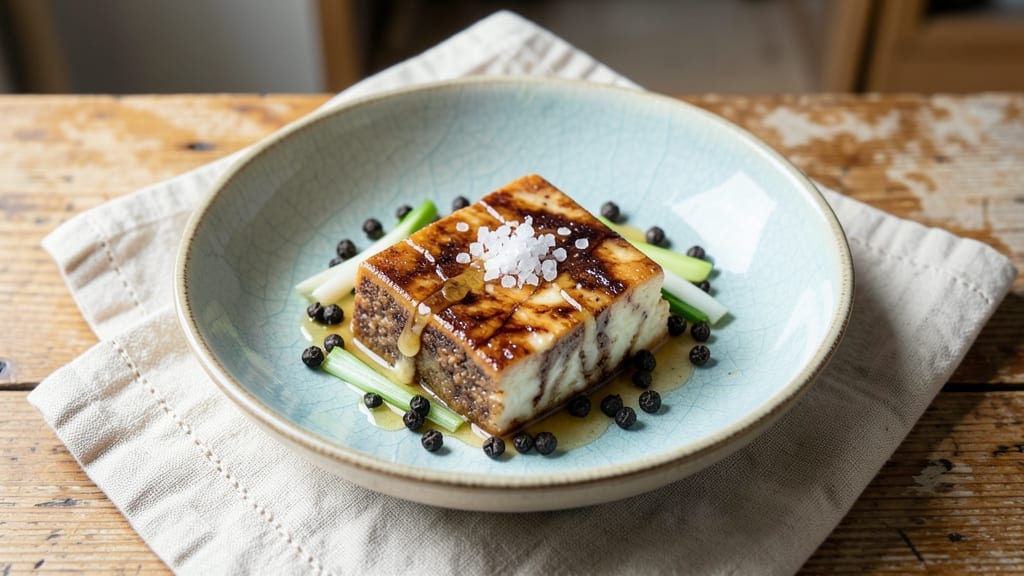
Fermented bean curd transforms simple soybeans into a complex, umami-rich side dish with layers of texture and flavor—no special equipment required. This traditional technique, used across East Asian cuisines, creates a crunchy, salty-savory condiment that elevates soups, stir-fries, and rice dishes.
The fermentation process develops deep, fermented notes over 7 days, turning humble ingredients into something extraordinary.
The process begins with soaking and grinding soybeans into a smooth paste, then shaping and fermenting them in a controlled environment. Proper fermentation conditions—warmth, humidity, and good airflow—are key to developing the signature tangy aroma and firm texture.
While it requires patience, the result is a versatile ingredient that adds depth to any meal, much like miso or soy sauce but with a distinct crunch.
Once fermented, these bean curds can be sliced thin for salads, chopped into stews, or enjoyed as a standalone snack with rice. The texture transforms from soft to firm, developing a satisfying bite that pairs beautifully with spicy or mild dishes.
With proper hygiene and mold prevention, this method delivers restaurant-quality results at home.
Perfect for vegans, fermented food enthusiasts, or anyone seeking a nutrient-dense side dish with minimal ingredients. Let’s begin with the step-by-step process that unlocks this traditional flavor profile.
Ingredients for fermented bean curd
Transform humble soybeans into umami-rich fermented bean curd with just twelve ingredients and patience.
| Ingredient | Amount | Notes |
|---|---|---|
| Dry Soybeans 🌱 | 1 ½ cups | Organic, non-GMO preferred |
| Water 💧 | 6 cups | Filtered or distilled preferred |
| Sea Salt 🧂 | 1 ½ tbsp | Fine grain, non-iodized |
| White Vinegar 🍶 | ½ cup | Distilled, 5% acidity |
| Kosher Salt 🧂 | 1 tbsp | For final seasoning |
| Black Peppercorns 🌶️ | 1 tsp | Freshly cracked preferred |
| Dried Shiitake Mushrooms 🍄 | ¼ cup | Rehydrated, chopped fine |
| Sesame Oil 🫒 | 1 tbsp | Toasted, for finishing |
| Dried Red Chili Flakes 🔥 | ½ tsp | Optional, for heat |
| Miso Paste 🍶 | 2 tbsp | White or red, for depth |
| Rice Vinegar 🍶 | 1 tbsp | For acid balance |
| Silicon Bean Curd Mold 📦 | 1 whole | Or small square container |
The dry soybeans are the foundation—opt for organic or heirloom varieties from Whole Foods or specialty Asian markets for deeper flavor. Soaking them for 12 hours in ample water (at least 6 cups) ensures even hydration; discard the soaking water to prevent bitterness. White vinegar plays a critical role here: its acidity lowers the pH, inhibiting harmful bacteria while promoting lactic acid fermentation. For the shiitake mushrooms, rehydrate them in hot water first—this intensifies their umami contribution to the final product. Sesame oil should be toasted (heat gently in a dry pan) to amplify its nutty aroma, which complements the fermented notes perfectly. If you're sensitive to heat, skip the chili flakes, but they add a subtle kick that pairs wonderfully with the salty-savory profile.
No white vinegar? Rice vinegar or apple cider vinegar work in a pinch, though the fermentation pace may slow slightly. Running short on shiitake mushrooms? Dried porcini mushrooms are a solid alternative—just ensure they're fully rehydrated. For the miso paste, white miso provides a cleaner, sweeter profile, while red miso adds depth and complexity. If you can't find sesame oil, toasted peanut oil offers a similar richness. The bean curd mold is optional but ensures uniform shapes; a small square container lined with plastic wrap works just as well. For the soybeans, avoid pre-cooked or canned varieties—they lack the starch needed for proper fermentation. And remember: sterilize all equipment with boiling water to prevent mold contamination.
Store the fermented bean curd in an airtight container in the refrigerator for up to 3 months, though flavor peaks after 7-10 days. For longer storage, freeze portions for up to 6 months—thaw in the fridge overnight. The texture firms up as it ferments, developing a satisfying crunch when sliced thin. Use within 2 weeks for optimal flavor and texture. To extend shelf life, submerge the curd in brine (1 tsp salt per cup of water) before refrigerating. The miso paste and vinegars can be kept indefinitely in a cool, dark place, while dried mushrooms stay potent for 6-12 months in an airtight container. Portion the sesame oil into small jars to preserve its freshness.
Why You'll Love This Recipe
- Four-Ingredient Magic: I swear by this recipe because it’s that simple—just soak the soybeans overnight, simmer them down, and let the vinegar and salt work their magic. No fancy gadgets, no stress, just pure fermentation alchemy.
- Umami Bomb: That tangy, funky depth from the white vinegar and sea salt? It’s ridiculously good—like a cross between miso and pickles, but all your own. The texture? Silky with a satisfying bite, every time.
- Meal Prep MVP: Between us, this keeps for weeks in the fridge, so I make a big batch and toss it into stir-fries, grain bowls, or even sandwiches. Honestly, it’s my lazy Sunday secret weapon for busy weeknights.
- Pantry Powerhouse: Dry soybeans are dirt cheap, and you only need a splash of vinegar and salt. I’ve fed a crowd for under $10 with this—plus, the leftovers? Even better the next day. Budget-friendly doesn’t get much better than this.
Step-by-step instructions for fermented bean curd
Transform simple soybeans into complex, umami-rich bean curd through precise fermentation and layering.
Soak and Cook the Soybeans
Rinse the 1.5 cups dry soybeans under cold water to remove any debris, then transfer them to a large bowl. Cover with 6 cups water and let soak at room temperature for 12 hours. This hydration step is critical—soaked beans will cook evenly and develop proper texture.
After soaking, drain and rinse the soybeans again. Transfer them to a pot and cover with fresh 6 cups water. Bring to a boil over medium-high heat, then reduce to a simmer and cook for 2 hours. The beans are ready when they're fork-tender and the cooking liquid has reduced significantly. Drain thoroughly, reserving 1 cup of the cooking liquid for later use.
Create the Fermentation Brine
In a separate bowl, combine the 0.5 cup white vinegar, 1.5 tbsp sea salt, and 1 tbsp rice vinegar. Whisk until the salt fully dissolves. This acidic brine will initiate fermentation and preserve the texture during the process. Add the 2 tbsp miso paste and mix until smooth—this contributes deep umami flavor and beneficial bacteria for fermentation.
Rehydrate the 0.25 cup dried shiitake mushrooms by soaking them in warm water for 20 minutes, then finely chop them. Add them to the brine mixture along with the 1 tsp black peppercorns and 0.5 tsp dried red chili flakes. Stir well to distribute all ingredients evenly. This flavor base will infuse the bean curd during fermentation.
Prepare the Bean Puree
Transfer the cooked soybeans to a food processor and blend with the reserved 1 cup cooking liquid until you achieve a smooth, thick puree. The consistency should be like thick pudding—neither too runny nor too stiff. Scrape down the sides as needed to ensure even blending. This puree forms the structural base of your bean curd.
Gradually add the prepared brine mixture to the puree while blending continuously. The mixture should become slightly thinner but still cohesive. Taste and adjust seasoning if needed—this is your only chance to correct the flavor balance before setting. Transfer the mixture to the silicon bean curd mold and smooth the surface with a spatula.
Ferment and Set
Cover the mold with plastic wrap and let it ferment at room temperature for 24 hours. During this time, the mixture will develop subtle tanginess and begin to set slightly. After 24 hours, transfer to the refrigerator and ferment for an additional 5 days, turning the mold daily to ensure even fermentation. The bean curd will develop its characteristic texture and flavor profile during this cold fermentation.
After 5 days, remove the bean curd from the mold and slice it into ¼-inch thick pieces. Heat 1 tbsp sesame oil in a dry skillet over medium heat until shimmering. Add the bean curd slices and cook for 2-3 minutes per side until golden brown and crispy. The high heat will caramelize the natural sugars, creating a delightful contrast between the crisp exterior and tender interior.
Final Seasoning and Serving
Transfer the crispy bean curd to a serving platter and sprinkle generously with 1 tbsp kosher salt. The salt enhances the umami flavors that have developed during fermentation. Serve immediately while still warm for optimal texture. These fermented bean curd slices deliver complex layers of flavor—salty, umami, slightly tangy, with a satisfying crunch.
For best results, consume within 3 days of preparation. The fermentation process continues to develop flavor over time, but the texture begins to soften after this period. Store any leftovers in the refrigerator and reheat in the skillet before serving to restore crispiness.
Pro Tips For Making Fermented Bean Curd
- SOAK BEANS OVERNIGHT: I used to rush this and wonder why my curd turned out gummy—soak dry soybeans in cold water for 12+ hours (not 6). The longer they soak, the smoother the texture later, and you’ll save time on cooking. Trust me, your future self won’t regret the patience.
- USE HOT WATER FOR COOKING: Skip the lukewarm water when boiling soaked beans—crank your pot to a rolling boil first, then add them. This cuts cooking time by nearly half (from 2+ hours to ~90 minutes) and prevents uneven softness. Yes, even if you’re impatient like me.
- SALT THE BRINE LIGHTLY: Too much sea salt upfront makes the curd taste flat later. Start with 1.5% of water weight (e.g., 15g salt per liter), then adjust after pressing. You can always add more, but you can’t take it out.
- PRESS WITH WEIGHT, NOT HANDS: Resist the urge to squeeze the curd by hand—it releases too much liquid and ruins texture. Use a heavy plate or fermentation weight for 24 hours. This keeps the curd firm and speeds up the tangy fermentation. (Your arms will thank you too.)
Best sauces and condiments for these flavors
Miso-Glazed Sauce
This fermented bean curd shines when paired with a miso-glazed sauce that mirrors its umami depth. Combine 2 tbsp white miso paste, 1 tbsp rice vinegar, 1 tsp toasted sesame oil, and ½ tsp grated ginger.
Thin with 1 tbsp water and simmer for 3 minutes until glossy. Drizzle over crispy bean curd slices just before serving to amplify their fermented richness. The ginger adds a bright contrast that cuts through the saltiness. 💛
Spicy Chili Oil
For a bold kick, create a spicy chili oil by infusing ½ cup neutral oil (like avocado or grapeseed) with 2 tbsp dried red chili flakes and 1 tsp whole Sichuan peppercorns. Heat on low for 10 minutes, then strain.
Drizzle over bean curd slices to introduce a fiery, aromatic dimension. The chili oil’s heat pairs beautifully with the fermented bean curd’s tangy crunch. 🌶️
Sesame-Garlic Dipping Sauce
A simple sesame-garlic dipping sauce elevates the bean curd’s texture. Blend 2 tbsp tahini, 1 tbsp rice vinegar, 1 minced garlic clove, ½ tsp sugar, and 2 tbsp water until smooth.
Adjust salt to taste. The nutty tahini and garlic enhance the bean curd’s umami, while the vinegar balances its saltiness. Serve warm or at room temperature. ✨
Sweet Soy Reduction
For a sweeter contrast, reduce ¼ cup soy sauce with 1 tbsp mirin and 1 tsp honey over medium heat until syrupy (about 5 minutes). Brush lightly over crispy bean curd slices to introduce a caramelized sweetness.
The soy sauce’s saltiness harmonizes with the fermented tang, while the mirin adds a subtle floral note. 🍯
Pickled Vegetable Topping
Brighten the dish with quick-pickled vegetables like radishes or cucumbers. Thinly slice ½ cup radishes or ¼ cup cucumber, then toss with 1 tbsp rice vinegar, ½ tsp sugar, and ¼ tsp salt.
Let sit for 15 minutes before serving. The crisp acidity of the pickles refreshes the palate between bites of rich, fermented bean curd. 🥒
Garlic-Scallion Oil
Infuse ¼ cup neutral oil** with 3 minced garlic cloves and 2 tbsp chopped scallions over low heat for 3 minutes. Strain and drizzle over bean curd slices.
The aromatic garlic and scallions add a fresh, oniony depth that complements the fermented bean curd’s complexity. Use immediately for maximum flavor impact. 🌿
Nutrition facts
Frequently asked questions about fermented bean curd
How long does it take to ferment bean curd properly?
The full fermentation process takes about 7 days, with the first 24 hours at room temperature and 5 days in the refrigerator. The texture and flavor develop gradually—don't rush it! The longer it ferments (up to 10 days), the more complex the umami flavor becomes, but the texture may soften over time.
Can I use canned or pre-cooked soybeans instead of dry?
No, you must use dry soybeans for proper fermentation. Canned or pre-cooked soybeans lack the necessary starch and structure to develop the right texture. The long soak and cook time are essential for breaking down the beans into a smooth paste that can ferment correctly.
What if mold appears during fermentation?
Mold is a common risk with homemade fermentation. If you see any fuzzy spots, discard the batch immediately—mold can produce harmful toxins. To prevent mold, ensure your workspace is clean, use sterilized equipment, and maintain proper acidity with vinegar. A small amount of white mold (like Koji) is normal, but fuzzy green/black mold means toss it.
How should I store leftover fermented bean curd?
Store in an airtight container in the refrigerator for up to 3 months. For longer storage, freeze portions for 6 months. To reheat, pan-fry in sesame oil for 2-3 minutes per side to restore crispiness. The texture softens over time, so use within 2 weeks for peak quality.
What are some creative ways to use fermented bean curd?
Beyond crispy slices, try blending fermented bean curd into dips, chopping it into stir-fries, or crumbling it over noodle bowls. It also works as a marinade base for tofu or vegetables. In Korean cuisine, it's used in kongnamul (fermented soybean) dishes, while Chinese douchi is often pickled or fried. The possibilities are endless!