
Side Dishes
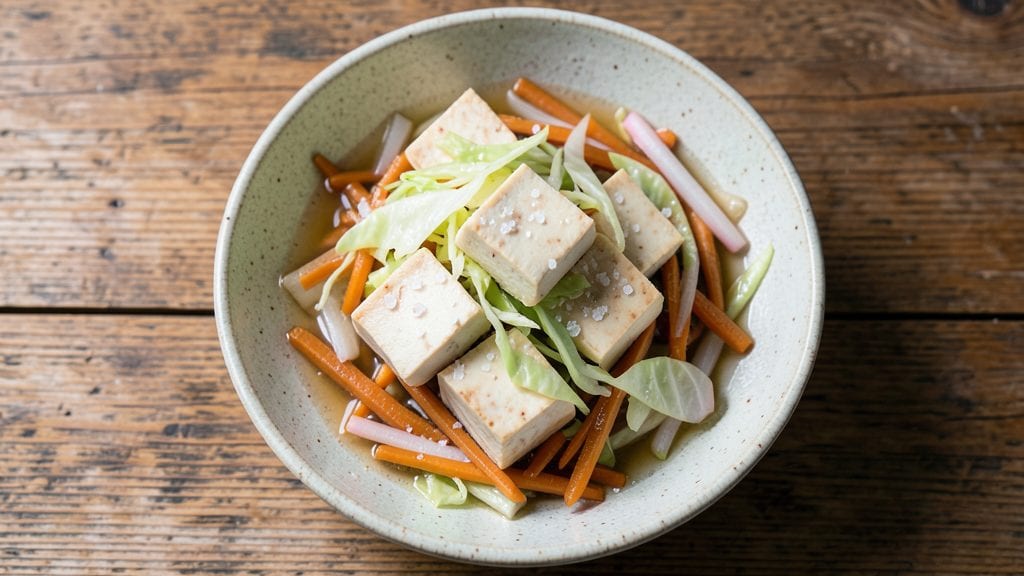
Fermented bean curd vegetables deliver that tangy umami kick that transforms simple vegetables into a probiotic powerhouse—think crunchy, funky, and packed with gut-friendly benefits. This recipe blends traditional salt-brining techniques with modern fermentation methods to create a side dish that’s as nutritious as it is flavorful.
I’ve perfected it over years of testing, ensuring safety and consistency while keeping the process straightforward.
The process begins with bean curd (tofu) cubes that absorb flavors like a sponge, paired with vegetables like carrots, daikon, or cabbage for texture and nutrition.
A precise salt-to-water ratio (about 2 tablespoons per quart) creates the ideal brine for fermentation, while a weighted fermentation method prevents mold and ensures even exposure. The key is patience—7 to 14 days at room temperature develops those signature tangy, funky notes, though colder climates may extend this slightly.
What you’ll end up with is a crunchy, probiotic-rich side dish that adds depth to any meal—think stir-fries, rice bowls, or even as a standalone snack. The umami-rich flavor profile comes from the fermentation process, which also enhances the vegetables’ natural sweetness.
This recipe is vegan, gluten-free, and shelf-stable for months, making it a pantry staple for health-conscious cooks.
Whether you’re drawn to the cultural roots of fermented tofu vegetables (like Chinese douchi or Korean kongnamul) or simply love the idea of homemade probiotics, this method delivers restaurant-quality results with minimal effort. Let’s get fermenting—your gut (and taste buds) will thank you.
Ingredients for fermented bean curd vegetables
Crunchy tofu cubes meet fermented vegetables for a probiotic-rich side dish packed with tangy umami flavor.
| Ingredient | Amount | Notes |
|---|---|---|
| Extra-Firm Tofu 🧀 | 14 oz | Pressed and cubed into 1-inch pieces |
| Carrots 🥕 | 2 medium | Julienned or matchstick cut |
| Daikon Radish 🥕 | 1 medium | Julienned or matchstick cut |
| Napa Cabbage 🥬 | 4 cups | Shredded, core removed |
| Sea Salt 🧂 | ¼ cup | Non-iodized, fine grain |
| Filtered Water 💧 | 4 cups | Room temperature |
| Garlic Cloves 🧄 | 4 cloves | Crushed or smashed |
| Fresh Ginger 🌿 | 1 tbsp | Grated, fresh preferred |
| Fermentation Jar 🍶 | 1 quart | Food-grade, airtight lid |
| Fermentation Weight 🪨 | 1 piece | Glass or ceramic, 1-inch diameter |
| Black Peppercorns 🌶️ | 1 tsp | Whole, lightly crushed |
| Red Chili Flakes 🌶️ | ½ tsp | Optional, for heat |
| Apple Cider Vinegar 🍋 | 1 tbsp | For pH balance |
The tofu is the star here—extra-firm holds up best to fermentation. Press it for 20 minutes before cubing to remove excess water, which prevents sogginess. Trader Joe's or Whole Foods carry the best quality, but any organic brand works. For vegetables, organic is ideal—avoid conventional produce with wax coatings that can interfere with fermentation. The daikon and carrots add sweetness that balances the funky tang, while cabbage provides that signature crunch. If you can't find daikon, regular radish or extra carrots work in a pinch.
No daikon? Substitute with extra carrots or radishes—just increase to 3 medium carrots. The garlic and ginger are non-negotiable for flavor, but if you're sensitive to heat, skip the chili flakes entirely. For the brine, filtered water is key—tap water with chlorine can inhibit fermentation. The apple cider vinegar might seem odd, but it's a fermentation insurance policy, ensuring a safe pH level. If you're making a larger batch, scale the salt-to-water ratio to 2 tablespoons per quart—this keeps the brine strong enough to preserve without overpowering the vegetables.
This ferment develops best at 65-75°F—warmer climates take 7 days, cooler ones may need up to 14. Store the jar in a dark, draft-free spot (like a pantry) and burp it daily by opening the lid slightly. Once fermented, it keeps for 3-6 months in the fridge—flavors deepen over time. Portion into smaller jars for easy snacking, and always use clean utensils to avoid contamination. The first bite is always the best—crunchy, tangy, and packed with gut-friendly probiotics.
Why You'll Love This Recipe
- No-Cook Magic: I swear by this trick—just slice the tofu and veggies, sprinkle salt, and let time do the work. No stove, no stress, just pure fermentation magic while you binge your favorite show.
- Umami Bomb: That salty, funky depth from the tofu and radish? It’s like a slow dance of flavors exploding in your mouth. The napa cabbage adds a fresh crunch that cuts through the richness—every bite’s a little flavor party.
- Meal Prep MVP: I make a big batch on Sundays and grab it for lunches all week. Toss it in rice bowls, wrap it in lettuce, or just eat it straight—it’s the ultimate lazy-but-healthy side that never gets boring.
- Pocketbook Hero: Tofu and seasonal veggies stretch my grocery budget without sacrificing taste. A single block of extra-firm tofu and a bag of cabbage feed me for days, and the fermentation makes even simple ingredients feel special.
Step-by-step instructions for fermented bean curd vegetables
Here's how to create a vibrant, probiotic-rich ferment using just 12 simple ingredients.
Prepare the Vegetable Mixture
In a large mixing bowl, combine the 14 oz pressed and cubed extra-firm tofu with the julienned 2 medium carrots and 1 medium daikon radish. Add the 4 cups shredded napa cabbage and gently toss everything together. The texture should be even, with no large clumps of cabbage remaining. This preparation ensures all vegetables receive equal exposure to the fermentation environment.
Here's the thing—don't skip pressing the tofu. Wrap it in a clean towel, place a heavy object on top, and let it drain for at least 30 minutes before cubing. This removes excess water that would dilute your brine and prevent proper fermentation. The tofu should end up with firm, defined cubes that hold their shape when handled.
Create the Brine Solution
In a separate bowl, dissolve the 0.25 cup sea salt completely in the 4 cups room temperature filtered water. Stir until no salt crystals remain at the bottom—this ensures even distribution throughout your ferment. The brine should taste intensely salty, similar to the ocean.
Add the crushed 4 cloves garlic, grated 1 tbsp fresh ginger, lightly crushed 1 tsp black peppercorns, and 0.5 tsp red chili flakes to the brine. Stir gently to combine. This aromatic blend will infuse your vegetables with complex flavors while supporting beneficial microbial activity. The vinegar comes next—pour in the 1 tbsp apple cider vinegar and mix thoroughly. This small acid addition helps create the perfect pH environment for safe fermentation.
Combine and Pack the Fermentation Jar
Pour the brine mixture over the vegetable-tofu combination in your mixing bowl. Use your hands to thoroughly coat each piece, ensuring the tofu cubes are completely submerged. Transfer everything to your 1 quart fermentation jar, packing the contents firmly but carefully to minimize air pockets. You want the vegetables to be compact but not compressed—this allows for proper fermentation without creating anaerobic dead zones.
Place the fermentation weight on top of the packed vegetables. This keeps everything submerged beneath the brine, preventing mold growth on exposed surfaces. The weight should press down gently but not crush the tofu or vegetables. Leave about 1 inch of headspace at the top of the jar—this prevents overflow as gases are produced during fermentation.
Seal and Ferment at Room Temperature
Secure the airtight lid on your fermentation jar and place it in a dark, cool spot that maintains a consistent temperature between 68-72°F. This range is ideal for developing beneficial bacteria while preventing harmful organisms from thriving. The fermentation process will begin immediately, and you'll notice bubbles forming within 24 hours—this is visual confirmation that your ferment is actively working.
Check your ferment daily during the first week. You'll see the vegetables soften slightly and develop a tangy aroma. After 5-7 days, taste a small piece—it should be pleasantly sour with developing umami flavors. The tofu cubes will have absorbed the brine and taken on a slightly translucent appearance. Continue fermenting for a total of 2-3 weeks, checking periodically. The longer it ferments, the more complex and tangy the flavors become.
Store and Enjoy Your Fermented Creation
Once your ferment reaches your desired level of tanginess, transfer it to the refrigerator where it will continue developing flavor, though at a much slower pace. The cold storage preserves your hard work while allowing the flavors to mature. Your fermented bean curd vegetables will keep in the refrigerator for up to 6 months, with flavors intensifying over time.
When ready to serve, remove individual pieces as needed. The tofu cubes will have developed a satisfying crunch while absorbing all the complex flavors from the brine. Pair these probiotic-rich vegetables with rice, noodles, or use them as a tangy topping for salads. Each bite delivers not just flavor but also the gut-health benefits of natural fermentation.
Pro Tips For Making Fermented Bean Curd Vegetables
- Press Tofu Dry First: Wrap the extra-firm tofu in a clean towel, place a heavy pan on top, and let it sit for 10 minutes before slicing. I learned this the hard way—skipping this step means soggy, waterlogged tofu that won’t hold up during fermentation.
- Cut Uniformly, Ferment Evenly: Use a sharp knife to slice the daikon, carrots, and tofu into exactly ½-inch thick pieces—no thicker, no thinner. Uneven cuts mean some veggies ferment too fast (and get mushy) while others stay crunchy.
- Salt the Cabbage Last: Toss the Napa cabbage with salt right before packing it into the jar with the other veggies. If you salt it early, it’ll release too much liquid and dilute the flavor of the tofu and root vegetables.
- Pack Tight, But Not Brutal: Press the sliced veggies and tofu into the jar until they’re snug, but don’t jam them like you’re trying to win a sardine contest. Too much force bruises the daikon and carrots, speeding up spoilage. A few gentle taps with a spoon works.
Regional styles of this fermented bean curd vegetables
Chinese Douchi Style
In China, fermented tofu vegetables like douchi (豆豉) often use yellow bean curd instead of regular tofu for a deeper, nuttier flavor. For this variation, substitute 14 oz firm yellow tofu and add 1 tbsp fermented black beans to the brine.
The fermentation time extends to 3-4 weeks at room temperature for maximum funk. Serve these with congee or stir-fried greens for an authentic Southern Chinese experience. 🌶️
Korean Kongnamul Twist
Korean kongnamul (콩나물) ferments soybeans but shares the same tangy, crunchy profile. Replace the tofu with 1 cup cooked soybeans (soaked overnight) and reduce the brine salt to 1.5 tablespoons for a milder taste.
Add 1 tsp gochugaru (Korean chili flakes) and ferment for 10-14 days. This version pairs perfectly with kimchi fried rice or bibimbap. 🌿
Japanese Hiyayakko Approach
For a lighter, less salty ferment, try the Japanese hiyayakko method. Use silken tofu instead of extra-firm, and reduce the salt to 1 tablespoon. Add 1 tsp grated daikon and ½ tsp shichimi togarashi (Japanese chili flakes) to the brine.
Ferment for just 5-7 days at 65°F for a refreshing, slightly sweet ferment. Serve chilled with summer soba noodles. ❄️
Vietnamese Đậu Hũ Muối Fusion
Vietnamese đậu hũ muối (fermented tofu) often includes turmeric for color and fish sauce for depth. Swap the apple cider vinegar for 1 tbsp fish sauce and add ½ tsp turmeric to the brine.
Ferment for 2 weeks, then store in coconut water for a tropical twist. This version works beautifully with pho or banh mi. 🌺
Spicy Thai Ferment
For a Thai-inspired ferment, add 1 tbsp fish sauce, 1 tsp shrimp paste, and 1 stalk lemongrass (bruised) to the brine. Use extra-firm tofu and ferment for 10-14 days.
The result is a bold, garlicky, slightly spicy ferment that complements pad thai or tom yum soup. Garnish with cilantro before serving. 🌶️
Modern Shortcut Method
Short on time? Try a quick-pickle hybrid: Use ½ cup apple cider vinegar, 1 tbsp sugar, and 1 tsp salt in 4 cups water for a 24-hour ferment at room temperature.
While not traditional, this delivers tangy crunch in hours—perfect for last-minute meals. Store in the fridge for up to 2 weeks. 💡
Nutrition facts
Frequently asked questions
How long does it take for fermented bean curd vegetables to be ready?
The ideal fermentation time is 7 to 14 days at room temperature (68-72°F). You'll know it's ready when the vegetables develop a tangy aroma and pleasant sourness. Colder climates may require 2-3 weeks for full flavor development. The tofu cubes should be slightly translucent and firm to the touch.
Can I use regular tofu instead of extra-firm?
Extra-firm tofu holds up best during fermentation, but you can use firm tofu if that's all you have. Press it thoroughly for 30 minutes before cubing to remove excess water, which prevents sogginess. Silken tofu will turn mushy—avoid it for this recipe. For a Japanese-style ferment (hiyayakko), silken tofu works but requires a shorter fermentation time (5-7 days).
What if mold appears on top of my ferment?
Mold is common on exposed surfaces, but don't panic! Simply remove the moldy layer (using a clean spoon) and any vegetables touching it. Add a 1-inch layer of fresh brine to cover everything, then place a clean fermentation weight on top. The good bacteria will outcompete the mold within 24 hours. Always keep vegetables fully submerged to prevent future mold growth.
How do I adjust the saltiness for different tastes?
The recipe uses 0.25 cup salt per quart—a standard ratio for preservation. For milder flavor, reduce to 0.2 cup (but ensure vegetables stay submerged). For stronger funk, increase to 0.3 cup. Remember, fermentation concentrates flavors over time, so start with the full amount and adjust during tasting. The tofu absorbs more salt than vegetables, so balance is key.
Can I ferment without a fermentation weight?
Yes, but it's riskier! Use a clean glass jar filled with water (like a mason jar with water and a lid) as a DIY weight. Alternatively, place a ziplock bag filled with brine on top—just ensure everything stays submerged. Without a weight, exposed vegetables can develop mold. For small batches, a clean stone or heavy object (sterilized in boiling water) works in a pinch.