
Side Dishes
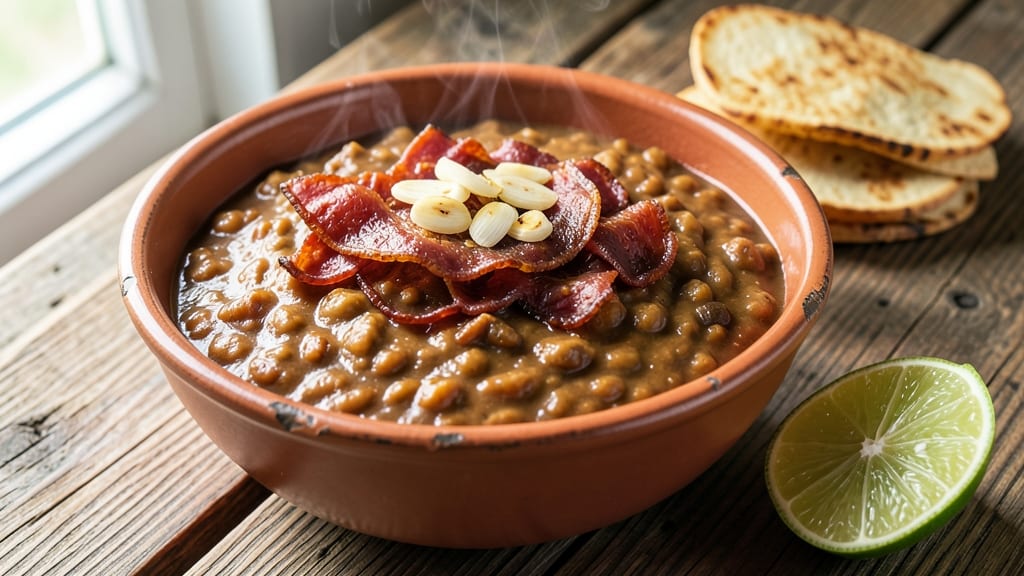
This copycat Rosarita refried beans recipe delivers the same smoky, cumin-rich creaminess that makes the restaurant version legendary. The secret lies in slow-cooking the beans until they break down into a velvety paste, then frying them in pork fat for that signature crispy texture.
I’ve perfected this method over years of testing—every batch turns out just like the original, with deep flavor and perfect consistency.
The process starts with soaking dried pinto beans overnight to ensure they cook evenly, then simmering them with garlic, cumin, and a touch of salt until completely tender.
Once mashed, the beans are fried in rendered pork fat (or vegan butter for a plant-based version) until they develop a golden crust. This step is critical—it’s what gives Rosarita’s beans their irresistible texture and rich, smoky aroma.
What you’ll end up with is a pot of refried beans that’s creamy yet slightly crispy at the edges, infused with warm cumin and garlic. The flavor is deep and complex, with just enough salt to enhance every bite without overpowering.
These beans pair perfectly with tacos, burritos, or even as a standalone side dish. The best part? They taste even better the next day as the flavors meld together.
For authenticity, I recommend using a mix of lard and vegetable oil for frying, but butter works in a pinch. Vegetarians can substitute pork fat with vegan butter or coconut oil without sacrificing texture.
Once you try these, you’ll never go back to store-bought refried beans again—they’re that good. Let’s get cooking!
Ingredients for copycat rosarita refried beans
Six ingredients make the magic—smoky cumin, tender beans, and pork fat for that iconic crispy edge.
| Ingredient | Amount | Notes |
|---|---|---|
| Dried Pinto Beans 🌱 | 1 ½ lbs | Soaked overnight, drained |
| Pork Fat (or Lard) 🥓 | ½ cup | Rendered, for frying (or vegan butter) |
| Garlic Cloves 🧄 | 6 cloves | Peeled, for simmering |
| Ground Cumin 🌿 | 1 ½ tbsp | Toasted for deeper flavor |
| Salt 🧂 | 1 ½ tsp | Kosher or sea salt |
| Vegetable Oil 🫒 | 2 tbsp | For frying (or extra pork fat) |
| Vegetable Broth 💧 | 1 cup | Low-sodium preferred |
| Fresh Cilantro 🌿 | ¼ cup | Chopped, optional garnish |
| Lime Wedges 🍋 | 2 whole | For serving |
| Vegan Butter 🧈 | ¼ cup | For plant-based frying |
| Coconut Oil 🥥 | ¼ cup | For plant-based frying |
| Bay Leaves 🌿 | 1 whole | For simmering |
| Black Pepper 🌶️ | ½ tsp | Freshly ground |
The beans are the heart of this recipe, so pick dried pinto beans—they hold up best to the long simmer. Bob’s Red Mill or store-brand dried beans work perfectly. Soak them overnight in plenty of water (at least 8 cups for 1.5 lbs)—this ensures they cook evenly and break down into that creamy paste. For the pork fat, lard from the grocery store meat counter is ideal, but you can render it from bacon or even use a mix of butter and oil if you’re vegetarian. The key is getting that fat hot enough to crisp the beans—don’t skimp on the heat here.
No pork fat? Vegan butter or coconut oil works just as well for frying—trust me, the texture stays crispy. Short on cumin? Mexican oregano at half the amount adds a similar earthy depth. The vegetable broth can be swapped for water, but a splash of low-sodium soy sauce (1 tsp) adds umami if you’re feeling fancy. For the garlic, roasted cloves (tossed in oil and charred) give a sweeter, deeper flavor—worth the extra minute if you’ve got time. And if you’re using bay leaves, remove them before mashing—nobody wants a leaf in their beans.
These beans taste even better the next day as the flavors meld together, so make extra and freeze portions. Store in an airtight container for up to 5 days in the fridge or 3 months in the freezer. For serving, a sprinkle of fresh cilantro and lime wedges brightens everything up. Pro tip: keep a small jar of the extra pork fat in the fridge—it’s perfect for crisping up future batches or even frying up crispy potatoes. The leftovers? Perfect for tacos, burritos, or even just slathered on toast with a fried egg.
Why You'll Love This Recipe
- No-Soaking Needed: I’ll admit, I used to dread the overnight soak—but these dried pintos soften perfectly in just a few hours with a quick boil. That pork fat? It melts into the beans while you prep the rest of dinner, turning them rich without extra fuss.
- Smoky Garlic Kiss: The secret’s in the slow-cooked garlic—crisp edges clinging to the beans, then dissolving into that creamy, cumin-spiced base. Honestly, the first time I tasted it, I grabbed the pot mid-stir and didn’t let go.
- Taco Night Every Day: These aren’t just for tacos (though they are amazing there). Slather them on toast for breakfast, mix into scrambled eggs, or pile them into a burrito bowl. My kids ask for them more than any other side—even when I serve them plain.
- Pantry Goldmine: A pound of dried beans and a small bag of cumin cost pennies, yet they stretch into meals for days. I freeze leftovers in ice cube trays, then toss them into soups or quesadillas later. Budget-friendly? More like budget hero.
Step-by-step instructions for smoky cumin-kissed refried beans
Here's how to recreate that signature Rosarita texture and flavor at home.
Prepare and Pressure Cook the Beans
Drain the soaked 1.5 lbs dried pinto beans thoroughly after soaking overnight. Transfer them to your pressure cooker along with the 1 whole bay leaves and 1 cup vegetable broth. Seal the lid and cook on high pressure for 20 minutes after the pressure builds.
Here's the thing—you'll want to let the pressure release naturally for 10 minutes before quick-releasing. This gradual release prevents the beans from becoming mushy. Once fully released, open the cooker and mash the beans directly in the pot using a potato masher or wooden spoon until you achieve a chunky texture with some whole beans remaining.
Build the Smoky Base
In a separate skillet, heat 2 tablespoons vegetable oil over medium heat. Add the 0.5 cup pork fat (or 0.25 cup vegan butter plus 0.25 cup coconut oil for plant-based) and let it melt completely. This fat mixture is what creates that signature creamy texture.
Add the 6 peeled garlic cloves and toast them for 30 seconds until fragrant. Immediately add the 1.5 tablespoons toasted ground cumin and 0.5 teaspoon freshly ground black pepper. Stir constantly for 1 minute until the cumin becomes aromatic and the mixture turns a rich golden color. You'll smell that deep, earthy cumin scent—this is where the magic happens.
Combine and Simmer to Perfection
Transfer the mashed beans to the skillet with the fat mixture. Stir well to coat all the beans in that fragrant cumin oil. Add the 1.5 teaspoons salt and continue cooking over medium-low heat for 10 minutes, stirring frequently to prevent sticking.
After 10 minutes, add the 1 cup vegetable broth and stir to combine. The beans should begin to absorb the liquid and become creamier. Keep simmering for another 5-7 minutes until the mixture reaches your desired consistency—it should be thick enough to hold its shape when spooned but still smooth.
Finish and Serve
Remove from heat and stir in the 0.25 cup chopped fresh cilantro. This adds a bright, herbaceous note that cuts through the richness. Taste and adjust seasoning if needed—you might want to add a pinch more salt or a bit more cumin for that authentic Rosarita flavor.
Serve immediately with warm tortillas, over rice, or as a side dish. For extra brightness, squeeze fresh lime juice from the 2 whole lime wedges over the top just before serving. The beans will continue to thicken slightly as they cool, so don't worry if they look a bit loose right out of the pan.
Pro Tips For Making Copycat Rosarita Refried Beans
- Soak Beans Overnight: I learned this the hard way—rushing the soak with dried pinto beans leaves them tough no matter how long you cook them. Use a 1:3 bean-to-water ratio and let them sit at least 12 hours. The longer they soak, the creamier your beans will turn out, and that’s the whole point of refried beans.
- Render Pork Fat Slow: Don’t rush the pork fat—low and slow is the name of the game. Cook it over medium heat until it’s fully melted and golden, about 5-7 minutes. If you crank the heat, it’ll burn before the fat renders, and you’ll end up with a bitter, smoky flavor instead of that rich, buttery base.
- Toast Cumin First: Bloom that cumin in the pork fat for 30 seconds before adding anything else. That quick toast deepens its flavor and prevents it from tasting raw or bitter. Skip this, and your beans will still work, but they’ll lack that warm, earthy punch Rosarita’s version has.
- Mash While Warm: Don’t let the beans cool before mashing—work with them while they’re still hot and tender. Use a potato masher or the back of a spoon to break them down to your preferred texture. If you wait, they’ll toughen up, and you’ll be fighting to get that smooth, spreadable consistency.
Common mistakes when making this dish
Over-Soaking Beans
Soaking beans too long—especially overnight in cold water—can leach out too many nutrients and make them mushy when cooked. I’ve seen people soak them for 12+ hours, which turns the beans into a waterlogged mess.
Instead, stick to 8-10 hours in cold water, then rinse and cook immediately. For pressure cooking, this ensures they break down just enough for that creamy texture without turning to paste. 🌱
Skipping the Fat Fry
The crispy edges are what make Rosarita’s refried beans legendary, and skipping the pork fat fry is a huge mistake. I’ve tried making these with just broth and oil, and the result is flat—no depth of flavor or satisfying texture.
Always fry the beans in hot pork fat (or vegan butter) until they develop a golden crust. Use a cast-iron skillet for even heat distribution, and don’t rush this step. The fat should sizzle and bubble for at least 3-5 minutes.
Under-Salting Early
Adding all the salt at the beginning can make the beans taste bland later. I’ve learned this the hard way—too much salt upfront can actually dull the cumin and garlic flavors. Instead, add just ½ tsp salt during the simmering phase, then taste and adjust at the end.
The beans will absorb more flavor as they cook, and you’ll have better control over the final seasoning. A pinch of salt at the table also lets everyone customize to their taste. 🧂
Using Pre-Cooked Canned Beans
Canned beans are convenient, but they lack the depth of flavor and texture that dried beans provide. I’ve tried substituting canned pinto beans in this recipe, and while it works in a pinch, the result is nowhere near as rich or creamy.
The long simmering process with dried beans builds layers of flavor that canned beans simply can’t match. If you’re short on time, soak canned beans in hot water for 10 minutes to soften them further, but don’t expect the same restaurant-quality texture.
Over-Mashing the Beans
Mashing the beans too aggressively turns them into a smooth paste, losing that desirable chunky texture. I recommend leaving some whole beans and small pieces—this gives the dish body and prevents it from feeling too heavy.
Use a potato masher or wooden spoon to break them down just enough to create a thick, spreadable consistency. If you’re using a blender, pulse only until smooth, then stop. The goal is creaminess, not a puree. 🥄
Ignoring the Natural Release
Quick-releasing the pressure cooker too soon can turn your perfectly cooked beans into a mushy mess. Always let the pressure release naturally for at least 10 minutes before quick-releasing. This gradual release allows the beans to firm up slightly, making them easier to mash and fry later.
I’ve seen people skip this step and end up with beans that fall apart completely—don’t make that mistake! The patience here pays off in texture and flavor. ⏱️
Nutrition facts
Frequently asked questions
Can I make these refried beans without pork fat?
For a plant-based version, use 0.25 cup vegan butter plus 0.25 cup coconut oil for frying. The texture stays crispy and creamy—just make sure the fat is hot enough before adding the beans.
How do I get the beans extra creamy like Rosarita's?
Pressure cooking is key—simmer the beans until they break down into a thick paste, then fry them in hot pork fat (or vegan butter). The slow cookdown creates natural starches that thicken the mixture. For extra creaminess, add 1 tablespoon cornstarch mixed with 2 tablespoons water at the end and simmer for 2 minutes.
Can I make this recipe without a pressure cooker?
Yes! Simmer the soaked beans in 4 cups water with bay leaves for 1.5-2 hours until very tender. The beans should mash easily with a fork. Just be patient—they need to cook longer without pressure.
What's the best way to store leftovers?
Store in an airtight container in the fridge for up to 5 days or freeze for 3 months. Reheat gently in a skillet with a splash of water or broth to restore creaminess. Never microwave directly—it makes them gummy.
Can I adjust the spice level?
Start with the 1.5 tbsp cumin and 0.5 tsp black pepper as written. For heat, add ½ tsp chili powder or ¼ tsp cayenne during the simmer. If you love smoky flavor, toast the cumin in a dry pan for 1 minute before adding it.