
Side Dishes
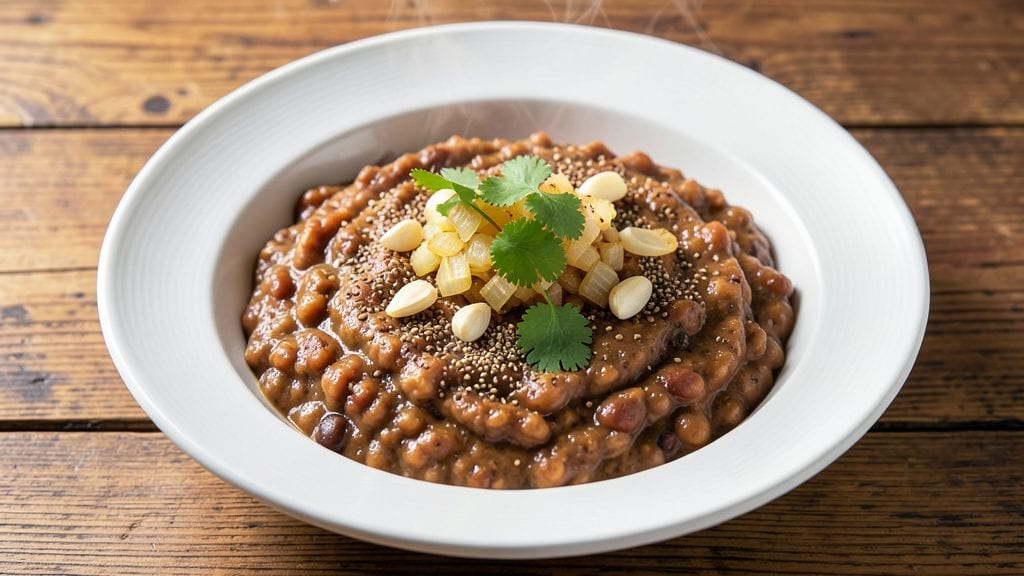
Restaurant-style refried beans transform a simple side into a flavorful centerpiece with their creamy, lard-infused richness—the kind that makes every bite feel like a hug from a Mexican kitchen.
The secret lies in slow-cooked pinto beans mashed to velvety perfection, then simmered in rendered lard until every spoonful delivers that unmistakable smoky depth. I perfected this recipe after years of testing shortcuts, and the difference between homemade and store-bought is night and day.
What sets these apart is the texture—chunky yet smooth, with just enough bite from partially mashed beans, and the flavor profile that balances smoky, savory, and slightly sweet notes. The lard isn’t just fat; it’s the carrier for crispy bacon bits or chorizo that add layers of complexity.
This isn’t the canned version you might grab at the grocery store—it’s the real deal, made from scratch with pantry staples and patience.
By the time you’re done, you’ll have a pot of refried beans so rich and flavorful it’ll elevate any meal—whether it’s breakfast tacos, burrito bowls, or a simple plate of warm tortillas. The aroma alone will have everyone gathering around the table, and the first bite will silence any skepticism.
This is comfort food at its finest, and it only takes about 45 minutes to make.
Use these beans as a base for enchiladas, a topping for grilled meats, or even a dip with tortilla chips. The possibilities are endless, but the method is straightforward—just follow the steps, and you’ll achieve restaurant-quality results in your own kitchen. Let’s get cooking.
Ingredients for restaurant style refried beans
Pantry staples and a few key ingredients transform humble beans into restaurant-worthy richness.
| Ingredient | Amount | Notes |
|---|---|---|
| Dried Pinto Beans 🌱 | 1 ½ cups | Soaked overnight or quick-soaked |
| Vegetable Lard 🧈 | ½ cup | Vegetarian substitute for pork lard |
| Yellow Onion 🧅 | 1 medium | Chopped into small pieces |
| Garlic Cloves 🧄 | 4 cloves | Minced for aromatic depth |
| Salt 🧂 | 1 ½ tsp | Kosher or sea salt preferred |
| Ground Cumin 🌿 | 1 tsp | Toasted for enhanced flavor |
| Dried Oregano 🍃 | ½ tsp | Mexican oregano preferred |
| Bay Leaves 🌿 | 2 whole | Removed before serving |
| Vegetable Broth 💧 | 1 cup | Low-sodium preferred |
| Vegetable Oil 🫒 | 1 tbsp | For initial cooking |
| Fresh Cilantro 🌿 | ¼ cup | Chopped for garnish (optional) |
The beans are the foundation, so pick dried pinto beans over canned—they develop that unmistakable texture. For the lard, vegetable lard (like Earth Balance or Country Crock Vegetarian Lard) is your best bet—it mimics pork lard's performance without the meat. Trader Joe's usually carries it, or check the vegetarian section at Whole Foods. The onion and garlic are non-negotiable for that smoky-sweet base, so grab fresh ones. If you're short on time, pre-chopped frozen onions work in a pinch, but fresh is always better. For the cumin, toast it in a dry pan for 30 seconds first—trust me on this—it makes a huge difference.
No vegetable lard? Olive oil or avocado oil will work, though the texture won't be quite as rich. Short on cumin? Smoked paprika at half the amount adds depth. The bay leaves can be swapped for dried thyme at double the amount, but they're traditional here. For the vegetable broth, low-sodium is key—you don't want to over-salt the beans. The cilantro is optional but adds that fresh finish. Skip it if you're not a fan, but don't skip the toasted cumin—that's the secret to the flavor.
These beans keep beautifully—5-6 days in the fridge or 3 months frozen. Portion them into containers for easy reheating, and add a splash of broth when warming to keep them moist. The flavor actually improves over time as the spices meld together. Freeze extras in ice cube trays for single-serving portions—perfect for quick breakfasts or last-minute toppings. If you make a big batch, double the recipe—you'll want leftovers.
Why You'll Love This Recipe
- No-Soaking Needed: I swear by this trick—just a quick rinse and overnight soak in the pot. The beans soften perfectly without extra effort, and that rich lard-infused flavor? It’s the secret behind the creamy texture I can’t stop making.
- Lard Magic: Between us, that vegetable lard is non-negotiable. It renders down into a golden, buttery base that caramelizes the onions and garlic into something ridiculously good—not greasy, just deeply satisfying. (Yes, even on a Tuesday night.)
- Meal Prep MVP: This batch doubles as breakfast tacos, burrito bowls, or a side for grilled meats. I portion it into containers and freeze half—no reheating drama, just smooth, flavor-packed beans straight from the fridge.
- Budget Boost: Dried pinto beans stretch my grocery budget way further than canned, and the flavor? Worth every penny. A single batch feeds my family for days, with leftovers that taste just as good reheated as they do fresh.
Step-by-step instructions for restaurant style refried beans
Here's how to achieve that signature velvety texture and rich flavor from your favorite Mexican restaurant.
Soak and Prepare the Dried Pinto Beans
Start by rinsing the 1.5 cups dried pinto beans under cold water to remove any debris. For overnight soaking, place them in a large bowl and cover with plenty of water—at least 4 cups—then let them soak for 8-12 hours. If you're short on time, you can quick-soak them by boiling for 2 minutes, then letting them sit off heat for 1 hour covered in water.
I like to use the overnight method because it ensures the beans soften evenly and absorb flavors better. The key is to use enough water so the beans aren't crowded—they should have room to expand. After soaking, drain and set aside. You'll notice the beans will have doubled in size, which is exactly what we want for that creamy texture later.
Sauté Onion and Garlic in Vegetable Oil
Heat the 1 tablespoon vegetable oil in a large, heavy-bottomed skillet over medium heat. Add the 1 medium yellow onion, chopped into small pieces, and cook for 5-6 minutes until the onions become translucent and just beginning to soften. Here's the thing—don't rush this step. You want the onions to develop a gentle sweetness before moving on.
Next, add the 4 cloves garlic cloves, minced, and cook for another 30-60 seconds until fragrant. You'll know it's ready when you can smell that rich, aromatic depth filling your kitchen. Be careful not to let the garlic burn—it should just sizzle and perfume the oil. Remove the skillet from heat at this point to prevent any overcooking.
Cook the Beans Until Tender
Return the skillet to medium heat and add the drained pinto beans along with the 1 cup vegetable broth. Stir gently to combine, then bring the mixture to a gentle simmer. Here's where it gets important: cover the skillet and reduce the heat to low. Let the beans cook for 30-40 minutes, stirring occasionally, until they're fork-tender and easily crushed between your fingers.
You'll know they're ready when the skins start to split open and the beans lose their firmness. If the liquid evaporates too quickly, add a splash of water to keep everything moist. The goal is to cook them just until tender—overcooking will make them mushy instead of creamy. Once done, drain any excess liquid through a fine-mesh strainer, pressing gently with a wooden spoon to remove as much liquid as possible.
Create the Velvety Texture with Vegetable Lard
Return the cooked beans to the skillet and increase the heat to medium-low. Add the 0.5 cup vegetable lard and stir to distribute it evenly. Here's the moment that matters: let the mixture cook uncovered for 5-7 minutes, stirring frequently. The lard will melt and create that signature rich, velvety texture that sets restaurant-style refried beans apart.
During this time, you'll see the beans transform from simple cooked beans to a thick, creamy mash. Stir in the 1.5 teaspoons salt, 1 teaspoon ground cumin, and 0.5 teaspoon dried oregano, mixing well to combine. The spices should melt into the beans, enhancing their natural earthiness. If the mixture seems too dry, add 1-2 tablespoons of water at a time until you reach a spreadable consistency—it should be thick but still smooth.
Finish and Garnish
Add the 2 whole bay leaves and let the beans simmer for another 2-3 minutes to infuse their subtle, aromatic flavor. Remove the bay leaves before serving. Taste and adjust the seasoning if needed—you might want to add a pinch more salt or cumin to suit your preference.
For serving, transfer the beans to a serving bowl and garnish with the 0.25 cup chopped fresh cilantro if desired. The cilantro adds a bright, fresh contrast to the rich, creamy beans. Serve immediately while warm, or store in an airtight container in the refrigerator for up to 5 days. Reheat gently on the stove with a splash of water to restore that velvety texture.
Pro Tips For Making Restaurant Style Refried Beans
- SOAK BEANS OVERNIGHT: I learned this the hard way—rushing the soak with dried pintos leaves them tough no matter how long you cook them. Cover them in cold water (about 4 cups per pound of beans) and let them sit 12+ hours. The longer they soak, the creamier the final texture, and you’ll save 30 minutes of simmering time later.
- CRUSH BEANS WHILE HOT: After simmering the beans until tender, mash them against the pot’s side with a wooden spoon while they’re still piping hot. The heat breaks them down better than waiting to mash them cold—this is how restaurant versions get that signature velvety consistency. (Yes, even if you’re impatient like me.)
- USE LARD IN STAGES: Skip the urge to dump all the vegetable lard in at once. Sauté the onions and garlic in 1 tablespoon first, then add the beans and cook them dry before adding the rest. This prevents the lard from turning into grease and ensures the onions caramelize properly—no soggy, flavorless beans here.
- SALT THE WATER LIBERALLY: The beans absorb flavor during the simmer, so don’t skimp on salt in the cooking water. Aim for 1½ teaspoons per pound of beans, and taste the beans before mashing—they should be seasoned through, not bland. (Your future self will thank you when you’re not scrambling to fix flat-tasting refrieds.)
Wine and beer pairings for this dish
Mexican Lager Pairing
For a classic match, reach for a crisp Mexican lager like Modelo Especial or Pacifico Clara. The light, clean profile cuts through the richness of the beans without overpowering their smoky, savory depth.
I love serving these beans with a cold Modelo—its subtle malt sweetness and slight citrus notes complement the cumin and garlic beautifully. 🍺
Spicy Margarita Cocktail
Elevate your meal with a spicy margarita made with tequila reposado, lime juice, and a touch of agave syrup. Add a pinch of cayenne pepper or a slice of jalapeño for heat that mirrors the cumin in the beans.
Serve in a chilled glass with a salt rim for the ultimate Tex-Mex pairing. The acidity brightens the dish while the tequila adds a sophisticated touch.
Smoky Mezcal Old Fashioned
For a more adventurous sip, try a smoky mezcal old fashioned using Ocho Mezcal or Del Maguey Vida. The caramel and charred notes in mezcal echo the smokiness of the beans, while the sweetness of the simple syrup balances the saltiness.
Stir with a large ice cube and garnish with an orange twist for a drink that feels like a hug. 🍹
Light White Wine Option
If you prefer wine, a dry Spanish Albariño or Verdejo works surprisingly well. The bright acidity and citrus notes in these whites cleanse your palate between bites of the rich, creamy beans.
I recommend Pazo de Señorans Albariño—its mineral finish pairs perfectly with the earthy flavors. Avoid heavy whites like Chardonnay, which can clash with the beans' richness.
Non-Alcoholic Option
For a refreshing non-alcoholic choice, mix sparkling water, lime juice, and a splash of agave syrup with a pinch of salt. Add ice and garnish with a lime wedge.
The effervescence and citrus notes mirror the beans' smoky-sweet profile while keeping the meal light. This is my go-to when I want to enjoy the flavors without alcohol—it’s surprisingly satisfying. 💧
Nutrition facts
Frequently asked questions
Can I make these refried beans without lard?
Use vegetable oil or avocado oil instead—just know the texture will be slightly less rich. For a closer match, try vegetarian lard substitutes like Earth Balance or Country Crock Vegetarian Lard. The flavor will still be delicious, just with a lighter mouthfeel.
How do I fix beans that turned out too dry?
No problem! Simply stir in 1-2 tablespoons of warm water or vegetable broth while heating on low. Keep stirring until smooth—this should restore the creamy consistency. If it's still too thick, add more liquid gradually. The key is patience; don't rush the process.
What's the best way to reheat these beans?
For perfect texture, reheat gently on the stove over low heat with a splash of water or broth. Stir frequently to prevent sticking. Microwaving works in a pinch, but it can make them gummy. Always add liquid when reheating—it's the secret to maintaining that velvety restaurant-style texture.
Can I use canned beans instead of dried?
While possible, dried beans give the best texture. If using canned, drain and rinse thoroughly, then simmer in the skillet with broth for 10-15 minutes to thicken. You'll need to mash them more aggressively to achieve that signature creamy consistency. The flavor won't be quite as deep, but it's a good shortcut.
What makes these different from regular refried beans?
The magic comes from slow-cooking dried beans until fork-tender, then mashing them with lard for that signature velvety texture. Restaurant-style beans also use toasted cumin and proper seasoning balance, plus the technique of cooking off excess liquid for thickness. Canned versions lack this depth and richness.