
Side Dishes
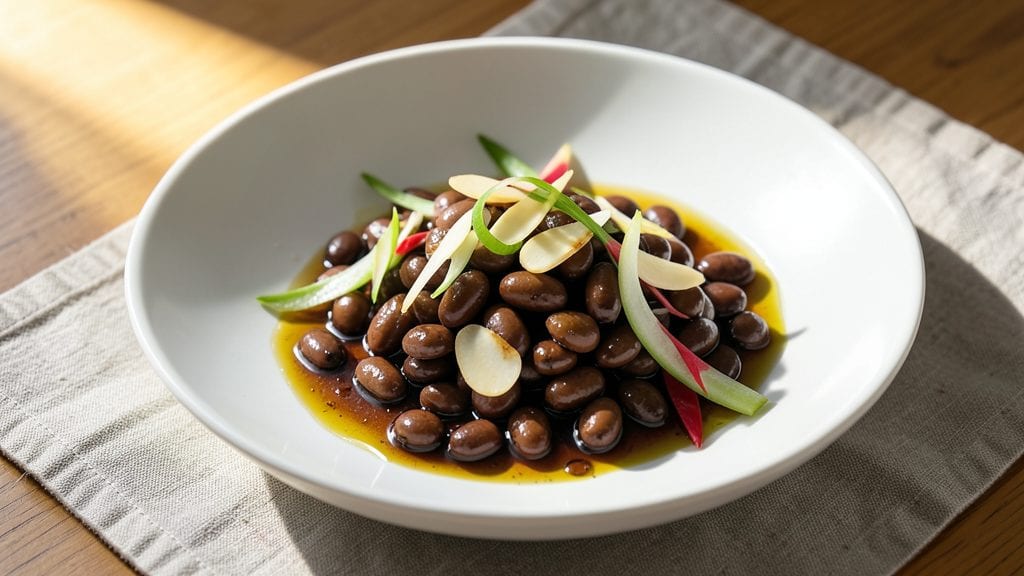
This Chinese fermented black beans recipe transforms simple stir-fries into deeply flavorful dishes with just a few minutes of prep. My grandmother used to keep a jar of these in the pantry, always ready to elevate weeknight meals with their intense umami punch.
The key is understanding how to balance their salty-sweet depth without overpowering other ingredients.
What makes these beans special is their ability to carry flavor—whether tossed with crisp vegetables, tender pork, or noodles. I've simplified the process by focusing on proper rinsing (to remove excess salt) and quick stir-frying to preserve their texture.
This method delivers restaurant-quality results in under 15 minutes of active cooking time.
The result is a side dish that adds complexity to any meal: glossy black beans with a rich, fermented aroma that lingers on the tongue. Their salty-sweet profile cuts through rich meats while complementing delicate vegetables perfectly.
This is the kind of ingredient that makes home cooking feel professional without requiring advanced techniques.
Pair these beans with steamed rice, grilled meats, or fresh spring rolls for a complete meal. The recipe scales easily, making it perfect for both weeknight dinners and weekend gatherings. Let's get started with this umami powerhouse that transforms ordinary dishes into extraordinary ones.
Ingredients for chinese fermented black beans
Nine essential ingredients transform ordinary stir-fries into restaurant-worthy dishes with deep umami complexity.
| Ingredient | Amount | Notes |
|---|---|---|
| Chinese Fermented Black Beans 🫘 | ½ cup | Rinsed thoroughly to reduce saltiness |
| Extra-Virgin Olive Oil 🫒 | 2 tbsp | High-quality for stir-frying |
| Garlic Cloves 🧄 | 4 cloves | Minced finely for aromatic depth |
| Fresh Ginger 🌿 | 1 tbsp | Grated finely for zesty brightness |
| Scallions 🧅 | 3 whole | Thinly sliced for fresh crunch |
| Low-Sodium Soy Sauce 🍶 | 1 tbsp | For balanced umami flavor |
| Sesame Oil 🌰 | 1 tsp | Toasted for nutty aroma |
| Dark Soy Sauce 🍶 | 1 tsp | For rich color and depth |
| Brown Sugar 🍯 | 1 tsp | For subtle caramel notes |
| Ground White Pepper 🌶️ | ¼ tsp | Freshly ground for subtle heat |
| Red Bell Pepper 🍆 | 1 whole | Sliced thin for crisp texture |
| Green Onion 🧅 | 2 whole | Thinly sliced for garnish |
| Steamed White Rice 🍚 | 2 cups | Cooked separately for serving |
The fermented black beans are the heart of this recipe. Look for jars labeled 'Chinese black beans' or 'tau kok' in Asian markets—avoid the pre-cooked, sweetened versions in regular grocery stores. Kung Fu Tea or Three Crabs brands are excellent choices. Rinse them thoroughly before using to remove excess salt, which preserves their intense flavor without overpowering the dish. Fresh ginger and garlic should be vibrant and aromatic; organic varieties from the produce section often have the best flavor. The red bell pepper adds both color and a subtle sweetness that balances the beans' saltiness.
No fermented black beans? Substitute with well-seasoned soybeans or even black beans soaked overnight, though the flavor won't be identical. Fresh ginger unavailable? Use 0.5 teaspoons of ground ginger, but the texture won't be the same. For the soy sauces, Kikkoman or Pearl River Bridge brands provide authentic depth. The sesame oil should be toasted—La Choy or Lee Kum Kee are reliable choices. If you can't find dark soy sauce, mix 1 teaspoon of regular soy sauce with 0.5 teaspoon of molasses for a similar effect. The brown sugar can be swapped for honey or maple syrup if needed.
Store the fermented black beans in their original jar with the lid tightly sealed. They'll keep for 6-12 months in a cool, dark pantry. Once opened, transfer to an airtight container and refrigerate, using within 3 months. The stir-fried mixture should be prepared fresh for optimal texture, but the beans themselves can be prepped ahead and stored separately. For best results, assemble the dish just before serving to maintain its vibrant flavors and crisp textures.
Why You'll Love This Recipe
- One-Pan Magic: I swear by this recipe when I’m too tired to wash dishes—just toss the black beans with olive oil, garlic, and ginger in one pan, and let the smoky-sweet fermented flavor do all the work. No chopping, no fuss, just 15 minutes of hands-off cooking while you sip tea or scroll through your phone.
- Umami Bomb: That first bite? The fermented black beans pack a salty, funky punch that wakes up every dish—think crispy edges from the olive oil, bright scallions cutting through the richness, and ginger adding just enough heat to make it addictive. It’s the kind of flavor that lingers, making even the simplest meal feel special.
- Weeknight Workhorse: Between us, this is my go-to for lazy nights, quick lunches, or even a last-minute side for dinner guests. Stir-fry it with rice, toss it into noodles, or serve it alongside grilled chicken—it adapts without trying. Honestly, I’ve made it so often, I’ve lost count.
- Budget-Friendly Staple: A jar of fermented black beans lasts forever, and a little goes a long way—you’re not drowning in expensive ingredients here. The garlic and ginger are pantry basics, and the olive oil adds richness without breaking the bank. Plus, leftovers? They taste just as good reheated the next day, so you’re always covered.
Step-by-step instructions for Chinese fermented black beans stir-fry
Here's the method to transform fermented black beans into a bold umami foundation for your dish.
Prepare the Fermented Black Beans and Aromatics
Begin by rinsing the 0.5 cup Chinese Fermented Black Beans under cold water for 30 seconds to remove excess salt while preserving their deep, funky flavor. Drain thoroughly in a fine-mesh strainer. This step reduces saltiness but maintains their signature umami punch.
While the beans drain, finely mince the 4 cloves garlic cloves and grate the 1 tbsp fresh ginger using a microplane. Thinly slice the 3 whole scallions and 2 whole green onion, reserving the tops for garnish. The aromatics should be uniform in size to ensure even cooking throughout the stir-fry.
Sauté the Base and Build Flavor Layers
Heat the 2 tbsp extra-virgin olive oil in a wok or large skillet over medium-high heat until shimmering. Add the prepared garlic cloves and fresh ginger, stirring constantly for 30 seconds until fragrant but not browned. This quick cook preserves their bright, fresh qualities without bitterness.
Add the drained Chinese Fermented Black Beans and stir-fry for 2 minutes until they develop a glossy sheen. The beans will release their complex, fermented aroma—this is your signal they're ready for the next ingredients. Push the beans to one side of the pan and add 1 tbsp extra-virgin olive oil if needed to prevent sticking.
Incorporate Vegetables and Seasonings
Slice the 1 whole red bell pepper into thin strips and add them to the pan. Stir-fry for 3 minutes until they begin to soften but retain a crisp texture. The bell pepper should brighten the dish with its natural sweetness while holding its shape.
Add the 1 tbsp low-sodium soy sauce, 1 tsp dark soy sauce, and 1 tsp brown sugar, stirring to combine. The dark soy sauce will deepen the color while the brown sugar adds subtle caramelization. Cook for an additional 2 minutes, allowing the flavors to meld and the sauce to slightly reduce.
Finish with Pepper and Sesame Oil
Sprinkle in the 0.25 tsp ground white pepper and toss gently to distribute evenly. The white pepper adds a subtle, clean heat that complements the fermented beans without overpowering them. Remove the pan from heat and drizzle in the 1 tsp sesame oil, stirring immediately to coat all ingredients.
The sesame oil should infuse the stir-fry with a nutty aroma that enhances the umami depth. Taste and adjust seasoning if needed—you may need a touch more soy sauce or sugar to balance the flavors. Serve immediately over the 2 cups steamed white rice, garnished with the reserved scallion and green onion tops.
Pro Tips For Making Chinese Fermented Black Beans
- Rinse the Beans: DESCRIPTION: Those fermented black beans come packed in brine—don’t skip rinsing them first. A quick 30-second rinse under cold water removes excess salt and lets the oil truly shine in your stir-fry. (Yes, even if the jar says "ready to use"—I learned this after a salty disaster.)
- Mince Ginger Fine: DESCRIPTION: Skip the lazy chopping—grate or mince fresh ginger into a paste for this dish. It melts into the oil faster and releases flavor more evenly. (Your knife will thank you later, too.)
- Low and Slow: DESCRIPTION: High heat burns fermented black beans before they soften. Start with medium-low and let them simmer for 5–7 minutes—they’ll break down just enough for that perfect jammy texture. (Patience here makes all the difference.)
- Toast the Garlic: DESCRIPTION: Add whole garlic cloves to the oil first and let them sizzle until golden—about 30 seconds—before crushing. This prevents bitter flavors and gives the dish a deeper aroma. (Crushed raw garlic? Nope. Not here.)
Health benefits of chinese fermented black beans
Protein Powerhouse
Fermented black beans pack a serious protein punch—about 15 grams per ½ cup serving. This makes them an excellent plant-based protein source, especially when paired with rice (like in this stir-fry) to create a complete amino acid profile.
My grandmother used to say these beans were her "secret weapon" for quick, filling meals without meat. They're particularly valuable for vegetarians or anyone looking to reduce meat consumption while maintaining protein intake. 💪
Gut Health Booster
The fermentation process creates probiotics that support digestive health. These beneficial bacteria help maintain a healthy gut microbiome, which is linked to improved immunity and even mood regulation. I've noticed my digestion feels smoother when I include fermented foods like these beans regularly—especially after heavy meals.
The natural fermentation also makes these beans easier to digest than regular beans for some people. 🌱
Rich in Antioxidants
These beans contain powerful antioxidants like flavonoids and phenolic compounds that combat oxidative stress in your body. The dark color comes from these protective compounds that help reduce inflammation.
I always keep a jar on hand because they're one of the few ingredients that feel like both a flavor enhancer and a health booster. Studies suggest regular consumption may even help lower cholesterol levels. 💛
Low-Calorie Umami
With only about 70 calories per ½ cup serving, these beans deliver intense umami flavor without many calories. This makes them perfect for flavor-packed meals that won't derail your diet.
The fermented process concentrates their flavor, so you get that restaurant-quality taste with minimal ingredients. My grandmother used to say, "A little goes a long way with these—don't overdo it!" ✨
Mineral-Rich
Fermented black beans contain significant amounts of iron, calcium, and magnesium—essential minerals many people don't get enough of. The fermentation actually increases the bioavailability of these minerals compared to regular beans.
I particularly appreciate the iron content, especially during those winter months when energy levels tend to dip. The beans also provide potassium, which helps regulate blood pressure. 💡
Blood Sugar Support
Interestingly, the fermentation process lowers the glycemic index of these beans, making them gentler on blood sugar levels. This makes them a smart choice for anyone monitoring carbohydrate intake or with diabetes concerns.
The fiber content also helps stabilize blood sugar spikes after meals. I've found they satisfy cravings without the energy crashes I get from refined carbs. 🌿
Nutrition facts
Frequently asked questions
What's the best way to store fermented black beans after opening?
Transfer them to an airtight container and refrigerate for up to 3 months. The original jar works fine too, just make sure the lid seals tightly. For longer storage, freeze them in portions—thaw overnight in the fridge when ready to use. The flavor intensifies slightly over time, so they're perfect for keeping on hand for quick meals.
Can I use fermented black beans in dishes other than stir-fries?
They work beautifully in soups, braised dishes, and even marinades. Try adding them to pho broth for depth, or mix into ground pork before cooking for extra umami. My grandmother used them in egg dishes too—just stir a spoonful into scrambled eggs for a savory twist. The possibilities are endless once you get comfortable with their flavor.
Why do my fermented black beans taste too salty?
This usually happens if you didn't rinse them properly. Give them a thorough 30-second rinse under cold water before using, then drain well. If they're still too salty, soak them in fresh water for 10 minutes before draining again. The key is balancing their intense flavor without letting the salt dominate—this is why we rinse but don't over-soak.
What's the difference between Chinese fermented black beans and regular black beans?
Fermented black beans have a much deeper, funkier flavor due to the fermentation process that develops complex umami notes. Regular black beans are mild and neutral by comparison. The fermented version also has a slightly sticky texture when cooked, while regular beans stay firm. Think of them as the parmesan of the bean world—essential for adding depth to dishes.
How can I make fermented black beans less pungent for sensitive stomachs?
Start by using only 1-2 tablespoons instead of the full ½ cup and rinse them extra well. The fermentation process creates natural probiotics, but the aroma can be strong. For extra mildness, simmer them in a little water for 5 minutes before using in recipes. This reduces the funk while keeping their umami qualities.