Side Dishes
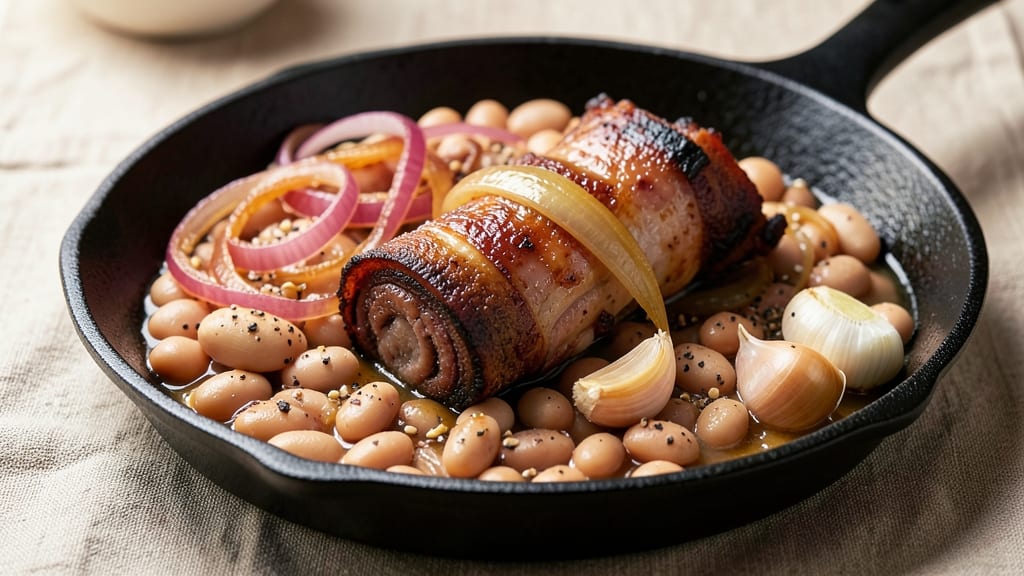
Transforming canned pinto beans with a ham hock creates a smoky-sweet masterpiece that rivals homemade versions—no soaking required. The key lies in rendering the ham hock's rich, gelatinous flavor into the beans, turning a simple pantry staple into a restaurant-worthy side.
I developed this recipe after realizing how much depth a single ingredient could add to canned beans, making it perfect for weeknight dinners or holiday tables.
This one-pot method simplifies the process while delivering maximum flavor. The ham hock slowly dissolves into the beans, infusing them with a deep, savory richness that pairs beautifully with collard greens or cornbread.
Seasoning is minimal but intentional—just salt, pepper, and a touch of garlic powder to complement the ham's natural sweetness. Ready in under 45 minutes, it’s a foolproof way to elevate a classic Southern dish.
The result is tender, flavor-packed beans with a velvety texture and a subtle smokiness that lingers on the palate.
The ham hock’s collagen breaks down into a silky broth, coating every bean and creating a dish that’s hearty enough to stand alone or pair with rice, cornbread, or a crisp green salad. This is comfort food at its finest—simple, satisfying, and impossible to resist.
For extra depth, add a splash of apple cider vinegar or a bay leaf while simmering. Serve with a dollop of hot sauce or fresh herbs for brightness. The possibilities are endless, but the foundation remains the same: rich, smoky, and deeply flavorful in every bite.
Ingredients for canned pinto beans and ham hock
The ham hock transforms simple canned beans into a restaurant-quality side with minimal effort.
| Ingredient | Amount | Notes |
|---|---|---|
| Canned Pinto Beans 🌾 | 2 cans | Drained, 15 oz each, no-soak |
| Ham Hock 🍖 | 1 whole | Unsmoked, 12-16 oz preferred |
| Yellow Onion 🧅 | 1 whole | Medium size, diced |
| Garlic Powder 🧄 | 1 tsp | Freshly ground preferred |
| Kosher Salt 🧂 | 1 ½ tsp | Adjust to taste |
| Freshly Ground Black Pepper 🌶️ | ½ tsp | Coarsely ground |
| Apple Cider Vinegar 🍎 | 1 tbsp | Optional, for brightness |
| Bay Leaf 🌿 | 1 whole | For aroma, remove before serving |
| Water 💧 | 1 ½ cups | Or low-sodium chicken broth |
| Extra-Virgin Olive Oil 🫒 | 1 tbsp | For drizzling |
The ham hock is the star here—look for unsmoked, 12-16 oz cuts at your local butcher or grocery store's meat counter. Costco or Whole Foods often carry high-quality options, but any well-marbled hock will work. Smoked versions add unwanted bitterness, so avoid those. If you can't find one, substitute with smoked turkey leg (unsmoked works too). The onion should be yellow or red—they add sweetness as they cook. For extra depth, char the diced onion in olive oil before adding to the pot.
No garlic powder? Fresh garlic cloves (2 minced) work beautifully—they caramelize slightly as the dish simmers. The apple cider vinegar is optional but adds a bright tang that cuts through the richness. If you prefer a deeper flavor, swap the water for low-sodium chicken broth—just don't overdo it, as the ham hock already delivers ample savor. For a smokier profile, add a dash of liquid smoke (¼ tsp) or a pinch of smoked paprika. The bay leaf imparts subtle aroma, but if you're short on time, skip it—it's not critical.
This dish tastes even better the next day as the flavors meld. Store leftovers in an airtight container for up to 5 days in the fridge or freeze for 3 months. For serving, drizzle with olive oil and a sprinkle of hot sauce (like Crystal or Tabasco) for heat. Pairs perfectly with steamed collard greens, cornbread, or a simple green salad. Double the batch—it reheats beautifully and makes an excellent meal prep option.
Why You'll Love This Recipe
- I’ll be real: I keep a can of pinto beans and a ham hock in my pantry just for this. No soaking, no chopping—just open, simmer, and let the ham hock melt into rich, smoky flavor while I chop an onion in two minutes flat.
- No Pantry Prep Needed: I’ll be real: I keep a can of pinto beans and a ham hock in my pantry just for this. No soaking, no chopping—just open, simmer, and let the ham hock melt into rich, smoky flavor while I chop an onion in two minutes flat.
- Smoky-Sweet Magic: That ham hock? It’s the star. The slow simmer turns it into tender, salty-sweet chunks that cling to every bean like a hug. Honestly, the garlic powder and onion caramelize into something that tastes like a hug from your abuela—no exaggeration.
- Leftover Goldmine: This recipe doubles as tomorrow’s lunch. The flavors only get better after chilling, and it reheats like a dream. I’ll often make a big batch on Sunday, then serve it cold in tacos or warm over rice all week—zero stress, all satisfaction.
Step-by-step instructions for smoky-sweet collard collapse
This one-pot method transforms humble canned beans and ham hock into a rich, flavorful stew.
Parboil the Ham Hock to Extract Maximum Flavor
Place the whole ham hock in a large Dutch oven and cover with the 1.5 cups water. Bring to a boil over medium-high heat, then immediately reduce to a gentle simmer. Skim off any foam that rises to the surface during the first 5 minutes—this ensures clarity in your final broth.
Simmer uncovered for 30 minutes to render the collagen-rich juices from the ham hock. You'll notice the water turning pale pink and slightly cloudy, with a subtle ham aroma filling your kitchen. This initial step creates the flavor foundation—don't skip it. After 30 minutes, remove the ham hock with tongs and set aside to cool slightly before shredding.
Sauté Onion and Build the Aromatic Base
In the same Dutch oven (no need to clean it—the ham hock juices contain flavor), heat the 1 tbsp extra-virgin olive oil over medium heat until shimmering. Add the diced yellow onion and cook for 8-10 minutes until softened and beginning to caramelize at the edges. Stir occasionally to prevent burning.
When the onions are golden and translucent, sprinkle in the 1 tsp garlic powder and stir for 30 seconds until fragrant. This step develops the sweet, savory base that will carry through your entire dish. The onions should release their moisture but maintain some texture—don't let them brown completely at this stage.
Combine All Ingredients and Simmer
Return the shredded ham hock to the Dutch oven. Add the drained 2 cans pinto beans, 1.5 tsp kosher salt, 0.5 tsp freshly ground black pepper, 1 tbsp apple cider vinegar, and the whole bay leaf. Stir gently to combine, ensuring the beans are coated in the onion mixture and ham juices.
Pour in any remaining ham hock broth from the Dutch oven (about 1 cup) to create a loose, saucy consistency. Bring to a gentle simmer over medium-low heat, then reduce to the lowest setting that maintains a bare simmer. Cover partially and cook for 45-60 minutes, stirring occasionally, until the beans are tender and the flavors have melded completely.
Adjust Seasoning and Finish
After simmering, taste and adjust seasoning if needed. The beans should be tender with a slight bite, and the liquid should coat the back of a spoon but not be overly saucy. If the mixture is too thick, add 2-3 tablespoons water to reach your preferred consistency.
Remove the bay leaf before serving. For an authentic touch, drizzle with an additional ½ teaspoon extra-virgin olive oil just before serving. This dish develops even better flavors when reheated, making it perfect for meal prep or leftovers.
Pro Tips For Making Canned Pinto Beans And Ham Hock
- Boil the Ham Hock First: Toss that ham hock into a pot of water and bring it to a rolling boil for 10 minutes before adding anything else. I learned this the hard way—skipping it means the broth stays cloudy and the flavor never fully melds with the beans. (Yes, even if you're impatient like me.)
- Slice the Onion Thin: Dice that yellow onion into paper-thin slivers instead of big chunks. They’ll soften faster and actually caramelize a little in the pot, adding depth without turning to mush. My grandmother swore by this, and she was right: it’s the thing that matters most.
- Don’t Drain the Beans Cold: Rinse the canned pinto beans under warm—not cold—water to preserve their heat. Dumping them into ice water shocks the beans and dulls their flavor before they even hit the pot. (Your future self will thank you.)
- Simmer Low and Slow: Once everything’s in the pot, keep the heat at a gentle simmer—just enough to see tiny bubbles breaking the surface. After burning three batches, I finally figured out that rushing it turns the ham hock rubbery and the beans mealy. Sounds weird, but it works.
Troubleshooting this recipe
Ham Hock Too Salty?
If your ham hock tastes overly salty, don’t panic—simmer it in 1.5 cups fresh water for 10-15 extra minutes before shredding. This leaches out excess salt while preserving flavor.
For a milder result, rinse the ham hock briefly under cold water before adding it to the pot, then pat dry. 🧂
Beans Too Watery?
Overly saucy beans? Simmer uncovered for 10-15 minutes to evaporate excess liquid. If needed, mash 1-2 beans with a fork to thicken the mixture naturally. For a quicker fix, stir in 1 tbsp cornstarch mixed with 2 tbsp cold water and simmer for 2 minutes until thickened.
Avoid over-salting—taste as you go!
Ham Hock Not Shredding?
If the ham hock resists shredding, simmer it longer (up to 45 minutes) in the initial parboiling step. For stubborn connective tissue, use two forks to pull it apart or run it under hot water for 10 seconds to soften.
Never force it—tearing creates a grainy texture. A meat mallet can help tenderize if needed. 🍖
Dull Flavor Profile?
Boost depth with 1 tsp smoked paprika or ½ tsp liquid smoke during the final simmer. For brightness, add 1 tbsp apple cider vinegar or 1 tsp Worcestershire sauce.
If the dish lacks richness, reduce the liquid by ¼ cup and let it thicken further. Fresh herbs like parsley or cilantro add freshness at the end. 🌿
Beans Still Firm?
Undercooked beans? Add ½ cup water and simmer 10-15 more minutes uncovered. For extra tenderness, mash 1-2 beans into the pot—their starch helps break down the rest. Avoid high heat, which can make beans mushy. If using older canned beans, they may need 5-10 extra minutes. 🔥
Broth Too Cloudy?
Cloudy broth often means excess fat or impurities. Skim foam during the first 5 minutes of parboiling, then strain the ham hock broth through a fine-mesh sieve before adding it back to the beans. For clarity, chill the broth in the fridge, then skim off solidified fat before reheating. 💧
Nutrition facts
Frequently asked questions
Can I use smoked ham hock instead of unsmoked?
Smoked ham hock will add a stronger, more intense smokiness to your beans, which might overpower the dish. For a balanced flavor, stick with unsmoked. If you prefer a smokier taste, boost the recipe with ½ teaspoon smoked paprika or ¼ teaspoon liquid smoke during the final simmer instead.
How do I store leftovers?
Store in an airtight container in the fridge for up to 5 days. For longer storage, freeze for 3 months. Reheat gently on the stove with a splash of water to restore moisture. The flavors actually improve overnight as the ham hock continues to infuse!
What if I don’t have apple cider vinegar?
No problem! Skip it or substitute with 1 teaspoon lemon juice or ½ teaspoon white vinegar. The vinegar adds brightness, but the dish will still be delicious without it. For extra depth, try 1 teaspoon Worcestershire sauce instead.
Can I make this recipe in a slow cooker?
Parboil the ham hock first (as directed), then combine all ingredients in your slow cooker. Cook on LOW for 4-5 hours or HIGH for 2-3 hours, stirring occasionally. The slow cooker enhances the ham hock’s tenderness and flavor, making it even more tender.
Why does the recipe call for draining the canned beans?
Draining removes excess sodium and liquid that could make your dish too watery. The beans will absorb the rich ham hock broth during cooking, creating a perfectly balanced texture. If you prefer a creamier consistency, leave 1 tablespoon of liquid in each can before adding them to the pot.