
Side Dishes
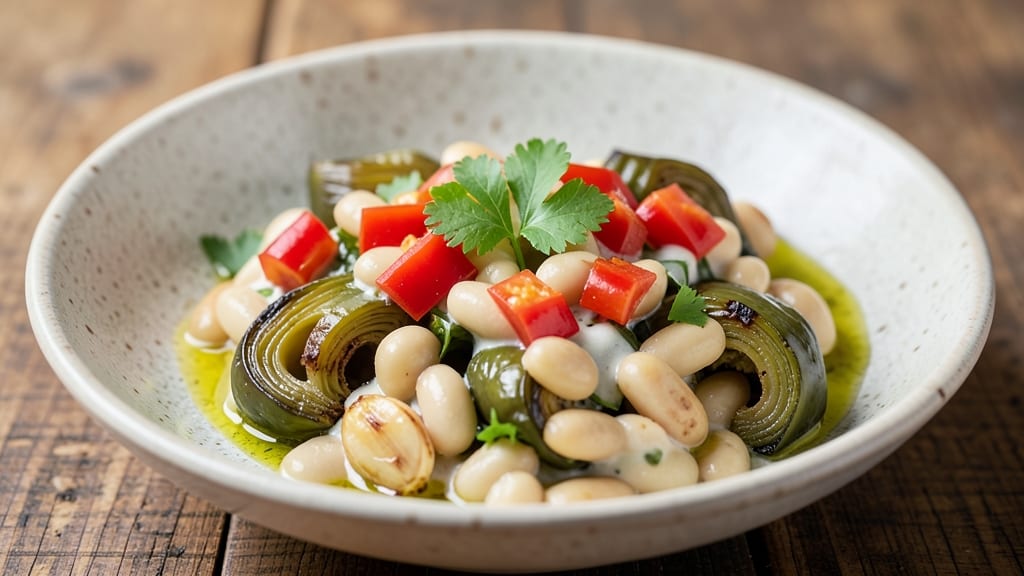
This white beans and artichoke hearts recipe transforms simple pantry staples into a vibrant, vegan dish bursting with Mediterranean flavor in just 25 minutes. The secret lies in balancing creamy beans with briny artichokes, brightened by lemon and garlic—no fancy techniques required.
I developed this after realizing how often canned artichokes and beans get overlooked in favor of fresh produce, yet they deliver restaurant-quality texture and depth when treated right.
The beauty of this dish is its versatility—serve it warm as a hearty soup, chilled as a salad, or even as a dip with crusty bread. Canned artichoke hearts need just a quick rinse and chop, while white beans (canned or simmered) form the creamy base.
The lemon-garlic dressing ties everything together, cutting through the richness while keeping the dish light and refreshing.
What you’ll end up with is a creamy yet bright medley where tender artichokes and beans shine, their flavors elevated by fresh herbs and a touch of olive oil. The dish is protein-packed, fiber-rich, and ready in under half an hour—perfect for weeknight dinners or meal prep.
The best part? It’s foolproof, with no risk of overcooking or bland flavors.
Pair it with grilled fish, crusty bread, or a simple green salad for a complete meal. Let’s get cooking—this recipe proves vegan dishes can be just as satisfying as their non-vegan counterparts, and it’s easier than you think.
Ingredients for white beans artichoke hearts
Pantry staples meet Mediterranean flair in this creamy, bright vegan dish.
| Ingredient | Amount | Notes |
|---|---|---|
| Canned Cannellini Beans 🥄 | 2 cups | Drained and rinsed well |
| Canned Artichoke Hearts 🍃 | 14 oz | Rinsed and quartered |
| Extra-Virgin Olive Oil 🫒 | ¼ cup | High-quality, fruity variety |
| Fresh Garlic Cloves 🧄 | 3 cloves | Minced finely for brightness |
| Fresh Lemon Juice 🍋 | ¼ cup | Freshly squeezed, strained |
| Fresh Parsley Leaves 🌿 | ¼ cup | Chopped finely for freshness |
| Vegetable Broth 💧 | 1 cup | Low-sodium preferred |
| Diamond Crystal Kosher Salt 🧂 | ½ tsp | Adjust to taste |
| Ground Black Pepper 🌶️ | ¼ tsp | Freshly cracked |
| Red Bell Pepper 🌶️ | ½ whole | Diced small for texture |
| Red Wine Vinegar 🍷 | 1 tbsp | For tangy depth |
| Fresh Basil Leaves 🌿 | ⅛ cup | Torn for garnish |
| Toasted Pine Nuts 🥜 | ¼ cup | Optional for crunch |
Canned artichokes and beans are the unsung heroes here. Trader Joe's and Whole Foods carry the best-quality canned artichokes—look for plump, firm hearts with no mushy spots. Cannellini beans are ideal for their creamy texture, but great northerns or chickpeas work too if that's what you've got. Fresh garlic and lemon are non-negotiable for that zesty punch, so grab the brightest garlic from the bulk section and a Meyer lemon if you can find one—they're sweeter and more fragrant. The red bell pepper adds a subtle sweetness that balances the briny artichokes perfectly, so pick one that's firm and vibrant.
No fresh herbs? Dried parsley or basil at one-third the amount will do in a pinch, though fresh always tastes better. Running low on red wine vinegar? Apple cider vinegar or balsamic works, though the flavor will shift slightly. Pine nuts giving you sticker shock? Toasted walnuts or pecans are cheaper and still delicious. If you're using jarred artichokes, give them a quick rinse to cut down on saltiness—some brands pack them with enough sodium to make the dish taste bland. The vegetable broth can be homemade or store-bought, but skip the ones with added garlic or onion if you want to control the flavor yourself.
This dish keeps beautifully in the fridge for 4-5 days, though it tastes best within the first two. The flavors meld and deepen over time, so it's perfect for meal prep. Store it in an airtight container with a splash of extra lemon juice on top to keep the artichokes bright. For longer storage, freeze portions for up to 3 months. I like to portion it into small jars—great for lunches or quick dinners. The pine nuts, if using, should be toasted fresh before adding, but you can also store them separately and sprinkle on top when serving.
Why You'll Love This Recipe
- No-Chop Necessary: I swear by this recipe when I’m too tired to chop anything. Just drain those cannellini beans and artichoke hearts, toss them into a pan with olive oil, and let the garlic sizzle—no knife required. The artichokes are already prepped, and the beans? Ready in seconds.
- Bright & Tangy Magic: That lemon juice and garlic combo? It’s the secret weapon. The acidity cuts through the richness of the olive oil, while the garlic adds a punchy, warm depth. Honestly, the first time I tasted this, I wondered why I’d ever made plain white beans before.
- Lunchbox or Dinner Plate: This dish works just as well cold in a mason jar for lunch as it does warm over crusty bread for dinner. I’ve even served it at potlucks—it’s hearty enough to stand alone but fancy enough to feel special. (Yes, even on a Tuesday night.)
- Pantry Goldmine: Between us, this recipe is my go-to when I’m broke or lazy—or both. Cannellini beans and artichoke hearts last forever, and the other ingredients? Basic staples. I’ve made three batches this month already, and the leftovers? Just as good the next day.
Step-by-step instructions for white beans and artichoke hearts with lemon-garlic brightness
This dish comes together faster than you'd think—bright, herby, and packed with Mediterranean flair.
Sauté the Garlic and Bell Pepper Foundation
Heat the 0.25 cup extra-virgin olive oil in a large skillet over medium heat. Add the 0.5 whole red bell pepper, diced into small pieces, and cook for 4-5 minutes until the edges begin to soften and the color deepens slightly. You're not looking for caramelization here—just enough to mellow the pepper's sharpness.
Push the pepper to one side of the pan and add the 3 cloves fresh garlic cloves, minced finely. Stir for 30 seconds until the garlic becomes fragrant but doesn't brown—burnt garlic will make the whole dish bitter. Here's the thing: if the garlic starts to sizzle too aggressively, immediately reduce the heat to medium-low and keep stirring. This aromatic base is the soul of the dish.
Build the Flavor Layers with Broth and Vinegar
Pour in the 1 cup vegetable broth and 1 tablespoon red wine vinegar, scraping up any browned bits from the bottom of the pan with a wooden spoon. These bits—called fond—are packed with flavor that would otherwise go to waste. Let the mixture simmer gently for 3-4 minutes until it reduces by about ¼, thickening slightly and developing a glossy sheen.
Now add the 2 cups canned cannellini beans, drained and rinsed well, and the 14 oz canned artichoke hearts, rinsed and quartered. Stir gently to combine, letting the beans and artichokes absorb the flavorful broth. The artichokes should be fully submerged, but don't worry if they're not—any exposed pieces will soften as they cook. This is where the magic happens: the beans will begin to plump slightly as they warm through.
Finish with Bright Acid and Fresh Herbs
Remove the skillet from heat and stir in the 0.25 cup fresh lemon juice and 0.5 tsp diamond crystal kosher salt. The lemon juice will brighten everything, cutting through the richness of the olive oil and beans. Taste at this stage—you should notice a vibrant balance of acidity, salt, and the earthy notes from the garlic and bell pepper. If it needs more salt, add a pinch more now.
Next, fold in the 0.25 cup fresh parsley leaves, chopped finely, and 0.125 cup fresh basil leaves, torn by hand. The parsley adds a fresh, slightly peppery note, while the basil contributes a sweet, aromatic depth. Stir just until the herbs are evenly distributed—overmixing will bruise the leaves and make them bitter. The dish should look vibrant, with the green herbs contrasting beautifully against the creamy beans and artichokes.
Optional Crunch and Final Adjustments
For texture contrast, sprinkle the 0.25 cup toasted pine nuts over the top just before serving. Toast them in a dry skillet over medium heat for 2-3 minutes, stirring constantly, until they're golden and fragrant. Watch them closely—they burn quickly. The pine nuts add a delicate crunch that balances the creamy beans and tender artichokes.
Taste again and adjust the seasoning if needed. You might want to add a pinch more ground black pepper or a splash of lemon juice to brighten the flavors further. The dish should be harmonious but still feel vibrant—like a summer day on the Mediterranean coast. Serve immediately while the beans are warm and the herbs are at their peak freshness.
Pro Tips For Making White Beans Artichoke Hearts
- Drain and Rinse Beans: Skip the rinse if you like saltiness, but if your canned beans taste like a science experiment, give them a quick rinse under cold water. I learned this the hard way—overly salty beans ruin the balance, and no amount of lemon can fix it.
- Chop Artichokes Roughly: Quarter those artichoke hearts instead of slicing them thin—big chunks hold up better when simmering and actually taste more substantial. Thin slices turn mushy, and nobody wants sad, limp artichokes in their dish.
- Sauté Garlic Low and Slow: After crushing the garlic, cook it on medium-low heat until it’s golden, not browned. I used to rush this and ended up with bitter, burnt flavor—now I wait, and the dish tastes like it’s from a Mediterranean bistro, not a rushed weeknight.
- Finish with Lemon Zest: Toss in a strip of lemon zest at the end—it brightens the whole dish without adding extra moisture or altering the texture. Sounds weird, but it works: the citrus aroma lifts the beans and artichokes like a secret handshake. (Yes, even if you’re impatient like me.)
Serving suggestions for this white beans artichoke hearts
Warm Bread Pairing
This dish practically begs for a slice of warm, crusty bread to soak up all the creamy goodness. I love using a freshly baked baguette or sourdough loaf—the crispy crust contrasts perfectly with the silky beans and tender artichokes.
For extra flair, brush the bread with garlic-infused olive oil and sprinkle with flaky sea salt before serving. The toasted bread adds a satisfying crunch that balances the dish's creaminess. 🥖
Protein Boosters
To turn this into a complete meal, add a grilled lemon-herb chicken breast or pan-seared white fish like cod or halibut. The protein pairs beautifully with the dish's bright, herby flavors.
For a fully vegan option, top with marinated tofu cubes or crispy chickpeas for extra texture. I often serve it with a simple side salad to round out the plate.
Cheese Elevation
If you're not vegan, consider adding a sprinkle of shaved Parmesan or feta cheese just before serving. The salty, tangy notes complement the lemon and garlic beautifully.
For a Mediterranean twist, use crumbled feta and drizzle with a little extra-virgin olive oil. The cheese adds richness without overpowering the dish's natural flavors.
Dinner Party Plating
For a restaurant-worthy presentation, serve the dish in a shallow bowl or white ceramic platter to highlight its vibrant colors. Garnish with fresh basil leaves, a drizzle of olive oil, and a sprinkle of toasted pine nuts for visual appeal.
Serve with a simple arugula salad on the side and a crisp white wine like Sauvignon Blanc to complete the experience. ✨
Meal Prep Serving
When prepping for the week, portion the dish into glass meal prep containers with a small compartment for toppings like pine nuts or extra herbs.
Store the dish in the fridge for up to 4 days, and reheat gently on the stovetop with a splash of water or broth to maintain texture. Serve with whole-grain crackers or warm pita bread for a quick, satisfying meal.
Dessert Contrast
End your meal with something light to balance the dish's richness. A citrus sorbet or lemon olive oil cake complements the bright lemon and garlic flavors beautifully. For a savory finish, offer dark chocolate-dipped strawberries or almond biscotti to cleanse the palate.
The contrast between the creamy, herby dish and a sweet or crunchy dessert makes the meal feel complete. 🍋
Nutrition facts
Frequently asked questions
Can I use dried white beans instead of canned?
Yes, but plan ahead! Dried cannellini beans need 1-2 hours of soaking (or overnight) before simmering for 45-60 minutes until tender. For this recipe, use 1 cup dried beans (about 2 cups cooked) and adjust the broth to 1.5 cups to maintain the creamy texture. The flavor will be even richer, but it takes more time.
How do I prepare jarred artichoke hearts for this dish?
Rinse them thoroughly under cold water to remove excess sodium and brine. Quarter each heart and pat dry with a paper towel to prevent a watery texture. For extra flavor, lightly sauté the artichokes in 1 tablespoon olive oil for 2-3 minutes before adding them to the dish. This step deepens their natural nuttiness and removes any remaining bitterness.
Can I make this ahead of time?
This dish actually tastes better the next day as flavors meld. Store in an airtight container in the fridge for up to 4 days. Reheat gently on the stovetop with 1-2 tablespoons of water or broth to maintain creaminess. For best texture, add fresh herbs and a squeeze of lemon just before serving to keep everything vibrant.
What if I don't have red wine vinegar?
No problem! Substitute with apple cider vinegar or lemon juice (use 1.5 tablespoons extra lemon juice instead). For a different flavor profile, try balsamic vinegar (reduce to ½ tablespoon as it's stronger). The key is acidity—just ensure your substitution adds brightness to balance the dish's richness.
Why did my artichoke hearts turn mushy?
Overcooking is the most likely culprit. Artichoke hearts cook quickly—just 2-3 minutes in the pan is enough to warm them through. If using canned hearts, ensure they're fully drained and patted dry before adding. For extra protection, add them to the pan only in the last 2 minutes of cooking. The lemon juice also helps preserve their texture, so don't skip that step!