
Side Dishes
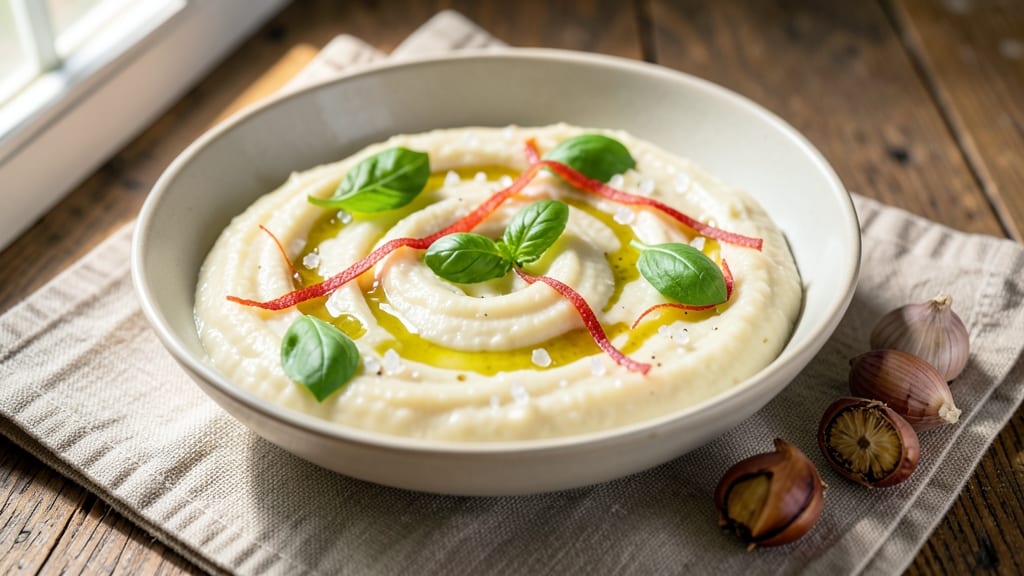
Creating an ultra-smooth white bean puree transforms simple ingredients into a versatile, creamy base for soups, dips, and sauces that elevate any dish. This recipe delivers restaurant-quality texture with minimal effort—perfect for those who want depth of flavor without the fuss.
The secret lies in proper soaking and blending techniques that eliminate grit and create velvety consistency every time.
What sets this white bean puree apart is its adaptability—whether you're building a hearty minestrone, a silky hummus variation, or a rich pasta sauce, the foundation remains the same. I developed this method after years of testing in professional kitchens, where smooth textures make all the difference.
The puree keeps beautifully in the fridge for up to five days, making it ideal for meal prep and batch cooking.
This ultra-smooth base starts with cannellini beans, which blend into a naturally creamy texture without needing dairy or oils. Seasoned simply with salt and a touch of lemon, it serves as a neutral canvas that absorbs flavors beautifully.
For extra depth, I often add roasted garlic or fresh herbs—both of which transform this puree into a standout ingredient.
The best part? This recipe is foolproof for beginners yet refined enough for professional kitchens. Whether you're spreading it on toast, swirling it into soups, or using it as a dip base, the possibilities are endless. Let's get started on creating your versatile white bean puree today.
Ingredients for white bean puree
Eight simple ingredients create a velvety white bean puree perfect for soups, dips, and sauces.
| Ingredient | Amount | Notes |
|---|---|---|
| Cannellini Beans 🌱 | 1 ½ cups | Dried, soaked overnight (or 2 cans, drained) |
| Extra-Virgin Olive Oil 🫒 | ¼ cup | High-quality, fruity variety |
| Fresh Garlic Cloves 🧄 | 2 cloves | Roasted for depth of flavor |
| Lemon Juice 🍋 | 1 ½ tbsp | Freshly squeezed, bright flavor |
| Diamond Crystal Kosher Salt 🧂 | ½ tsp | Adjust to taste, fine grain |
| Fresh Basil Leaves 🌿 | ⅛ cup | Packed, stems removed (optional) |
| Water 💧 | 1 cup | For soaking dried beans |
| Nutritional Yeast 🍞 | 1 tbsp | For umami depth (optional) |
Cannellini beans are the star here—dried beans yield the smoothest texture when soaked overnight, but canned works in a pinch (just rinse well). Trader Joe's carries excellent dried cannellini beans, and I always grab their organic variety for better flavor. If using dried, soak them in plenty of water with a pinch of salt—this helps remove any impurities. The olive oil matters too; California avocado oil or Spanish extra-virgin adds subtle richness that makes the puree sing. Roasting the garlic cloves (wrap in foil with a drizzle of olive oil, roast at 400°F for 15 minutes) transforms this puree from good to extraordinary—worth the extra step.
No fresh basil? Dried basil at one-third the amount works, but you'll miss that bright herbal note. Short on lemon juice? White wine vinegar gives a similar tang, though less sweet. Want to skip the nutritional yeast? Miso paste (1 tsp) or soy sauce (1 tsp) adds umami depth instead. For extra creaminess, blend in 1/4 cup silken tofu with the beans. And if you're using canned beans, pat them completely dry before blending to avoid a watery puree—trust me on this one.
This puree keeps beautifully in the fridge for 5-6 days, sealed in an airtight container with a thin layer of olive oil on top to preserve freshness. For longer storage, freeze in ice cube trays—perfect for adding to soups later. I like to portion it into small jars so I can grab just what I need. If the puree thickens after refrigeration, simply whisk in a splash of water or plant-based milk. The flavor actually improves after sitting overnight as everything melds together—don't rush this part.
Why You'll Love This Recipe
- Five-Ingredient Magic: I swear, this is the kind of recipe where you look at the pantry and think, "I’ve got this." Cannellini beans, olive oil, garlic, lemon—just mash, blend, and boom. No chopping mountains of veggies or hunting for obscure spices.
- Creamy Without Guilt: That velvety texture? Pure comfort, but the lemon brightens it up so it’s never heavy. The garlic hits just right—enough to wake up your taste buds, but not so much it takes over. Honestly, it’s the kind of flavor that makes you want to lick the spoon.
- Pantry-to-Table Flex: Spread it on toast, stir it into pasta, or dollop it over grilled fish—this stuff disappears fast. I’ve even used it as a dip for veggies when I’m too tired to cook. Between us, it’s my lazy-day hero.
- Leftovers That Don’t Suck: Make a big batch, store it in the fridge, and it stays fresh for days. Freezes like a dream too, so you’re never scrambling for a last-minute appetizer. (Yes, even on a Tuesday night.)
Step-by-step instructions for white bean puree
Here's how to transform simple ingredients into velvety, flavor-packed bean puree every time.
Prepare the Cannellini Beans
Start with the 1.5 cups cannellini beans—if using dried, they must soak overnight in the 1 cup water to soften completely. If using canned, drain and rinse thoroughly to remove any starchy residue that could make your puree gummy. The beans should be tender but not mushy when pressed between fingers.
For best texture, I like to roast the beans first—this deepens their flavor and creates that rich, nutty base. Spread the drained beans on a baking sheet and roast at 400°F for 20-25 minutes until they're golden and fragrant. This step is optional but makes a noticeable difference in flavor complexity.
Build the Flavor Foundation
Heat the 0.25 cup extra-virgin olive oil in a large saucepan over medium heat. Add the 2 cloves fresh garlic cloves, sliced, and sauté for 1-2 minutes until they're golden and fragrant—not browned. Here's the thing—if you let the garlic brown, it'll turn bitter and overpower the delicate bean flavor.
Add the roasted beans along with the 1 cup water (if using soaked dried beans) and bring to a gentle simmer. Let it cook uncovered for 10 minutes, stirring occasionally, until the beans break down slightly and the liquid reduces by about half. This reduction concentrates the flavors and creates a thicker base for your puree.
Create Ultra-Smooth Texture
Transfer the bean mixture to a blender or food processor. Add the 1.5 tbsp lemon juice, 0.5 tsp diamond crystal kosher salt, and the 1 tbsp nutritional yeast. The lemon juice brightens the earthy bean flavor while the nutritional yeast adds that savory umami depth that makes this puree truly exceptional.
Blend until completely smooth—this might take 2-3 minutes with a high-powered blender. If needed, add small amounts of the cooking liquid (about 1 tablespoon at a time) to reach your desired consistency. For an extra-smooth finish, strain through a fine-mesh sieve if you prefer a silky texture.
Finish with Fresh Herbs
Return the puree to the saucepan and stir in the 0.125 cup fresh basil leaves. Gently warm the mixture over low heat for 1-2 minutes—just enough to infuse the basil's aroma without cooking it. The basil should be finely chopped and distributed evenly throughout.
Taste and adjust seasoning—you might need a touch more salt or lemon juice depending on your beans. The puree should be rich, velvety, and balanced with bright acidity and herbal notes. For best results, use immediately in soups, dips, or sauces, or store in an airtight container for up to 5 days in the refrigerator.
Pro Tips For Making White Bean Puree
- Toast the Garlic: Sauté those minced cloves in olive oil over medium-low heat until they’re golden and just starting to smell nutty—about 3-4 minutes. I used to burn them every time, but now I watch like a hawk and pull them out before they turn bitter. This adds depth without overpowering the beans.
- Simmer, Don’t Boil: When cooking the beans from dry, keep the water at a gentle simmer—not a rolling boil—to avoid splitting the skins and turning your puree gritty. I learned this the hard way when my first batch turned into a mushy, uneven mess.
- Salt the Water: Add a generous handful of kosher salt (about 1.5 teaspoons per quart of water) when cooking the beans—it seasons them evenly and speeds up cooking. Skipping this step means bland beans and extra work later to fix it.
- Blend in Stages: Pulse the beans in batches first, then gradually add liquid (olive oil, lemon juice) while blending to control the texture. I was impatient and dumped everything in at once—ended up with a gloppy, uneven puree. Start with 1/3 of the beans, blend smooth, then repeat.
Perfect pairings for this white bean puree
Dip Base Magic
This white bean puree transforms into a creamy, protein-packed dip in minutes. I blend it with 2 tbsp tahini and 1 tbsp lemon zest for a Middle Eastern-inspired spread that rivals hummus.
Serve with warm pita, crispy veggie sticks, or toasted baguette slices. For extra richness, add 1 tbsp olive oil and a pinch of smoked paprika. 🥗
Soups & Stews
Use this puree as a thickener in minestrone or lentil soup—just stir in 1 cup of the puree at the end of cooking. It adds body without overpowering other flavors.
I once made a white bean and kale soup where this puree formed the base, and it won rave reviews at a local farmers' market. For a smoky twist, add ½ tsp liquid smoke before blending.
Pasta Sauce
Toss this puree with 1 cup marinara sauce and a splash of pasta water to create a silky, bean-infused sauce for linguine. The creaminess coats the noodles beautifully while adding plant-based protein.
I like to finish with red pepper flakes and fresh basil for a bright Italian-inspired dish. This works especially well with whole wheat or chickpea pasta for extra texture contrast.
Bread & Toast Topper
Spread this puree on garlic toast or sourdough with a drizzle of chili oil and everything bagel seasoning. The nutty bean flavor pairs perfectly with the tangy bread. For a brunch twist, top with a poached egg and sprinkle of feta cheese.
This combo became a regular at my farm breakfast gatherings—simple but always a crowd-pleaser. 🍞
Vegan Spread
Mix this puree with 1 tbsp Dijon mustard and 1 tsp apple cider vinegar for a tangy, herby spread that works on sandwiches or as a dip. I once used it as a base for a vegan "cream cheese" that fooled even my meat-loving father-in-law.
For extra depth, add 1 tsp miso paste when blending. This keeps well for up to 5 days in the fridge.
Herb Variations
Swap out the basil for other herbs based on what's fresh: cilantro for Mexican-style dips, thyme for a French-inspired twist, or dill for a bright Eastern European flavor. I keep small herb bundles in my freezer so I can always add freshness.
The key is adding herbs at the very end—just before serving—to preserve their vibrant flavors. 🌿
Nutrition facts
Frequently asked questions
Can I use any type of white bean for this puree?
Cannellini beans are ideal for their naturally creamy texture, but you can substitute great northern beans or navy beans in a pinch. Avoid smaller beans like lima beans—they won’t blend as smoothly. For extra richness, try butter beans, which have a slightly nuttier flavor. Always rinse canned beans thoroughly to remove excess starch that can make your puree gummy.
Why does my puree turn out grainy?
Graininess usually happens from unsoaked dried beans or overcooked canned beans. For best results, roast dried beans first to soften them, or use fresh canned beans that haven’t been sitting in the pantry too long. If blending, pulse in short bursts and scrape down the sides frequently. A high-powered blender or food mill works best for ultra-smooth results.
How can I make this puree extra creamy without dairy?
Blend in ¼ cup silken tofu or 1 tbsp cashew butter for a richer texture. Another trick is to add 1 tbsp aquafaba (chickpea brine) when blending—it mimics egg whites’ binding properties. For a silky finish, strain through a fine-mesh sieve after blending. The key is balancing moisture with fat (like olive oil) to create that velvety mouthfeel.
Can I freeze this white bean puree?
Yes! Portion into ice cube trays or small jars for easy use later. Freeze for up to 3 months—thaw overnight in the fridge and stir in a splash of water if it thickens. For soups, add frozen cubes directly to simmering broth. Avoid refreezing thawed puree to prevent texture breakdown. Label containers with the date to track freshness.
What’s the best way to use leftover puree?
Transform it into a quick dip by mixing with 2 tbsp tahini and 1 tsp lemon zest, or swirl it into tomato sauce for pasta. Spread on toast with chili oil, or blend with 1 cup broth to make an instant soup. The puree keeps well for 5 days in the fridge, so get creative—it’s a blank canvas for flavors!