
Main Courses
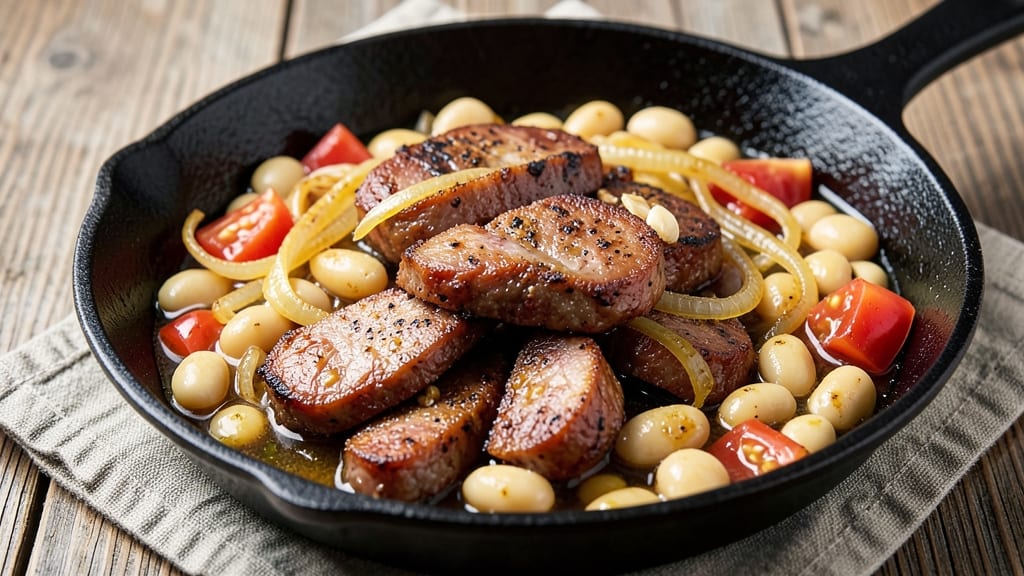
A white bean and smoked sausage skillet recipe transforms humble pantry staples into a restaurant-worthy meal with just one pan and 30 minutes of hands-on time.
The secret lies in browning the sausage until crispy—those caramelized edges add depth that canned heat can't match—and letting the flavors meld while the beans simmer into creamy perfection.
I first made this during a particularly busy week when I needed dinner to feel special without requiring extra effort, and it's been my go-to ever since.
This dish balances textures beautifully: tender smoked sausage, velvety white beans, and crispy edges from the skillet all come together in a way that feels both comforting and elevated. The technique is straightforward—sauté, deglaze, simmer—but the result is anything but basic.
I use cannellini beans for their buttery texture, but any white bean will work. The key is letting everything cook together just long enough for the flavors to develop without turning the beans mushy.
By the time you're done, you'll have a skillet full of smoky, spiced goodness that's ready to serve with crusty bread for soaking up every last bit of that rich, savory sauce.
The aroma alone will have everyone gathering around the table, and the first bite delivers on that promise of restaurant-quality comfort food. This is the kind of meal that turns a regular weeknight into something memorable.
Pair it with a simple arugula salad dressed in lemon vinaigrette or roasted green beans for a well-rounded plate. The leftovers reheat beautifully too, making this an ideal recipe for busy schedules. Let's get cooking—your taste buds will thank you.
Ingredients for white bean and smoked sausage skillet
Pantry staples and one special ingredient create this smoky, comforting skillet masterpiece.
| Ingredient | Amount | Notes |
|---|---|---|
| Smoked Sausage 🌭 | 1 lb | Italian or kielbasa variety preferred |
| Cannellini Beans 🍲 | 2 cups | Drained and rinsed, canned or cooked |
| Yellow Onion 🧅 | 1 whole | Medium size, diced small |
| Garlic Cloves 🧄 | 4 cloves | Minced finely for flavor |
| Diced Tomatoes 🍅 | 1 cup | Canned, fire-roasted preferred |
| Chicken Broth 💧 | 1 cup | Low-sodium preferred |
| Extra-Virgin Olive Oil 🫒 | 2 tbsp | For crispy sausage |
| Dried Thyme 🌿 | 1 tsp | Or 1 tbsp fresh thyme |
| Smoked Paprika 🌶️ | 1 tsp | For smoky depth |
| Ground Black Pepper 🌶️ | ½ tsp | Freshly cracked |
| Sea Salt 🧂 | 1 tsp | Adjust to taste |
| Crusty Bread 🍞 | 4 slices | For serving |
| Fresh Parsley 🌿 | ¼ cup | Chopped, for garnish |
| Lemon Juice 🍋 | 1 tbsp | Brightens flavors |
The sausage is the star here. Kielbasa or Italian smoked sausage from the butcher section at Whole Foods or your local grocer delivers the best flavor—avoid pre-cooked versions that taste bland. If you can't find smoked sausage, chorizo or andouille work in a pinch, but the smokiness is what makes this dish sing. Look for sausages with visible fat marbling; that's where the flavor hides. The cannellini beans? Great Northern or navy beans also work, but cannellini have that buttery texture that makes this dish feel special. I always grab the no-salt-added canned beans from the store—just rinse them well to remove any residual sodium.
No smoked sausage? Substitute with crispy bacon (render the fat first) or even grilled chicken sausage if that's what you've got. The thyme can be swapped for rosemary at half the amount, but thyme's earthy notes pair perfectly with the smokiness. Running low on canned tomatoes? Tomato paste thinned with broth works too—just add a splash of water or broth to loosen it up. Fresh parsley is ideal for garnish, but dried parsley at one-third the amount will do in a bind. The lemon juice might seem small, but it cuts through the richness and brightens everything up—don't skip it.
This skillet reheats like a dream—honestly, it tastes even better the next day once all the flavors have time to meld together. Store leftovers in an airtight container in the fridge for up to 4 days, or freeze portions for 3 months. I like to portion mine into individual containers so I can grab a quick lunch during the week. The bread? Toast it fresh before serving—those crispy edges soak up the sauce perfectly. If you make extra, freeze the sauce separately and reheat it with a splash of broth to loosen it up.
Why You'll Love This Recipe
- One-Pan Magic: I swear by this recipe—just slice the sausage, chop the onion (no fancy dice needed), toss it all in one skillet, and let it simmer. The beans soften while the sausage renders its smoky goodness right into the pan. No pots, no mess, no stress.
- Smoky-Sweet Crunch: That crispy skin on the sausage? The way the garlic cloves sizzle into caramelized bits? And when you add those juicy diced tomatoes at the end—it’s like a flavor explosion. Honestly, the first bite makes me want to skip dessert.
- Lunchbox Hero: Between us, this is my go-to for meal prep. Cook a big batch on Sunday, and I’ve got hearty lunches for the week. Pack it cold or reheat it—it’s just as good the next day, especially with a sprinkle of fresh parsley. My kids even eat it straight from the fridge.
- Budget Win: Cannellini beans and smoked sausage stretch this dish into a full meal without breaking the bank. I make it twice a month, and it’s always the first thing gone from the fridge. Plus, the leftovers? They taste even better the second time around.
Step-by-step instructions for white bean and smoked sausage skillet
Here's how to create a hearty, flavorful skillet that brings together smoky sausage and creamy white beans.
Sauté the Sausage Until Browned
Heat a large cast-iron or oven-safe skillet over medium-high heat. Add the 2 tablespoons extra-virgin olive oil and let it get hot for about 1 minute—you'll see it shimmering. Add the 1 lb smoked sausage, cut into ½-inch slices, and let it cook undisturbed for 3-4 minutes until the outside develops a deep golden-brown crust.
Here's the thing—don't stir too soon. You want that first side to get crispy before you turn it. Once the sausage has browned on one side, gently flip each piece and cook for another 2-3 minutes until evenly browned. Remove the sausage from the skillet and set it aside on a plate. The rendered fat in the pan will become the flavor base for everything else.
Build the Flavor Base with Onions and Garlic
In the same skillet (no need to wipe it clean—those browned bits are pure flavor), add the 1 whole yellow onion, diced small. Cook over medium heat for 5-6 minutes, stirring occasionally, until the onions soften and begin to caramelize at the edges. You'll know they're ready when they turn translucent and smell sweet.
Add the 4 cloves garlic cloves, minced finely, and cook for another 30 seconds until fragrant. Here's where it gets fun—stir in the 1 teaspoon smoked paprika and 1 teaspoon dried thyme, letting the spices toast in the pan for 15 seconds. This step deepens their flavor and creates that smoky aroma that ties everything together.
Simmer the Beans and Tomatoes
Pour in the 2 cups cannellini beans (drained and rinsed) and the 1 cup diced tomatoes. Stir to combine, then add the 1 cup chicken broth, 1 teaspoon sea salt, and ½ teaspoon ground black pepper. Bring the mixture to a gentle simmer over medium heat, then reduce the heat to low. Let it cook for 8-10 minutes, stirring occasionally, until the liquid reduces slightly and the flavors meld together.
Here's the moment that matters: Taste the mixture and adjust the seasoning if needed. If it tastes a bit flat, add a pinch more salt or a splash of lemon juice to brighten it up. The beans should be heated through, and the tomatoes should have softened slightly. If the mixture looks too thick, add 2-3 tablespoons of water to loosen it.
Finish with Sausage and Fresh Herbs
Return the browned sausage to the skillet and stir everything together. Let the mixture simmer for another 3-4 minutes so the sausage can soak up all those delicious flavors. The skillet should be bubbling gently, and the sausage should be heated through.
Remove the skillet from heat and stir in the ¼ cup fresh parsley, chopped, and the 1 tablespoon lemon juice. The lemon juice adds a bright, fresh contrast to the smoky, savory flavors. Taste again and adjust the seasoning one last time if needed. The dish should be rich, smoky, and slightly tangy.
Serve with Crusty Bread
Transfer the skillet to the table (if it's oven-safe) or serve it from the stovetop. Ladle the white bean and smoked sausage mixture into bowls, and serve each portion with 1 slice of crusty bread on the side. The bread is perfect for soaking up any extra sauce or broth.
Real talk: This dish tastes even better the next day, as the flavors continue to meld. If you have leftovers, store them in an airtight container in the refrigerator for up to 3 days. Reheat gently on the stovetop with a splash of water or broth to keep it moist. Enjoy your smoky-spiced one-pan harmony!
Pro Tips For Making White Bean And Smoked Sausage Skillet
- CRISP THE SAUSAGE FIRST: Slice the smoked sausage thin and cook it in a dry skillet over medium-high heat for 3-4 minutes before adding anything else. That’s when the fat renders cleanly and the edges get crisp—no soggy, greasy mess later. (Yes, even if you’re impatient like me, resist the urge to rush this.)
- SOAK BEANS IF USING DRY: Skip the overnight soak if you’re using canned beans, but if you’re starting from dry cannellini, give them a 1-hour soak in warm water. The beans won’t split as much when cooking, and the texture stays creamy—not mushy. (I learned this the hard way after a batch turned into a sad, grainy purée.)
- SWAP TOMATOES FOR SAUCE: Diced tomatoes add bulk but can make the skillet watery. Use ½ cup crushed tomatoes plus ½ cup tomato sauce instead—it concentrates the flavor without thinning the dish. (Your future self will thank you when you’re not fishing for beans in a soup.)
- LOW AND SLOW AT THE END: Once everything’s in the skillet, drop the heat to low and let it simmer uncovered for 10 minutes. This lets the onions caramelize just enough without burning, and the garlic gets deep, toasty notes instead of bitter. (Sounds weird, but it works—trust the process.)
Perfect pairings for this recipe
Crusty Bread Pairing
This skillet is made for crusty bread—I mean, it practically begs for it. Grab a baguette from New Seasons Market or your local bakery and slice it thick. The crispy exterior soaks up the smoky bean sauce like a dream while the soft interior melts into the first bite.
For extra flair, brush the bread with garlic-infused olive oil before serving. 🍞
Bright Greens Salad
A simple arugula salad with lemon vinaigrette cuts through the richness perfectly. Toss 4 cups baby arugula with 2 tbsp extra-virgin olive oil, 1 tbsp fresh lemon juice, and a pinch of sea salt.
Add ¼ cup shaved Parmesan cheese for a salty contrast. The peppery greens balance the smoky sausage beautifully.
Roasted Vegetable Sides
For a heartier plate, roast zucchini and cherry tomatoes with 1 tbsp olive oil, ½ tsp dried oregano, and sea salt until tender. Toss them in a hot skillet for 8-10 minutes until caramelized.
The sweetness complements the smoky beans without overpowering them. I often roast these while the skillet simmers—multitasking at its finest!
Creamy Polenta
If you want something richer, serve this skillet over creamy polenta. Cook 1 cup polenta with 4 cups chicken broth and 1 tbsp butter until thick and smooth.
The mild, buttery texture makes the smoky sausage shine even more. Top with extra parsley and a drizzle of hot honey for a touch of sweetness.
Wine Pairings
A crisp Italian white wine like Vermentino or Pinot Grigio cleanses your palate between bites. The acidity in these wines cuts through the richness of the sausage and beans. For red lovers, a Chianti or Sangiovese adds earthy notes that complement the smoked paprika.
I always keep a bottle of Pinot Grigio from Oregon on hand—it’s my go-to for this dish. 🍷
Beer Pairing
A light lager like Peroni or Heineken works wonders here. The crisp, clean profile lets the smoky flavors of the sausage and paprika take center stage. For something more adventurous, try a Belgian witbier like Hoegaarden—the citrusy notes in the beer mirror the lemon juice in the dish.
Just avoid heavy stouts or IPAs, which can overpower the delicate balance. 🍺
Nutrition facts
Frequently asked questions
Can I use dried white beans instead of canned?
Yes, but you'll need to soak them first! Use 1 cup dried white beans (about 3 cups cooked yield) and soak overnight in plenty of water. Drain, rinse, then add them directly to the skillet when you're ready to simmer with the tomatoes and broth. Cooking time will be slightly longer—about 20-25 minutes—until the beans are tender.
What if I don't have smoked sausage?
No problem! Try chorizo for extra spice or Italian sausage for a milder flavor. For a non-meat version, use crispy baked tofu or smoked tempeh (cut into strips and pan-fried until browned). The key is getting that crispy texture to add depth to the dish.
How do I prevent the beans from getting mushy?
Keep the heat low after adding the beans—medium-low is ideal. Stir occasionally and avoid overcrowding the pan. If the mixture looks too thick, add 2-3 tablespoons broth or water instead of letting it reduce too much. The beans should stay firm but tender, not falling apart.
Can I make this dish ahead of time?
This skillet actually tastes better the next day as flavors meld. Store leftovers in an airtight container in the fridge for up to 4 days. Reheat gently on the stovetop with a splash of broth or water to keep it moist. For freezing, portion into individual containers and freeze for up to 3 months.
What's the best way to crisp up the sausage?
Patience is key! Cook the sausage in batches if needed to avoid crowding the pan. Let each piece develop a deep golden-brown crust on one side before flipping. A cast-iron skillet works best for even heat distribution. If your sausage isn't getting crispy enough, increase heat to medium-high and cook undisturbed for 4-5 minutes per side.