
Sauces & Condiments
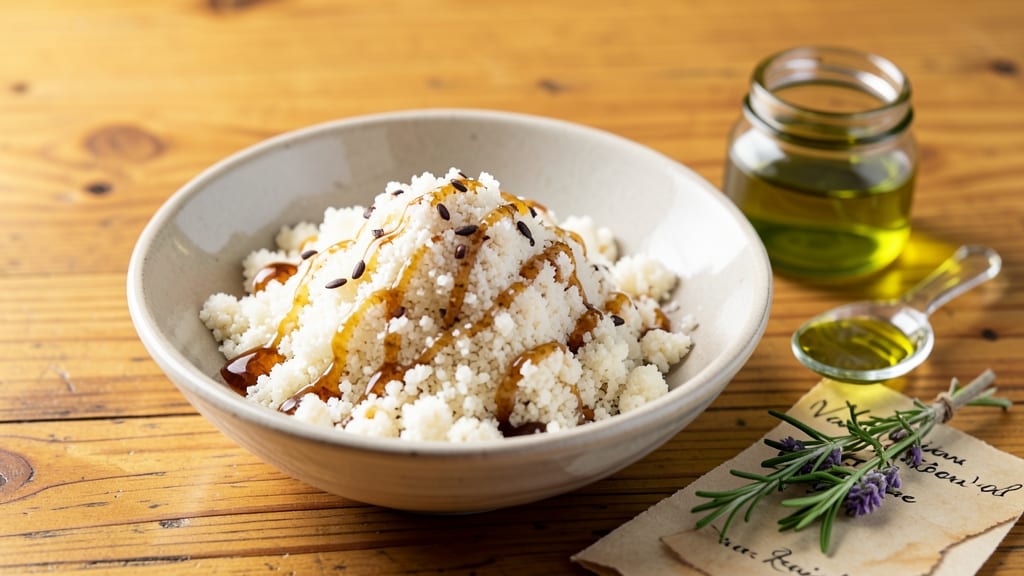
Transforming simple sugar into aromatic vanilla bean sugar is one of those kitchen magic tricks that elevates everything it touches. This vanilla bean sugar recipe turns basic baking and coffee into gourmet experiences with minimal effort—just sugar, vanilla beans, and time.
The process is straightforward, but the results are undeniably luxurious, adding depth to both sweet and savory dishes.
The beauty of this method lies in its simplicity: no special equipment, no complicated steps, just pure vanilla flavor infused directly into the sugar. A single vanilla bean yields enough sugar to sweeten coffee, enhance desserts, or even brighten cocktails for weeks.
What makes it truly special is how versatile it is—whether you're baking a cake, stirring it into iced tea, or sprinkling it over fresh fruit, the vanilla essence enhances every bite.
By the end of just 10 minutes of active prep (plus a 24-hour infusion for maximum flavor), you'll have a jar of golden, fragrant sugar that tastes like a professional pastry chef's secret.
The vanilla compounds develop fully over time, creating a rich, complex sweetness that store-bought extracts simply can't match. Store it in an airtight container, and it'll keep its potency for months.
This isn't just a condiment—it's a flavor multiplier that transforms ordinary recipes into extraordinary ones. Perfect for coffee lovers, bakers, and anyone who appreciates the difference between good and exceptional sweetness. Let's get started with the exact method that guarantees professional results every time.
Ingredients for vanilla bean sugar
Three ingredients transform ordinary sugar into aromatic vanilla bean sugar for gourmet baking and coffee.
| Ingredient | Amount | Notes |
|---|---|---|
| Granulated White Sugar 🍚 | 2 cups | Fine grain preferred for even infusion |
| Vanilla Beans 🌿 | 2 whole | Madagascar or Tahitian preferred |
| Extra-Virgin Olive Oil 🫒 | 1 tsp | Optional, enhances vanilla extraction |
The quality of your vanilla beans makes all the difference. Madagascar beans offer a classic, floral profile, while Tahitian varieties deliver a fruity, bold character—both are available at specialty grocers like Whole Foods Market or Williams Sonoma. Look for plump, moist beans with deep color and no cracks; these indicate peak freshness. The sugar should be fine-grained granulated sugar to maximize surface area for infusion. Domino or C&H brands are reliable choices, but avoid powdered sugar as it lacks the necessary texture for proper vanilla absorption. For an extra layer of depth, a touch of extra-virgin olive oil helps disperse the vanilla compounds more effectively, though it's entirely optional.
No vanilla beans on hand? High-quality vanilla extract can be used as a substitute, though the infusion method yields superior results. If you must substitute, use 1 teaspoon pure vanilla extract per 2 cups sugar, but mix it thoroughly to avoid clumping. For those with dietary restrictions, ensure your vanilla beans are organic and non-GMO—Nike or House of Vanilla brands meet these standards. The olive oil, if used, should be lightly flavored to avoid overpowering the delicate vanilla aroma. If you're working with a single bean, split it lengthwise to expose more surface area for infusion, though two whole beans will yield a more robust flavor profile.
Store your vanilla bean sugar in an airtight glass jar with the vanilla pod intact for up to 6 months—the longer it infuses, the more complex the flavor becomes. Keep it in a cool, dark place to preserve potency. For best results, use within 3 months of preparation to enjoy peak freshness. The infused sugar can be sprinkled directly over coffee, stirred into batters, or folded into frostings. If you find the flavor too intense after prolonged storage, simply remove the vanilla pod and use the sugar as usual—the residual aroma remains delightfully rich.
Why You'll Love This Recipe
- Three-Ingredient Magic: I swear, this is the kind of recipe where you wonder why you ever bought vanilla extract. Just sugar, split vanilla beans, and a drizzle of olive oil—no fancy equipment, no stress. I’ve made it while folding laundry, waiting for dinner to cook, or even as a midnight snack when I craved something sweet.
- Rich Without Effort: That first crack of vanilla bean into the sugar releases the most intense aroma—like walking into a bakery at dawn. The olive oil ties it all together, giving it a subtle richness that makes plain yogurt, oatmeal, or even coffee taste like a dessert. Honestly, I’ve used it in savory dishes too (yes, even on grilled chicken) and never looked back.
- Pantry Staple Upgrade: Between us, vanilla bean sugar is my secret weapon for boring meals. Toss it into muffins, sprinkle it over ice cream, or mix it into homemade caramel—it’s the kind of upgrade that costs next to nothing but makes everything feel special. I keep a jar on my counter because I’m always reaching for it.
- Lasts Forever, Costs Almost Nothing: A single vanilla bean and a bag of sugar will make enough for months. I’ve had jars sitting in my pantry for six months, and it still smells fresh. Plus, the olive oil keeps it from clumping, so you’re not wasting a single gram. Budget-friendly? Absolutely. Versatile? Even more so.
Step-by-step instructions for homemade vanilla bean sugar
This method ensures deep, even infusion with minimal effort—perfect for professional-level flavor enhancement.
Prepare the Sugar for Maximum Surface Area
Spread the 2 cups granulated white sugar evenly on a parchment-lined baking sheet, creating a single layer. Use your fingers to break up any clumps, ensuring each sugar crystal remains separate. This step is critical—overlapping crystals trap moisture and prevent uniform infusion. For best results, use fine-grain sugar as specified in the ingredients list, as it dissolves more readily and absorbs flavor more efficiently.
Preheat your oven to 200°F. The low temperature ensures gentle, even drying without caramelization. Place the baking sheet on the middle rack and bake for 15 minutes, stirring once halfway through. You're not cooking the sugar so much as you're preparing it to receive the vanilla's aromatic compounds. The sugar should feel completely dry to the touch when removed—no dampness should remain.
Split and Infuse the Vanilla Beans
While the sugar dries, split each of the 2 whole vanilla beans lengthwise using a sharp small knife. Be precise—you want to expose the seeds while keeping the pods intact. Place the split beans in a clean, dry bowl and gently crush them with the flat side of your knife, releasing the seeds but leaving the pod membranes mostly whole. This creates a natural strainer effect during infusion.
Add the 1 teaspoon extra-virgin olive oil (if using) to the crushed beans. The oil helps extract the vanilla's flavor compounds more efficiently and prevents the sugar from absorbing moisture from the beans. Stir gently to coat the seeds and membranes with the oil. The mixture should look moist but not wet—just enough to create a light sheen. This step is optional but recommended for professional-level results, as it enhances the vanilla's aromatic release.
Combine and Infuse at Room Temperature
Remove the dried sugar from the oven and let it cool completely. Once cool, transfer it to a clean, airtight container with a lid that seals tightly. Add the vanilla bean mixture to the sugar and seal the container. Gently shake the container to distribute the vanilla evenly through the sugar. This initial mixing ensures no sugar remains uninfused.
Place the sealed container in a dark, cool place (like a pantry) and let it infuse for 24 hours. The longer the infusion, the deeper the flavor, but 24 hours is sufficient for professional-quality results. Shake the container gently every 8 hours during this period to redistribute the vanilla compounds. You'll notice the sugar developing a subtle vanilla aroma—this is your confirmation that the infusion is working. For best results, use the infused sugar within 2 weeks for maximum potency.
Store and Use for Optimal Freshness
After the 24-hour infusion, transfer the vanilla bean sugar to an airtight jar or container. Store it in a cool, dark place, away from direct sunlight and heat sources. The sugar will retain its infused flavor for up to 3 months when stored properly, though the aroma will gradually diminish over time. For baking, use the infused sugar in a 1:1 ratio as a direct substitute for plain granulated sugar in any recipe.
When using in coffee or other beverages, add the sugar directly to hot liquids and stir until fully dissolved. The infused sugar will impart a rich, complex vanilla flavor that's far superior to artificial extracts. For professional applications, such as custards or ice creams, the infused sugar can be melted into the base mixture for even distribution of flavor. Always reseal the container tightly after each use to maintain freshness.
Pro Tips For Making Vanilla Bean Sugar
- USE A MORTAR AND PESTLE: No food processor here—crushing vanilla beans with a mortar and pestle releases more seeds and scrapes out the resin better. I’ve tried every tool, and this is the only way to get that deep, aromatic burst without turning the sugar into vanilla-flavored dust.
- TOAST THE BEANS FIRST: Split the vanilla beans lengthwise and dry-toast them in a 300°F (150°C) oven for 10 minutes before infusing. This step intensifies the vanilla flavor and prevents the sugar from clumping around the beans like a sticky mess. (Yes, I know—it’s an extra step, but your sugar will taste like it came from a $20 bottle.)
- SKIP THE OLIVE OIL: Unless you’re making a fancy dessert, olive oil is unnecessary—it can make the sugar taste bitter and overpower the vanilla. A dry infusion (sugar + beans only) is cleaner, lasts just as long, and won’t turn your baked goods into a Mediterranean olive tapenade by accident.
- STORE IT IN AIRLESS CONTAINER: Once mixed, pack the vanilla sugar tightly into a jar and press down to remove air pockets. The moment oxygen gets in, the vanilla flavor fades faster. I used to leave gaps, and my sugar lost its magic in weeks—now it stays potent for months. (Pro move: Label it with the date.)
Wine and beer pairings for this vanilla bean sugar
Coffee Pairings
Your homemade vanilla bean sugar transforms an ordinary cup of coffee into a luxurious experience. I recommend using it with light to medium roasts, like a Colombian or Ethiopian, where the vanilla’s floral notes complement the coffee’s natural acidity.
For an espresso-based drink, add 1 teaspoon of the infused sugar directly to your shot—it dissolves instantly and enhances the crema’s sweetness. ☕
For a latte or cappuccino, sprinkle ½ teaspoon over freshly steamed milk before adding the coffee. The vanilla’s warmth blends beautifully with the milk’s creaminess, creating a velvety finish.
If you’re a fan of cold brew, stir in 1 teaspoon per 8 ounces and chill overnight for a rich, aromatic twist. The sugar’s infusion deepens over time, so older batches add even more complexity to your coffee.
Wine Pairings
Vanilla bean sugar’s rich, floral profile pairs exceptionally well with dessert wines like Moscato d’Asti or Sauternes. The wine’s natural sweetness harmonizes with the vanilla’s depth, creating a perfect balance.
I like to drizzle 1 teaspoon of the infused sugar over the rim of a chilled glass before pouring—it adds a fragrant aroma that elevates the wine’s fruity notes. 🍷
For a more sophisticated pairing, try it with Chardonnay, particularly those with buttery, oak-aged profiles. The vanilla’s warmth complements the wine’s vanilla and caramel undertones, making each sip feel indulgent.
A splash of the infused sugar in a sparkling wine like Prosecco also works beautifully—just stir ½ teaspoon into the glass for a floral, effervescent treat.
Beer Pairings
Craft beer lovers will adore this pairing with vanilla stouts or ambers. The sugar’s infusion enhances the beer’s natural sweetness and caramel notes, creating a harmonious flavor. Try adding ½ teaspoon to a Belgian-style witbier—the citrusy hop profile contrasts beautifully with the vanilla’s warmth.
For a fun twist, stir the sugar into a vanilla-infused beer like Allagash Vanilla Cream Ale for an extra layer of depth. 🍺
If you’re serving a honey ale or mead, the vanilla bean sugar adds a luxurious touch. The sugar’s floral aroma bridges the gap between the beer’s sweetness and any herbal notes, making it feel more refined.
For a festive drink, mix 1 teaspoon into a hot toddy with honey and lemon—it’s like sipping a gourmet dessert in liquid form.
Cocktail Enhancements
Vanilla bean sugar is a game-changer in cocktails, especially those with citrus or creamy bases. Rim a margarita glass with the sugar before adding salt for a floral, sweet contrast.
In a White Russian, stir ½ teaspoon into the mix—it softens the vodka’s bite while adding a creamy vanilla note. For a non-alcoholic twist, muddle 1 teaspoon with mint and lime in a virgin mojito for a refreshing, aromatic drink. 🍹
In a vanilla martini, muddle the sugar with the vanilla beans before shaking with gin and vermouth. The infusion creates a silky, aromatic cocktail that tastes like a high-end dessert.
For a dessert cocktail, float a vanilla bean sugar cube on top of a champagne—it dissolves slowly, releasing its fragrance with every sip. The sugar’s versatility makes it a must-have for mixologists and home bartenders alike.
Nutrition facts
Frequently asked questions
Can I use this vanilla bean sugar in savory dishes?
The rich vanilla flavor works beautifully in savory recipes when used sparingly! Try sprinkling it on roasted vegetables, caramelized onions, or even grilled meats like pork tenderloin. Start with ¼ teaspoon per serving to avoid overpowering the dish. The floral notes complement umami flavors wonderfully in sauces or marinades too.
How long does it take for the vanilla flavor to fully develop?
The infusion process begins immediately, but maximum flavor develops after 24 hours. For deeper aroma, extend infusion to 48 hours—the longer it sits, the more complex the vanilla profile becomes. Store the sealed container in a cool, dark place during infusion to preserve freshness. The first few uses will be most aromatic.
What if my vanilla beans are old or dried out?
Freshness matters! If your beans are dry or cracked, they won't infuse properly. Look for plump, moist beans with deep color. For emergency use, soak old beans in warm water for 10 minutes before splitting to restore some moisture. If they're completely dried out, substitute with 1 teaspoon high-quality vanilla extract mixed into the sugar (though the texture won't be as even).
Can I make vanilla bean sugar without olive oil?
The olive oil enhances flavor extraction but isn't required. Simply split the beans and combine them directly with the sugar. The vanilla compounds will still infuse, though the process may be slightly less efficient. For best results, shake the container every 8 hours during infusion to maximize flavor transfer. The oil-free version still delivers delicious results.