
Desserts
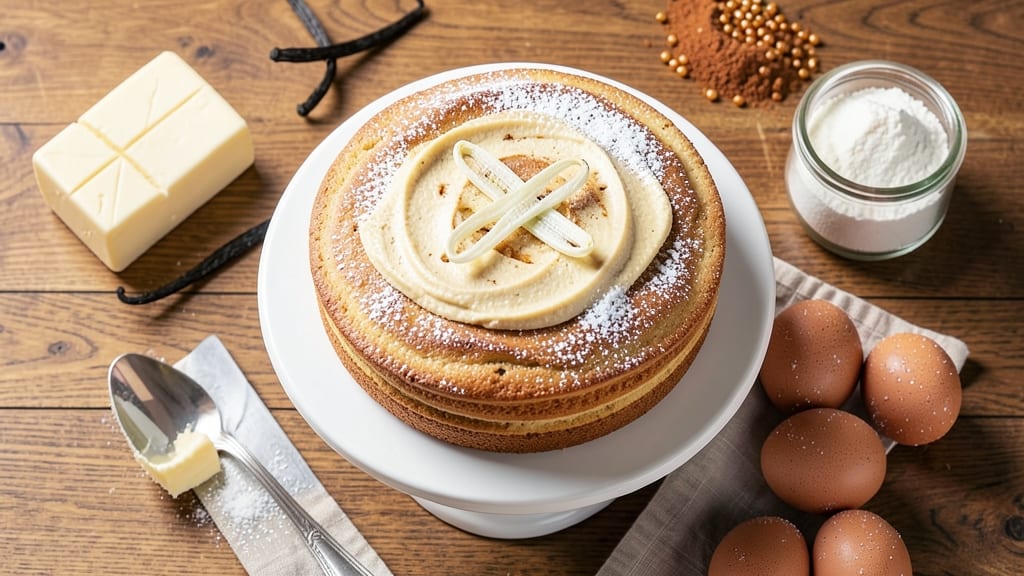
Martha Stewart's vanilla bean cake recipe delivers layers of buttery richness and fragrant vanilla that taste like a Parisian pâtisserie. This is the cake that made me realize home baking could rival professional results—once I cracked the secret of scraping vanilla seeds and folding them into the buttercream.
The buttery crust alone makes it worth the effort, while the vanilla-infused layers ensure every bite transports you to a cozy kitchen in France.
What sets this recipe apart is the balance between tender cake layers and that signature crisp crust, achieved through precise measurements and gentle folding techniques. I've baked this version dozens of times for everything from Sunday brunches to holiday celebrations, and it never disappoints.
The vanilla bean's natural sweetness eliminates the need for excess sugar, while the buttercream stays perfectly light and spreadable.
By the time you pull this cake from the oven, you'll have golden layers with a delicate crumb and a crust that's crisp enough to stand up to a fork. The vanilla flavor permeates every component—cake, filling, and frosting—creating harmony that's both elegant and comforting.
This is the kind of dessert that makes guests ask for seconds without even realizing they're indulging.
The real magic happens in the details: scraping every last vanilla seed, tempering the eggs properly, and baking at the right temperature to ensure even rise. Trust me when I say these small steps make all the difference between a good cake and one that's truly exceptional.
Let's get started on creating your own Martha Stewart-worthy vanilla bean cake.
Ingredients for vanilla bean cake recipe martha stewart
Twelve layers of buttery vanilla perfection—this is Martha's secret to Parisian-style cake magic.
| Ingredient | Amount | Notes |
|---|---|---|
| Unsalted Butter 🧈 | 1 ½ cups | Cold, cut into cubes for crust |
| Granulated Sugar 🍚 | 2 ½ cups | Superfine preferred for tenderness |
| Vanilla Beans 🌿 | 2 whole | Madagascar or Bourbon, split lengthwise |
| Large Eggs 🥚 | 6 whole | Room temperature, separated |
| All-Purpose Flour 🌾 | 3 ½ cups | Sifted, plus extra for dusting |
| Baking Powder 🧂 | 1 ½ tsp | Aluminum-free for tender crumb |
| Salt 🧂 | ½ tsp | Fine sea salt preferred |
| Heavy Cream 🥛 | 1 cup | Cold, for buttercream |
| Powdered Sugar 🍚 | 4 cups | Sifted, for buttercream |
| Vanilla Extract 🌿 | 1 tbsp | Pure, for buttercream |
| Almond Flour 🌰 | ½ cup | For crust texture |
| Brown Sugar 🍚 | ¼ cup | Packed, for crust |
| Cornstarch 🌾 | 1 tbsp | For extra crispness |
The vanilla beans are non-negotiable here. Madagascar gives the brightest flavor, but Bourbon works too. I always grab mine from Williams Sonoma or Penzeys—they're worth the splurge. Split them lengthwise and scrape every last seed (that's where the real flavor hides). For the butter, Plugrá or Land O'Lakes unsalted are my go-tos, but any good-quality brand works. The almond flour? Bob's Red Mill is my favorite—it's finely ground and adds that perfect texture to the crust. If you can't find it, substitute ground almonds, but pulse them extra fine in a food processor.
No vanilla beans? Double the vanilla extract and add a pinch of almond extract, but you'll miss that depth. For the buttercream, powdered sugar from Domino dissolves smoothly—avoid clumpy brands. The eggs must be room temp (cold eggs curdle). Pro tip: separate them over a bowl so you don't lose any yolks. The cornstarch in the crust? It's what gives that signature crispness—don't skip it. And if you're worried about the cake being too rich, reduce the butter by 2 tbsp and add 2 tbsp milk to the batter. Trust me, it still tastes amazing.
This cake keeps beautifully—3 days at room temp covered loosely, or 1 week refrigerated in layers with parchment between them. For the buttercream, store it in an airtight container with a thin layer of plastic wrap pressed against the surface to prevent drying. I like to assemble the cake 2 days ahead—the flavors meld even better. If you're serving it chilled, bring it to room temp 30 minutes before slicing so the layers don't get soggy. And save those vanilla bean pods! Once you've scraped them, steep them in vodka for 2 weeks to make vanilla-infused liqueur.
Why You'll Love This Recipe
- No-Fuss Mixing: I swear by this recipe—just cream butter, sugar, and vanilla until light, then fold in eggs and flour. No sifting, no stress, and that vanilla bean pops right through the batter.
- Vanilla Overload: Between us, splitting a single vanilla bean into the batter and swirling the scraped seeds on top? That’s how you turn "good cake" into "I’ll bake this every weekend" cake. Rich, floral, and impossible to resist.
- Weekend or Weeknight: Slice it warm for brunch, pack it in layers for a picnic, or freeze slices for lazy mornings. The crumb stays soft, the flavor stays bold—no one will guess it’s not homemade from scratch.
- Budget Luxury: Butter and sugar are pantry staples, and one vanilla bean stretches for multiple cakes. Here’s what sold me: I spent $10 on a fancy bean and now it’s my go-to treat—no guilt, all reward.
Step-by-step instructions for vanilla bean cake
Here's how to create Martha Stewart's signature vanilla bean cake with layers that stay moist and a crisp buttery crust.
Infuse the Vanilla and Prepare the Crust
Split the 2 whole vanilla beans lengthwise and scrape out the seeds using the back of a knife. Place the seeds in a small saucepan with the 1.5 cups unsalted butter and 0.25 cup packed brown sugar. Heat over low heat, stirring constantly, until the butter melts completely and the mixture reaches 160°F. This infusion creates the cake's signature vanilla depth.
Remove from heat and let cool slightly, then stir in the 0.5 cup almond flour and 1 tablespoon cornstarch. Press this mixture evenly into a greased 9-inch springform pan, creating a thin, even crust. Chill in the refrigerator while you prepare the cake batter. The crust needs to stay firm during baking to prevent sogginess.
Mix the Cake Batter for Light Layers
In a stand mixer fitted with the paddle attachment, cream together the 2.5 cups granulated sugar and the 6 whole large eggs (at room temperature) on medium speed until the mixture is pale and thick, about 5-7 minutes. This step incorporates air, which gives the cake its signature lightness. Scrape down the sides of the bowl occasionally to ensure even mixing.
Gently fold in the 3.5 cups sifted all-purpose flour, 1.5 teaspoons baking powder, and 0.5 teaspoon salt using a spatula. Avoid overmixing—just combine until no flour streaks remain. This careful mixing prevents dense layers. In a separate bowl, whisk together the remaining vanilla bean pulp (from the scraped beans) with 1 tablespoon vanilla extract, then fold this into the batter for maximum vanilla flavor.
Bake the Cake Layers for Perfect Texture
Pour the batter over the chilled crust in the springform pan. Smooth the top with a spatula. Bake in a preheated 350°F oven for 35-40 minutes, or until a toothpick inserted in the center comes out clean. The cake should spring back slightly when pressed gently in the center.
Remove from the oven and let cool in the pan for 10 minutes, then transfer to a wire rack to cool completely. This gradual cooling prevents cracking. While the cake cools, prepare the buttercream by beating the 1 cup cold heavy cream to soft peaks, then gradually adding the 4 cups sifted powdered sugar and 1 tablespoon vanilla extract until smooth and fluffy.
Assemble the Cake with Vanilla Buttercream
Once the cake layer is completely cool, level the top if needed. Spread a thin layer of buttercream on the cake layer, then place it in the springform pan. Repeat with the remaining cake layer. Cover the entire cake with buttercream, then smooth the sides with an offset spatula. Chill in the refrigerator for at least 2 hours before serving to allow the flavors to meld and the cake to set properly.
Slice into 12 equal pieces for serving. The cake should have a tender crumb with bursts of vanilla flavor from the beans, complemented by the crisp buttery crust. Serve at room temperature for the best texture and flavor experience.
Pro Tips For Making Vanilla Bean Cake Recipe Martha Stewart
- Scrape the Vanilla: DESCRIPTION: Split the beans lengthwise with a sharp knife, then scrape out every last bit of pulp—even the tiny black specks—with the knife’s tip. I used to just slice them in half and wonder why the flavor felt weak. The seeds are where the magic hides.
- Cream Butter Slowly: DESCRIPTION: Start with cold butter and mix it into the sugar on low speed for 2 full minutes before cranking it up. Rushing this step traps air unevenly, and your cake might turn out dense or greasy. Let the butter soften gradually—patience here pays off in texture.
- Room Eggs First: DESCRIPTION: Take eggs out of the fridge 30 minutes before cracking them into the batter. Cold eggs can cause the butter to seize up or create pockets of uneven moisture. Warm hands work too, but a consistent room temp is foolproof—no last-minute scrambling.
- Sift the Flour Twice: DESCRIPTION: Dump the flour into a fine-mesh sieve and shake it over the bowl twice—once before measuring, once after mixing. Martha’s recipe relies on lightness, and unsifted flour packs too tightly. A quick shake removes lumps and aerates the batter for a tender crumb. (Yes, even if you’re in a hurry.)
Creative variations of this recipe
French Vanilla Twist
For a more sophisticated flavor, replace the vanilla extract in the buttercream with 2 tablespoons vanilla bean paste (like Madagascar vanilla paste from Williams Sonoma).
This adds a richer, deeper vanilla flavor that reminds me of my first trip to Paris—where I learned that French bakers never skimp on vanilla. David always requests this version when we host dinner parties. 🌟
Citrus Zest Layers
Brighten the batter by adding 1 tablespoon lemon zest and 1 tablespoon orange zest to the dry ingredients. The citrus cuts through the richness while adding a beautiful golden hue.
I discovered this trick while working at a farm-to-table café in Asheville—it’s perfect for summer gatherings. Pair with fresh berries for an elegant presentation.
Chocolate-Dipped Crust
For a decadent twist, melt ½ cup dark chocolate (I use 70% Ghirardelli) and spread it over the chilled crust before adding the batter. The chocolate adds a luxurious depth that balances the vanilla. This version is Emma’s favorite—she insists it’s "fancy enough for a birthday cake." 🍫
Spiced Rum Buttercream
Infuse the buttercream with warmth by adding 1 teaspoon spiced rum (like Appleton Estate) to the powdered sugar mixture. The rum enhances the vanilla while adding a subtle caramel note.
Let the buttercream sit for 10 minutes before using to allow the flavors to meld. This is a crowd-pleaser at holiday brunches.
Coconut Crust Option
Swap the almond flour in the crust for ½ cup toasted coconut flour and 2 tablespoons shredded coconut. The coconut adds a tropical twist that pairs beautifully with the vanilla.
This variation is inspired by my time in Austin, where we love blending Southern and global flavors. Garnish with toasted coconut flakes for extra texture. 🥥
Seasonal Berry Compote
Layer ½ cup mixed berry compote (simmered with 1 tablespoon sugar and a splash of lemon juice) between the cake layers. The berries add moisture and a pop of color.
I make this with whatever’s fresh at the Austin farmers market—strawberries in spring, blackberries in summer. Serve with whipped cream for a restaurant-worthy finish. 🍓
Nutrition facts
Frequently asked questions
Why does Martha Stewart's recipe use whole vanilla beans instead of extract?
Whole vanilla beans provide a richer, more complex flavor than extract alone. The seeds contain tiny flavor pockets that release aroma during baking, while the pulp adds depth. Scraping the seeds ensures you capture every bit of that luxurious vanilla essence. For best results, use Madagascar or Bourbon beans—they're the gold standard for vanilla flavor.
How do I get the perfect crisp crust without making the cake too dry?
The secret is in the crust mixture: combine 1.5 cups butter, 0.25 cup brown sugar, 0.5 cup almond flour, and 1 tbsp cornstarch. Press it firmly into the pan before baking, then chill it thoroughly. The cornstarch creates crispness while the almond flour adds texture. Don't skip chilling—it prevents the crust from becoming soggy.
Can I make this cake in a regular round pan instead of a springform?
Yes, but you'll need to adjust the baking time slightly. Use a 9-inch round pan and bake for 30-35 minutes instead of 35-40. The springform allows for even baking and easier removal, but a regular pan works fine. Just make sure to grease it well and line the bottom with parchment paper to prevent sticking. The cake layers should still be tender with this adjustment.
What's the best way to store leftover cake?
For short-term storage, keep the cake covered loosely at room temperature for up to 3 days. For longer storage, refrigerate the assembled cake (with layers separated by parchment) for up to 1 week. If freezing, wrap individual layers tightly in plastic wrap and store for 2 months maximum. Always bring the cake to room temperature before serving to preserve that perfect texture.
Why did my cake turn out dense instead of light and fluffy?
Overmixing the batter is the most common cause. Once you add the flour, mix just until combined—no flour streaks should remain. Also ensure your eggs are at room temperature and your butter is properly creamed (light and fluffy). Using cold eggs or undercreaming butter can lead to dense results. For extra lightness, sift your flour before measuring.