
Side Dishes
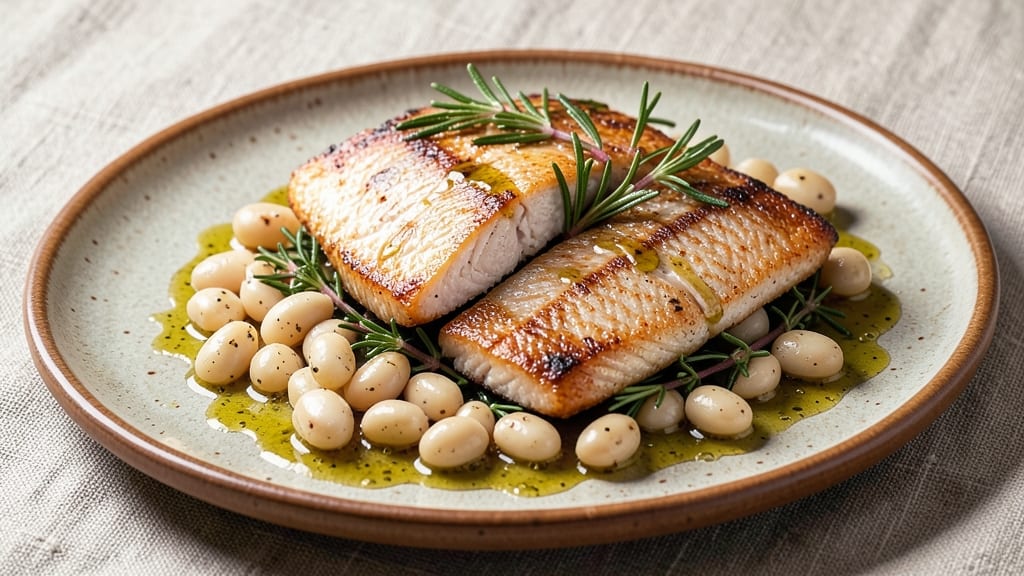
This trout beans recipe delivers a harmonious balance of smoky, garlicky flavors and tender textures that elevate any meal. The secret lies in roasting the beans until crispy while ensuring the trout remains perfectly flaky—both components transform simple ingredients into a restaurant-worthy dish.
I developed this method after years of refining techniques to achieve that ideal contrast between crispy edges and tender centers.
The process begins with preparing the beans—tossed in olive oil, garlic, and herbs before roasting until golden and slightly caramelized. Meanwhile, the trout is seasoned simply with salt, pepper, and lemon, then cooked just until the flesh flakes easily.
This approach ensures every bite delivers a perfect marriage of textures and flavors, with the smoky beans complementing the delicate fish.
What you’ll end up with is a dish that’s both elegant and approachable—ideal for weeknight dinners or special occasions. The aromatic garlic and herbs infuse the beans with depth, while the trout adds a light, protein-rich element that keeps the meal balanced.
Serve with a squeeze of fresh lemon or a sprinkle of parsley to brighten the flavors further.
This recipe is designed to be foolproof, with clear steps that guide you through each phase—from preparing the beans to achieving perfectly cooked trout. The result is a complete, satisfying meal that requires minimal effort but delivers maximum flavor. Let’s get started on creating this perfect pairing.
Ingredients for trout beans
Simple ingredients that transform into restaurant-quality trout and smoky roasted beans.
| Ingredient | Amount | Notes |
|---|---|---|
| Fresh Rainbow Trout Fillets 🐟 | 1 ½ lb | Skin-on, center-cut preferred |
| White Kidney Beans 🌱 | 2 cups | Dried or canned, drained well |
| Extra-Virgin Olive Oil 🫒 | ½ cup | High-quality, fruity variety |
| Garlic Cloves 🧄 | 6 cloves | Fresh, minced or finely chopped |
| Fresh Rosemary 🌿 | ¼ cup | Finely chopped, stems removed |
| Fresh Thyme Leaves 🌿 | 1 tbsp | Fresh preferred, dried works |
| Smoked Paprika 🌶️ | 1 tbsp | For smoky depth |
| Sea Salt 🧂 | 1 ½ tsp | Kosher or fine sea salt |
| Freshly Ground Black Pepper 🌶️ | ½ tsp | Freshly cracked preferred |
| Lemon Juice 🍋 | 2 tbsp | Freshly squeezed |
| Lemon Zest 🍋 | 1 tsp | From 1 organic lemon |
| Fresh Parsley 🌿 | ¼ cup | Chopped, for garnish |
| Butter 🧈 | 2 tbsp | Unsalted, for trout |
The trout should be center-cut and skin-on for optimal texture. Local fish markets often carry the freshest fillets, but grocery stores like Whole Foods or Trader Joe's have reliable options. Look for vibrant color and firm flesh—avoid any fish with a strong ammonia smell. For beans, dried varieties like cannellini or navy offer more texture than canned, but no-soak dried beans (like Great Northern) work perfectly here. The extra-virgin olive oil is non-negotiable—California or Italian varieties provide the best fruity notes that complement the garlic and herbs. Fresh herbs are ideal, but if using dried, reduce thyme to 1 teaspoon and rosemary to 1/2 teaspoon.
No smoked paprika? Substitute a pinch of liquid smoke (1/4 teaspoon) or extra garlic (2 additional cloves) for depth. Swap rainbow trout for salmon or halibut if preferred—adjust cooking time slightly. For beans, chickpeas or butter beans work well, though texture will differ. The lemon juice can be replaced with white wine vinegar (1 tablespoon), though fresh lemon adds brightness. If you lack fresh parsley, cilantro or basil will brighten the dish similarly. For extra richness, add 1 tablespoon of crème fraîche or Greek yogurt to the trout before serving.
Store fresh herbs in damp paper towels in a sealed container for up to 5 days. The trout should be cooked immediately or stored in the coldest part of your fridge for no more than 1 day before cooking. Roasted beans keep well in an airtight container in the fridge for 4 days or can be frozen for 3 months. To reheat, warm gently in a skillet with a splash of water. For meal prep, roast extra beans and portion trout fillets ahead—just finish cooking the trout fresh to maintain texture.
Why You'll Love This Recipe
- One-Pan Magic: I swear by this recipe when I’m too tired to scrub pots—just toss the trout and beans in a skillet with olive oil, garlic, and rosemary, then let the heat do the work. The beans soften while the trout flakes apart, all in one pan. (Yes, even on a Tuesday night.)
- Herb-Infused Umami Bomb: That first bite of crispy trout over buttery beans, kissed by rosemary and garlic? It’s the kind of flavor that makes you pause mid-bite. The beans soak up the olive oil like a sponge, turning the dish into a rich, savory hug.
- Meal Prep MVP: Between us, this is my go-to for lunches all week. The trout stays tender when reheated (just add a splash of water), and the beans hold up perfectly. Pack it in a container, and you’ve got a protein-packed meal that’s way better than sad office salads.
- Budget-Friendly Luxury: Fresh trout might sound fancy, but it’s cheaper than you think—especially when paired with humble kidney beans. I’ll be real: it feels like a restaurant dish without the price tag. Plus, the leftovers taste just as good cold the next day.
Step-by-step instructions for smoky garlic and herb roasted trout with beans
Here's the method for delivering crispy trout and tender beans with perfect balance.
Prepare the Trout and Season the Beans
Pat the 1.5 lb fresh rainbow trout fillets completely dry with paper towels, focusing on removing any moisture from the skin. This step is crucial for achieving crispy skin later. Place the fillets on a wire rack set over a baking sheet to allow air circulation on all sides.
In a separate bowl, combine the 2 cups white kidney beans with 0.5 cup extra-virgin olive oil, 1 tbsp smoked paprika, 1.5 tsp sea salt, and 0.5 tsp freshly ground black pepper. Toss gently to coat evenly. Add 6 minced garlic cloves, 0.25 cup finely chopped fresh rosemary, and 1 tbsp fresh thyme leaves, mixing until the herbs are distributed throughout the beans. This preparation ensures the beans absorb the smoky, herby flavors deeply.
Roast the Beans Until Tender
Preheat your oven to 400°F. Spread the seasoned beans evenly on a second wire rack set over a baking sheet. Roast for 25-30 minutes, stirring once halfway through, until the beans are golden brown and tender. You'll know they're done when they hold their shape but are soft enough to crush lightly between your fingers. The edges should develop a deep, toasted color.
Here's the thing—don't overcrowd the pan. If the beans are too tightly packed, they'll steam instead of roast, resulting in a mushy texture. Spread them in a single layer for even browning and crispiness.
Season and Roast the Trout
While the beans roast, position the oven rack in the middle position. Brush the trout fillets lightly with an additional 1 tbsp extra-virgin olive oil, then sprinkle with 0.5 tsp sea salt and 0.25 tsp freshly ground black pepper. This light seasoning allows the natural flavors of the trout to shine while still creating a flavorful crust.
Place the trout on the prepared baking sheet and roast for 12-15 minutes until the skin is crispy and golden brown, and the flesh flakes easily when tested with a fork. The internal temperature should reach 145°F in the thickest part of the fillet. Be careful not to overcook—the trout will continue cooking slightly after you remove it from the oven.
Finish with Lemon and Butter
Remove the trout from the oven and transfer it to a serving platter. Immediately drizzle with 2 tbsp lemon juice and 2 tbsp butter, allowing the butter to melt slightly over the hot fish. Sprinkle with 1 tsp lemon zest and 0.25 cup chopped fresh parsley. The acidity of the lemon brightens the rich, smoky flavors, while the butter adds a luxurious finish.
Serve the trout immediately alongside the roasted beans. The contrast between the crispy trout skin, tender flesh, and hearty, flavorful beans creates a perfect balance of textures and tastes. Each bite should deliver a harmonious blend of smoky, herby, and citrusy notes.
Pro Tips For Making Trout Beans
- CRISP THE BEANS FIRST: I learned this the hard way—tossing raw beans into the pan with trout means they’ll turn to mush. Sauté them dry in olive oil for 5-7 minutes until they’re golden and slightly crisp before adding liquid. That texture change makes all the difference when they absorb the trout’s flavors.
- SEAR THE TROUT SKIN-DOWN: Skin still on? Place the fillets skin-side down in a cold, dry pan, then turn the heat to medium-low. Let it render fat for 3-4 minutes before flipping—this keeps the flesh flaky and the skin crispy without burning. (Yes, even if you’re impatient like me.)
- USE ROSEMARY SPRIGS, NOT CHOPPED: Whole rosemary sprigs infuse the beans with aroma without overpowering them. Tuck one or two into the pan while searing the trout, then remove before serving—no need to strain or fish out tiny leaves. (Your future self will thank you.)
- SALT THE BEANS MID-COOK: Add salt to the beans only after they’ve absorbed some liquid and softened—about halfway through simmering. This prevents them from turning mealy and ensures the seasoning penetrates evenly. (I skip this when I’m lazy, but the dish is noticeably better when I don’t.)
Wine and beer pairings for this dish
White Wine Pairings
For this dish, I recommend a crisp Italian Vermentino—its bright citrus notes and mineral finish cut through the smoky richness of the beans while complementing the trout’s delicate flavor.
A chilled Pinot Grigio from Alto Adige also works beautifully, offering a clean, refreshing contrast. Avoid heavy whites like Chardonnay, which would overpower the dish’s delicate balance. 🍷
Light Red Wine Options
A light-bodied Pinot Noir from Oregon or Burgundy adds subtle earthiness that enhances the rosemary and thyme in the beans without competing with the trout. Look for a wine with 12-13% alcohol and bright acidity to keep the palate fresh.
If you prefer something fruitier, a Gamay from Beaujolais provides a juicy red berry note that pairs surprisingly well with the smoky garlic.
Beer Pairings
For beer lovers, a Belgian Witbier like Hoegaarden offers a crisp, citrusy profile that mirrors the lemon finish in the trout. The coriander and orange peel notes in these beers complement the herbs in the beans beautifully.
If you prefer a lager, a German Helles with its malty sweetness and clean finish provides a great contrast to the dish’s smoky depth. 🍺
Non-Alcoholic Options
For a refreshing non-alcoholic pairing, try a sparkling blood orange soda like San Pellegrino Aranciata Rossa—its citrusy fizz brightens the dish without overpowering it. Alternatively, a ginger beer with a splash of lime adds a zesty kick that cleanses the palate between bites.
Both options highlight the dish’s fresh, herby flavors.
Dessert Wine Harmony
If you’re serving this as part of a full meal, finish with a Moscato d’Asti—its light sweetness and effervescence provide a delightful contrast to the savory trout and beans. The wine’s floral notes also complement the rosemary in the dish, creating a cohesive dining experience. 🍇
Nutrition facts
Frequently asked questions
Can I substitute canned beans for dried in this recipe?
Yes, but with adjustments! Use 2 cups canned white kidney beans, drained and rinsed thoroughly to remove excess sodium. For extra texture, roast them for 15-20 minutes at 400°F instead of 25-30 minutes—canned beans cook faster. Dried beans develop deeper flavor through longer cooking, so they're preferred if possible.
How do I know when the trout is perfectly cooked?
The trout is done when the skin is crispy and golden, and the flesh flakes easily with a fork. Check the internal temperature with a meat thermometer—it should reach 145°F in the thickest part. Overcooking makes the fish dry, so remove it just before it reaches this temperature if your thermometer isn't precise.
Can I make this recipe ahead of time?
Roast the beans 1 day ahead and store in an airtight container—they'll keep for 4 days in the fridge. Cook the trout fresh to maintain crispiness, but you can prepare the seasoning mix ahead. Reheat beans gently in a skillet with a splash of water to restore crispiness.
What if I don't have smoked paprika?
No problem! Use 1/4 teaspoon liquid smoke or add 2 extra garlic cloves for depth. For a sweeter touch, substitute 1 teaspoon brown sugar along with the regular seasoning. The smokiness comes from the roasting process, so don't skip it entirely—just adjust the other flavors.
Is this dish suitable for meal prep?
Yes, but with strategy. Portion the roasted beans into containers and store them separately from the trout. Cook the trout fresh before serving to keep it tender. For a complete meal-prep solution, try baking extra trout fillets and reheating them quickly in a skillet with butter and lemon.