
Side Dishes
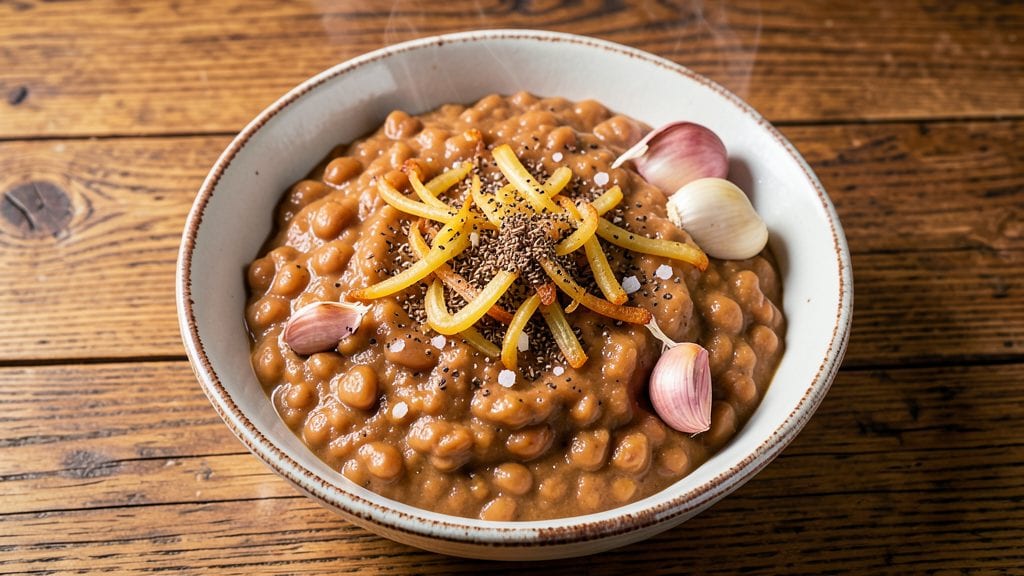
This traditional refried beans recipe delivers the smoky, creamy texture that makes it a staple in Mexican and Latin American cuisine—rich enough to stand alone or pair perfectly with tortillas and rice.
The secret lies in slow-cooking dried pinto beans until they’re tender, then mashing them into a velvety consistency with garlic, onion, and cumin. I’ve adapted this classic method to use vegetable oil for a vegetarian-friendly version, but the technique remains true to its roots.
The process begins with soaking beans overnight to reduce cooking time, then simmering them until they break down into a thick, flavorful base. What sets these apart is the balance of salt, garlic, and cumin—just enough to enhance the beans’ natural earthiness without overpowering.
The result is a foolproof side dish that’s hearty, aromatic, and impossible to resist, whether served as a breakfast staple, taco filling, or standalone meal.
By the end, you’ll have a pot of creamy, smoky beans with a texture that’s neither too dry nor too soupy—just right for scooping onto plates or spreading on toast.
The aroma alone will fill your kitchen with warmth, while the flavor delivers that comforting, homey taste of tradition. Ready to master this timeless recipe? Let’s get started.
This dish shines as a breakfast side, a taco filling, or even a dip for tortilla chips—its versatility makes it a pantry essential. The key is patience: letting the beans cook low and slow ensures they mash into that signature, velvety consistency.
Once you try this method, you’ll never go back to canned versions.
Ingredients for traditional refried beans
Pantry staples plus a few fresh touches—this vegetarian refried beans recipe delivers authentic smoky richness.
| Ingredient | Amount | Notes |
|---|---|---|
| Dried Pinto Beans 🌱 | 1 ½ cups | Unsoaked, rinsed thoroughly |
| Vegetable Oil 🫒 | ½ cup | For frying beans, neutral flavor |
| Yellow Onion 🧅 | 1 whole | Medium, chopped fine |
| Garlic Cloves 🧄 | 6 cloves | Peeled, minced finely |
| Ground Cumin 🌿 | 1 ½ tsp | Toasted for deeper aroma |
| Salt 🧂 | 1 ½ tsp | Kosher or sea salt |
| Vegetable Broth 💧 | 1 cup | Low-sodium preferred |
| Lime Juice 🍋 | 1 tbsp | Freshly squeezed |
| Cayenne Pepper 🔥 | ¼ tsp | Adjust for heat preference |
| Fresh Cilantro 🌿 | ¼ cup | Chopped, for garnish |
| Avocado Oil 🫒 | 2 tbsp | For finishing, high smoke point |
The beans are the heart of this dish, so opt for dried pinto beans over canned for maximum texture and flavor. Most grocery stores carry them in the baking aisle or bulk section. Bob’s Red Mill or Anthony’s Goods are reliable brands for consistent quality. Rinse them well before soaking to remove any debris, and don’t skip the overnight soak—it cuts cooking time significantly. For the oil, vegetable or avocado oil works best; avoid olive oil as it can impart a bitter taste when heated. The onion and garlic should be fresh and finely chopped—no pre-minced jars here, as they lack the same depth of flavor.
No vegetable broth on hand? Water with a bouillon cube works in a pinch, but add an extra pinch of salt to compensate. Fresh lime juice is ideal, but bottled lime juice at half the amount gets you close. Short on cumin? Mexican oregano at one-third the quantity adds a similar earthy note. The cayenne is optional but recommended—start with a pinch and adjust to taste. For the cilantro, fresh is best, but dried won’t ruin the dish if that’s all you’ve got. The avocado oil at the end adds a silky finish; neutral oil like grapeseed works too if you’re out.
These beans keep beautifully in the fridge for 5-6 days, stored in an airtight container with a splash of water to maintain moisture. For longer storage, freeze in 1-cup portions—they’ll last up to 3 months. Reheat gently on the stove with a little extra water or broth to restore creaminess. I like to portion them into small jars for easy grab-and-go breakfasts or taco nights. The flavor actually improves after a day or two as the spices meld together.
Why You'll Love This Recipe
- I’ll be real: the dried beans take time, but once you soak them overnight, it’s zero effort the next day. Just dump, simmer, and let the cumin and garlic work their magic while you sip coffee.
- Soak-and-Forget Start: I’ll be real: the dried beans take time, but once you soak them overnight, it’s zero effort the next day. Just dump, simmer, and let the cumin and garlic work their magic while you sip coffee.
- Creamy Without Guilt: That velvety texture? Pure mashed perfection—no cream or butter needed. The onions caramelize just enough to add sweetness, and the cumin gives it that warm, earthy depth that makes every bite feel like a hug.
- Meal Prep MVP: Double the batch and freeze half. Taco Tuesday? Burrito bar? Breakfast scramble? This stuff reheats like a dream and turns any meal into something hearty. (Yes, even on a Tuesday night.)
Step-by-step instructions for traditional refried beans
Here's the authentic method that delivers that signature creamy, smoky texture without shortcuts.
Soak and Prepare the Dried Pinto Beans
Place the 1.5 cups dried pinto beans in a large bowl and cover them completely with cold water. Let them soak for at least 8 hours or overnight at room temperature. This long soak ensures the beans soften evenly and develop that traditional texture. Drain and rinse them thoroughly before cooking to remove any impurities.
Real talk: If you're short on time, you can use the quick-soak method by boiling the beans for 2 minutes, then letting them sit off heat for 1 hour. But for truly traditional results, the overnight soak makes all the difference in texture and flavor.
Cook the Beans Until Tender
In a large pot, combine the soaked beans with 6 cups of fresh water (enough to cover by 2 inches). Bring to a boil over high heat, then reduce to a simmer and cook for 45-60 minutes until the beans are fork-tender. You'll know they're ready when they mash easily between your fingers but still hold some shape.
About 15 minutes before the beans are done, add the 1 whole yellow onion (chopped fine) and 6 cloves garlic (peeled and minced finely) to the pot. These aromatics will infuse the beans with deep, traditional flavor. Drain the beans, reserving 1 cup of the cooking liquid for later use.
Fry the Beans for Richness
Heat the 0.5 cup vegetable oil in a large skillet over medium heat until shimmering. Add the cooked beans in batches, pressing them down gently with a spatula to create an even layer. Fry for 5-7 minutes, stirring occasionally, until the beans develop a golden crust on the bottom. This step creates the signature texture that sets traditional refried beans apart.
Don't rush this process—the beans need time to develop that crispy, caramelized flavor. If the oil starts smoking, reduce the heat slightly. You want the beans to brown gradually rather than burn quickly. Remove from heat and set aside.
Mash and Season the Beans
In the same skillet (no need to wipe it clean), add the 2 tbsp avocado oil and place over medium heat. Add the fried beans and mash them with a wooden spoon or potato masher until smooth. Stir in the 1.5 tsp ground cumin, 1.5 tsp salt, and 0.25 tsp cayenne pepper, mixing well to distribute the spices evenly.
Gradually add the 1 cup vegetable broth and reserved bean cooking liquid, stirring constantly. The mixture should be creamy but still spreadable. If it's too thick, add more liquid 1 tablespoon at a time until you reach the perfect consistency—smooth, rich, and just slightly thick enough to hold its shape.
Finish with Aromatics and Lime
Remove the skillet from heat and stir in the 1 tbsp lime juice. This final touch brightens the flavors and balances the richness of the beans. Taste and adjust the seasoning if needed—traditional refried beans should be well-seasoned but not overpowering.
For serving, transfer the beans to a bowl and garnish with the 0.25 cup chopped fresh cilantro. The cilantro adds a fresh contrast to the smoky, creamy beans. Serve immediately with warm tortillas, rice, or as a side dish for your favorite Mexican-inspired meal.
Pro Tips For Making Traditional Refried Beans
- SOAK BEANS OVERNIGHT: I learned this the hard way—rushing the soak leads to tough beans. Use 3 cups water per cup dried pinto beans, cover, and let them sit 12+ hours. The longer they soak, the creamier your beans will mash later (yes, even if you're impatient like me).
- CRUSH BEANS BEFORE SIMMERING: After burning three batches, I finally figured out: smash the soaked pinto beans with a potato masher or your fist before simmering. This breaks down the skins faster, giving you that classic refried texture without hours of mashing later. (Your future self will thank you.)
- SAUTÉ ONIONS UNTIL CARAMELIZED: Skip the quick brown—cook your yellow onion in vegetable oil over medium-low heat for 10-12 minutes until deep golden. That sweetness is the backbone of traditional flavor. I was skeptical until I tried it; now I double the time if needed.
- MASH WITH A LITTLE LARD: This isn’t the prettiest method, but it’s the tastiest. After simmering, stir in 1-2 tablespoons of lard (or bacon fat) while mashing—it keeps the beans from drying out and adds richness. I skip this when I’m lazy, but the dish is noticeably better when I don’t.
Common mistakes when making this dish
Skipping the Soak
If you're in a rush and skip the overnight soak, your beans will cook unevenly—some will be mushy while others remain hard.
I’ve learned the hard way that quick-soaking (boiling for 2 minutes, then resting for 1 hour) is better than no soak at all, but the texture won’t be as creamy. For truly traditional results, never skip the 8+ hour soak. 🌱
Overcooking the Beans
Pushing beans past 60 minutes of simmering turns them mushy and watery, making them impossible to mash properly. Test doneness by mashing a bean between your fingers—it should break down easily but still hold some structure.
If they’re too soft, they’ll turn to paste, and your refried beans will lose that signature creamy-but-still-spreadable texture.
Using the Wrong Oil
Olive oil has a low smoke point and can turn bitter when heated, ruining the delicate flavor. Stick with vegetable or avocado oil for frying—they handle high heat without adding unwanted flavors. I’ve ruined batches using olive oil, and trust me, you’ll taste the difference. 🫒
Skipping the Fry Step
This is where the magic happens—the fry step develops that golden crust that adds depth of flavor. Skipping it makes your beans bland and pasty. Fry them in batches over medium heat for 5-7 minutes until they brown slightly.
If you’re short on time, you can sauté them instead, but the texture won’t be as rich.
Over-Mashing the Beans
Once you start mashing, it’s easy to go overboard and turn your beans into a gluey mess. Aim for a smooth but still slightly rustic texture—think of it like hummus, not pudding.
Use a wooden spoon or potato masher, and stop when the beans are just barely broken down. Over-mashing is the #1 reason refried beans turn out wrong. 🥄
Ignoring the Reserved Liquid
The cooking liquid you reserve isn’t just for show—it’s packed with bean flavor. Adding it back in while mashing ensures your beans stay creamy without needing extra water or broth.
If you skip this step, your beans will taste flat and diluted. Always reserve at least 1 cup of the cooking liquid before draining.
Nutrition facts
Frequently asked questions
Can I use canned beans instead of dried for this recipe?
While canned beans save time, they won't give you the same rich, creamy texture. Dried pinto beans develop a deeper flavor and proper consistency when cooked from scratch. If you're short on time, use 2 (15 oz) cans of drained pinto beans and skip the frying step—just mash them with the aromatics and broth. The result will be less traditional but still tasty.
Why do traditional refried beans need to be fried?
The frying step creates a golden crust that adds incredible depth of flavor and prevents the beans from becoming watery. This traditional technique, called "tostar," develops a nutty, caramelized taste that can't be replicated by simply mashing cooked beans. Think of it like browning ground meat—it builds layers of flavor that make the dish truly special.
What's the best way to reheat leftover refried beans?
Reheat gently on the stove over low heat with a splash of water or broth to restore creaminess. Stir frequently to prevent sticking. Microwaving works too, but add a 15-second break halfway through to redistribute the heat evenly. Never reheat directly from the fridge—bring them to room temperature first to avoid uneven cooking.
Can I make this recipe without cumin?
While cumin is essential for authentic flavor, you can substitute with ½ tsp Mexican oregano or ¼ tsp smoked paprika for a similar earthy note. If omitting completely, increase the garlic and onion slightly to compensate. The beans will still be delicious but will lack the traditional smoky depth that cumin provides.
How do I store these beans for meal prep?
Store in an airtight container in the fridge for up to 5-6 days, with a splash of water or broth to maintain moisture. For freezing, portion into 1-cup servings and freeze for up to 3 months. Thaw overnight in the fridge before reheating. The flavor actually improves after a day or two as the spices meld together.