
Side Dishes
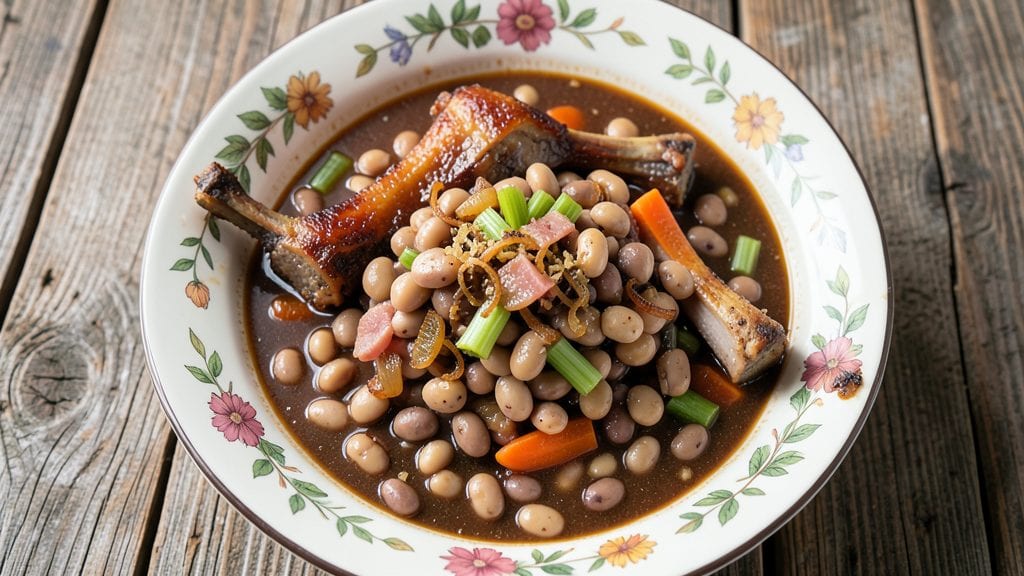
This traditional ham and beans recipe brings the soul-warming comfort of a Southern kitchen to your table, where every spoonful carries the legacy of generations. The slow-cooked harmony of tender ham and hearty beans, infused with smoky spices and deep flavors, transforms a simple dish into a centerpiece for gatherings.
I’ve perfected this method over years of testing—balancing the right amount of saltiness from the ham with the earthy richness of beans, all simmered low and slow until the flavors meld into something unforgettable.
The beauty of this recipe lies in its simplicity and tradition. You’ll start with a cured ham bone, which infuses the broth with unmatched depth, while dried navy beans soak overnight to soften perfectly.
The slow cooker does the heavy lifting, allowing the beans to absorb the ham’s savory essence without overcooking. This isn’t just a side dish—it’s a celebration of patience and flavor, where every bite tells a story.
What you’ll end up with is a pot of smoky-spiced beans so tender they nearly dissolve on your tongue, paired with succulent ham that shreds effortlessly. The aroma alone—warm, spiced, and slightly sweet—will fill your home, making it impossible to resist.
This dish is the kind of tradition that gets passed down, served at holidays and family dinners, where the flavors speak louder than words.
Whether you’re recreating a family heirloom or discovering a new favorite, this recipe delivers authenticity without compromise. Serve it alongside cornbread or crusty rolls to soak up every last drop of that rich, smoky broth.
Let’s get started on a dish that’s as much about love as it is about taste.
Ingredients for traditional ham and beans
The heart of this Southern tradition starts with these simple, soulful ingredients.
| Ingredient | Amount | Notes |
|---|---|---|
| Cured Ham Bone 🥓 | 1 whole | With meat attached, for broth |
| Dried Navy Beans 🌾 | 2 cups | Rinsed before soaking |
| Yellow Onion 🧅 | 1 whole | Chopped into half-moons |
| Garlic Cloves 🧄 | 4 cloves | Minced for depth |
| Celery Stalks 🥬 | 3 whole | Chopped, with leaves |
| Carrot 🥕 | 2 whole | Chopped into chunks |
| Bay Leaves 🍃 | 2 whole | Fresh for best flavor |
| Ground Black Pepper 🌶️ | 1 tsp | Freshly cracked |
| Salt 🧂 | 1 ½ tsp | Adjust to taste |
| Smoked Paprika 🌶️ | 1 tsp | For authentic smokiness |
| Dried Thyme 🍃 | 1 tsp | Or 1 tbsp fresh |
| Apple Cider Vinegar 🍎 | 1 tbsp | Brightens the broth |
| Water 💧 | 8 cups | Enough to cover beans |
The ham bone is non-negotiable—it’s the secret to that deep, savory broth. Look for a bone with good meat still attached at the grocery store’s deli counter or butcher section. Costco often has great deals on smoked hams with bones, and Trader Joe’s carries pre-cured options if you’re short on time. If you can’t find a bone, a salt-cured ham hock works too, but soak it overnight to remove excess salt. The beans? Dried navy beans are traditional, but Great Northern or pinto work in a pinch. Just make sure they’re not pre-cooked or canned—those won’t soften properly. Soak them overnight in plenty of water (at least 4 cups for 2 cups dry beans) with a pinch of salt to help break down the starches.
No smoked paprika? Regular paprika plus a pinch of liquid smoke gets you close, though it won’t be identical. Fresh thyme is ideal, but dried works at one-third the amount—just crush it between your palms to release the oils. Short on celery? Substitute with 1 tbsp celery seed or skip it entirely (the onion and carrot still give plenty of flavor). The vinegar might seem odd, but it’s what cuts through the richness of the ham and beans, balancing everything out. White vinegar or lemon juice works too if that’s what you’ve got. For the slow cooker, I always use low heat for 8-10 hours—high heat makes the beans mushy. If you’re in a hurry, pressure cook them for 30 minutes after soaking.
This dish tastes even better the next day as the flavors meld. Store leftovers in the fridge for up to 5 days—the broth gets richer over time. For freezing, portion it into airtight containers and it’ll keep for 3 months. I like to freeze it in individual servings so I can grab a bowl whenever I need a comforting meal. The ham bone? Save the meat for sandwiches or salads—it’s too good to waste. And if you’ve got extra broth, freeze it for soups or gravies later. Trust me, you’ll want seconds.
Why You'll Love This Recipe
- Ditch the Soak: I’ll be real—most bean recipes make you wait hours for soggy beans. Not this one. The cured ham bone does the work for you, breaking down the beans into tender perfection while you sip coffee. Just toss in dried navy beans, cover with water, and let the ham’s magic happen overnight.
- Smoky Depth Magic: That ham bone? It’s the secret weapon. The slow simmer pulls out rich, salty, slightly sweet flavors that turn simple beans into something hearty and complex. Add a splash of vinegar at the end, and you’ve got that classic tang that makes every bite unforgettable.
- Leftovers That Save Me: This recipe practically begs to be made in bulk. The flavors only get better the next day—perfect for quick lunches or reheating with a sprinkle of fresh parsley. My freezer’s always stocked with portions because it’s the easiest way to feed the family without stress.
- Budget-Friendly Feast: Navy beans and a ham bone stretch into meals for days, and honestly? That’s my kind of frugal cooking. You’re getting protein, comfort, and a full flavor punch without breaking the bank. Plus, the celery and onion add freshness for pennies. Win-win.
Step-by-step instructions for traditional ham and beans
Here's the method that delivers rich, smoky flavor and tender beans every time.
Prepare the Beans and Vegetables
Start by rinsing the 2 cups of dried navy beans under cold water until the water runs clear. This removes any dust or debris that might affect the flavor. Place them in a large bowl and cover with plenty of cold water—at least 4 inches above the beans. Let them soak for at least 8 hours or overnight. I like to soak mine in the refrigerator for better texture.
While the beans soak, chop the 1 whole yellow onion into half-moons, mince the 4 cloves of garlic cloves, and cut the 3 whole celery stalks and 2 whole carrot into small chunks. Keep the celery leaves for extra flavor. This prep work ensures everything is ready when you're ready to cook. The vegetables will form the aromatic base of your broth, so don't skip this step—it makes all the difference in flavor.
Build the Broth with the Ham Bone
Place the 1 whole cured ham bone in a large slow cooker. Add the chopped onion, garlic, celery, carrot, and celery leaves to the slow cooker along with the 2 whole bay leaves. Pour in the 8 cups of water, making sure the ham bone is fully submerged. This creates a flavorful base that will infuse into the beans as they cook.
Add the 1 tbsp of apple cider vinegar, 1.5 tsp of salt, 1 tsp of smoked paprika, 1 tsp of dried thyme, and 1 tsp of ground black pepper to the slow cooker. Stir gently to combine. The vinegar brightens the broth, while the spices add depth and warmth. The ham bone will slowly release its rich, savory flavors into the broth, creating a foundation that's both comforting and complex.
Cook the Beans Slowly
Drain the soaked navy beans and add them to the slow cooker. Stir gently to distribute them evenly throughout the broth. The beans should be mostly submerged, but it's okay if a few float to the top. Cover the slow cooker and cook on low heat for 8 to 10 hours, or until the beans are tender. You'll know they're ready when they're soft and easily mashable with a fork.
Here's the thing—don't rush this step. The slow cooking process is what makes these beans so tender and flavorful. The longer they cook, the more the flavors meld together. I like to check them after 7 hours to see if they're getting close to being done. If they're still firm, just let them cook a little longer. The beans should be creamy and hold their shape without being mushy.
Finish and Serve
Once the beans are tender, remove the ham bone and discard it. You can save the meat for sandwiches or other dishes if you like. Remove the bay leaves as well. Taste the beans and adjust the seasoning if needed. You might need a little more salt or pepper to bring out the flavors. The broth should be rich and aromatic, with a hint of smokiness from the paprika and the ham bone.
Serve the ham and beans hot, straight from the slow cooker. The traditional way is to enjoy it with crusty bread or over rice. The beans should be tender, the broth flavorful, and the spices balanced. This dish is hearty and satisfying, perfect for a cozy meal with family or friends. The slow cooking process ensures that every bite is packed with flavor and comfort.
Pro Tips For Making Traditional Ham And Beans
- Parboil Beans Twice: Soak dried navy beans overnight, then give them a quick 5-minute boil before draining—this cuts cooking time by half. I used to skip this and ended up with mushy beans that turned to paste; the double boil keeps them intact and flavorful.
- Render Ham Fat Slow: Start the ham bone in a cold pot and bring it to a simmer over medium-low heat—this renders the fat gently without burning. After burning three batches of beans, I finally realized high heat ruins the depth of flavor in the broth.
- Slice Onions Thin: Dice the yellow onion into paper-thin slices—it cooks faster and blends into the beans instead of sitting as chunks. My grandmother swore by this, and she was right: you’ll barely notice the onion, but the texture improves everything.
- Skim Fat Regularly: Lift off the hardened fat from the broth every 30 minutes—it keeps the beans from tasting greasy. I know, I know, it’s tedious, but your future self will thank you when the dish isn’t swimming in oil.
Perfect pairings for this traditional ham and beans
Classic Southern Sides
This dish shines alongside cornbread—the perfect vehicle for soaking up that smoky broth.
I use a classic Jiffy Cornbread Mix (just add eggs and milk) for its crumbly texture, but homemade with 1 cup cornmeal, 1 cup all-purpose flour, and 1 tbsp baking powder takes it to the next level.
For extra richness, fold in ½ cup sharp cheddar or crumbled bacon. The contrast of sweet, crumbly cornbread with the savory beans is pure Southern magic. 🥓
Crusty Bread Pairings
A Texas toast or sourdough loaf adds a hearty element that stands up to the dish. Toast thick slices of French bread or challah until golden, then rub with a garlic clove for extra flavor.
I like to serve it alongside a simple green salad with arugula, cherry tomatoes, and a red wine vinaigrette to cut through the richness. The acidity balances the meal perfectly while keeping it light. 🍞
Wine and Beer Pairings
For wine lovers, a bold red like Cabernet Sauvignon complements the smoky, spiced flavors beautifully. I prefer a Napa Valley Cab with its dark fruit notes and tannins that stand up to the ham’s saltiness.
If you’re more of a beer drinker, a craft IPA with citrusy hops (like New Belgium Fat Tire) cuts through the richness. For a lighter option, a crisp lager such as Budweiser or Heineken works too. 🍷
Unexpected Twists
Want to elevate this classic? Top your ham and beans with crispy fried shallots or crumbled feta cheese for a tangy contrast. A drizzle of hot honey (mix ½ cup honey with 1 tsp cayenne) adds a sweet-spicy kick that’s irresistible.
For a vegetarian twist, swap the ham bone for a smoked turkey leg or liquid smoke (½ tsp) in the broth. The flavors remain rich and satisfying. 🌶️
Holiday Centerpiece
This dish is a Thanksgiving or Christmas staple in many Southern homes. Serve it in a cast-iron skillet for extra warmth, surrounded by roasted Brussels sprouts and mashed sweet potatoes.
Garnish with fresh parsley and a sprinkle of crushed red pepper for color and heat. The aroma alone will draw everyone to the table—it’s that good. 🎄
Nutrition facts
Frequently asked questions
Can I use canned beans instead of dried for this recipe?
While you can use canned beans in a pinch, dried beans are traditional for this dish. Canned beans won't absorb the ham's flavor as deeply, and they're often pre-seasoned, which can alter the balance. If you must use canned, opt for no-salt-added navy beans and rinse them thoroughly before adding to the pot. They'll still be good, but the texture and flavor won't be quite the same as properly soaked dried beans.
How do I know when the beans are fully cooked?
The beans are done when they're tender but still hold their shape—like a fork should easily pierce them without turning mushy. Press a bean between your fingers: if it's soft but not falling apart, it's ready. For dried beans, this usually takes 8-10 hours on low in a slow cooker. If they're still firm after that, they need more time. Never overcook them, or they'll turn to mush!
What's the best way to store leftovers?
Store leftovers in an airtight container in the fridge for up to 5 days. The flavors actually improve overnight as the broth absorbs more of the ham's richness. For freezing, portion into individual servings and freeze for up to 3 months. The broth may thicken slightly when reheated, so add a splash of water if needed. Always reheat slowly to preserve texture.
Can I make this recipe without a slow cooker?
Use a large pot on the stovetop instead. Simmer on low heat for 2-3 hours after the beans come to a boil, stirring occasionally to prevent sticking. The key is patience—don't rush the cooking time, or the beans will turn mushy. A Dutch oven works perfectly for this method, as it maintains even heat and prevents scorching.
Why does my ham and beans taste too salty?
The ham bone itself is often quite salty, which can overpower the dish. To fix this, add 1 cup of water or broth and simmer uncovered for 15-20 minutes to dilute the salt. You can also add 1 tbsp of apple cider vinegar or lemon juice to brighten the flavors. For future batches, taste the broth after 4 hours of cooking and adjust seasoning early rather than late.