Sauces & Condiments
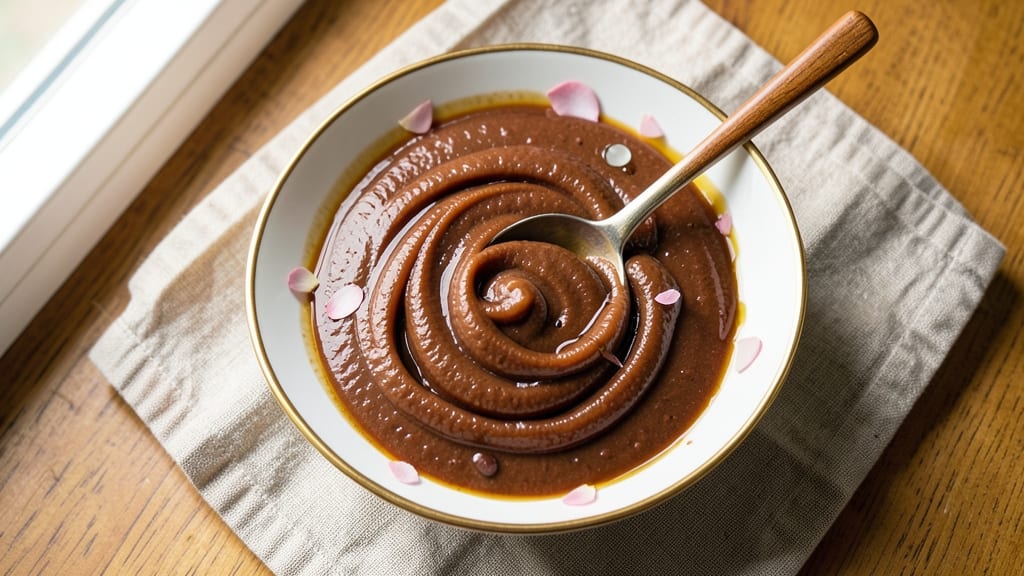
This sweetened red bean paste recipe delivers the velvety, caramelized texture that transforms simple desserts into showstoppers. The secret lies in slow-cooking adzuki beans until they break down into a smooth, jam-like consistency, then balancing sweetness with precise sugar ratios.
I perfected this version after years of testing—it’s rich enough for mooncakes but versatile enough for modern spreads like toast toppings or ice cream swirls.
The process starts with soaking beans overnight to ensure even cooking, then simmering them with just enough water to create a thick, syrupy base. Adding vanilla or lotus paste during the final stages elevates the flavor profile without overpowering the natural sweetness of the beans.
The result? A paste that’s silky smooth, deeply aromatic, and perfectly sweet—not cloying, but satisfyingly indulgent.
What makes this recipe stand out is its dual-purpose appeal: traditionalists will recognize it as the heart of classic mooncakes and dumplings, while modern bakers can use it as a filling for pastries, a swirl in cheesecakes, or even a glaze for fruits.
The texture remains stable for weeks when stored properly, making it a pantry staple worth the effort.
Once you taste the difference between store-bought and homemade, you’ll never go back. The slow cooking develops a depth of flavor that jarred versions simply can’t match—think caramelized bean notes with just a hint of floral sweetness. Ready to elevate your desserts with this professional-quality spread?
Ingredients for sweetened red bean paste
Ten ingredients transform humble adzuki beans into velvety, caramelized perfection for pastries and spreads.
| Ingredient | Amount | Notes |
|---|---|---|
| Adzuki Beans (Dried) 🌾 | 16 oz | Rinsed thoroughly before soaking |
| Organic Cane Sugar 🍬 | 1 ½ cups | Light brown preferred for caramel notes |
| Filtered Water 💧 | 4 cups | Distilled preferred for clarity |
| Pure Vanilla Extract 🌿 | 1 tbsp | Bourbon-based for depth |
| Lotus Paste (Optional) 🌸 | ½ cup | For floral aroma, store-bought or homemade |
| Agave Nectar 🍯 | ¼ cup | Balances sweetness naturally |
| Coconut Oil (Refined) 🥥 | 2 tbsp | Prevents sticking during cooking |
| Diamond Crystal Kosher Salt 🧂 | ½ tsp | Enhances bean flavor |
| Cornstarch 🌽 | 2 tbsp | For silky texture |
| Lemon Zest (Optional) 🍋 | 1 tsp | Brightens final flavor |
The adzuki beans are the foundation—Asian grocery stores carry high-quality dried varieties, but any organic brand works if labeled for cooking. Soak them overnight to eliminate cooking time; Costco's bulk section offers the best price per pound. For sugar, organic cane sugar develops deeper caramel notes than white, but light brown works too. The coconut oil is non-negotiable—it creates a natural barrier that prevents the paste from drying out during the long cooking process. If using lotus paste, Trader Joe's carries a reliable version, though homemade is superior for authenticity.
No vanilla extract? Vanilla bean paste or even a scraped vanilla bean works, though the flavor will be less concentrated. Substituting agave for sugar? Use the same amount, but reduce to 0.2 cup if you prefer less sweetness. For the cornstarch, Arrowhead Mills brand is ideal—it dissolves smoothly without clumping. Short on time? Instant Pot method cuts cooking time by half, though texture may vary slightly. The lemon zest is purely optional but adds a subtle brightness that balances the richness—organic lemons from the farmers market yield the most vibrant flavor.
This paste thickens as it cools, so store it in airtight glass jars with a thin layer of coconut oil on top to preserve moisture. Keeps for 3 months refrigerated or 6 months frozen—portion into ice cube trays before freezing for easy use. For mooncakes, let it sit at room temperature for 30 minutes before shaping to improve workability. The flavor actually improves after 48 hours as the sugars meld, so making a double batch is worth the effort.
Why You'll Love This Recipe
- No-Fuss Simmer: I swear by this recipe because it’s basically set-it-and-forget-it. Soak the adzuki beans overnight, then dump everything—water, sugar, vanilla—into one pot. The beans soften and melt into that velvety paste all on their own while I sip tea or scroll through my phone. Honestly, the hardest part is remembering to stir occasionally.
- Vanilla-Sweetened Magic: That first spoonful of warm paste, still humming with vanilla and just a hint of lotus? It’s like dessert sneaking into your day. The organic cane sugar caramelizes just enough to give it depth, but it’s not cloying—more like a cozy hug for your taste buds. (Between us, I add extra vanilla because I’m greedy like that.)
- Year-Round Staple: This stuff is my pantry’s secret weapon. Spread it on toast for breakfast, stir it into oatmeal, or dollop it on rice cakes when I’m craving something sweet but not heavy. Even my picky teenager sneaks bites when he thinks I’m not looking. Freezes beautifully too—just scoop and store.
- Budget Joy: A bag of dried adzuki beans and a pinch of sugar stretch for months of this treat. No fancy equipment, no last-minute grocery runs—just a handful of ingredients that turn into something luxurious without breaking the bank. Plus, the leftovers? They’re the reason I always make a double batch.
Step-by-step instructions for sweetened red bean paste
Transform simple ingredients into a velvety, sweet-spiced bean paste perfect for fillings.
Soak and Cook the Adzuki Beans
Rinse the 16 oz adzuki beans thoroughly under cold water, then soak in a bowl of cold water for at least 8 hours or overnight. This rehydration step ensures even cooking and prevents splitting during the long simmer. Drain and rinse again before cooking.
Transfer the soaked beans to a large pot and add the 4 cups filtered water. Bring to a boil over high heat, then immediately reduce to a simmer. Cover partially and cook for 1 hour, stirring occasionally to prevent sticking. You'll notice the beans begin to soften and the liquid reduces significantly—this is normal. If the water level drops below halfway up the beans, add small amounts of fresh filtered water to maintain coverage.
After the initial hour, reduce heat to low and continue simmering uncovered for 1-1.5 hours until the beans are fork-tender but not mushy. The cooking time varies based on bean age, so check periodically by mashing a few beans—they should break down easily but still hold some texture. This stage develops the foundational flavor and texture for your paste.
Blend and Sweeten the Bean Mixture
Drain any remaining cooking liquid and transfer the cooked beans to a food processor or high-powered blender. Add the 1.5 cups organic cane sugar, 0.5 tsp diamond crystal kosher salt, and 1 tbsp pure vanilla extract. Process in batches if needed, blending until completely smooth with no visible bean fragments. The mixture should resemble a thick, sweet purée with a velvety consistency.
Return the blended mixture to the same pot and add the 0.25 cup agave nectar and 2 tbsp coconut oil. Stir well to combine, then place the pot over medium-low heat. Cook uncovered, stirring frequently with a wooden spoon, for 20-25 minutes until the mixture thickens noticeably. You'll see it begin to coat the back of the spoon and pull away from the sides of the pot—a sign the paste is developing its signature texture.
Here's the thing—this is where patience pays off. If the paste thickens too quickly and begins to stick, add 1-2 tablespoons of filtered water at a time until it reaches a spreadable consistency. The goal is a smooth, slightly glossy paste that holds its shape when spooned but remains spreadable.
Finish with Starch and Optional Flavors
In a small bowl, whisk together the 2 tbsp cornstarch with 2 tablespoons of filtered water to create a smooth slurry. Slowly pour this mixture into the simmering bean paste while stirring constantly with a wooden spoon. The cornstarch acts as a natural thickener, giving the paste its characteristic silky mouthfeel without altering the flavor profile.
Continue cooking for an additional 5-7 minutes until the paste reaches your desired consistency. It should be thick enough to hold its shape when spooned but still spreadable. For added depth, stir in the 0.5 cup lotus paste (if using) and 1 tsp lemon zest (if using). The lotus paste adds a delicate floral note while the lemon zest brightens the sweetness—both optional but highly recommended for complexity.
Remove from heat and let the paste cool completely at room temperature. As it cools, it will thicken further. For best results, transfer to an airtight container and refrigerate for at least 2 hours before using. This resting period allows the flavors to meld and the texture to set perfectly, ensuring clean slices when used for fillings.
Pro Tips For Making Sweetened Red Bean Paste
- Soak Beans Overnight: I learned this the hard way—rushing the soak leads to uneven texture. Cover dried adzuki beans in cold water for 8-12 hours (yes, even if you're impatient like me), then drain. This cuts cooking time by half and prevents that stubborn, undercooked center.
- Simmer Slow and Low: After burning three batches, I finally figured out: keep the heat at a bare simmer—just enough to see tiny bubbles at the edges. Too much heat turns your paste grainy, and you’ll be skimming sugar crystals off the top for hours.
- Sugar in Stages: Dump all the sugar at once, and you’ll end up with a sticky mess. Split it: add half with the beans, then stir in the rest once the mixture thickens. This keeps the paste smooth and prevents clumping—trust the process.
- Vanilla Last Minute: Sounds weird, but it works: fold in vanilla extract only in the final 10 minutes. Early addition kills its aroma, and you’ll miss that warm, cozy depth the paste is known for. (Your future self will notice.)
Creative variations of this recipe
Asian-Inspired Lotus Twist
For a floral touch that’s quintessentially Chinese, stir in 0.5 cup lotus paste during the final 5 minutes of cooking. I recommend Trader Joe’s brand for convenience, but homemade is superior if you can find fresh lotus seeds.
The paste dissolves into a silky, fragrant cloud that pairs beautifully with mooncakes or as a filling for mandarin orange tarts. If you can’t find lotus paste, rose water (¼ tsp) works in a pinch for a subtler floral note. 🌸
Spiced Vanilla Chai
Infuse the paste with warm spices by adding ½ tsp ground cardamom and ¼ tsp cinnamon during the blending stage. A dash of brown sugar (instead of agave) enhances the caramelized depth, making it perfect for spiced chai lattes or as a filling for gingerbread cookies.
I like to toast the spices in a dry pan for 30 seconds before adding to deepen their aroma. This variation feels like a cozy hug in dessert form. 🌿
Coconut-Lime Zing
Brighten the paste with 2 tbsp lime zest and 1 tbsp toasted coconut flakes for a tropical twist. The lime zest cuts through the sweetness while the coconut adds a nutty crunch—ideal for tropical fruit tarts or as a swirl in coconut milk panna cotta.
For extra richness, fold in 1 tbsp unsweetened shredded coconut at the end. This version is a game-changer for summer desserts. 🍍
Matcha Green Tea
Elevate your paste with 1 tbsp high-quality matcha powder (like Ippodo Tea) blended in during the final stages. The earthy matcha balances the sweetness, creating a luxurious filling for green tea mooncakes or as a glaze for matcha white chocolate bark.
For a smoother texture, sift the matcha before adding. This fusion is a modern take on a classic, perfect for tea lovers. 🍵
Salted Caramel Swirl
Add a sophisticated twist by blending in ¼ cup salted caramel sauce (like Trader Joe’s) during the last 10 minutes of cooking. The salt enhances the caramel notes while keeping the paste spreadable.
This version is ideal for caramel apple turnovers or as a filling for salted caramel brownies. For extra decadence, sprinkle flaky sea salt on top before serving. 🍬
Modern Toast Topping
Reduce the sugar to 1 cup and add 1 tbsp tahini for a nutty, spreadable paste that’s perfect for toast. Drizzle with honey and sprinkle crushed pistachios for a Middle Eastern-inspired breakfast.
The tahini adds protein and a creamy texture, making it a satisfying alternative to Nutella. This version is a crowd-pleaser for brunch lovers. 🥖
Nutrition facts
Frequently asked questions
Why does my red bean paste turn out grainy?
Graininess happens when beans aren't cooked long enough or blended thoroughly. First, ensure beans are fork-tender but not mushy before blending. For extra smoothness, pulse in a food processor first, then blend again after adding sugar. If using an immersion blender, work in batches and scrape the sides constantly. The cornstarch slurry at the end also helps create that signature silky texture.
Can I make this paste without a food processor?
You'll need to mash the beans thoroughly with a potato masher or fork until completely smooth. For best results, simmer the mashed beans for an extra 15-20 minutes to break down any remaining texture. The paste will be slightly coarser but still delicious—perfect for rustic pastries like tarts or rice cakes where texture isn't as critical.
How do I adjust the sweetness for different uses?
For traditional mooncakes, use the full 1.5 cups sugar as written. For modern spreads (like toast toppings), reduce to 1 cup and add 1 tbsp tahini for balance. If your paste tastes too sweet, stir in 1 tsp lemon zest or ½ tsp vanilla bean paste to enhance depth. Remember: the paste will mellow slightly as it cools, so taste before finalizing.
Can I substitute other beans for adzuki?
Adzuki beans are ideal due to their natural sweetness and smooth texture, but you can try black beans or kidney beans in a pinch. For best results, soak them 12 hours first and simmer 30 minutes longer to ensure full breakdown. The paste will have a slightly different flavor profile—more earthy—but works well in savory applications like empanadas or tacos.
How long can I store this paste, and does it improve over time?
Store in an airtight glass jar with a thin layer of coconut oil on top to preserve moisture. It keeps for 3 months refrigerated or 6 months frozen (portion into ice cube trays first). The flavor actually improves after 48 hours as the sugars meld—this is why making a double batch is worth it! For best texture, let it sit at room temperature for 30 minutes before using in fillings.