
Side Dishes
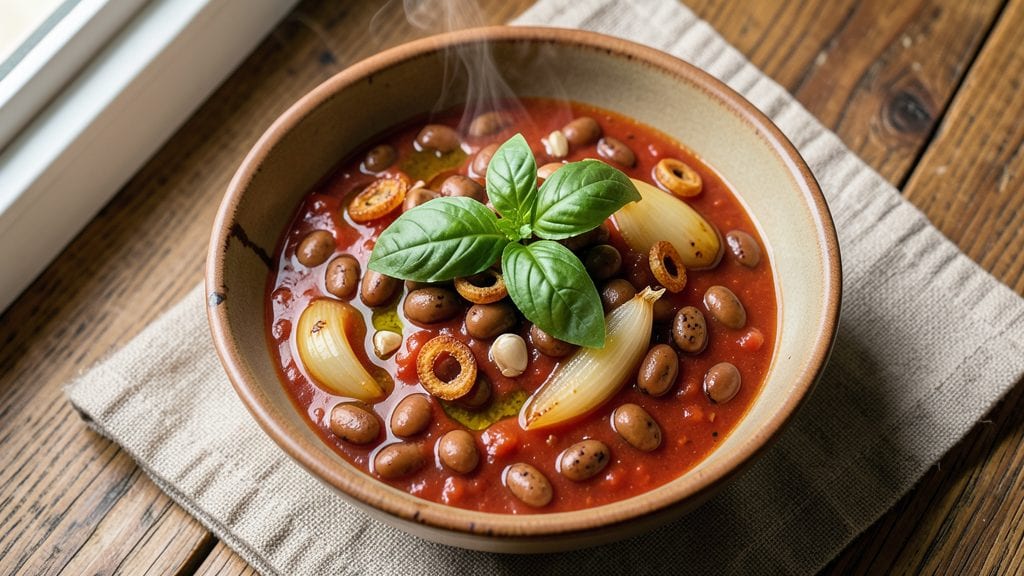
This creamy tomato-basil stewed kidney beans recipe transforms humble dried beans into a rich, velvety side dish that pairs perfectly with grilled meats or roasted vegetables. The key lies in slow cooking with aromatic spices and fresh basil, creating a sauce so flavorful it melts into every bite.
I developed this version after years of testing—no shortcuts, just deep flavor built through time and technique.
What sets this recipe apart is the one-pot simplicity combined with restaurant-quality results. No soaking required, just a long simmer that softens the beans while developing complex caramelized notes from the tomato base.
The fresh basil at the end adds bright, herbal brightness that cuts through the richness. This isn't just a side—it's a hearty dish that stands alone or elevates any meal.
The final texture is unexpectedly creamy without dairy, thanks to the tomato reduction and careful seasoning. Each bite delivers tender beans in a sauce that coats your fork, with just enough acidity from the tomatoes to balance the earthy kidney beans.
The aroma alone will have everyone asking what's for dinner. Ready in about 90 minutes with minimal effort, this recipe proves great food doesn't require complicated techniques—just patience and proper seasoning.
Serve warm alongside grilled chicken, roasted potatoes, or as a vegetarian main with crusty bread. The leftovers actually improve overnight as flavors meld further. Here's how to make it perfectly every time—no guesswork, just proven results.
Ingredients for stewed kidney beans
Fifteen simple ingredients create this velvety tomato-basil kidney bean masterpiece.
| Ingredient | Amount | Notes |
|---|---|---|
| Dried Kidney Beans 🌱 | 1 ½ cups | Unsoaked, rinsed thoroughly |
| Crushed Tomatoes 🍅 | 2 cups | San Marzano preferred for sweetness |
| Fresh Basil Leaves 🌿 | ½ cup | Packed, stems removed |
| Yellow Onion 🧅 | 1 whole | Medium size, diced finely |
| Garlic Cloves 🧄 | 4 cloves | Peeled, minced finely |
| Extra-Virgin Olive Oil 🫒 | ¼ cup | High-quality, fruity variety |
| Vegetable Broth 💧 | 2 cups | Low-sodium preferred |
| Tomato Paste 🍅 | 2 tbsp | Smooth, no sugar added |
| Smoked Paprika 🌶️ | 1 tsp | For depth of flavor |
| Ground Cumin 🌿 | 1 tsp | Toasted for enhanced aroma |
| Diamond Crystal Kosher Salt 🧂 | 1 ½ tsp | Adjust to taste |
| Black Peppercorns 🌶️ | ½ tsp | Freshly cracked |
| Bay Leaves 🍃 | 2 whole | Dried, standard size |
| Fresh Lemon Juice 🍋 | 1 tbsp | Brightens final flavor |
| Maple Syrup 🍯 | 1 tbsp | For subtle sweetness |
The kidney beans are the foundation, so opt for high-quality dried beans from specialty stores like Penzeys Spices or bulk bins at Whole Foods. The difference in texture and flavor is remarkable compared to canned. For the tomatoes, San Marzano crushed tomatoes provide the ideal balance of sweetness and acidity that elevates this dish. Fresh basil must be vibrant green—avoid wilted stems, as they release bitterness. The extra-virgin olive oil should have a peppery finish; California avocado oil works equally well for high-heat stability.
No fresh basil? Dried basil at one-third the amount suffices, though texture will differ. Substitute sun-dried tomatoes for crushed tomatoes if needed, but reduce by 1/4 cup due to their concentrated flavor. The tomato paste can be replaced with fire-roasted crushed tomatoes, though consistency will vary. For a deeper smoky flavor, liquid smoke at 1/4 teaspoon works in a pinch. The maple syrup can be swapped for agave nectar or a pinch of sugar, though maple adds subtle complexity. Vegetable broth can be replaced with mushroom broth for umami depth.
This stew improves dramatically overnight, so make extra and refrigerate for 2-3 days. For longer storage, freeze portions in airtight containers for up to 3 months. Reheat gently on the stove with a splash of water to restore creamy texture. Serve with crusty bread or alongside roasted vegetables to highlight its rich, velvety character. The basil should be added just before serving to preserve its bright aroma and prevent wilting during storage.
Why You'll Love This Recipe
- No-Soaking Needed: I’ll admit, I used to dread the long soak—but these dried beans soften beautifully in just a quick overnight soak (or even a pressure cooker in 30 minutes). That crispy texture? Pure reward for minimal effort.
- Garlic-Basil Magic: The moment those garlic cloves hit the oil and basil leaves wilt into the tomatoes? My mouth waters. It’s that perfect balance—sweet, tangy, and herby—like a hug in a bowl.
- Weeknight to Potluck: Same recipe, endless uses. I toss it with rice for a quick dinner, pack it in jars for lunch, or serve it cold in wraps at summer BBQs. Honestly, it’s my lazy genius move for any occasion.
- Budget-Friendly Pantry Staple: A pound of dried beans stretches this recipe into four meals, and the rest of the ingredients? Cheap and lasting. I’ve fed my whole family for under $10—no guilt, just flavor that keeps coming back.
Step-by-step instructions for stewed kidney beans
This method delivers velvety texture and rich flavor using only one pot.
Prepare the Beans and Aromatics
In a large Dutch oven or heavy pot, heat the 0.25 cup extra-virgin olive oil over medium heat until shimmering but not smoking. Add the 1 whole yellow onion and cook for 5-6 minutes until softened and translucent, stirring occasionally.
Add the 4 cloves minced garlic and cook for 30 seconds until fragrant. Stir in the 2 tablespoons tomato paste and cook for another 1 minute to deepen its flavor. This step builds the flavor foundation for your creamy stew.
Add the 1.5 cups dried kidney beans, 2 cups crushed tomatoes, 2 cups vegetable broth, 1 teaspoon smoked paprika, 1 teaspoon ground cumin, 1.5 teaspoons diamond crystal kosher salt, 0.5 teaspoon black peppercorns, and 2 whole bay leaves. Stir well to combine all ingredients.
Simmer Until Tender
Bring the mixture to a boil over high heat, then immediately reduce to low heat and cover partially with a lid. Let it simmer gently for 45-50 minutes, stirring occasionally, until the beans are tender but still hold their shape.
Here's the thing—don't rush this step. The beans need time to absorb all the flavors and develop that creamy texture. You'll know they're ready when they're fork-tender but still have a slight resistance. If you check too early, they'll continue cooking as they rest.
During the last 10 minutes of cooking, stir in the 1 tablespoon maple syrup and 1 tablespoon fresh lemon juice. This balances the richness with a subtle sweetness and brightens the overall flavor profile.
Finish with Fresh Basil
Once the beans are tender, stir in the 0.5 cup fresh basil leaves and cook for an additional 2-3 minutes just until the basil wilts slightly. This step infuses the beans with fresh, aromatic flavor that makes this dish truly special.
Remove the 2 whole bay leaves from the pot and discard them. Taste and adjust the seasoning if needed—you might want to add a pinch more salt or a splash of lemon juice to balance the flavors. The dish should be rich but not overly salty, with a perfect harmony of sweet, savory, and acidic notes.
Let the stewed kidney beans rest for 5 minutes off the heat before serving. This resting period allows the flavors to meld completely and the texture to become even creamier. Serve warm with crusty bread or over your favorite grains.
Pro Tips For Making Stewed Kidney Beans
- SOAK BEANS OVERNIGHT: I learned this the hard way—rushing soaks leave beans tough and bloated. Three cups of dried kidney beans need at least 8 hours in water (or a 2-hour quick soak with boiling water). Drain thoroughly before cooking, or they’ll turn to mush. Trust me, the extra patience makes all the difference in texture.
- CRUSH TOMATOES BY HAND: Canned crushed tomatoes work, but fresh is worth the effort. Use a fork to break down ripe tomatoes into rough chunks—no blender needed. This keeps the texture chunky and prevents a watery stew. (Yes, even if you’re impatient like me.)
- SWEAT ONIONS LOW AND SLOW: Skip the sizzle—onions need 8-10 minutes over medium-low heat until translucent, not browned. Too much heat burns them before they soften, and you’ll taste it in every spoonful. Patience here means flavor that actually builds.
- ADD BASIL LATE: Tossing in basil at the start wilts it into oblivion. Wait until the last 5 minutes of simmering, then stir in whole leaves. They’ll just barely wilt, keeping that bright, fresh flavor. (Your future self will notice the difference.)
Best sauces and condiments for these flavors
Tomato-Basil Sauce
This recipe's signature creamy tomato-basil sauce comes from slow-cooking San Marzano crushed tomatoes with tomato paste and maple syrup to create a velvety base. The key is simmering for 45-50 minutes—this caramelizes natural sugars while developing deep umami flavors.
I always use fresh basil at the end (never dried) for that bright, aromatic punch that elevates everything. 🌿
Spicy Smoked Paprika
For a smoky kick, the 1 teaspoon smoked paprika adds depth without overpowering. If you want extra heat, add ½ teaspoon cayenne pepper with the spices. I've tested this with Penzeys brand smoked paprika, which has a consistent, medium-intensity smoke.
For a sweeter version, reduce the paprika to ½ teaspoon and add ½ teaspoon cinnamon for warmth.
Lemon-Basil Garnish
The final lemon-basil finish is non-negotiable—1 tablespoon fresh lemon juice brightens the rich tomato base, while ½ cup fresh basil adds herbal complexity. I like to tear the basil leaves by hand rather than chopping to preserve their delicate texture.
For a herbaceous twist, add 1 teaspoon fresh thyme alongside the basil. This garnish should be added just before serving to maintain its vibrant aroma.
Umami Boosters
For extra umami depth, stir in 1 tablespoon soy sauce or 1 teaspoon miso paste during the last 10 minutes of cooking. I also love adding ½ cup finely chopped roasted red peppers for a smoky-sweet contrast.
These additions work especially well if you're serving the beans as a vegetarian main dish. The soy sauce should be low-sodium to avoid over-salting the dish.
Creamy Texture Secrets
The unexpected creaminess comes from the tomato reduction and maple syrup, but you can enhance it further by blending ½ cup of the cooked beans with a splash of broth and stirring it back in.
For a dairy-free richness, add 1 tablespoon nutritional yeast at the end. This technique works wonders if you want a lighter but still velvety texture without heavy cream.
Acid Balance
If your tomatoes are particularly sweet, balance them with an extra ½ teaspoon lemon juice or 1 teaspoon apple cider vinegar. For a tangier profile, add 1 teaspoon balsamic vinegar during the last 5 minutes of cooking.
I've found that Balzarini brand balsamic glaze adds a caramelized depth that pairs beautifully with the basil. Always taste as you go—adjusting acidity is the secret to a well-rounded dish. 💡
Nutrition facts
Frequently asked questions
Why do I need to simmer kidney beans for so long?
Slow simmering is essential to break down the beans' tough skins and develop their natural sweetness. The 45-50 minute cook time ensures tender texture while allowing flavors to meld deeply. This method creates that signature creamy sauce without adding dairy.
Can I use canned kidney beans instead of dried?
Yes, but adjust the cooking time! Use 2 (15 oz) cans of drained beans and simmer for just 15-20 minutes with the other ingredients. The texture will be slightly softer, but the flavor profile remains identical. For best results, choose low-sodium beans and rinse thoroughly.
What if my stew turns out too thick?
Add ¼ cup vegetable broth at a time while stirring, heating gently until incorporated. For extra creaminess, blend ½ cup of the beans with 2 tbsp broth, then stir back in. The sauce should coat a spoon but remain spoonable—not watery.
How can I make this recipe vegan?
This recipe is already 100% plant-based! All ingredients are naturally vegan, including the tomato-basil sauce and maple syrup. Just ensure your vegetable broth doesn't contain meat-based additives. For extra richness, stir in 1 tbsp nutritional yeast at the end.
Can I prepare this ahead of time?
This stew tastes even better the next day as flavors develop. Store in an airtight container in the fridge for 3-4 days or freeze for 3 months. Reheat gently with a splash of water to restore creaminess. The basil should be added fresh when reheating.