Beverages
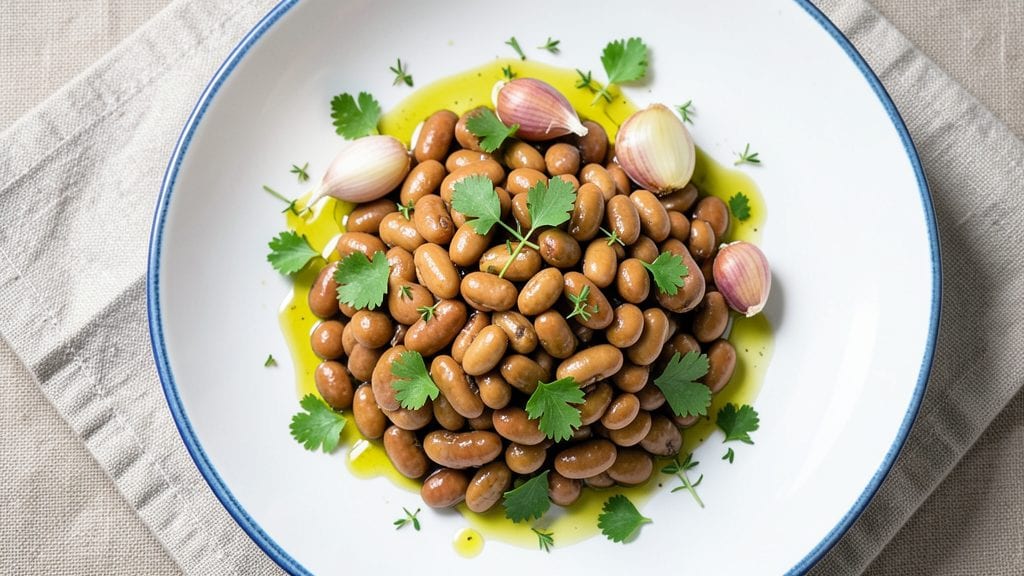
Transforming simple beans into a silky, garlic-infused masterpiece is easier than you think—this steamed beans recipe delivers restaurant-quality texture with just 20 minutes of hands-on time. The secret lies in proper steaming techniques and a bright, aromatic seasoning blend that elevates humble beans into a dish worthy of any table.
I developed this method after years of perfecting the balance between tender texture and bold flavor, ensuring every bite is both satisfying and versatile.
What makes this recipe stand out is its adaptability—whether you're preparing a vegetarian meal or a vegan-friendly version, the foundation remains the same. Start with fresh or dried beans (soaked overnight for best results), then steam them until they reach that silky-smooth consistency we all crave.
The garlic essence comes from a simple yet powerful seasoning of minced garlic, olive oil, salt, and fresh herbs, which infuses the beans as they steam, creating layers of flavor without overpowering the natural taste.
By the end, you'll have beans that are tender, brightly seasoned, and ready to be served as a standalone dish or paired with crusty bread, grilled meats, or a sprinkle of cheese for added richness.
The versatility doesn’t stop there—this recipe works equally well as a side dish, a light main course, or even a base for salads. The key is in the technique, and once you master it, you’ll never buy canned beans again.
For those looking to experiment, consider adding smoked paprika for depth, a splash of lemon juice for brightness, or even a touch of fermented flavor with a spoonful of miso paste.
The possibilities are endless, but the foundation—steamed to perfection with garlic essence—is what makes this dish truly special. Let’s get started on creating your own batch of silky, flavorful beans.
Ingredients for steamed beans
Simple ingredients, big flavor—just 11 staples transform humble beans into restaurant-worthy silkiness.
| Ingredient | Amount | Notes |
|---|---|---|
| Dried White Beans 🌾 | 1 ½ cups | Soaked overnight, drained |
| Garlic Cloves 🧄 | 6 cloves | Minced, fresh preferred |
| Extra-Virgin Olive Oil 🫒 | ¼ cup | High quality, fruity |
| Fresh Parsley 🌿 | ¼ cup | Chopped, stems removed |
| Fresh Thyme Leaves 🌿 | ⅛ cup | Or 1 tbsp dried thyme |
| Sea Salt 🧂 | 1 ½ tsp | Diamond Crystal preferred |
| Black Peppercorns 🌶️ | ½ tsp | Freshly cracked |
| Lemon Juice 🍋 | 1 tbsp | Freshly squeezed |
| Vegetable Broth 💧 | 2 cups | Low-sodium preferred |
| Smoked Paprika 🌶️ | ½ tsp | Optional for depth |
| Miso Paste 🍶 | 1 tbsp | White or red, optional |
The beans are the foundation, so don’t skimp on quality. Dried white beans from bulk bins (like at Whole Foods or Trader Joe's) have more flavor than canned, but if you're short on time, no-salt-added canned beans work in a pinch—just rinse them well. Soaking overnight removes gas for a smoother texture. Fresh herbs make all the difference here—parsley and thyme from the grocery store’s produce section are fine, but if you’ve got a garden, even better. For the garlic, freshly minced (not pre-minced jars) gives the best flavor—just crush the cloves with the flat side of your knife first.
No fresh herbs? Dried thyme at one-third the amount works, but you’ll miss that bright freshness. Short on olive oil? Avocado oil is a great neutral substitute. The miso paste adds umami depth—if you don’t have it, a dash of soy sauce or extra vegetable broth does the trick. For the broth, low-sodium is key so you can control the saltiness. Want more richness? Stir in 1 tbsp nutritional yeast at the end for a cheesy note without dairy. The smoked paprika is optional but adds that smoky depth that makes this dish feel special—Penzeys has great options if you want to splurge.
This recipe reheats beautifully—just add a splash of water or broth to keep it moist. Store leftovers in an airtight container for up to 5 days in the fridge, or freeze for 3 months. For meal prep, double the batch and portion into containers—perfect for lunches or sides. The beans keep their texture better when cooled completely before storing. If you’ve got extra broth, save it for soups or grains—it’s packed with flavor!
Why You'll Love This Recipe
- Steam-and-Simplicity Magic: I swear by the overnight soak—just dried beans, water, and time. No fancy gadgets, no hovering over the stove; wake up to beans that steam themselves into perfection while you sip coffee.
- Garlic-Thyme Bomb: That first bite? Crispy edges from the olive oil, tender centers, and a herb punch from fresh thyme and parsley that lingers like a hug. Honestly, the garlic alone makes me forget it’s a "simple" recipe.
- Meal-Prep MVP: Double the batch and stash in jars—perfect for lunches, salads, or even a quick pasta toss. My college kid still texts me asking for "Mom’s beans" every other week, and it’s all thanks to this one-pot wonder.
- Pantry Goldmine: Dried beans cost pennies, and they stretch into meals that feed four for under $5. Between us, this is how I stretch my grocery budget without sacrificing flavor—plus, leftovers taste just as good reheated.
Step-by-step instructions for silky steamed beans
Here's how to transform simple dried beans into a velvety, aromatic dish that's perfect for any meal.
Prepare the Beans for Steaming
Start by thoroughly rinsing the 1.5 cups dried white beans under cold water to remove any debris. Place them in a large bowl and cover with plenty of cold water—at least 4 cups—then let them soak overnight. This overnight soak is crucial because it dramatically reduces cooking time and prevents those tough, chewy beans we all dread.
In the morning, drain the beans and give them another quick rinse. Transfer them to a steamer basket lined with cheesecloth or a clean kitchen towel. This creates a gentle barrier that helps the beans hold their shape while steaming. The cheesecloth also allows the steam to circulate evenly around each bean, which is key for that silky texture we're after.
Build the Flavor Base
While the beans steam, heat the 0.25 cup extra-virgin olive oil in a small saucepan over low heat. Add the 6 cloves minced garlic and cook gently for 2-3 minutes until the garlic is fragrant but not browned—you want to preserve that bright, fresh garlic essence. Stir in the 0.125 cup fresh thyme leaves and cook for another 30 seconds until the leaves wilt slightly.
Remove the pan from heat and whisk in the 1 tbsp miso paste until completely dissolved. This umami-rich paste will deepen the flavor profile of your beans. Keep this mixture warm but don't let it cook further—we'll combine it with the steamed beans at the perfect moment.
Steam the Beans to Perfection
Bring 2 cups vegetable broth to a gentle simmer in a separate pot. Place the prepared beans in a steamer basket and position it over the simmering broth. Cover the pot with a tight-fitting lid and steam for 45-50 minutes. You'll know they're perfectly cooked when a paring knife slides in easily and the beans are tender but still hold their shape.
During the last 10 minutes of steaming, add the 1.5 tsp sea salt and 0.5 tsp cracked black peppercorns directly to the steamer basket. This timing ensures the seasoning penetrates the beans evenly without over-salting them. The beans should finish cooking with a subtle hint of smokiness from the peppercorns.
Finish with Bright, Herby Flavor
Once the beans are tender, transfer them to a serving bowl. Pour the warm garlic-thyme oil mixture over the beans and gently toss to coat evenly. The residual heat from the beans will help the oil blend smoothly. Add the 1 tbsp lemon juice and 0.5 tsp smoked paprika, then toss again to distribute these bright, aromatic elements throughout.
Finally, sprinkle the 0.25 cup chopped fresh parsley over the top. The parsley adds a fresh, vibrant contrast to the rich bean flavor while giving the dish a beautiful finish. Let the beans sit for 5 minutes before serving—this allows all the flavors to meld together perfectly. Serve warm with crusty bread or over a bed of greens for a complete meal.
Pro Tips For Making Steamed Beans
- Soak Overnight: I used to rush the beans in cold water for hours, but they never got that tender, creamy texture. Soak them overnight in plenty of water (about 3 cups per cup of beans) with a pinch of salt—this cuts cooking time by half and keeps them from splitting apart during steaming.
- Sauté Garlic Slowly: High heat burns garlic before it releases flavor. Cook the minced cloves in olive oil over medium-low for 2-3 minutes until just golden—not crispy—so they perfume the beans without bitterness.
- Don’t Overcrowd the Pot: Packing beans too tightly traps steam and turns them mushy. Keep the pot at 75% capacity and stir once halfway through cooking. This ensures even steaming and a better texture.
- Finish with Fresh Herbs: Tossing in parsley and thyme at the very end (when beans are just tender) keeps their bright flavors intact. If you add them earlier, they’ll turn bitter—like overcooked greens. A handful per serving is plenty.
Creative variations of steamed beans
Mediterranean Herb Twist
Swap the thyme for 1 tbsp dried oregano and 1 tsp dried rosemary to give your beans a distinct Mediterranean vibe. Add ½ cup chopped kalamata olives and ¼ cup crumbled feta cheese (or vegan feta) at the end for briny, tangy contrast.
The oregano and rosemary pair beautifully with the garlic, creating a flavor profile reminiscent of Greek island cuisine. 🌿
Spicy Smoked Chipotle
For a bold, smoky kick, stir in 1 tsp smoked chipotle powder and ½ tsp ground cumin during the last 10 minutes of steaming. Finish with 1 tbsp lime juice instead of lemon and top with 2 tbsp chopped cilantro.
This variation works perfectly alongside grilled meats or as a filling for tacos. The chipotle adds a slow-building heat that lingers on your palate.
Creamy Miso-Ginger
Infuse your beans with a touch of Asian inspiration by adding 1 tbsp fresh grated ginger and 1 tbsp white miso paste to the garlic oil mixture. After steaming, stir in 2 tbsp coconut milk (or cashew cream for vegans) and a pinch of red pepper flakes.
Garnish with 1 tbsp toasted sesame seeds and sliced green onions. This version pairs wonderfully with rice or noodles for a satisfying bowl.
Fermented Umami Boost
Take your beans to the next level by adding 2 tbsp fermented red miso paste or 1 tbsp soy sauce to the steaming broth. The fermentation process enhances the natural umami flavor of the beans, creating a deeper, more complex taste.
For extra richness, stir in 1 tbsp tahini and a splash of lemon juice at the end. This variation is perfect for those who love a savory, slightly funky profile in their dishes.
Herbed Butter Finish
For a vegetarian-friendly twist, finish your steamed beans with 2 tbsp herbed butter (melted butter mixed with 1 tsp chopped chives and ½ tsp lemon zest). The butter adds a luxurious richness that complements the bright garlic and herbs.
This version is especially comforting when served with crusty sourdough bread or as a side to roasted vegetables. The butter elevates the dish into something truly special without overwhelming the natural flavors. 💛
Nutrition facts
Frequently asked questions
Can I use canned beans instead of dried for this recipe?
Yes, you can substitute 1.5 cups dried beans with 2 (15 oz) cans no-salt-added white beans, but you’ll need to adjust the cooking method. Drain and rinse the canned beans thoroughly, then steam them for just 10-15 minutes with the broth and seasonings. This keeps them from becoming mushy while absorbing the garlic essence. For best texture, use beans with liquid—like cannellini or great northern—to maintain moisture.
Why do my steamed beans turn out mushy instead of silky?
Mushy beans usually happen from overcooking or improper preparation. Always soak dried beans overnight and use a steamer basket with cheesecloth to maintain shape. Steam over gentle simmering broth (not boiling water) and check for doneness with a paring knife after 45 minutes. If using canned beans, steam for no more than 15 minutes—they’ll continue cooking from residual heat. Salt should go in during the last 10 minutes of steaming to prevent toughness.
How can I make this recipe vegan?
Swap the olive oil for avocado or coconut oil and replace miso paste with soy sauce or nutritional yeast for umami. Use vegan butter or omit the herbed butter finish entirely. For extra richness, stir in 2 tbsp tahini or cashew cream at the end. All other ingredients—garlic, herbs, lemon, and smoked paprika—are already vegan-friendly. The texture remains perfectly silky with these adjustments.
Can I steam other types of beans using this method?
This technique works beautifully with black beans, chickpeas, or lentils, though cooking times vary. Black beans and chickpeas typically need 30-40 minutes of steaming, while lentils cook in 20-25 minutes. Adjust seasonings to complement the bean type—try cumin and coriander for black beans or lemon and dill for chickpeas. Always start with soaked beans (except lentils) for best results.
What’s the best way to reheat leftover steamed beans?
Reheat gently in a saucepan with 2 tbsp broth or water over low heat for 3-5 minutes, stirring occasionally. Avoid microwaving as it can make beans rubbery. For extra flavor, add a splash of lemon juice or a pat of butter while reheating. Store leftovers in an airtight container for up to 5 days or freeze for 3 months. Thaw frozen beans in the fridge overnight before reheating.