
Side Dishes
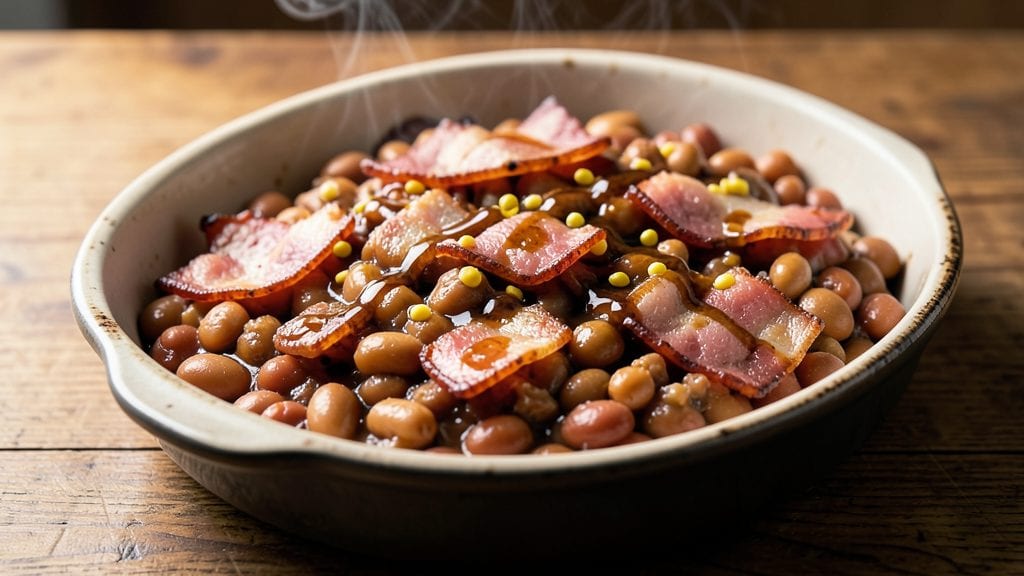
This spam baked beans recipe delivers the ultimate one-pan comfort meal—where smoky, salty Spam meets sweet, tender baked beans in a rich, caramelized sauce. The secret lies in browning the Spam first, which deepens its flavor and creates a crispy texture that contrasts beautifully with the soft beans.
I developed this recipe after realizing how often I reached for canned beans that tasted flat compared to homemade versions.
What makes this dish truly special is its simplicity: just a handful of ingredients, 30 minutes of active time, and one pan to clean. The combination of brown sugar, molasses, and mustard creates a sauce that's perfectly balanced—sweet enough to satisfy cravings but with enough tang to keep it interesting.
The Spam adds a satisfying saltiness that cuts through the richness, making every bite irresistible.
By the time it emerges from the oven, you'll have a dish that's restaurant-quality but made with pantry staples. The beans are tender and coated in that glossy, caramelized sauce, while the Spam remains juicy with crispy edges.
This is the kind of meal that feels indulgent yet effortless, perfect for weeknight dinners or game day gatherings.
Serve it alongside cornbread or crusty rolls to soak up every last bit of that smoky-sweet sauce. The leftovers reheat beautifully, making it an ideal make-ahead option for busy schedules. Let's get cooking—this one-pan wonder is about to become a staple in your kitchen.
Ingredients for spam baked beans
Pantry staples that transform into smoky-sweet comfort in one pan.
| Ingredient | Amount | Notes |
|---|---|---|
| Spam (Sliced) 🥓 | 12 oz | Cut into bite-sized pieces |
| Great Northern Beans (Dried) 🌾 | 1 ½ cups | Soaked overnight preferred |
| Brown Sugar 🍯 | ½ cup | Packed for caramelization |
| Molasses 🍯 | ¼ cup | Unsulphured preferred |
| Yellow Mustard 🥬 | 2 tbsp | Dijon for extra tang |
| Apple Cider Vinegar 🍎 | 1 tbsp | For brightness |
| Kosher Salt 🧂 | 1 ½ tsp | Diamond Crystal preferred |
| Ground Black Pepper 🌶️ | ½ tsp | Freshly cracked |
| Yellow Onion 🧅 | 1 whole | Medium size, diced |
| Garlic Cloves 🧄 | 3 cloves | Minced for depth |
| Vegetable Oil 🫒 | 2 tbsp | For browning Spam |
| Bay Leaves 🌿 | 2 whole | Removed before serving |
| Smoked Paprika 🌶️ | ½ tsp | For smoky depth |
| Balsamic Vinegar 🍷 | 1 tbsp | For finishing glaze |
The Spam is non-negotiable here—Hormel Classic or Spam Original work best for that perfect salty-sweet balance. Look for the canned version with the red label at Walmart or Kroger—it's cheaper than the fancy brands and tastes just as good. The beans? Great Northern or Navy beans hold up best during baking. Soak them overnight if you can—30 minutes minimum in hot water if you're in a rush. The onion and garlic need to be fresh; Trader Joe's has great pre-minced garlic if you hate chopping. For the brown sugar, Domino is fine, but organic cane sugar adds subtle caramel notes.
No molasses? Maple syrup plus 1 tsp vinegar works in a pinch, though it lacks that deep, smoky complexity. Short on mustard? Dijon plus 1 tsp honey mimics the tang. The balsamic vinegar can be swapped for extra apple cider vinegar if you're out, but the glaze won't be as glossy. For the Spam, ham hocks or bacon add richness—just increase the cooking time by 15 minutes. The smoked paprika is key for that campfire aroma; Penzeys has the best quality if you're willing to splurge. Don't skip browning the Spam—crispy edges make all the difference.
This reheats like a dream—oven at 350°F for 10 minutes with a splash of water revives it perfectly. Keeps for 5 days in the fridge, 3 months frozen (portion into containers first). I always double the batch because leftovers are even better the next day. The sauce thickens as it cools, so if it seems too stiff when reheating, add a splash of water or broth. Store the brown sugar in an airtight container to keep it from hardening, and keep the molasses in the pantry—no refrigeration needed.
Why You'll Love This Recipe
- One-Pot Magic: I swear by this recipe when I’m too tired to scrub pots. Just toss the dried beans, Spam slices, and that sticky-sweet molasses-brown sugar mix into one baking dish—no soaking, no boiling, no stress. The beans soften right in the oven while the Spam caramelizes into crispy edges, and honestly? That’s my kind of dinner.
- Sweet-Savory Balance: Between us, the molasses and brown sugar give these beans a deep, almost barbecue-like richness, but the mustard cuts through it like a bright contrast. The Spam adds that salty, smoky punch—it’s like a hug in a bowl, but with way more protein than a hug deserves.
- Tailgate or Tuesday: This recipe doesn’t care if it’s game day or a lazy weeknight. Serve it straight from the oven with crusty bread for a crowd, or pack it in a thermos for a picnic. My college roommate used to beg for leftovers, and now my husband does the same—no judgment here.
- Budget Win: Dried beans and Spam? That’s a pantry staple combo that won’t break the bank. A single batch feeds four for under $8, and the leftovers? Even better the next day. I’ll be real: I’ve reheated these beans three times and still crave them. That’s the mark of a solid, reliable meal.
Step-by-step instructions for smoky-sweet one-pan comfort
This method delivers restaurant-quality beans with minimal effort—just one pan and a few hours of hands-off baking.
Prepare the Beans for Maximum Flavor
Start by sorting through the 1.5 cups Great Northern Beans (Dried) and discarding any shriveled or damaged beans. If you soaked them overnight, drain and rinse thoroughly under cold water. If not, give them a 30-minute soak in plenty of water to soften them before cooking. This step prevents tough beans and ensures even cooking.
In a large Dutch oven or heavy oven-safe skillet, heat the 2 tablespoons Vegetable Oil over medium-high heat. Add the 12 oz Spam (Sliced), cut into bite-sized pieces, and brown them for 3-4 minutes until golden on all sides. You're not cooking the Spam through—just getting that crispy exterior. Remove the Spam with a slotted spoon and set it aside temporarily.
Build the Sweet-Savory Base
In the same pot, add the diced 1 whole Yellow Onion and cook for 5-6 minutes until softened and slightly caramelized. Stir in the 3 cloves Garlic Cloves (Minced) and cook for 30 seconds until fragrant—don't let it burn. Here's where the magic happens: add the 0.5 cup Brown Sugar, 0.25 cup Molasses, 2 tablespoons Yellow Mustard, 1 tablespoon Apple Cider Vinegar, 1.5 teaspoons Kosher Salt, 0.5 teaspoon Ground Black Pepper, and 0.5 teaspoon Smoked Paprika. Stir well to combine and let the mixture cook for 2 minutes until it thickens slightly and develops a rich, caramelized aroma.
Return the browned Spam to the pot and stir to coat it in the sweet-savory mixture. Add the drained beans, 2 whole Bay Leaves, and enough water to cover everything by about 1 inch (approximately 4 cups). Bring to a gentle boil, then reduce heat to low and let it simmer uncovered for 1 hour, stirring occasionally to prevent sticking. This initial simmer breaks down the beans and develops deep flavors.
Bake to Thick, Glossy Perfection
Preheat your oven to 350°F. Transfer the Dutch oven or skillet to the oven and bake uncovered for 2-2.5 hours. The beans are done when they're tender enough to mash slightly between your fingers and the sauce has thickened to a glossy consistency. You'll know it's ready when the edges pull away from the sides of the pot and the aroma is irresistibly sweet and smoky.
About 15 minutes before the beans finish baking, stir in the 1 tablespoon Balsamic Vinegar. This final touch adds a bright, tangy contrast that cuts through the richness. Remove the 2 whole Bay Leaves before serving—no one wants to bite into a leaf while enjoying this comfort dish.
Rest and Serve with Confidence
Let the baked beans rest for 10 minutes off the heat before serving. This resting period allows the flavors to meld and the sauce to thicken slightly, ensuring each spoonful is perfectly balanced. The beans should be fork-tender with a glossy, slightly sticky sauce that clings to every bite. If the sauce is too thin, simmer uncovered for another 5-10 minutes to reduce it to your desired consistency.
Serve this smoky-sweet masterpiece with crusty bread, cornbread, or over buttered mashed potatoes. The combination of salty Spam, sweet molasses, and tangy vinegar creates a harmony that's pure comfort food at its best. Leftovers keep well in the refrigerator for up to 5 days, and the flavors actually improve with time as the spices meld further.
Pro Tips For Making Spam Baked Beans
- Soak Beans Overnight: I learned this the hard way—rushing the soak means tough beans later. Toss dried Great Northerns in a bowl with cold water (about 3 cups per cup of beans) and let them sit 12+ hours. Drain, rinse, and start fresh—your beans will absorb flavor like sponges instead of turning to mush.
- Sear Spam First: Skip the raw Spam in sauce, and you’re missing the best part. Slice the Spam into ¼-inch rounds, then brown them in a hot skillet with a little oil for 2–3 minutes per side. The crust adds texture and depth that baked beans alone can’t match.
- Balance Sweet Heat: Too much brown sugar or molasses? Your beans turn cloying. For every ½ cup of beans, use 1 tablespoon brown sugar and 1 teaspoon molasses—then taste. The mustard (1–2 tablespoons) cuts the sweetness, so don’t skimp there.
- Cover Then Uncover: Start with a tight lid on the pot while beans simmer, but lift it after 30 minutes. This prevents a soggy mess and lets the Spam crisp slightly on top. If the sauce reduces too fast, add a splash of water—but don’t overdo it or dilute the flavor.
Common mistakes when making this recipe
Skipping the Browning
Browning the Spam is where the magic happens—those crispy edges add texture and depth that canned Spam just can't match. I've made this mistake more than once, thinking the beans would be fine without it. The result?
A dish that's delicious but lacks that satisfying contrast between soft beans and crispy Spam. Always take the extra 3-4 minutes to brown it in 2 tbsp vegetable oil over medium-high heat. 🔥
Using Canned Beans
While canned beans are convenient, they simply can't compare to dried for this recipe. Canned beans release too much starch when baked, resulting in a mushy texture instead of the fork-tender consistency we want.
If you're short on time, use Great Northern beans from a can, but drain and rinse them thoroughly, then simmer for 30 minutes before baking to develop some texture. The overnight soak for dried beans is worth it for that perfect bite.
Overcrowding the Pan
This one-pan recipe works best when the beans have room to breathe during baking. I've seen people pack their Dutch oven so tightly that the beans barely cook through, leaving you with a watery mess.
Aim for a 1-inch headspace of liquid when adding water—this ensures proper heat circulation. If your pan looks crowded, transfer to a larger baking dish before putting it in the oven.
Skipping the Resting Time
I know, I know—you're hungry and ready to dig in! But skipping the 10-minute rest after baking means you'll end up with runny sauce and uneven textures. This resting period allows the flavors to meld and the sauce to thicken naturally.
If you're truly impatient, serve it immediately but expect slightly thinner sauce. The difference in texture is night and day when you let it rest properly. ⏳
Ignoring the Balsamic Vinegar
That final 1 tbsp balsamic vinegar isn't just for show—it's what ties all the flavors together. Without it, the dish can taste one-note, too sweet and lacking brightness. Add it during the last 15 minutes of baking to let it mingle with the other flavors.
For extra depth, I sometimes add ½ tsp liquid smoke along with the balsamic, though it's optional.
Overcooking the Beans
Patience is key here, but I've watched many people overcook their beans in an attempt to speed up the process. The beans should be tender but still hold their shape—think fork-tender, not mushy.
If they're falling apart when you test them, they've gone too far. The perfect doneness comes after 2-2.5 hours at 350°F. If yours are still tough, they need more time, not more heat.
Nutrition facts
Frequently asked questions
Can I make this recipe with canned beans instead of dried?
Canned beans work in a pinch, but they won't give the same satisfying texture. For best results, use 1 (15 oz) can Great Northern beans, drain and rinse thoroughly, then simmer for 30 minutes before baking. The dried beans develop a better texture and absorb flavors more deeply during the long baking time.
How do I store leftovers and reheat them?
Store leftovers in an airtight container in the fridge for up to 5 days. To reheat, cover with a splash of water and warm in the oven at 350°F for 10-15 minutes until heated through. The sauce will thicken further as it reheats, so add a little water if needed. For freezing, portion into containers and store for up to 3 months.
Can I substitute the Spam with another meat?
Yes! For a similar salty-sweet balance, try ham hocks or bacon. Cut the meat into ½-inch cubes and brown thoroughly before adding to the pot. Increase baking time by 15-20 minutes as these meats cook more slowly. The flavor will be slightly different but still delicious.
Why does my sauce turn out too thin?
A thin sauce usually means the beans released too much starch or the baking time wasn't long enough. For next time, simmer uncovered for 5-10 extra minutes after baking to reduce the sauce. You can also add 1 tbsp cornstarch mixed with water and stir it in during the last 10 minutes of baking to thicken it up.
What's the best way to serve these baked beans?
This dish pairs perfectly with crusty bread, cornbread, or buttered mashed potatoes to soak up the flavorful sauce. For a heartier meal, serve alongside grilled sausages or roasted vegetables. The combination of salty Spam and sweet molasses makes it a crowd-pleaser for any occasion.